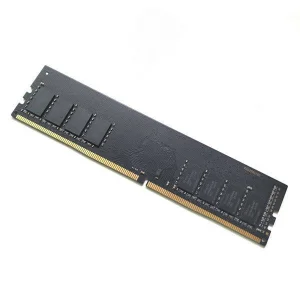
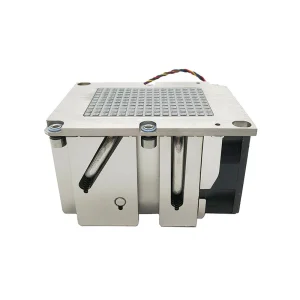
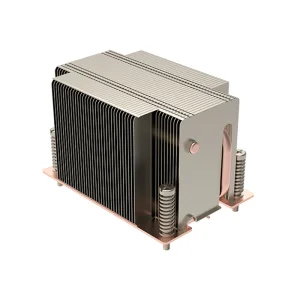
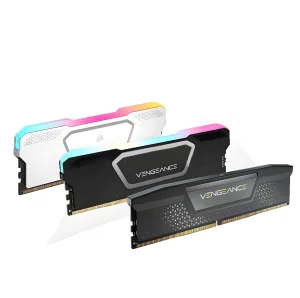
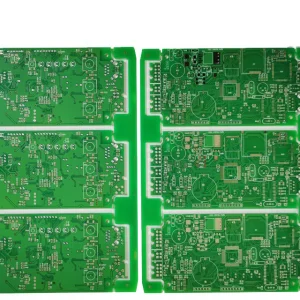
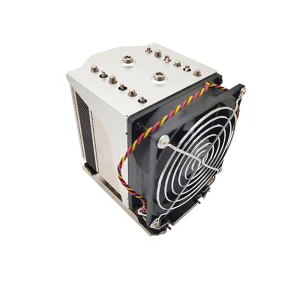
Explore our premium system microcomponents and heatsink assemblies engineered for peak thermal endurance and signal integrity.
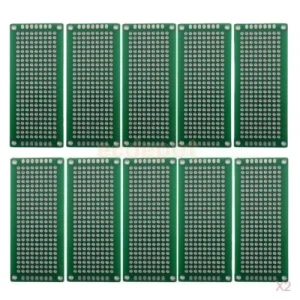
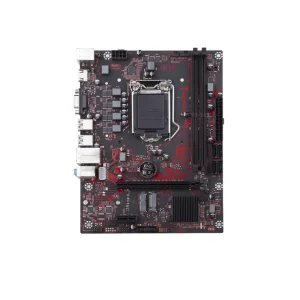
A comprehensive examination of interface heat dissipation, system reliability, and advanced compound engineering in extreme compute architectures.
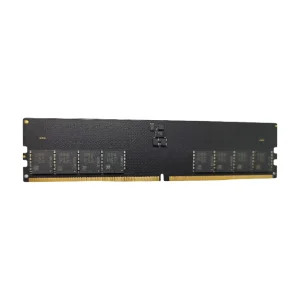
In the contemporary semiconductor and high-performance hardware industries, thermal management has transitioned from a supporting engineering challenge to a primary architectural constraint. As microprocessors shrink down to sub-nanometer nodes and high-frequency memory modules like DDR5 operate at speeds exceeding 5600MHz, the density of heat generated within miniature footprints poses catastrophic risks to hardware longevity and operational stability. Localized hot zones within server processors, power management ICs (PMICs), and multi-layered printed circuit boards (PCBs) degrade signal-to-noise ratios, induce thermal throttling, and dramatically reduce the Mean Time Between Failures (MTBF).
At the physical junction where silicon meets a heatsink or vapor chamber, microscopically rough metal surfaces trap tiny pockets of air. Since air possesses a dismal thermal conductivity of approximately 0.026 W/m·K, these micro-voids act as powerful thermal barriers, isolating the active junction from the cooling assembly. Thermal Interface Materials (TIMs) are specially engineered polymeric, silicone, metallic, or phase-changing media formulated to displace air pockets, flow into microscopic surface imperfections, and establish a high-conductivity path. By minimizing both the contact resistance and the overall bond line thickness (BLT), high-grade TIMs allow advanced cooling systems to operate at their designed limits.
"Without optimized thermal interface structures, even the most expensive custom heatsinks are isolated from the heat source. Thermal design efficiency is completely governed by the physical contact resistance of the interface."
Industrial applications deploy a wide array of TIM form factors to address mechanical stresses, gap distances, and operating temperature profiles. Understanding the physical behaviors of these material classes is crucial for correct system-level integration:
Verified manufacturing infrastructure, export records, and R&D allocations proving CoreByte Storage Technology’s deep industry authority.
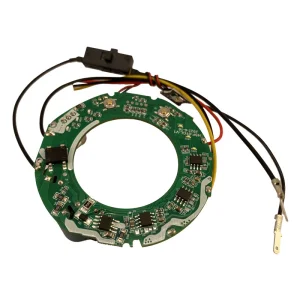
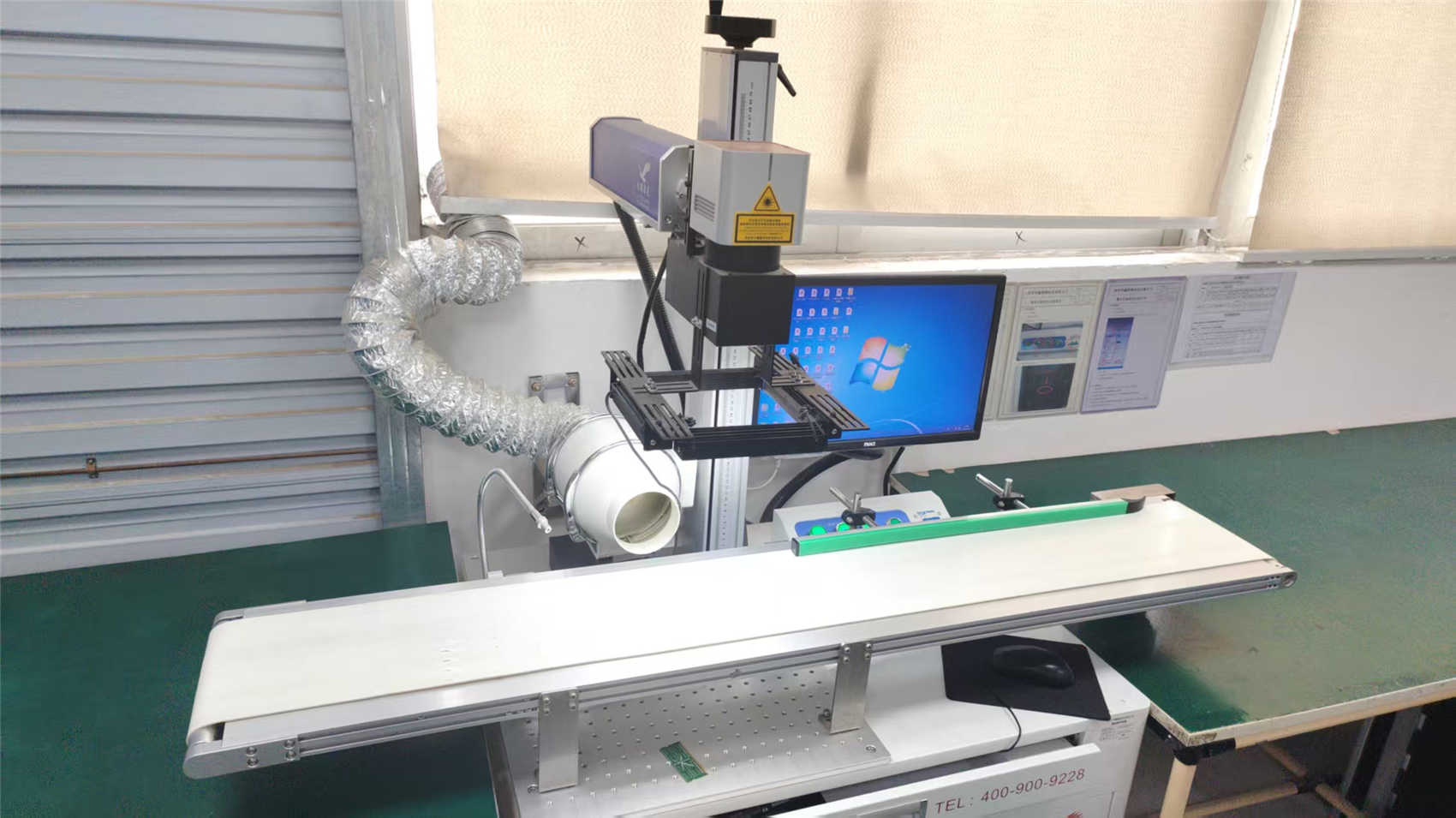
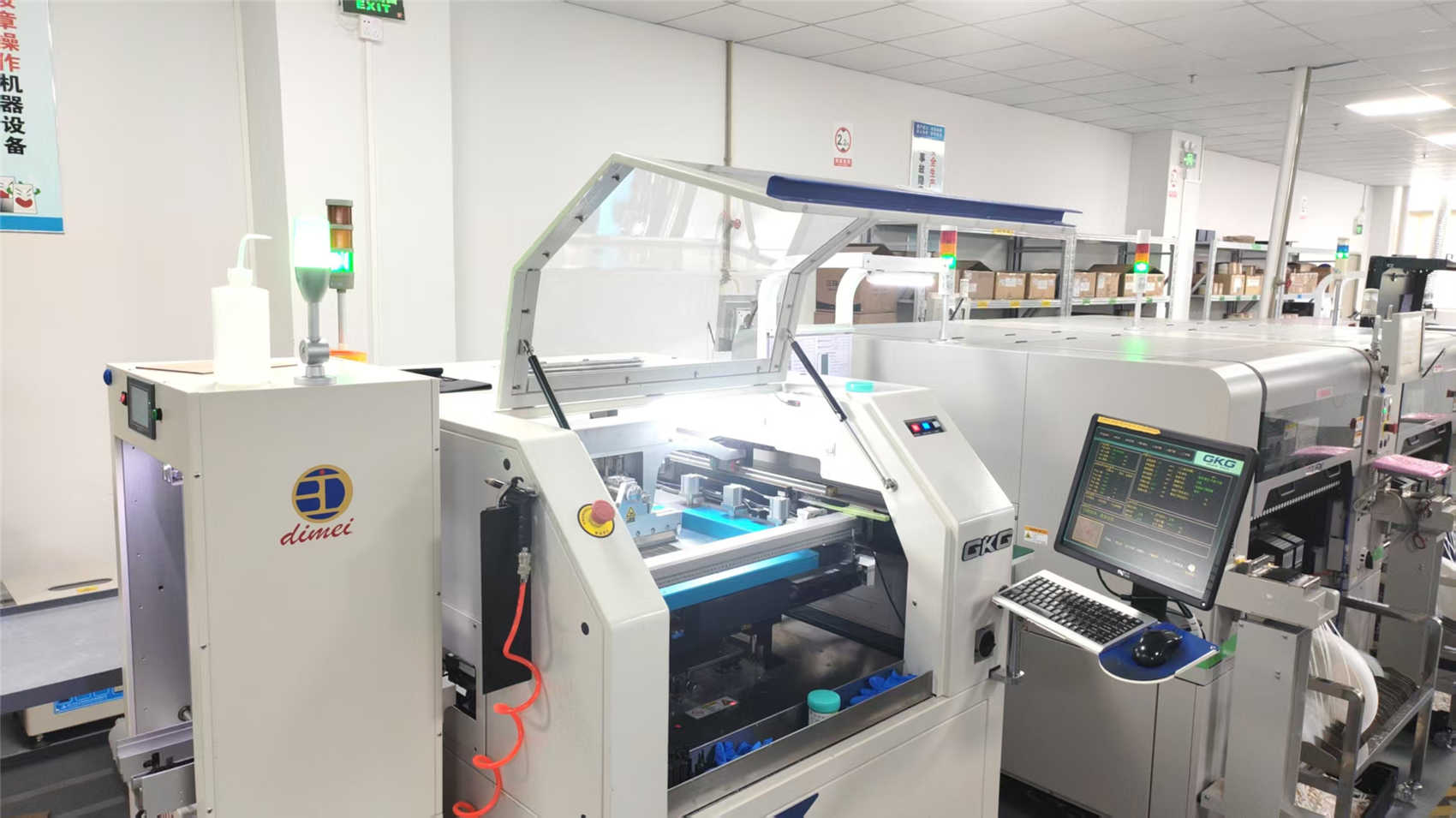
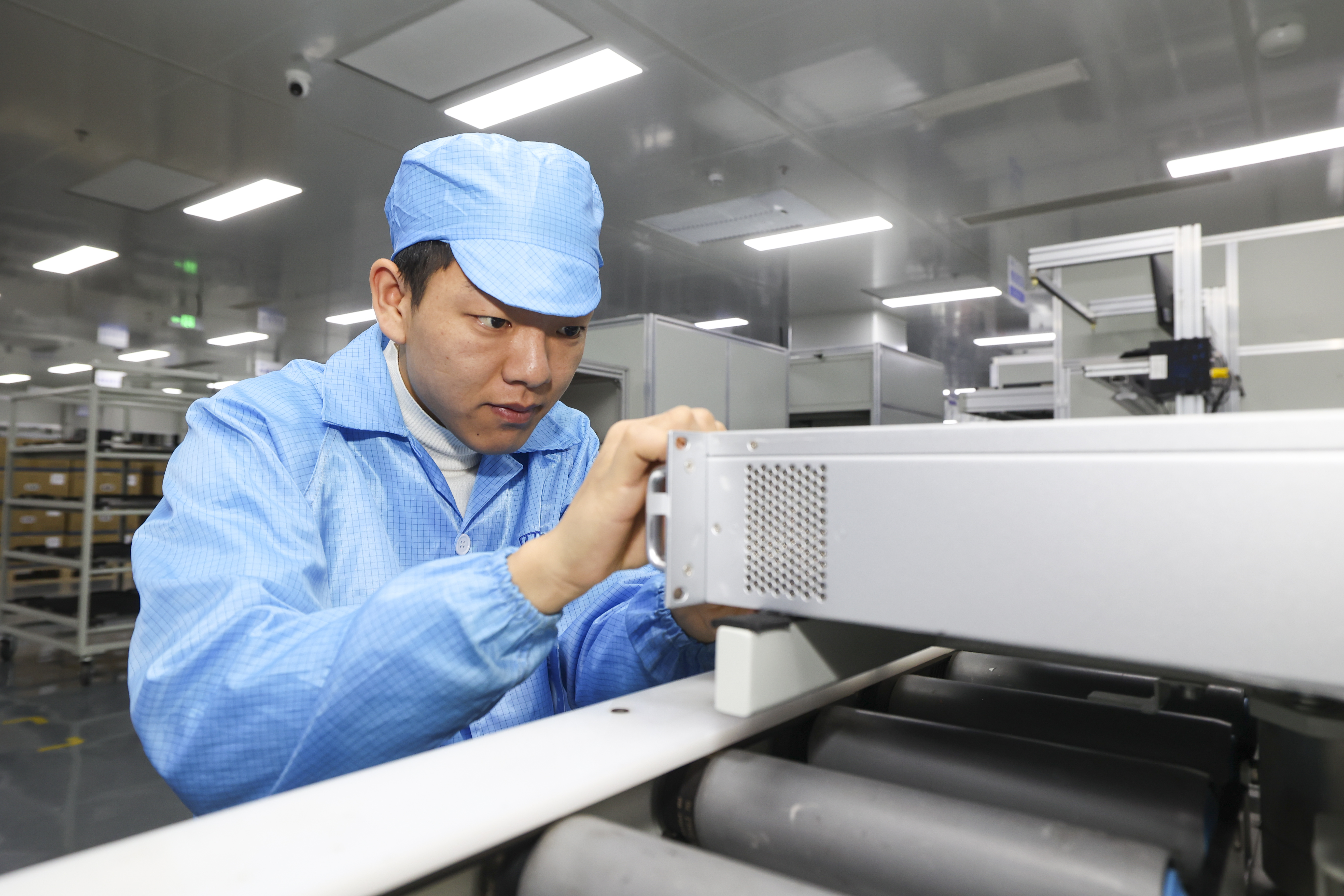
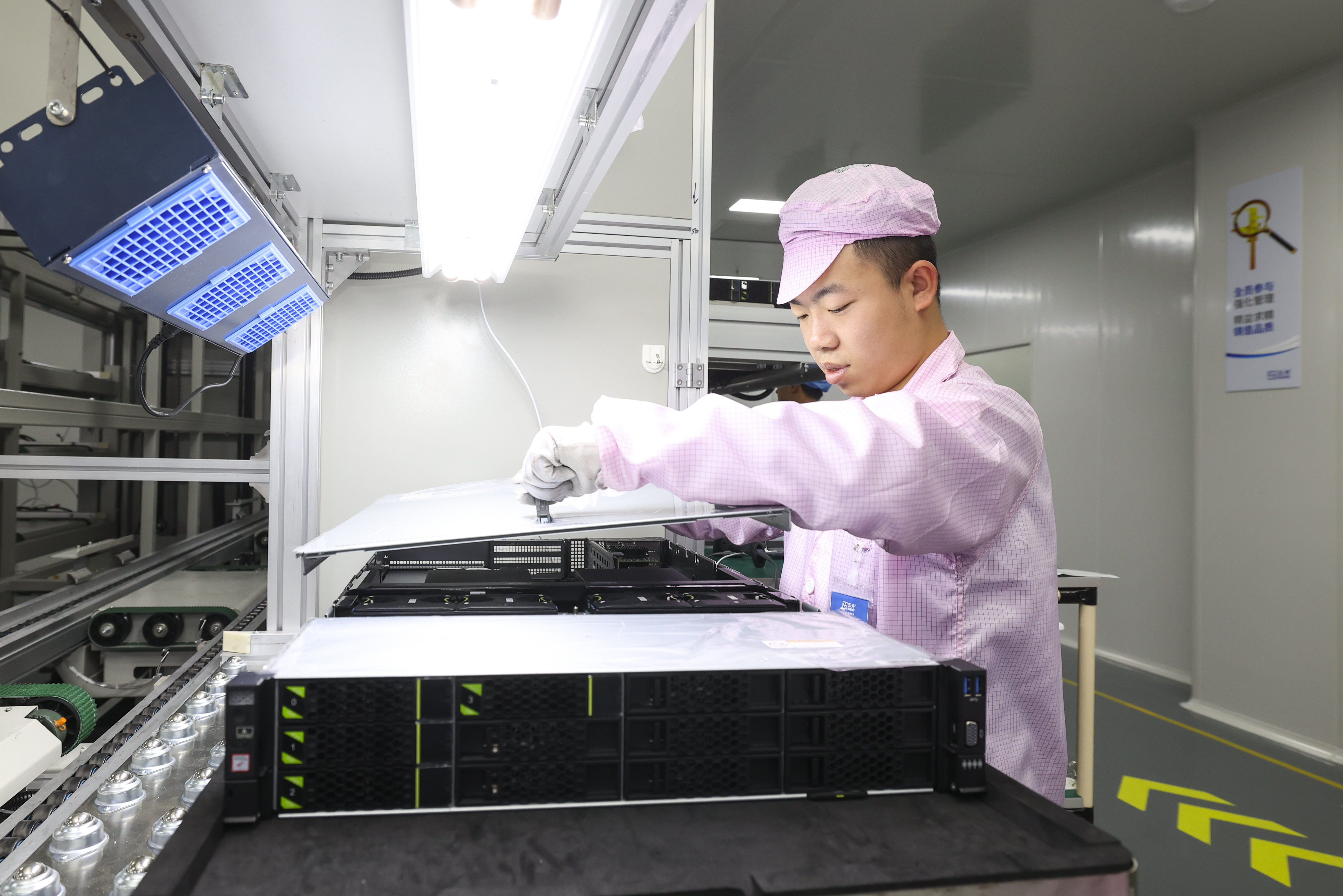
As a leading hardware system integrator and specialized thermal management components supplier, CoreByte Storage Technology Co., Ltd. has structured its operation to guarantee strict alignment with global enterprise needs. Built upon an ISO9001-based quality management foundation, CoreByte implements modern manufacturing checks including Automated Optical Inspection (AOI) and custom high-temperature environmental aging tests to verify structural integrity and prevent long-term component degradation. With our robust team of 85 R&D engineers, we customize PCB designs, optimize signal routing, and tune heatsink structures to align perfectly with custom server chassis and compute workloads.
Examining how high-performance TIMs operate within specialized regional markets, industrial applications, and next-generation product lifecycles.
Different markets present distinct mechanical, chemical, and atmospheric environments that demand highly specialized TIM profiles:
As silicon packaging advances into 2.5D and 3D chiplet configurations, conventional TIMs face severe limitations. The research and engineering roadmap at CoreByte focuses on three key future initiatives:
How CoreByte leverages Shenzhen’s integrated manufacturing ecosystem and over 1,200 supply chain partners to guarantee speed, consistency, and compliance.
CoreByte's location in China’s advanced electronics manufacturing cluster grants us access to a highly integrated logistics and raw material supply chain. Our partnerships with over 1,200 verified vendors allow us to rapidly source key materials like synthetic graphite precursors, high-purity silicon polymers, and custom metallic fillers. This tight integration ensures that our factory can quickly ramp up production and manage pricing fluctuations, giving our global clients a significant cost advantage.
Through close coordination with local logistics hubs and international shipping networks, CoreByte manages seamless transport corridors to North America, Europe, Southeast Asia, and the Middle East. By maintaining large buffer stocks of critical materials, we protect our clients against global shipping delays and material shortages, providing a reliable supply chain under any market conditions.
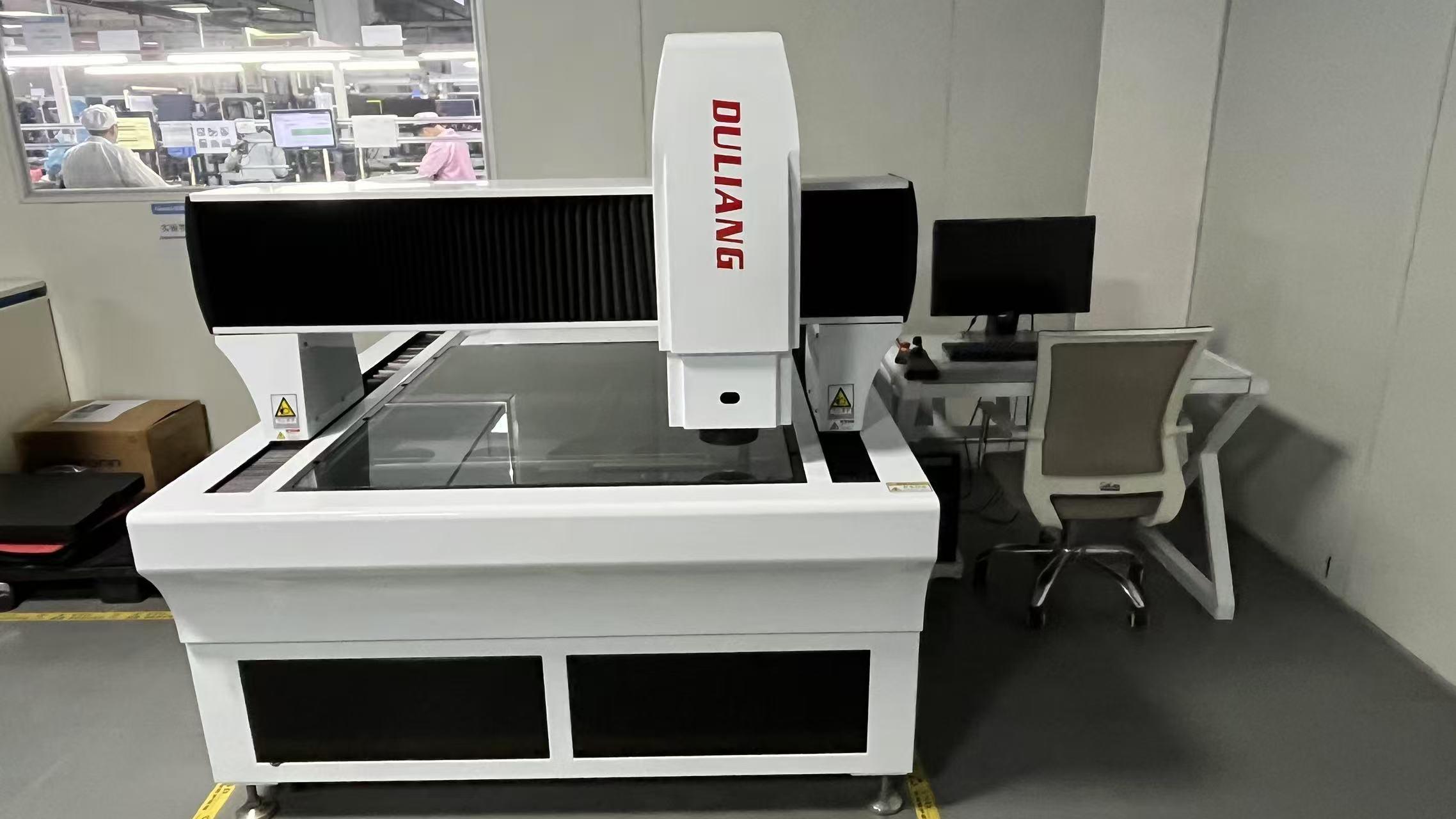
Ensuring absolute alignment with international environmental regulations, quality systems, and regional supply chain expectations.
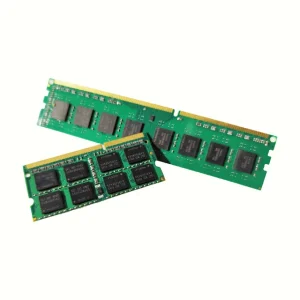
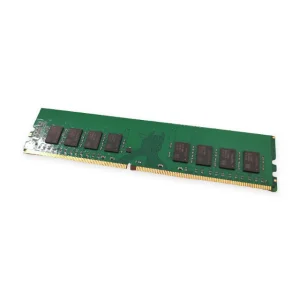
All memory modules, printed circuits, and heatsink solutions exported by CoreByte strictly adhere to global environmental and safety compliance certifications. We verify that our thermal compounds and components are lead-free and fully certified under RoHS (Restriction of Hazardous Substances) and REACH (Registration, Evaluation, Authorisation and Restriction of Chemicals) guidelines. This compliance prevents field failures, eliminates environmental liabilities, and guarantees clean customs clearance in highly regulated regions like Europe and North America.
Additionally, our products meet UL 94-V0 flammability ratings, which ensures that all plastics, gap pads, and PCBs are self-extinguishing. This is a critical requirement for installations in enterprise datacenters and automotive control units. Our global service network provides engineering support, assistance with material selection, custom cuts, and thermal analysis to help you integrate these components smoothly into your designs.
Get answers to common technical questions about Thermal Interface Materials, thermal conductivity, and system integration.
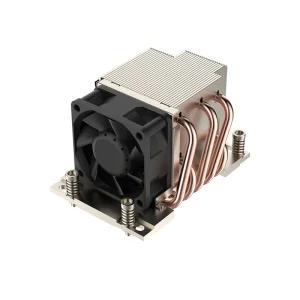
Complete your hardware deployment with CoreByte's performance-tested server processors, heatsinks, motherboards, and memory components.
 CoreByte