High-Performance Solutions for Data Centers and Industrial Applications
Decoding the 2024-2030 Roadmap for Semiconductor Storage
The global Solid State Drive (SSD) market has transitioned from a niche premium storage option to the backbone of modern digital infrastructure. As we navigate through 2024, the demand for high-capacity, high-throughput storage is being driven by the exponential growth of Generative AI (GenAI), the expansion of 5G edge computing, and the massive migration of enterprise workloads to the cloud. Current market valuations suggest a CAGR of over 15% through 2030, with enterprise SSDs taking a significant share of the value chain.
Supply chain resilience has become the top priority for global procurement officers. The concentration of NAND Flash production in East Asia (specifically South Korea, Japan, and China) has prompted a strategic shift toward localized "buffer hubs." Leading suppliers like CoreByte Storage Technology have optimized their production to bridge the gap between raw NAND availability and the specialized needs of OEM system integrators.
CoreByte Storage Technology Co., Ltd. stands as a beacon of excellence in the memory and storage sector. Since our inception in 2016, we have evolved from a specialized DRAM manufacturer into a comprehensive provider of storage solutions for global OEM, enterprise, and data center applications.
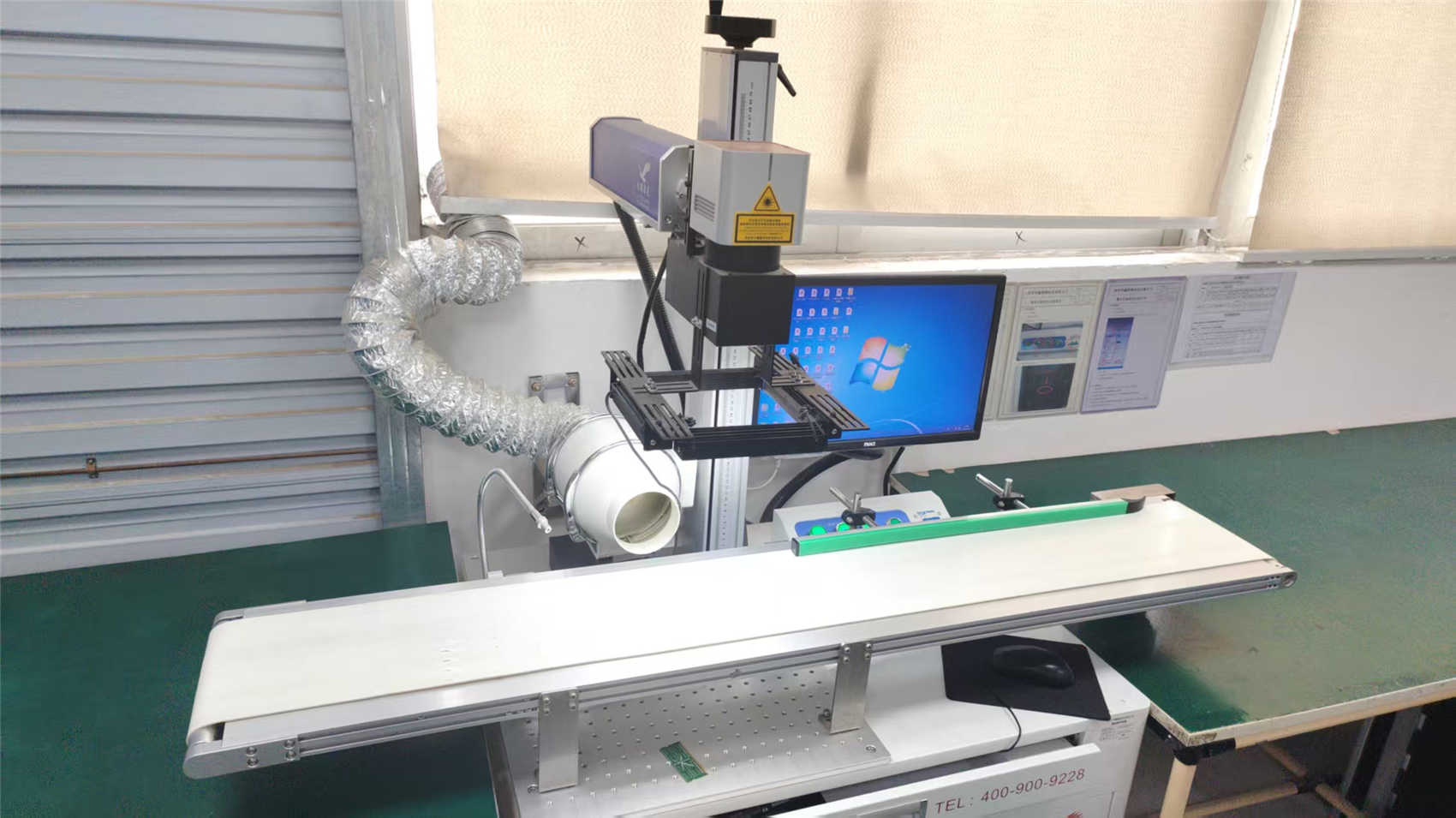
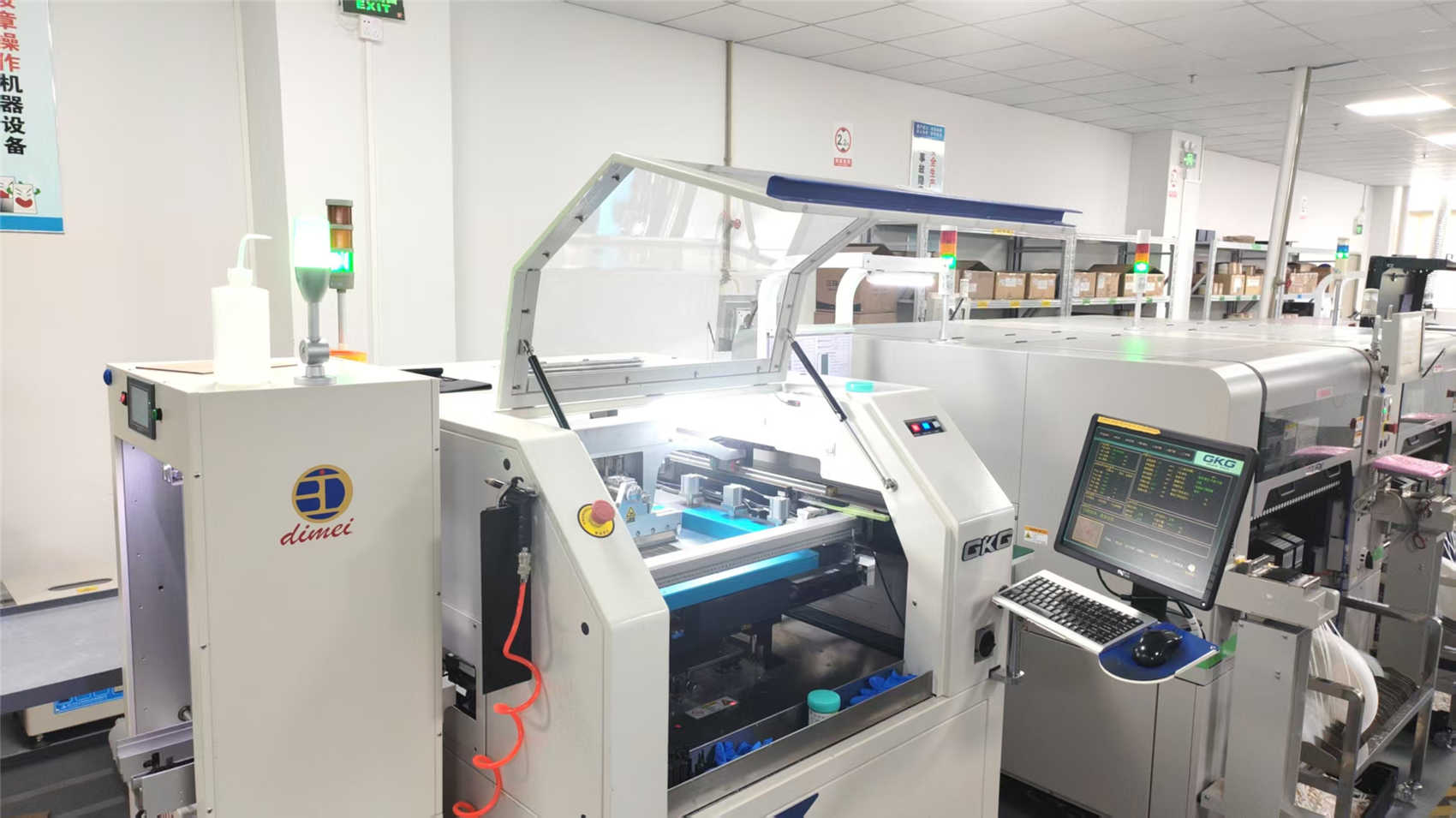
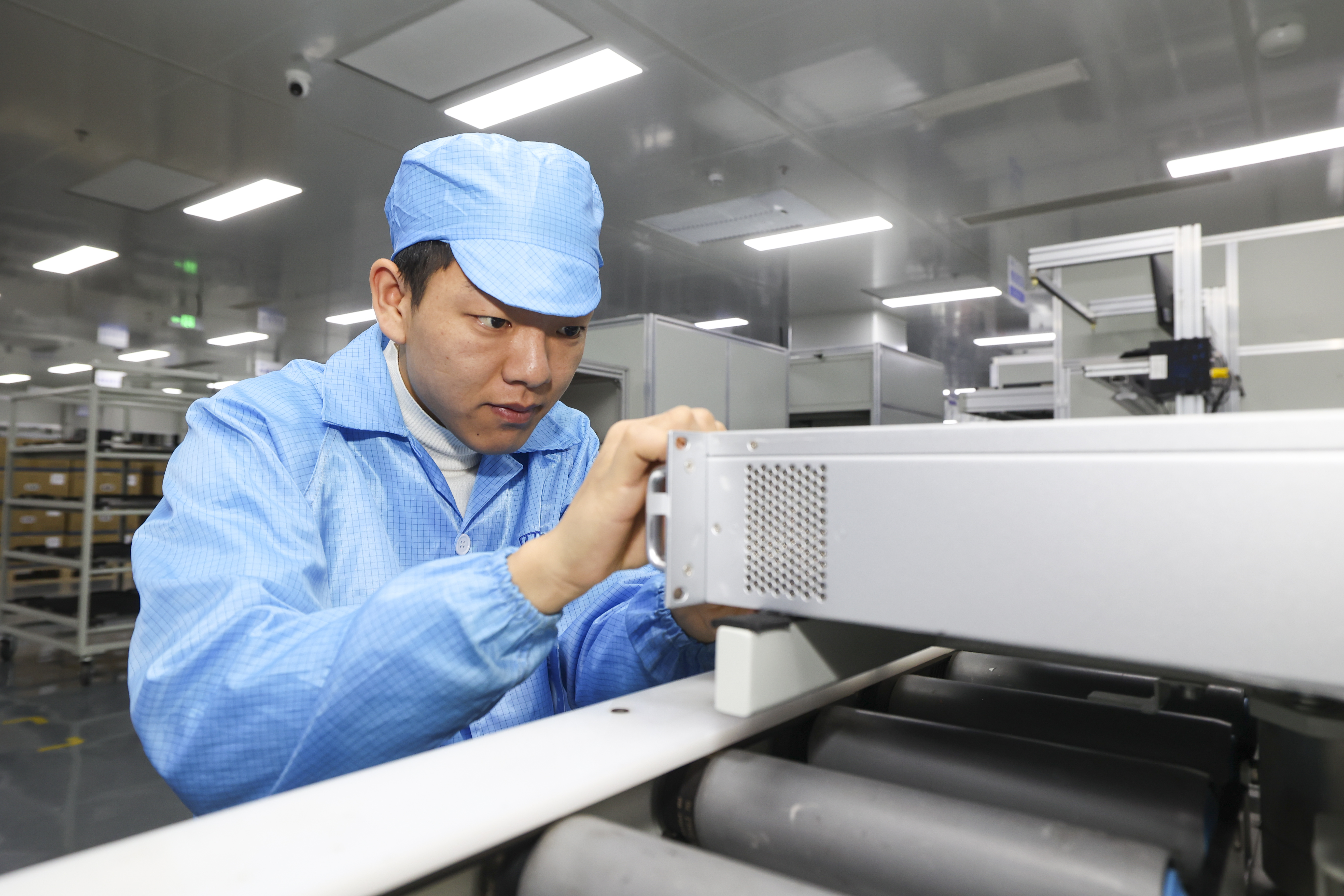
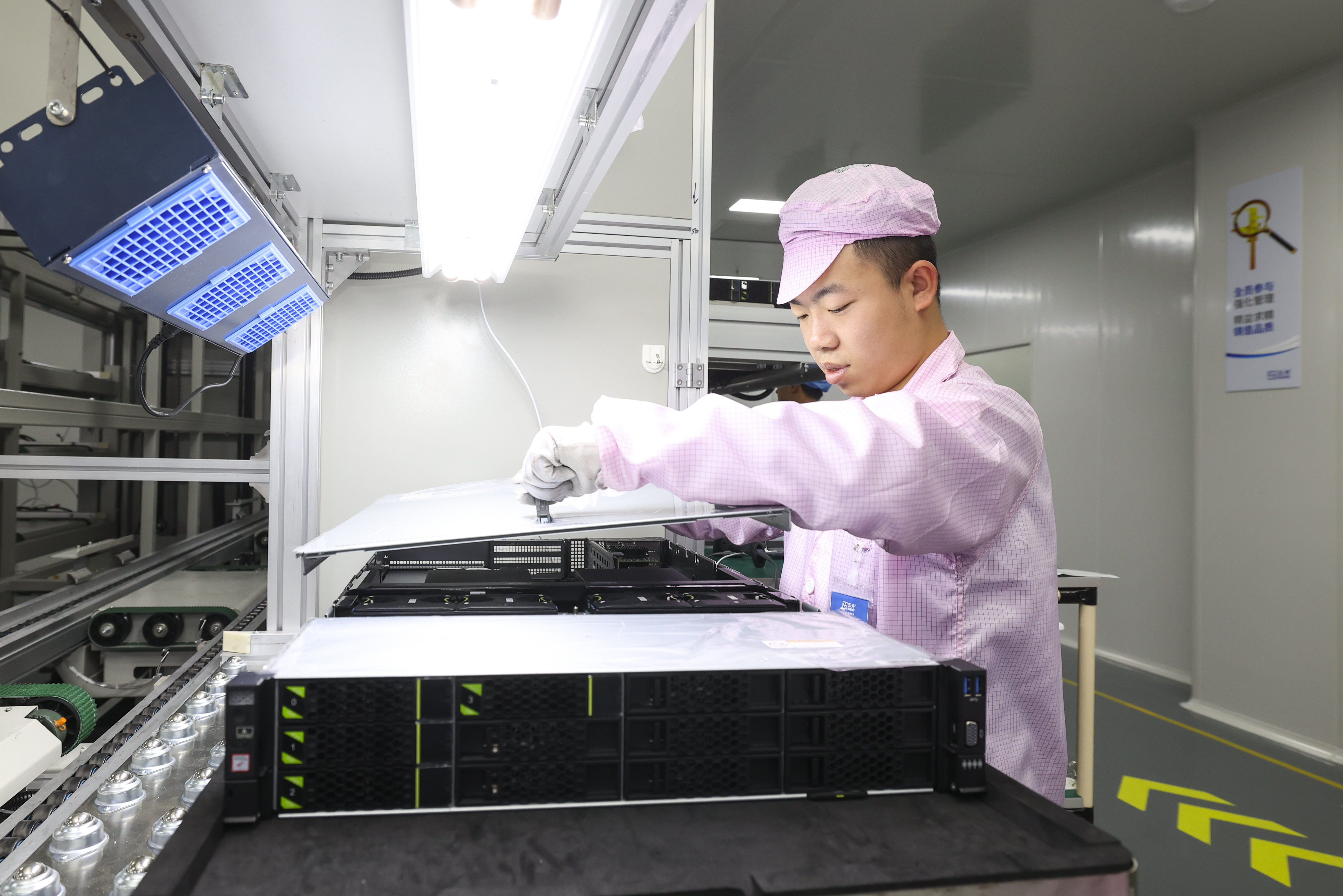
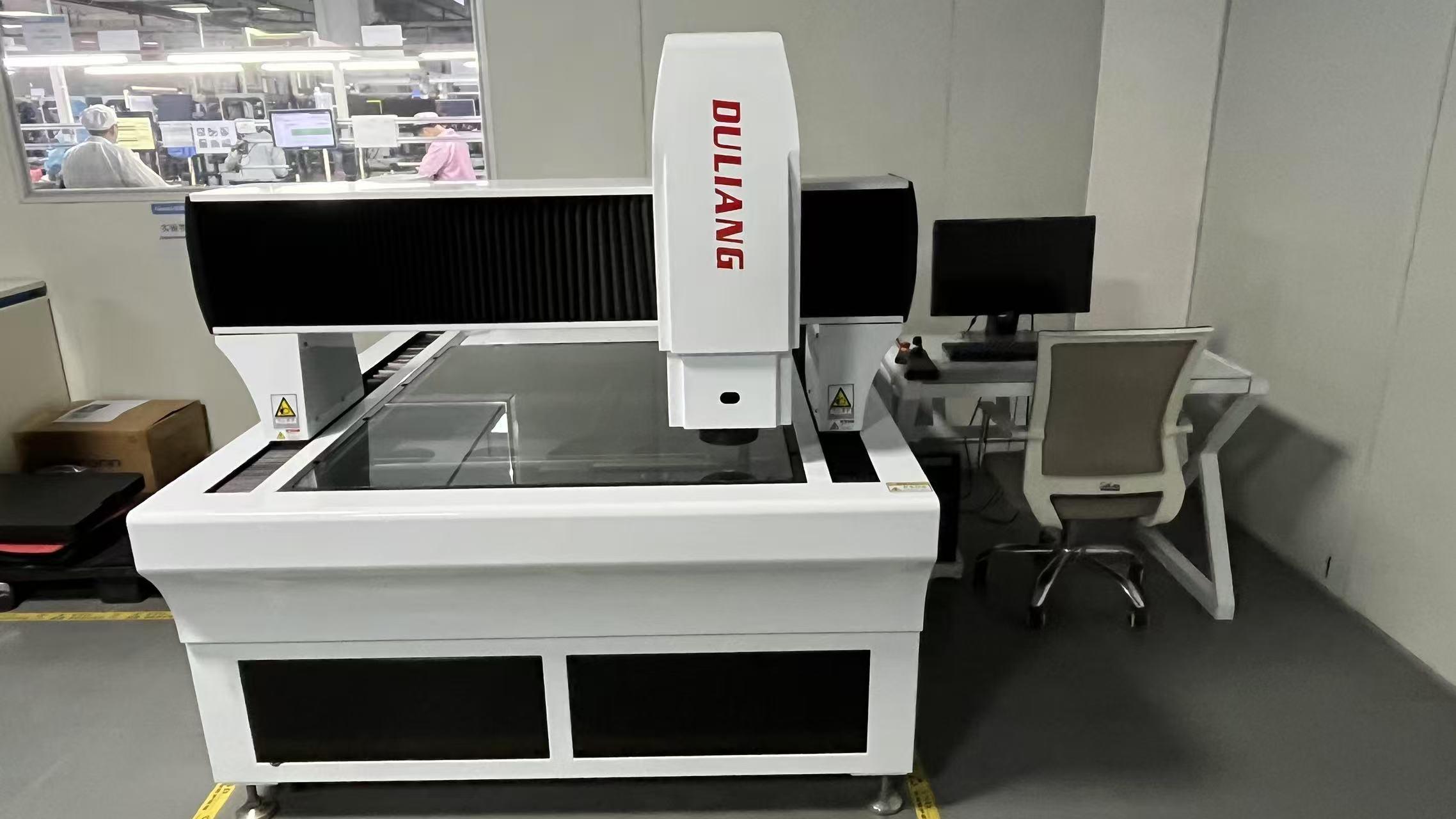
Operating out of a high-tech facility, our company integrates the entire value chain—from R&D and advanced SMT production to international trade. With 9 years of industry expertise and an annual export revenue of USD 12 million, we are positioned as a "Quality-First" supplier for high-demand markets in North America, Europe, and Southeast Asia.
Tailored Storage Architectures for Every Vertical
NVMe Over Fabrics (NVMe-oF) solutions for low-latency cloud scaling.
High-bandwidth PCIe 5.0 SSDs to feed GPU clusters.
Wide-temperature range (-40°C to 85°C) and vibration resistance.
BGA SSDs for ADAS systems and IVI infotainment units.
The roadmap for Solid State Drives is moving toward Compute Express Link (CXL) integration. As memory and storage boundaries blur, CXL allows for memory pooling, significantly reducing the bottleneck in AI training. Furthermore, the transition to QLC (Quad-Level Cell) NAND with sophisticated error correction (LDPC) is enabling 100TB+ drives in a standard 2.5-inch form factor, revolutionizing high-density storage arrays.
Ensuring Reliability Across Borders
Leveraging 1,200+ supply chain partners to ensure DDP/DAP delivery across 50+ countries with minimal lead times.
Full adherence to CE, RoHS, FCC, and REACH standards, ensuring your products meet local environmental and safety laws.
24/7 technical support for system integrators, including firmware customization and FAE (Field Application Engineering) services.
Expert Insights into SSD Procurement & Technology
Enterprise SSDs feature Power Loss Protection (PLP), higher DWPD (Drive Writes Per Day) ratings, and optimized firmware for sustained random workloads, whereas consumer drives focus on burst performance.
We perform rigorous AVL (Approved Vendor List) testing on platforms from Dell, HPE, Inspur, and Supermicro to ensure 100% BIOS/UEFI compatibility.
NVMe 2.0 introduces the "Rotational Media" support and improves the "Zoned Namespaces" command set, allowing for more efficient data management and longer NAND lifespan.
Yes, our team of 85 R&D engineers specializes in custom PCB layout, thermal solution adjustment, and frequency tuning to meet specific industrial dimensions.
We maintain an industry-low failure rate (AFR < 0.5%). For any issues, we provide a replacement-first policy for our long-term strategic partners.
It significantly lowers the cost per GB and allows for higher capacity drives (up to 32TB in U.2 form factors) without increasing the physical footprint of the server.
Explore our full range of semiconductor and cooling solutions
 CoreByte