Explore our high-performance memory modules, heavy-duty cooling modules, and integrated hardware designs engineered to meet exact industrial standards.
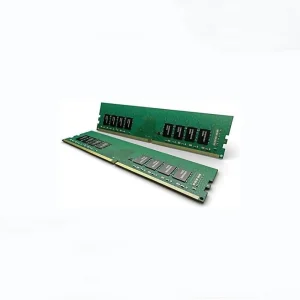
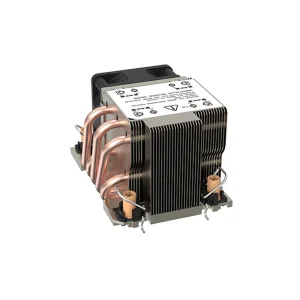
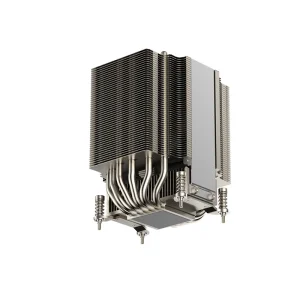
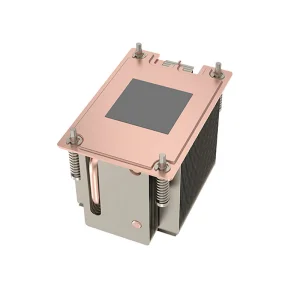
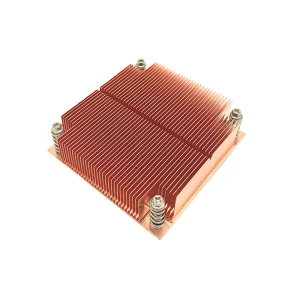
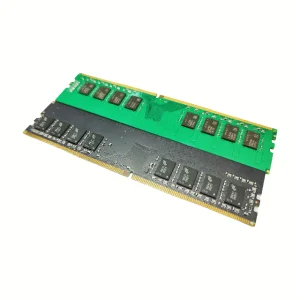
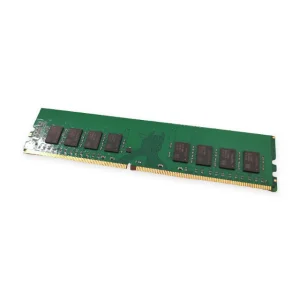
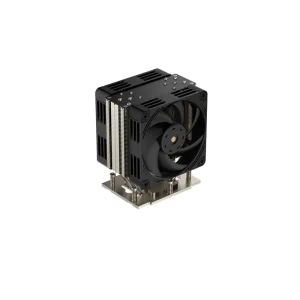
In an era defined by ubiquitous digital transformation, high-performance, and low-latency portable computing have transitioned from a luxury to an absolute necessity. Laptop RAM, particularly in SO-DIMM and advanced LPDDR formats, serves as the critical bridge between silicon processors and dynamic data workloads. From field-deployed geological testing devices to enterprise-grade mobile workstations running machine learning models, memory modules dictate the system's real-world throughput, thermal performance, and long-term durability.
As global supply chains navigate complex geopolitical landscapes and localized silicon constraints, industrial buyers, OEM manufacturers, and system integrators require more than off-the-shelf components. They demand customizable DRAM solutions designed for continuous operational cycles under challenging thermal profiles. The integration of high-bandwidth memory within notebooks has reshaped how corporate fleets, edge computing centers, and medical computing applications are deployed globally, shifting the baseline requirement from mere capacity to signal integrity and energy efficiency.
"The shift toward high-speed DDR5 SO-DIMM and custom on-module ECC is transforming industrial mobile architecture. The modern memory module is no longer just a passive array of storage gates; it is a critical system controller managing power distribution and error mitigation on the fly."
The global memory industry is experiencing a profound transition from legacy DDR4 standards to high-bandwidth DDR5 architecture. DDR5 brings dual-channel sub-channels within a single physical module, doubling the peak transfer rate while operating at a lower nominal voltage of 1.1V compared to DDR4’s 1.2V. Additionally, the introduction of Power Management Integrated Circuits (PMIC) directly onto the memory PCB shifts power routing away from the motherboard, enabling finer voltage control and reducing motherboard design complexity.
Furthermore, the rise of the "AI PC" demands a massive leap in localized RAM bandwidth. Edge-deployed Large Language Models (LLMs) and local image generation algorithms rely heavily on system RAM when dedicated VRAM is exhausted. Consequently, systems are pushing the boundaries of SO-DIMM form factors, paving the way for next-generation form factors like CAMM2 (Compression Attached Memory Module). This design drastically reduces thickness and optimizes high-speed signal pathways, directly addressing the space limitations of thin-profile industrial laptops.
Established in 2016, CoreByte Storage Technology Co., Ltd. is a professional DDR5 memory and DRAM solution manufacturer specializing in high-performance memory modules for global OEM, enterprise, and data center applications.
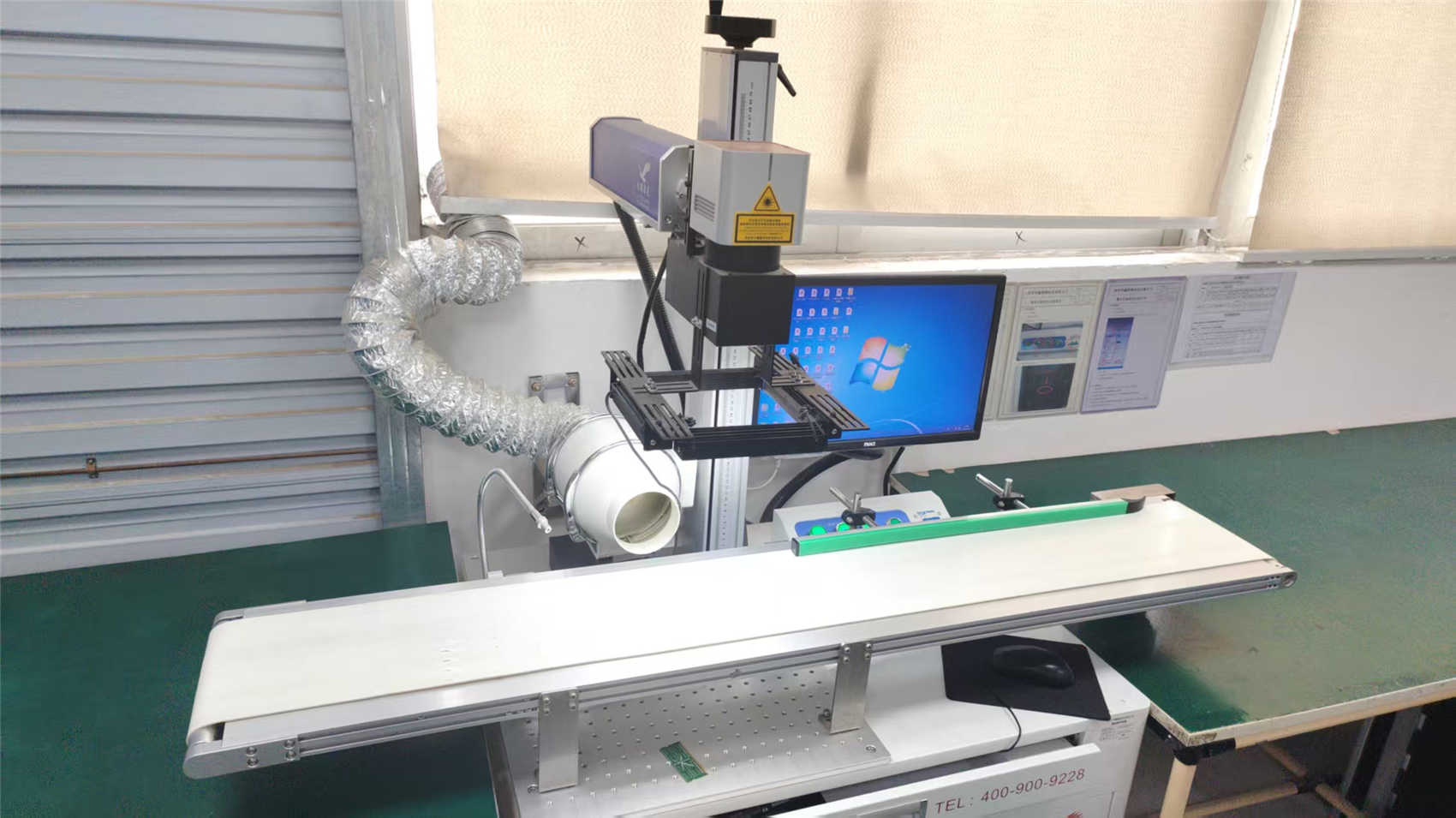
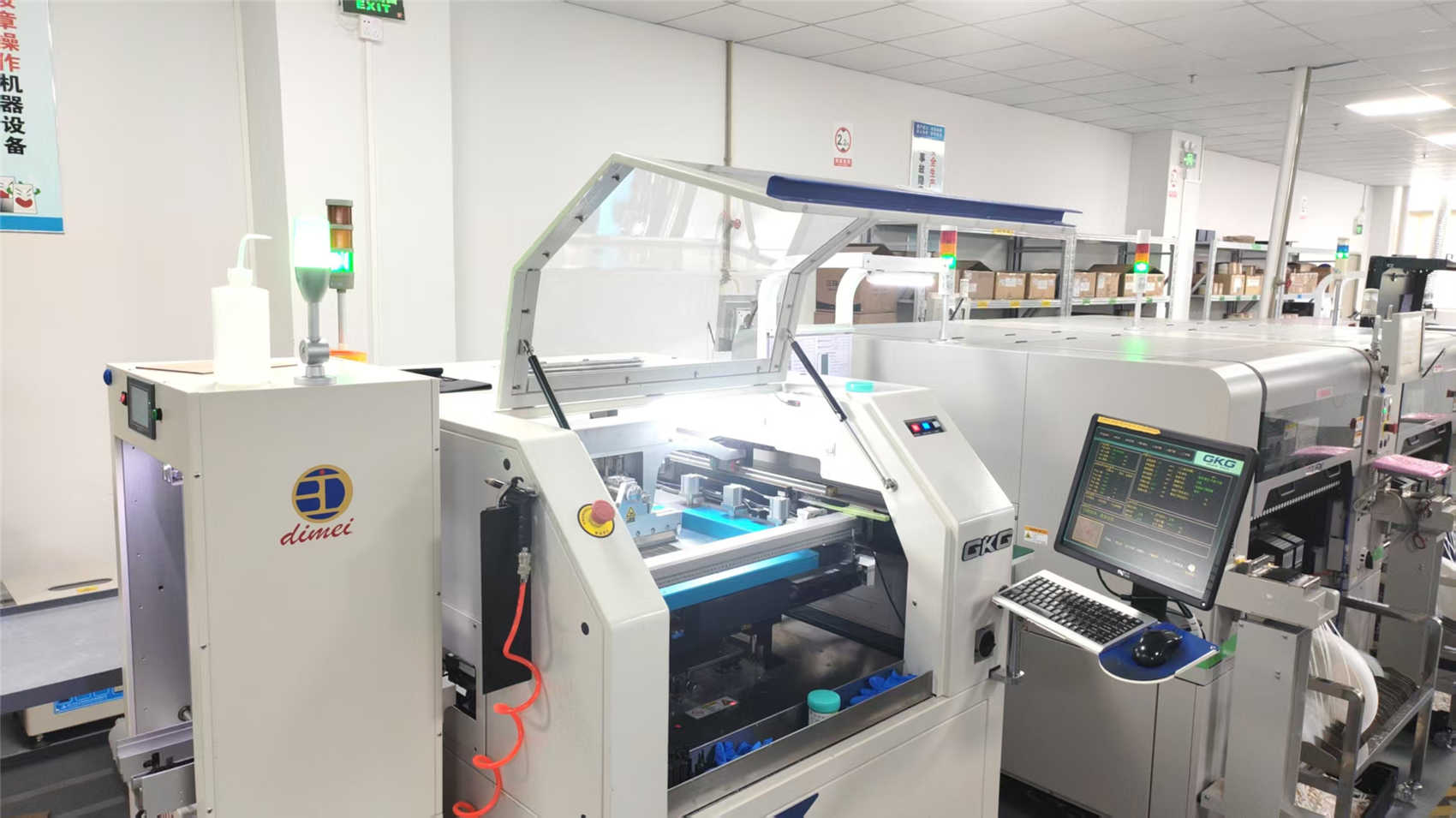
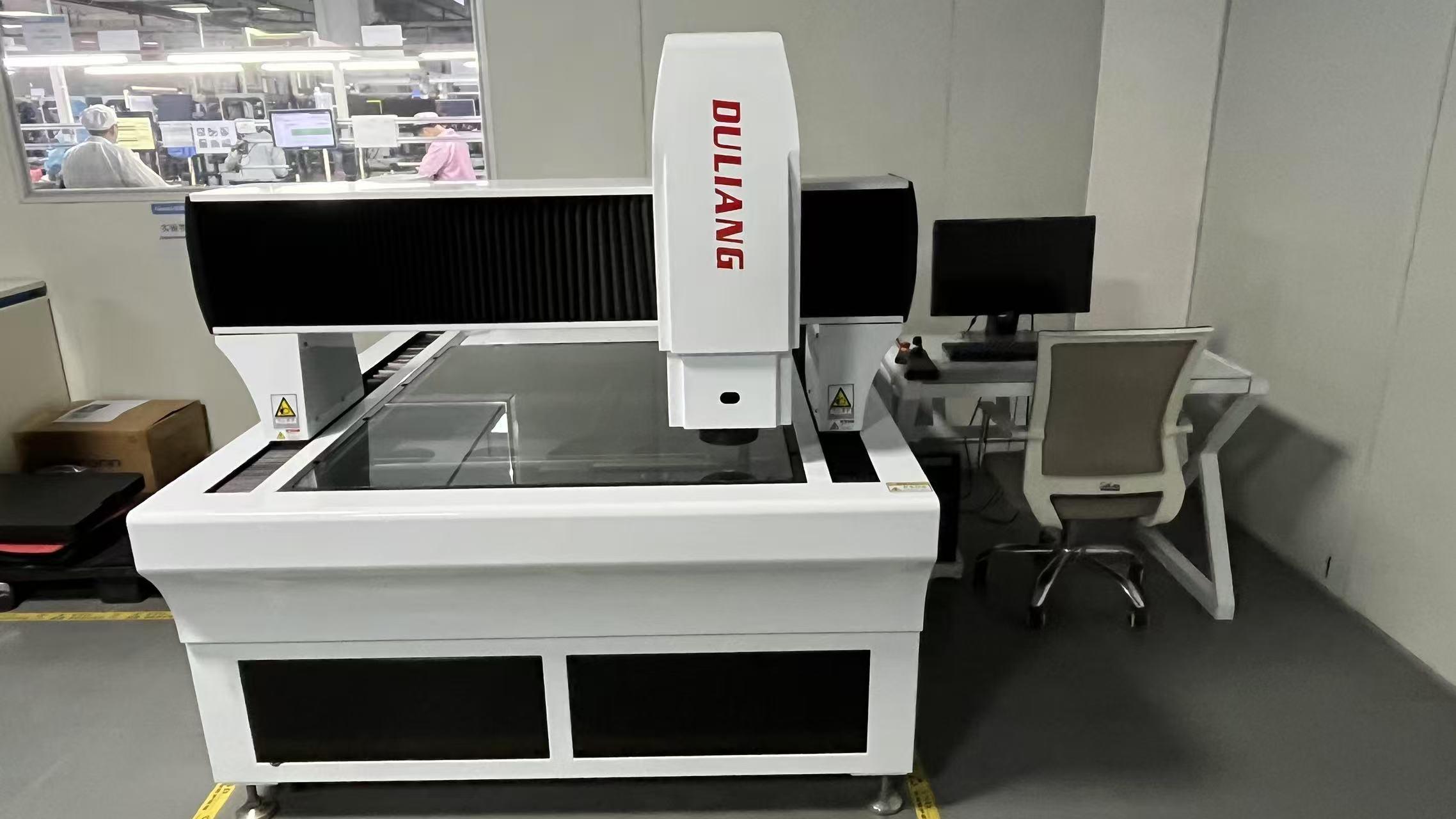
We operate a modern manufacturing facility with a total building area of approximately 320㎡, equipped with advanced surface-mount technology (SMT) and automated testing instrumentation. Quality assurance is our core priority. We implement strict ISO9001-based quality management systems, combined with automated optical inspection (AOI) and high-temperature environmental aging chambers to ensure product stability, board-level compatibility, and zero-defect deployments under real-world stress.
With over 9 years of industry experience in memory and semiconductor-related designs and 6 years of export experience, CoreByte maintains an annual export revenue of around USD 12 million. We serve key global markets including North America, Europe, Southeast Asia, and the Middle East, supporting more than 1,200 supply chain partners to ensure fast delivery cycles and raw component procurement security.
Our primary clients include OEM system integrators, server manufacturers, industrial computer brands, and data center solution providers. Armed with 85 dedicated R&D engineers, we launch approximately 120 new product models annually to match evolving industry requirements.
We offer advanced customization services including custom PCB layouts, specialized SPD frequency and timing profiles, thermal spreader integrations, and bespoke branding solutions, assuring seamless integration with proprietary hardware ecosystems.
A deep dive into upcoming specifications, signal integrity, and the physical engineering powering next-generation mobile memory modules.
One of the most critical upgrades in the transition to DDR5 technology is the introduction of on-die Error Correction Code (ECC). Unlike traditional system-level ECC (which requires an extra DRAM chip to store parity data and a supporting CPU memory controller), on-die ECC performs bit-error correction inside the DRAM IC itself before transmitting the data to the CPU. This features mitigates single-bit failures within increasingly dense silicon structures, ensuring high reliability even under prolonged operations.
For industrial mobile workstations, however, CoreByte also engineers sideband ECC (often referred to as true ECC SO-DIMMs). This architecture features extra physical memory chips to protect data during transmission across the system bus, resolving the silent data corruption issues that plague mission-critical finance, aerospace, and telemetry laptops.
As laptop chassis become thinner, heat dissipation becomes the primary constraint governing sustained memory write speeds. When memory temperatures exceed 85°C, standard DRAM units trigger thermal throttling, decreasing bus frequency to prevent cell charge leakage. CoreByte addresses this design hurdle by pairing premium high-thermal-conductivity copper/graphene heat spreaders with custom PMIC programming.
By separating the thermal zone of the PMIC from the memory arrays, our customized layouts maintain uniform temperature distribution across the PCB. This engineering discipline prevents hot spots, allowing DDR5 modules to maintain stable 4800MHz to 5600MHz speeds even under restricted airflow conditions.
Providing reliable performance across rugged environments, defense systems, and high-compute enterprise fleets.
The reliability of custom OEM memory modules starts with component-level screening. We only source high-grade DRAM dice from Tier 1 semiconductor foundries, ensuring uniform silicon composition. Our manufacturing processes utilize precision Automated Solder Paste Inspection (SPI) alongside multi-axis Automated Optical Inspection (AOI) systems to analyze the alignment and volume of solder joints on every passive component, PMIC, and DRAM chip.
To satisfy defense and heavy industrial standards, we implement systematic high-temperature dynamic burn-in tests. By placing modules under thermal stress (reaching temperatures up to 100°C) while running continuous memory diagnostic scripts, we successfully screen out early-life failures (infant mortality) before final export, guaranteeing a failure rate of less than 0.05% in the field.
No two hardware platforms are identical. Our 85-strong R&D engineering department specializes in solving integration friction. We customize SPD (Serial Presence Detect) firmware to match non-standard system clocks, set customized CL latency settings, and adjust sub-timings for legacy chipsets.
Furthermore, we offer physical customization options, including thick gold plating (30u") on connection contacts for corrosion protection in marine or tropical environments, and custom printed circuit board (PCB) thickness variations to ensure secure mechanical seating in high-vibration applications.
Answers to critical technical, sourcing, and customization questions from industrial system integrators and procurement leads.
On-Die ECC is a standard feature built into all DDR5 memory chips, correcting errors only within the chip itself to improve yield rates at advanced manufacturing nodes. Sideband (or System-level) ECC requires an extra DRAM chip on the SO-DIMM PCB (making it a 72-bit wide bus instead of 64-bit) and CPU memory controller support. It corrects errors during data transmission over the system bus, providing the high-level system stability required for mission-critical medical, financial, and industrial workstations.
Our 85-strong R&D team performs extensive motherboard validation testing across various Intel, AMD, and ARM-based platforms. We specialize in custom SPD profile flashing, allowing us to tweak Latency (CL), voltage profiles, and signal drive strength. This prevents booting errors and timing conflicts in non-standard BIOS environments.
Yes. We offer parylene or acrylic conformal coatings on our custom laptop memory modules to protect them from moisture, salt spray, airborne contaminants, and thermal shock. This is ideal for laptops and edge devices used in military, marine, or chemical processing environments.
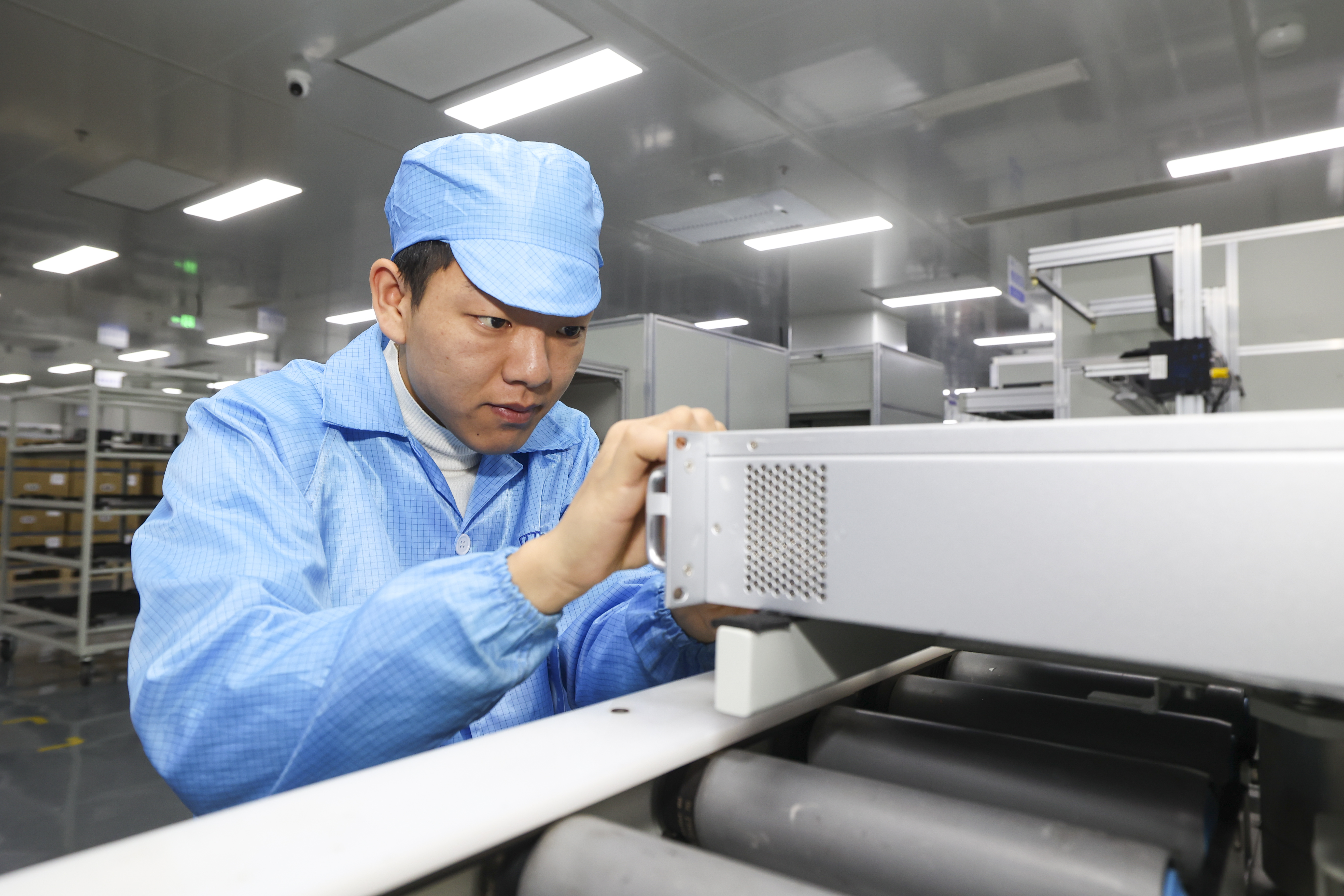
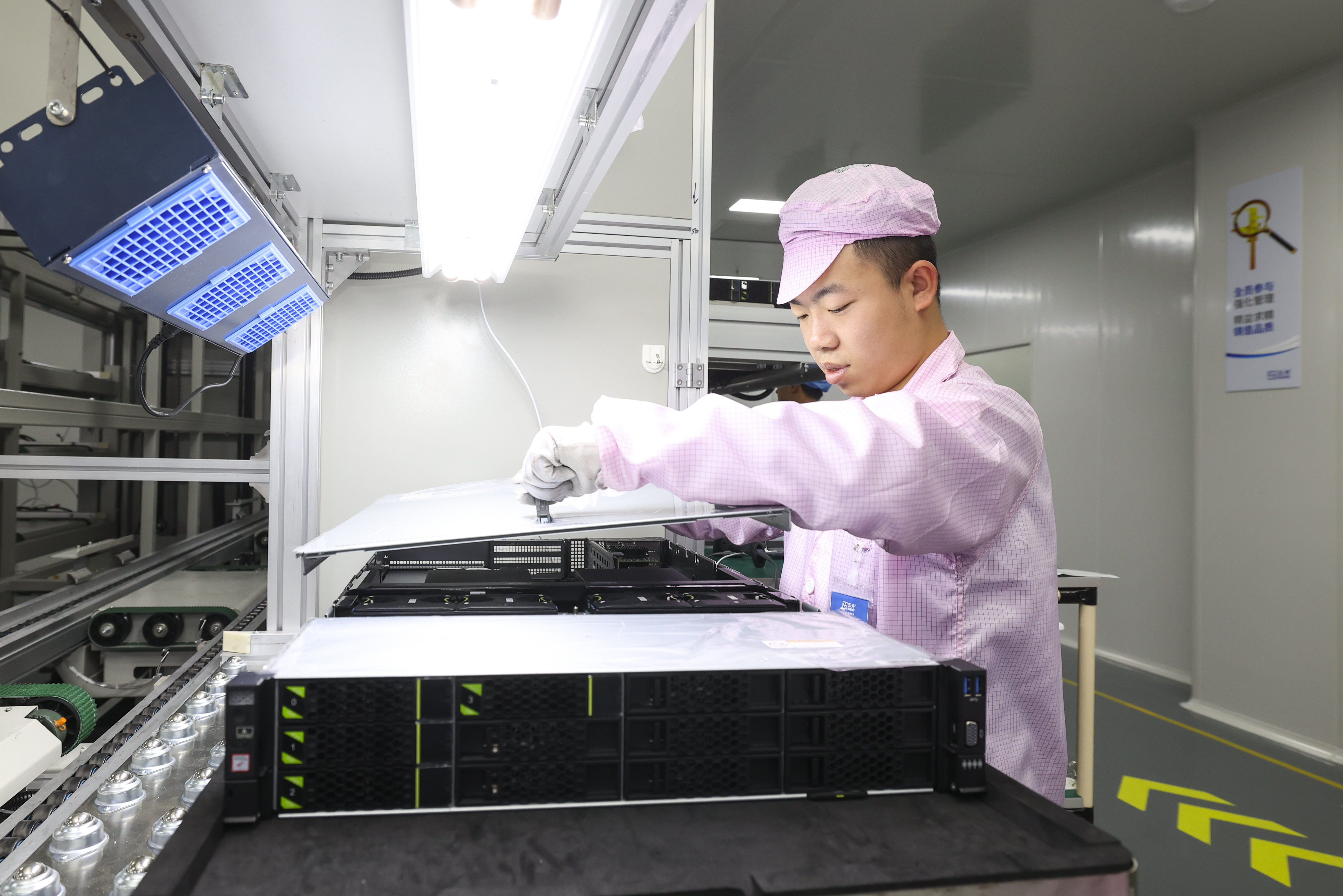
Our 45-inspector quality control team uses a multi-stage validation methodology. First, we perform Automated Optical Inspection (AOI) to check all SMT points. Second, we execute high-temperature dynamic burn-in testing inside environmental aging rooms. Finally, we conduct compatibility tests on physical target systems running strenuous diagnostic software to verify zero-error runs over extended periods.
High-capacity active cooling modules, professional server water cooling solutions, and specialized PCB designs for computing infrastructure.
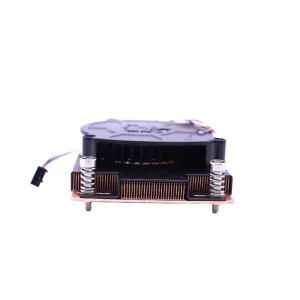
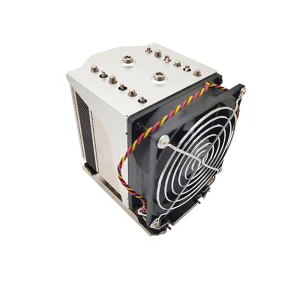
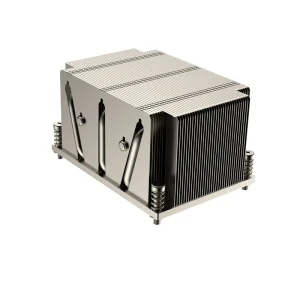
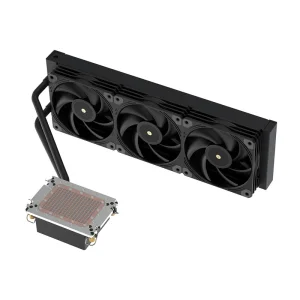
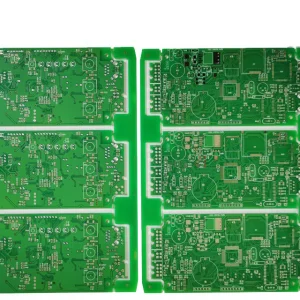
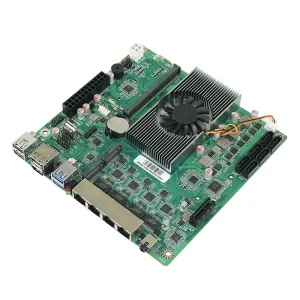
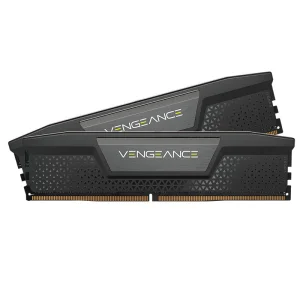
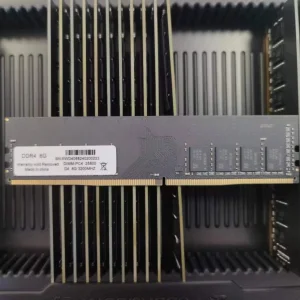
Inside CoreByte’s specialized production zones: checking product stability, packaging integrity, and SMT assembly quality.
 CoreByte