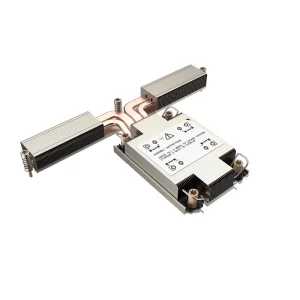
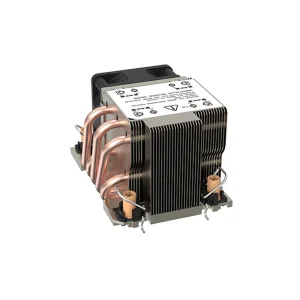
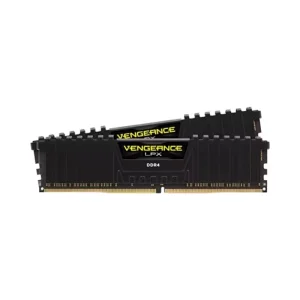
Explore our leading OEM solutions, components, and hardware architectures optimized for reliability and speed.
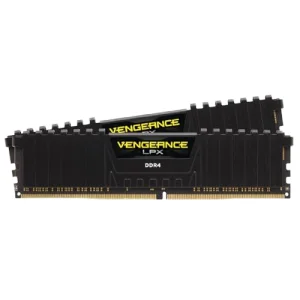
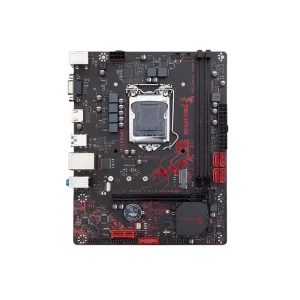
A Comprehensive Guide to CE-Certified Semiconductor Sourcing, Architecture Evolution, and Engineering Quality Control.
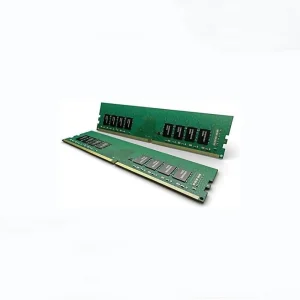
The global demand for high-performance Desktop RAM Memory Modules has entered a phase of exponential expansion. Powered by the proliferation of Artificial Intelligence (AI) workloads, big-data modeling, and real-time processing requirements, system memory is no longer viewed merely as a storage buffer but as a critical path execution component. With standard computing applications scaling from basic text operations to complex neural network simulations, memory architecture bottlenecks represent the primary barrier to processor utilization.
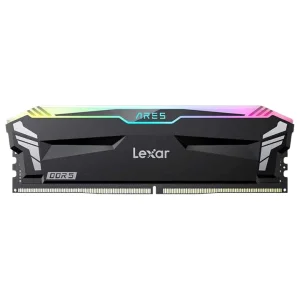
Furthermore, the industry is witnessing a significant hardware paradigm shift: the structural transition from legacy DDR4 double data rate memory to high-bandwidth, energy-efficient DDR5 SDRAM solutions. DDR5 brings native dual 32-bit subchannels, on-die ECC (Error Correction Code), and Integrated Power Management Integrated Circuits (PMICs), delivering twice the data rate of DDR4 while operating at a lower base voltage of 1.1V. For global purchasing agents, sourcing equipment that meets international standardization rules, particularly CE (Conformité Européenne) markings, is non-negotiable to maintain legal, electrical, and operational reliability across Western Europe and worldwide data infrastructures.
The CE Certification mark is a mandatory conformity marking for products placed within the European Economic Area (EEA). For semiconductor assemblies like desktop RAM and server modules, CE certification verifies compliance with key European directives:
Procuring non-CE-marked components exposes global importers to severe customs penalties, product seizures, and liability risks. Working directly with certified manufacturers like CoreByte ensures all compliance paperwork, Declaration of Conformity documents, and independent lab test reports are verified, providing a low-risk supply pipeline.
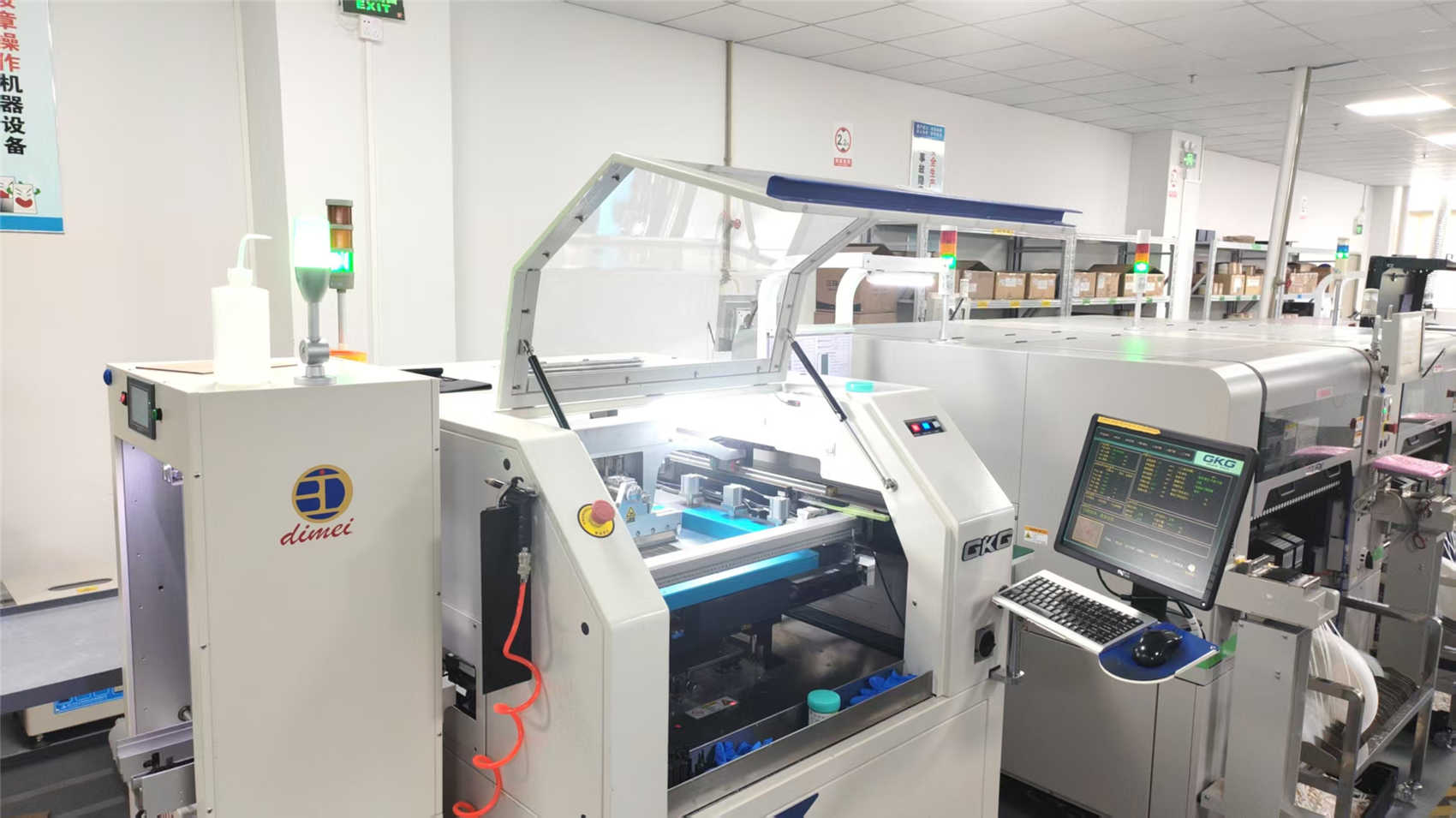
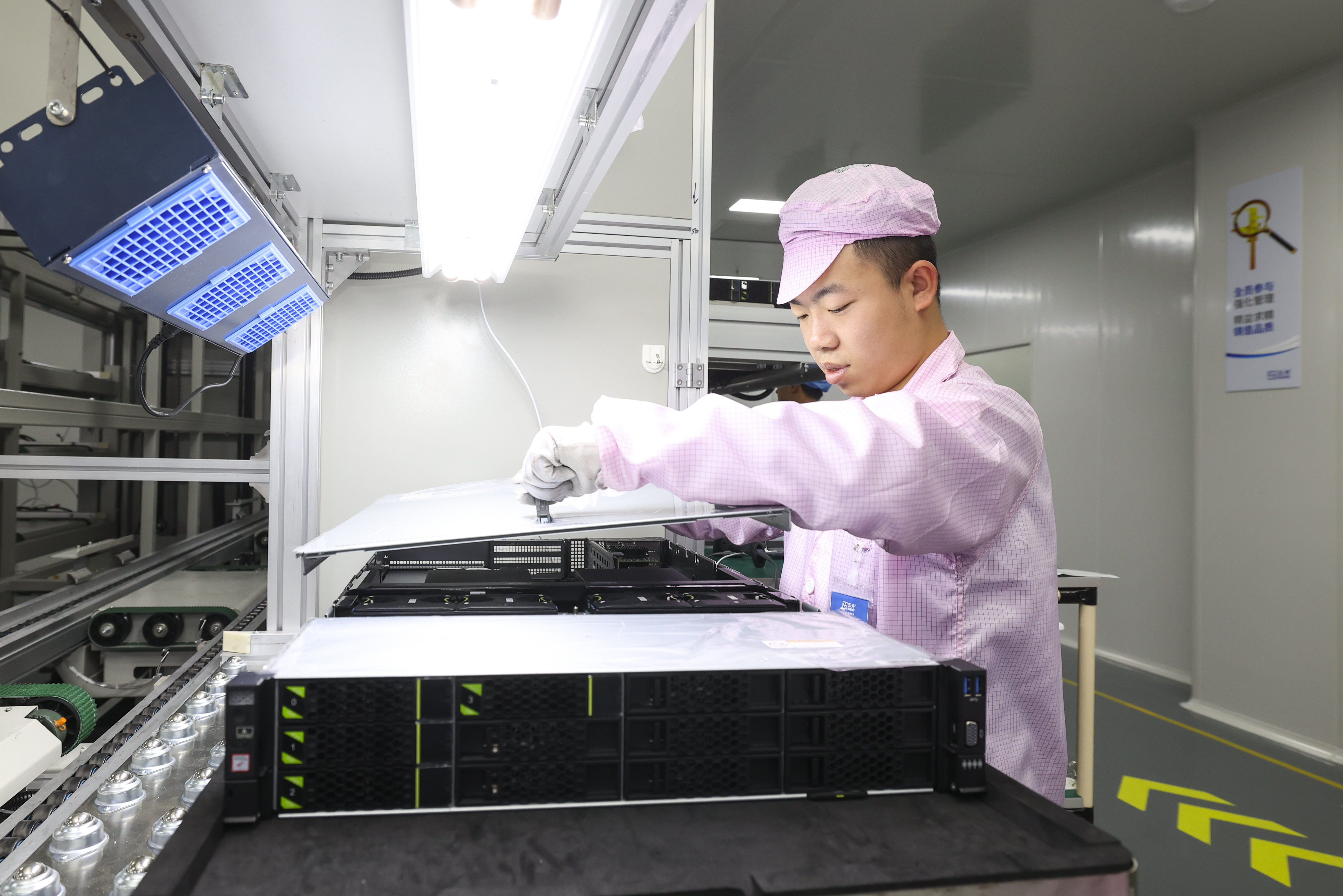
At CoreByte Storage Technology Co., Ltd., we operate a modern facility specializing in high-speed, high-density DRAM assembly. Operating under strict ISO9001-based quality management systems, our workflow guarantees precision at every stage. While our engineering prototype facility encompasses approximately 320㎡ of high-density cleanroom workspace, we utilize a massive supply chain network of over 1,200 partners to scale up mass-production capabilities dynamically.
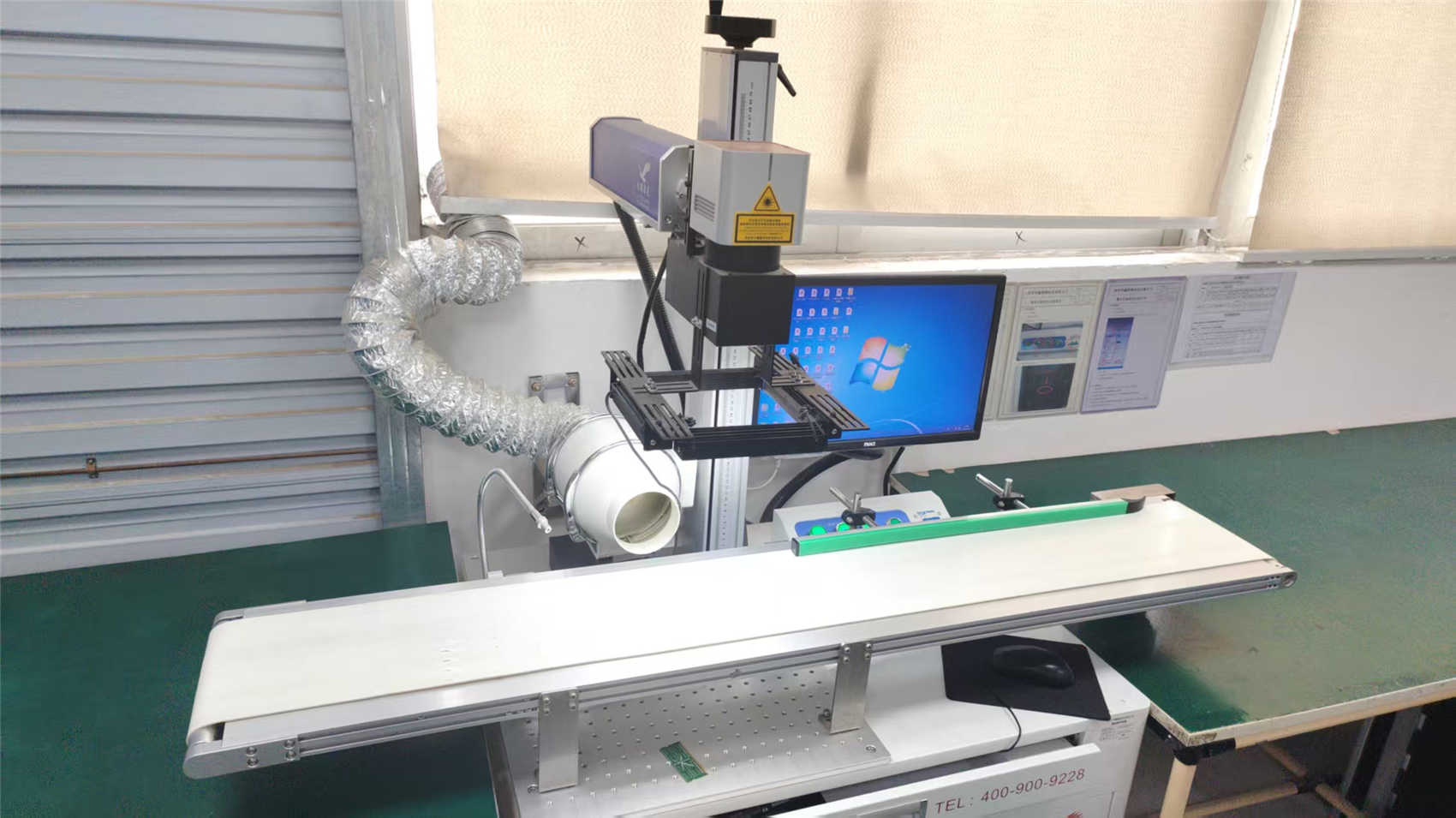
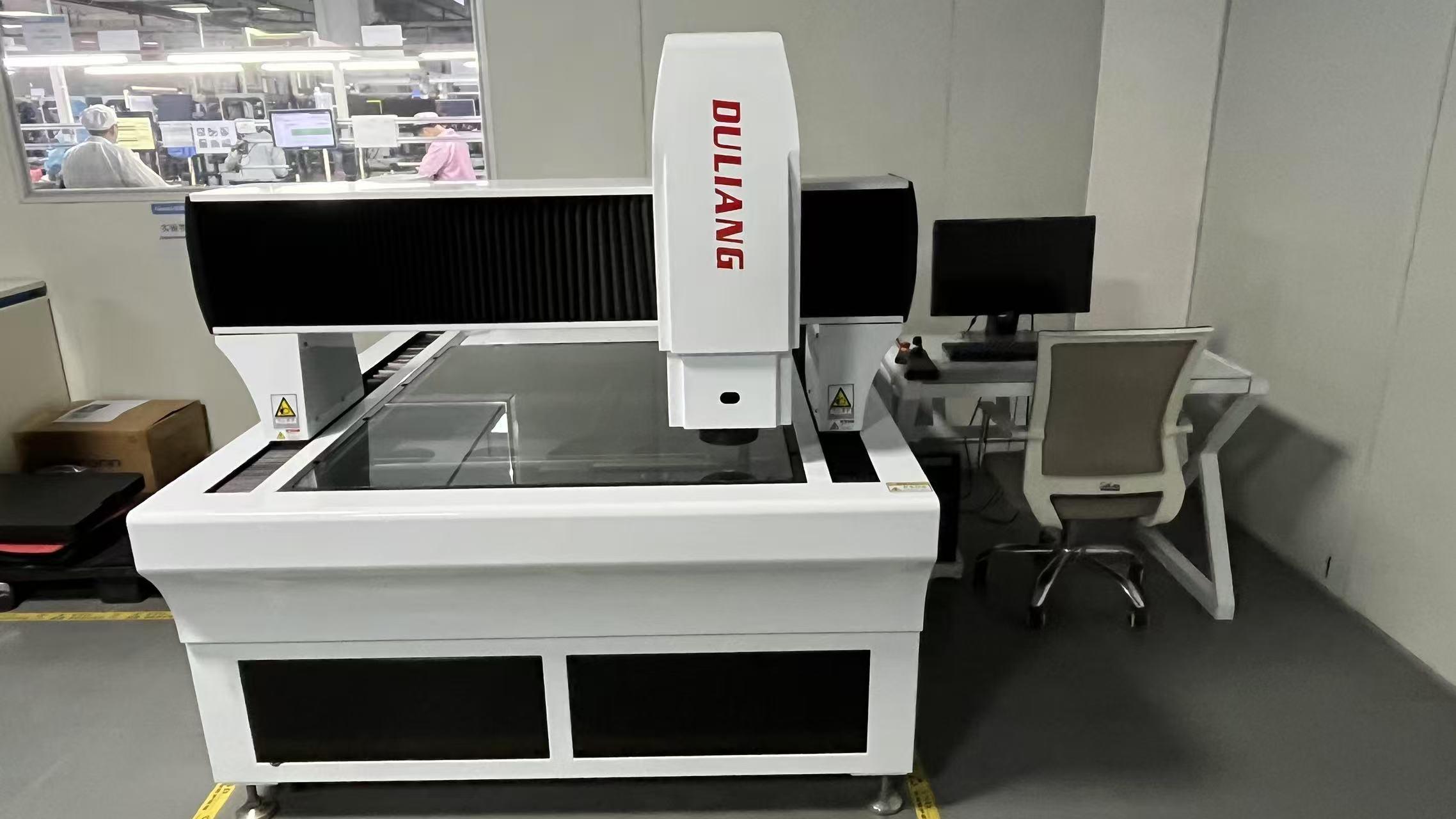
Our Quality Assurance (QA) pipeline is managed by 45 dedicated inspectors using advanced automated equipment:
Additionally, our R&D department houses 85 professional engineers who continuously optimize memory trace design on multilayer PCBs (typically 8 to 10 layers for DDR4 and up to 10 to 12 layers for DDR5). With approximately 120 new product models launched annually, CoreByte responds rapidly to compute advancements, engineering high-speed profiles (XMP/EXPO), custom thermal heat-spreaders, and ruggedized industrial specifications.
The Chinese manufacturing sector represents the world’s most integrated supply ecosystem for hardware electronics. Centered in major industrial hubs like Shenzhen and the Pearl River Delta, China’s surface-mount technology (SMT) factories provide distinct structural efficiency advantages:
"Through our strategic alignment within the Shenzhen electronics hub, CoreByte converts SMT proximity into operational velocity, shortening design-to-delivery cycles by up to 40% compared to Western competitors."
Modern computing environments require specific memory profiles tailored to distinct workloads:
| Specification Parameter | DDR4 Desktop RAM Standard | DDR5 Desktop RAM Standard | Procurement Advantage / Impact |
|---|---|---|---|
| Base Frequency | 1600MHz to 3200MHz | 4800MHz to 8400MHz+ | Substantially higher read/write throughput for multi-threaded apps. |
| Operating Voltage | 1.2V (Up to 1.35V/1.45V for overclocking) | 1.1V (Up to 1.25V/1.3V for profiles) | Reduction in power consumption; cooler run temperature. |
| Power Management | Implemented on the Host Motherboard | PMIC (On-Module Power Management IC) | Higher signal efficiency, cleaner power delivery to ICs. |
| Error Correction | Supported only via ECC-enabled modules | Native On-Die ECC (On all modules) | Enhanced bit-flip protection and overall chip reliability. |
| Channel Configuration | Single 64-bit wide data channel | Dual 32-bit subchannels per module | Optimized memory bus utilization, lower latency bottlenecks. |
For international procurers, procurement represents a delicate balance between quality assurance and cost controls. To secure clean transactions, buyers must focus on specific engineering requirements:
Answering key logistical and technical questions from international procurement managers.
Yes. We specialize in comprehensive OEM/ODM solutions, offering customized PCB design, thermal heatsink design, brand logo silk-screening, custom SPD profile parameters, and customized packaging configurations suitable for wholesale and retail systems.
Our aging test subjects 100% of the production batch to continuous memory execution programs inside specialized thermal chambers heated to 85°C for 2 to 4 hours. This screens out early semiconductor failures (infant mortality) before packaging.
We maintain a comprehensive motherboard compatibility laboratory featuring major chipsets from Intel and AMD. Every production run is tested against real-world systems to ensure the SPD profiles boot seamlessly across all leading platforms.
Yes. All our products are manufactured using lead-free SMT processes, complying with EU RoHS Directive 2011/65/EU and REACH regulations. Our CE compliance verification documents are updated and verified by third-party testing bodies.
Standard bulk orders are processed and shipped within 15 to 21 working days, depending on material inventory. Thanks to our close relationship with 1,200+ supply partners, we maintain rapid turnaround times even during component volatility phases.
Yes, we provide both standard UDIMMs, SO-DIMMs, and specialized DDR4/DDR5 ECC modules tailored for high-end workstation systems requiring maximum data accuracy and zero system crashes.
On-Die ECC resides inside the DDR5 RAM IC itself, correcting bit errors prior to transmission over the system bus. Side-band ECC requires extra memory chips on the PCB to correct errors during transmission to the CPU memory controller.
We stand behind our manufacturing quality by offering a standard 3-year limited warranty on our memory modules, backed by an efficient RMA replacement process supported by our global trade network.
Premium server cooling hardware, high-frequency PCBs, and heavy-duty memory products.
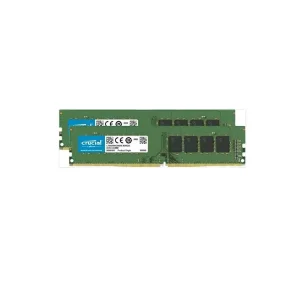
CoreByte Storage Technology Co., Ltd. is a professional DDR5 memory and DRAM solution manufacturer specializing in high-performance memory modules for global OEM, enterprise, and data center applications. Established in 2016, the company has developed strong capabilities in R&D, production, and international trade, focusing on stable, high-speed, and energy-efficient memory products.
We operate highly controlled SMT testing lines equipped with advanced AOI and automated functional diagnostic equipment. By integrating an expansive network of over 1,200 supply chain partners, we achieve scale, stability, and pricing efficiency that keep our clients competitive in high-speed computing fields.

 CoreByte