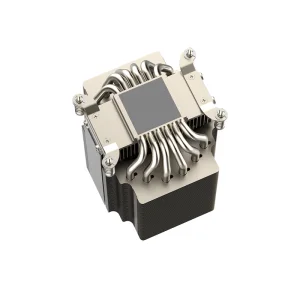
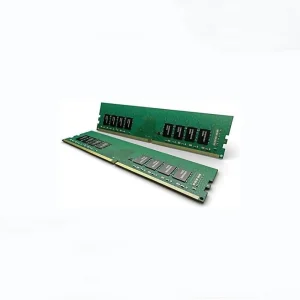
Premium server cooling solutions, memory modules, and processing platforms deployed for telecommunications, SCADA controllers, and smart grid relays across Montevideo and regional Uruguayan industrial zones.
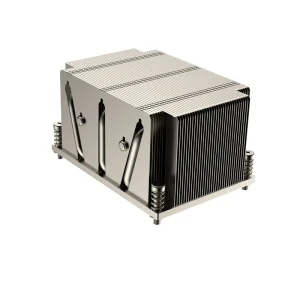
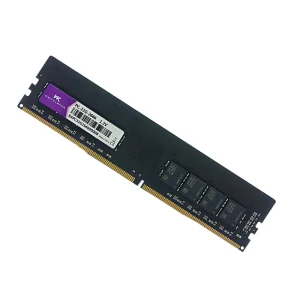
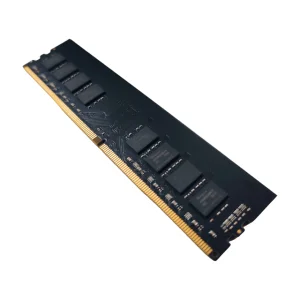
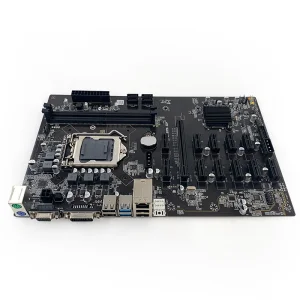
A comprehensive technical overview of why heavy copper circuit boards are critical for modern power electronics, wind generation, and grid stability in the Latin American corridor.
Thick copper printed circuit boards (often referred to as heavy copper PCBs or extreme copper boards) feature copper weights ranging from 3 oz/ft² to 20 oz/ft² (105 µm to 700 µm) in both inner and outer layers. Unlike standard boards that typically deploy 1 oz (35 µm) of copper, these specialized substrates are designed to conduct massive current loads without experiencing thermal runaway.
By utilizing advanced chemical deposition and electroplating processes, heavy copper boards combine high-density interconnect (HDI) logic layers with thick power tracks. This unique architecture optimizes thermal management, allowing designers to eliminate heavy busbars and external wiring systems, minimizing the overall footprint and failure points in complex electrical cabinets.
Uruguay has positioned itself as a global leader in renewable energy generation, with over 97% of its electricity grid regularly supplied by a combination of wind, solar, biomass, and hydropower. Regions like Tacuarembó, Salto, and Paysandú house massive utility-scale wind farms and solar plants that require sophisticated power converters, grid-tie inverters, and heavy-duty battery management systems (BMS).
Furthermore, Montevideo is rapidly expanding its digital infrastructure, highlighted by upcoming hyperscale data centers and local cloud networks. These facilities demand high-current power distribution units (PDUs) and robust cooling assemblies. The intersection of green energy conversion and digital processing creates an urgent, high-growth demand for Thick Copper PCBs capable of weathering extreme environmental conditions, fluctuating currents, and continuous thermal cycles.
How our heavy copper circuits and high-performance server-grade assemblies are integrated into Uruguayan infrastructure projects.
Large-scale solar installations in Salto and wind turbine nacelles across the interior rely on power converters that step up low-voltage DC to high-voltage AC grid inputs. Thick copper PCBs with 6 oz copper weights carry high currents, dissipating heat efficiently from power MOSFETs and IGBTs directly to integrated aluminum heat sinks.
Uruguay's national "Ruta Eléctrica" (Electric Route) requires DC fast chargers along Route 1 and Route 101. Our heavy copper designs support continuous high-power transfer (up to 150 kW+), preventing thermal degradation of components and ensuring chargers run continuously under hot summer conditions without interruption.
Pulp mills in Fray Bentos and mechanized agricultural fleets operating in Paysandú employ high-current actuators and motor controllers. PCBs built with thick copper offer exceptional resistance to thermal expansion strain, mechanical vibrations, and corrosive dust present in forestry and farming zones.
Evaluating advancements in substrate chemistry, copper deposition, and the integration of heavy power circuits with logic controls.
Standard heavy copper stops around 6 oz, but future applications in high-voltage grid storage systems require "Extreme Copper" boards reaching up to 20 oz. At this scale, the circuit board functions simultaneously as a physical support structure, a high-current busbar, and a heat radiator.
Our roadmap includes hybrid laminates, which bond thick copper layers directly to aluminum or copper base plates (Insulated Metal Substrates - IMS) using high-thermal-conductivity dielectrics (up to 3.0 W/m-K or higher). This ensures rapid heat dissipation from critical automotive or grid switching nodes.
As operating temperatures climb under intense high-current scenarios, standard FR4 substrates fail due to resin cracking and delamination. Our manufacturing lines prioritize High-Tg (Glass Transition Temperature > 170°C to 180°C) FR-4 and polyimide base materials.
We are continuously researching and deploying halogen-free, low-loss, high-Tg resins. These materials resist the high temperatures generated by continuous currents, maintaining structural integrity and insulation resistance over decades of deployment in remote Uruguayan substations.
A global benchmark for advanced semiconductor processing, enterprise memory systems, and high-reliability PCB manufacturing solutions.
CoreByte Storage Technology Co., Ltd. is a professional DDR5 memory and DRAM solution manufacturer specializing in high-performance memory modules for global OEM, enterprise, and data center applications. Established in 2016, the company has developed strong capabilities in R&D, production, and international trade, focusing on stable, high-speed, and energy-efficient memory products.
The company operates a modern manufacturing facility with a total building area of approximately 320㎡, equipped with advanced production and testing equipment to ensure strict quality control standards. CoreByte has an annual export revenue of around USD 12 million, with 6 years of export experience and over 9 years of industry experience in memory and semiconductor-related solutions.
Quality assurance is a core priority at CoreByte. The company implements ISO9001-based quality management systems, combined with automated optical inspection (AOI) and high-temperature aging tests to ensure product stability and compatibility. The quality control team consists of 45 dedicated inspectors, ensuring every batch meets international performance standards.
CoreByte maintains a strong trade-oriented business background, serving key markets including North America, Europe, Southeast Asia, and the Middle East. The company has established a reliable global supply chain network with more than 1,200 supply chain partners, supporting stable production and fast delivery.
Its primary customers include OEM system integrators, server manufacturers, industrial computer brands, and data center solution providers. With strong engineering capabilities, CoreByte offers advanced customization services, including PCB design optimization, frequency tuning, thermal solution adjustment, and branding customization.
The company invests heavily in innovation, with 85 R&D engineers and launching approximately 120 new product models annually to meet evolving market demands in AI computing, cloud infrastructure, and high-performance gaming systems.
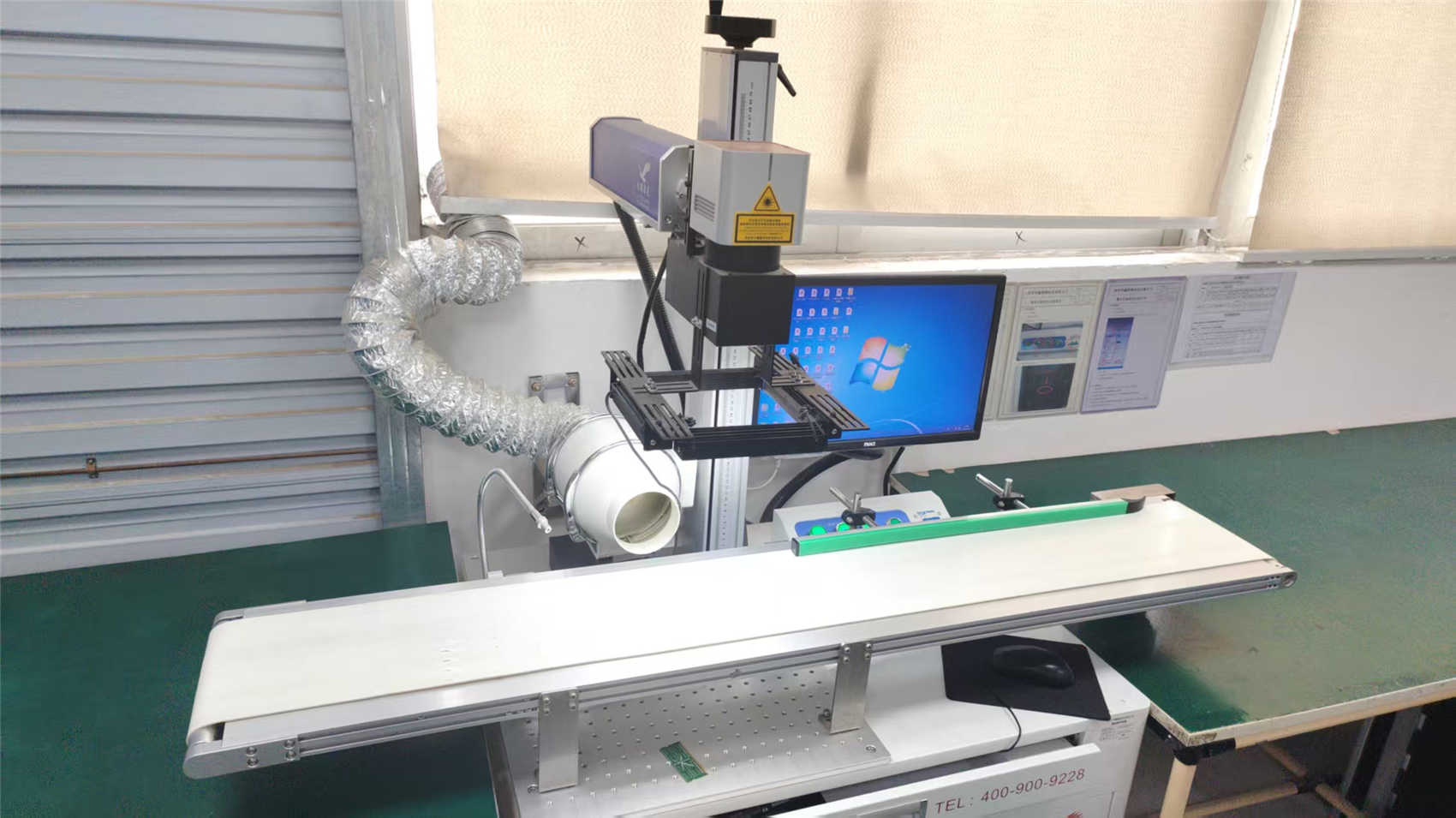
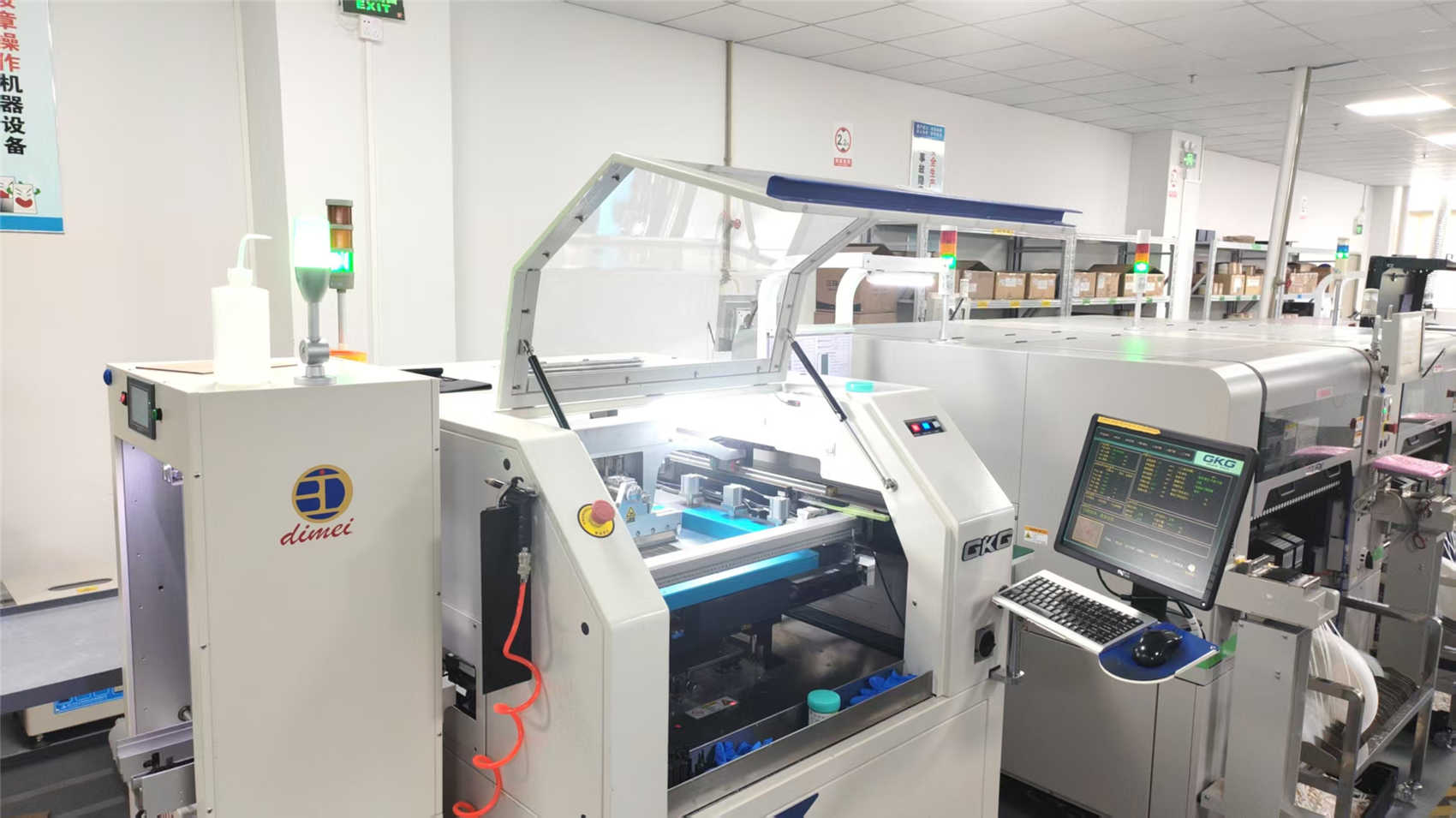

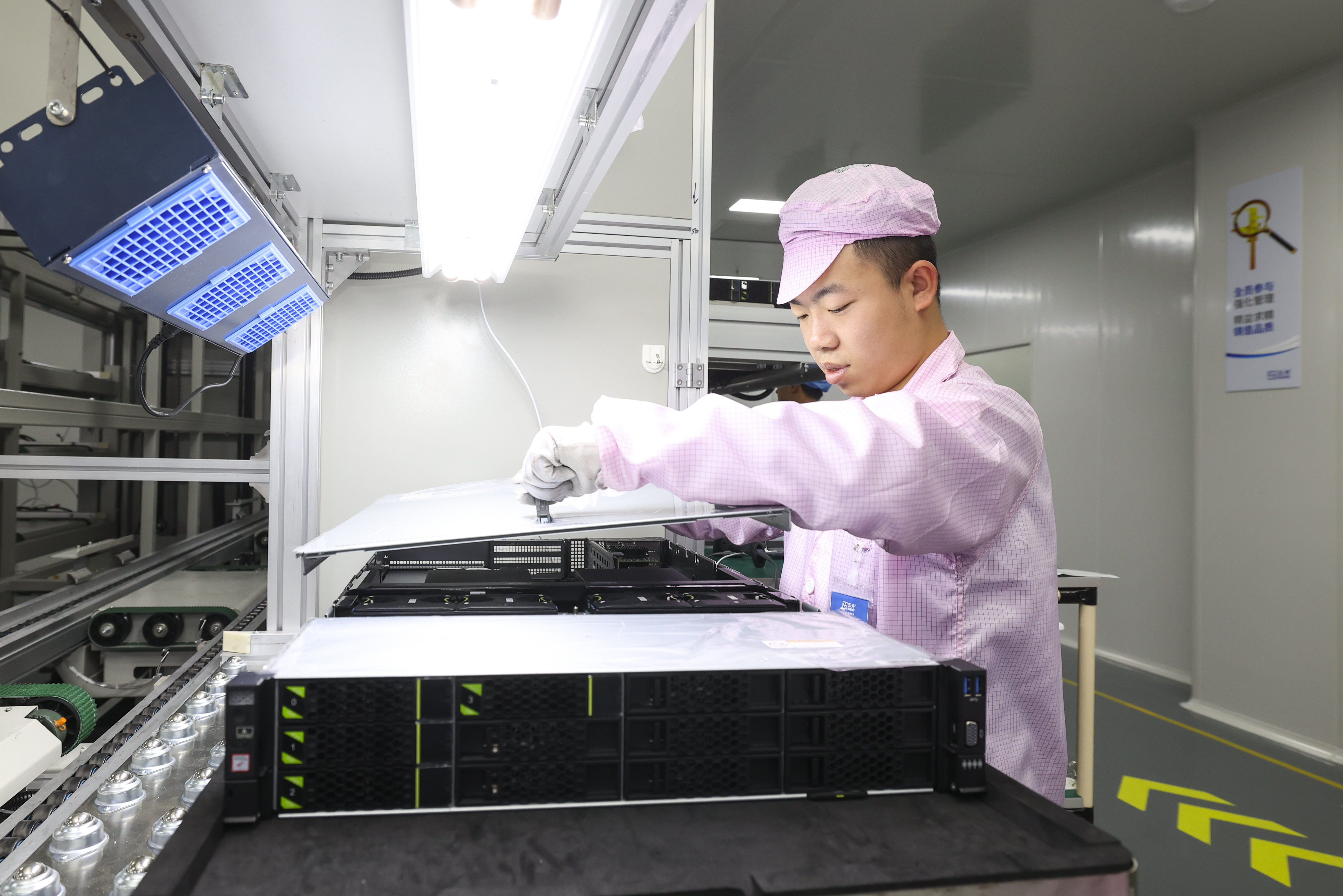

How CoreByte guarantees uninterrupted production, pricing advantages, and rapid delivery to the Uruguayan market.
Our proximity to top-tier raw material suppliers allows us to source high-grade electrolytic copper foils and premium laminates (such as Kingboard and Shengyi) at competitive rates. This localized network ensures that even during global component shortages, we maintain an uninterrupted reserve of materials, preventing lead-time delays for customized Thick Copper PCB projects destined for South America.
By leveraging advanced automated drilling, laser direct imaging (LDI), and plating lines, we maximize material yield, reducing unit costs and passing those savings directly to Uruguayan system integrators.
Shipping custom electronic assemblies to Uruguay requires navigating customs procedures through the Port of Montevideo or Carrasco International Airport. Over the years, CoreByte has developed deep relations with international logistics networks, providing comprehensive export documentation, Certificate of Origin paperwork, and tariff codes (HS Codes) to speed up LATU clearance.
Whether you require LCL sea freight for high-volume orders or express air courier options for rapid prototyping, our export department monitors the shipment from our facility gates to your warehouse doorstep in Uruguay.
Our commitment to internationally recognized quality standards ensures our products perform flawlessly under demanding conditions.
Our production facilities operate strictly under ISO 9001 guidelines. This system regulates every process step—from initial design intake and CAD design rule checking (DRC) to raw material inspection, drilling, copper plating, solder mask application, and surface finish treatment.
All thick copper PCBs are manufactured and inspected under Class 2 or Class 3 parameters. Class 3 boards undergo micro-sectioning analysis, thermal stress tests, and dielectric testing to guarantee performance in critical medical, aerospace, and power infrastructure applications.
Thick copper circuits present unique etching and registration challenges. We utilize 3D Automated Optical Inspection (AOI) to detect trace defects, X-ray laminating inspection to verify multi-layer registration, and flying probe testers to guarantee 100% netlist continuity.
Answering your questions regarding the design, manufacture, and deployment of Thick Copper PCBs in industrial power installations.
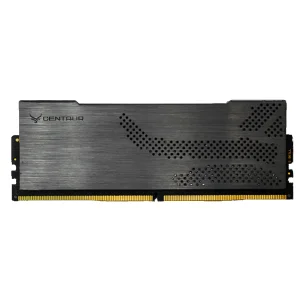
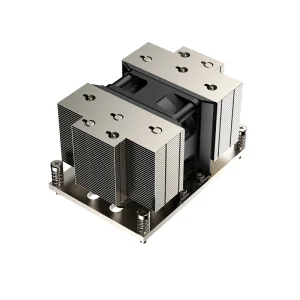
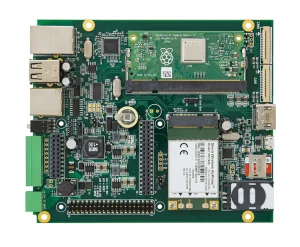
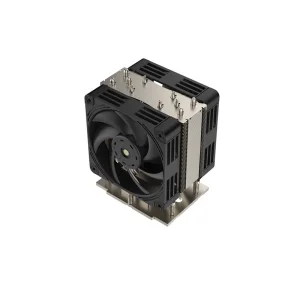
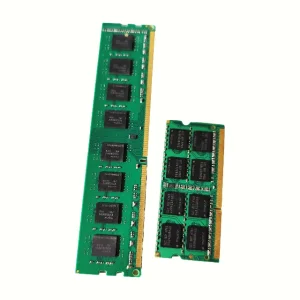
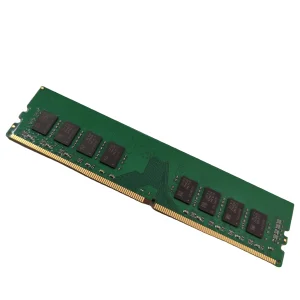
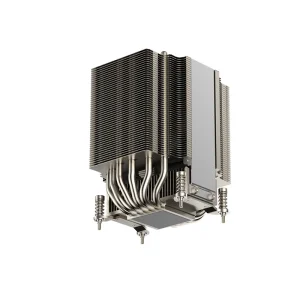
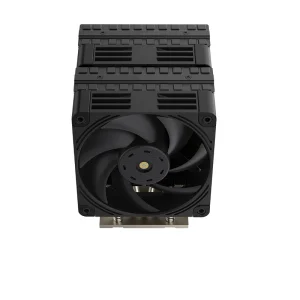
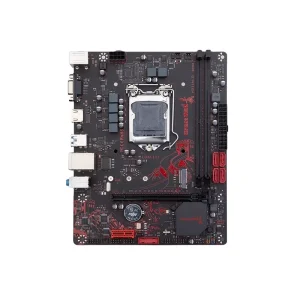
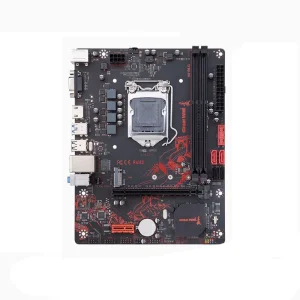
Explore our extensive inventory of high-performance components, dual-ball-bearing CPU cooling units, and ECC memory modules built for heavy industrial controls and processing hubs.
 CoreByte