Deploy engineered high-TDP passive and active air coolers designed to maximize system stability within Bangkok server racks and high-density computing drawers.
As Southeast Asia transitions into an era of accelerated AI workloads and hyperscale deployments, Bangkok has emerged as the premier cloud node and logistics crossroads of the Indochina region. Major cloud service providers, enterprise data hosts, and regional telecommunications giants are expanding their footprints rapidly across the Eastern Economic Corridor (EEC) and the metropolitan area of Bangkok. However, deploying server racks in a tropical climate zones imposes rigorous constraints on thermodynamics. Standard desktop-grade cooling architectures inevitably falter under continuous operating conditions, where ambient air intake temperatures can hover far above typical Western baselines, requiring customized server radiator solutions to preserve server longevity, control Power Usage Effectiveness (PUE), and prevent structural thermal throttling.
Thermal mitigation is no longer merely about selecting standard cooling fans; it is an engineering discipline requiring optimized heat sinks with rapid thermal dissipation rates. For enterprise server units operating at continuous 100% duty cycles, standard passive solutions must be combined with high-grade copper plate technology, vapor chambers, and anti-corrosive finishes. Our manufacturing systems provide precise matching configurations, including customized LGA4677 sockets, LGA4189 thermal mounts, and high-performance copper water blocks. We support system integrators across Bangkok's key business centers by optimizing the contact resistance, fin density, and fluid dynamics of computing setups.
Bespoke fin-stack designs and vapor chamber designs engineered specifically to mitigate thermal choke points on Intel Xeon and AMD EPYC platforms.
Anti-corrosion vapor sealants and optimized solder joints designed to withstand humidity shifts without degradation of the core thermal path.
Strict ISO 9001 compliance coupled with Automated Optical Inspection (AOI) to match international reliability baselines for critical nodes.
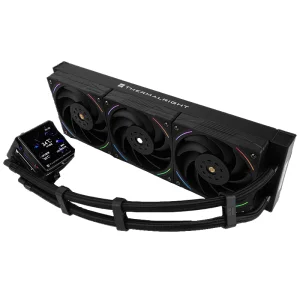
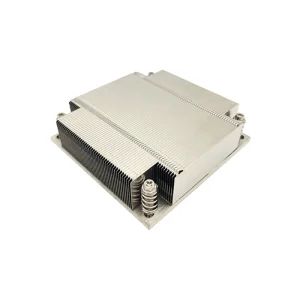
Optimize high-TDP processors with advanced micro-channel liquid cold blocks and compact 2U server modules.
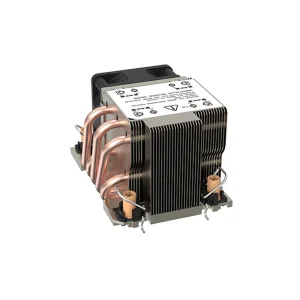
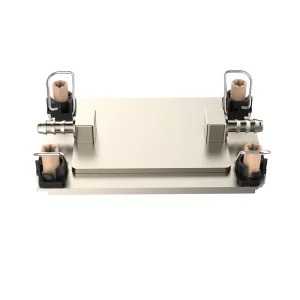
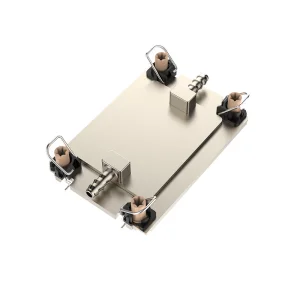
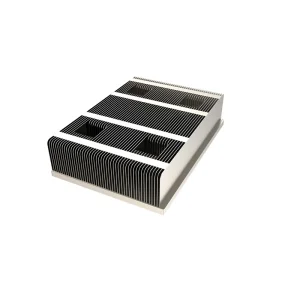
As server processors from Intel and AMD push TDP envelopes beyond 350W and towards 400W and higher, the limits of standard aluminum extrusions have been surpassed. The modern data hub requires multi-pipe heat transfer arrays, skived fin designs, and specialized vacuum-sealed vapor chambers. At CoreByte Storage Technology, our development focuses on translating advanced material science into predictable system performance. While we are globally recognized for DDR5 memory architectures and enterprise DRAM solutions, our thermal engineering division manufactures robust cooling units that work in tandem with high-density system designs.
With an annual R&D launch of over 120 new product models and a dedicated engineering group numbering 85 R&D engineers, we bridge the gap between design theory and reality. Our production lines feature custom heat sink machining, vacuum chamber charging, and advanced wave soldering. By managing the complete thermal path, from the thermal interface material (TIM) contact point to the exhaust fins, we optimize structural parameters for high reliability. This level of technical oversight is essential for systems deployed in Bangkok, where cooling energy costs are closely tied to regional business margins.
For data centers situated in Samut Prakan, Bang Na, or Pathum Thani, cooling overhead represents a major operational expense. High humidity levels mean that conventional evaporative systems must be carefully balanced to prevent moisture ingress, while air conditioning units must run at peak efficiency. Custom radiators with low pressure drops and optimized fin spacing maximize air velocity while reducing required fan power, directly lowering PUE metrics. This design strategy supports operators looking to optimize efficiency and maintain competitive operational costs.
Operating IT hardware in hot and humid regions incurs a "tropical thermal penalty." When ambient intake temperatures exceed standard thresholds, the delta-T (the difference between processor temperature and ambient air temperature) decreases. To maintain a safe junction temperature for high-density chips, the system must either increase airflow (exponentially raising fan energy consumption) or improve structural thermal conductivity. Our server radiators address this by using:
CoreByte Storage Technology Co., Ltd. is a professional DDR5 memory and DRAM solution manufacturer specializing in high-performance memory modules for global OEM, enterprise, and data center applications. Established in 2016, the company has developed strong capabilities in R&D, production, and international trade, focusing on stable, high-speed, and energy-efficient memory products and thermal sub-assemblies.
The company operates a modern manufacturing facility with a total building area of approximately 320㎡, equipped with advanced production and testing equipment to ensure strict quality control standards. CoreByte has an annual export revenue of around USD 12 million, with 6 years of export experience and over 9 years of industry experience in memory, semiconductor-related, and advanced thermal management solutions.
Quality assurance is a core priority at CoreByte. The company implements ISO9001-based quality management systems, combined with automated optical inspection (AOI) and high-temperature aging tests to ensure product stability and compatibility. The quality control team consists of 45 dedicated inspectors, ensuring every batch meets international performance standards.
CoreByte maintains a strong trade-oriented business background, serving key markets including North America, Europe, Southeast Asia (with dedicated channels to Bangkok and surrounding industrial zones), and the Middle East. The company has established a reliable global supply chain network with more than 1,200 supply chain partners, supporting stable production and fast delivery.
Its primary customers include OEM system integrators, server manufacturers, industrial computer brands, and data center solution providers. With strong engineering capabilities, CoreByte offers advanced customization services, including PCB design optimization, frequency tuning, thermal solution adjustment, and branding customization.
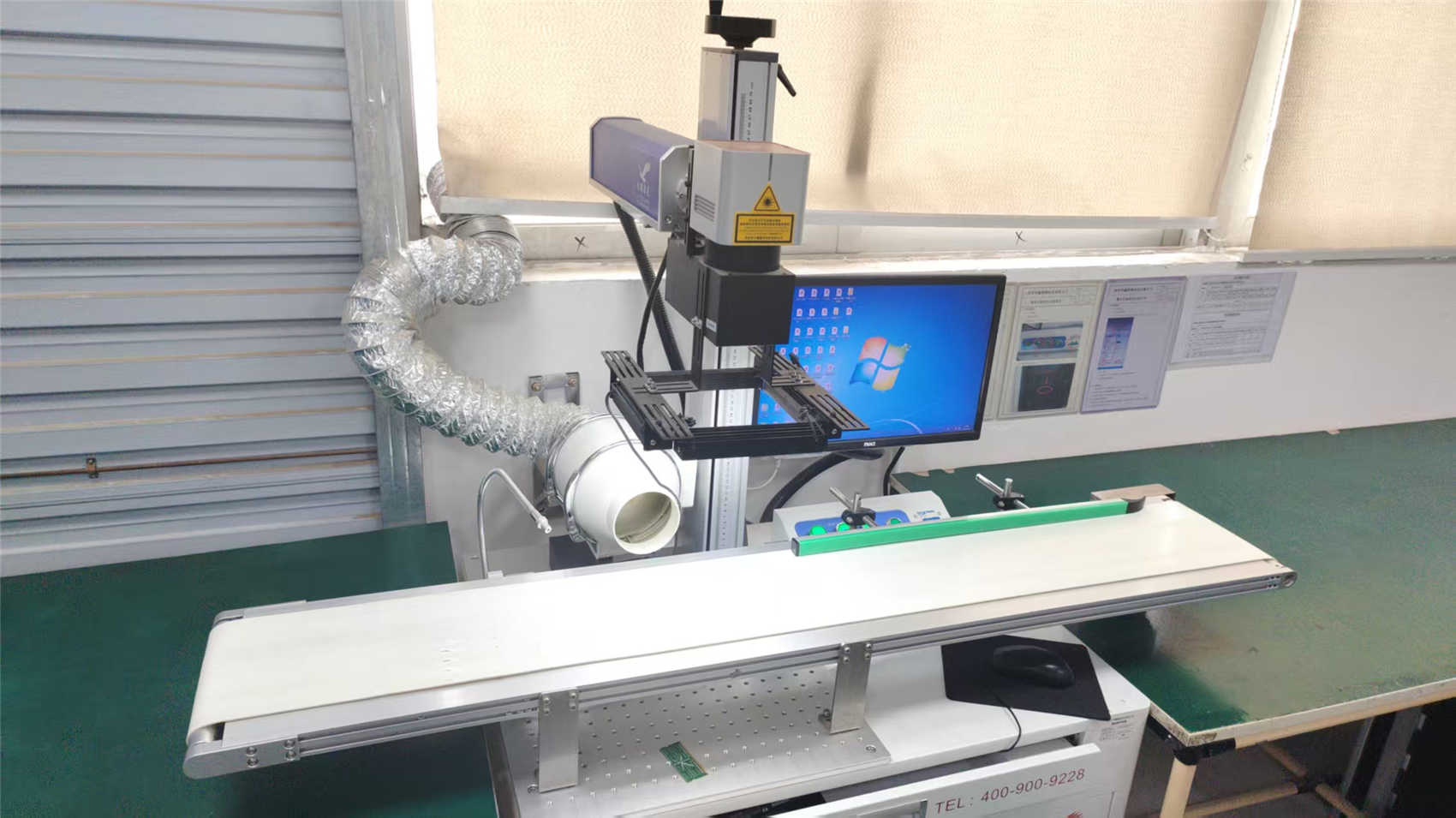
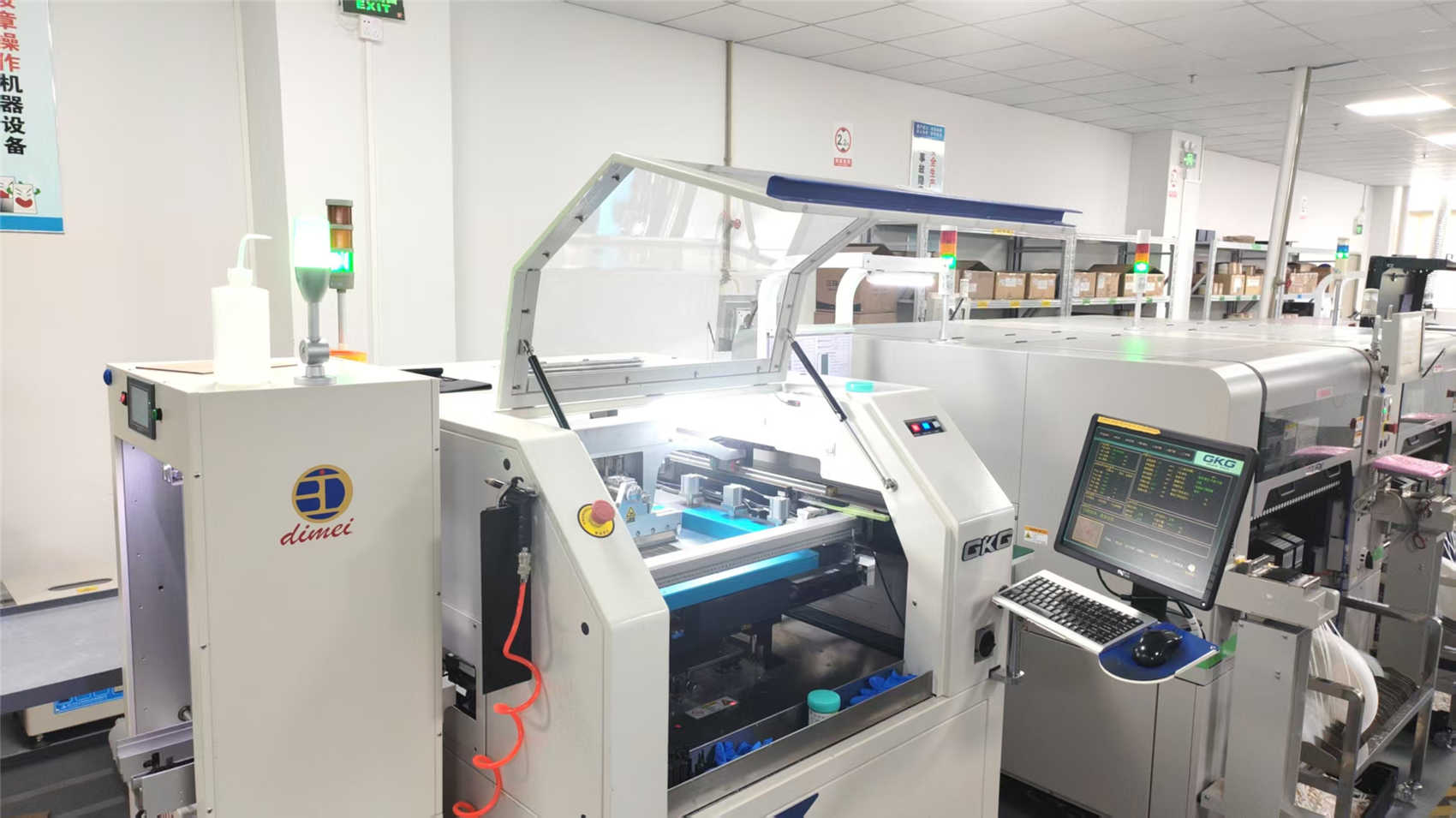
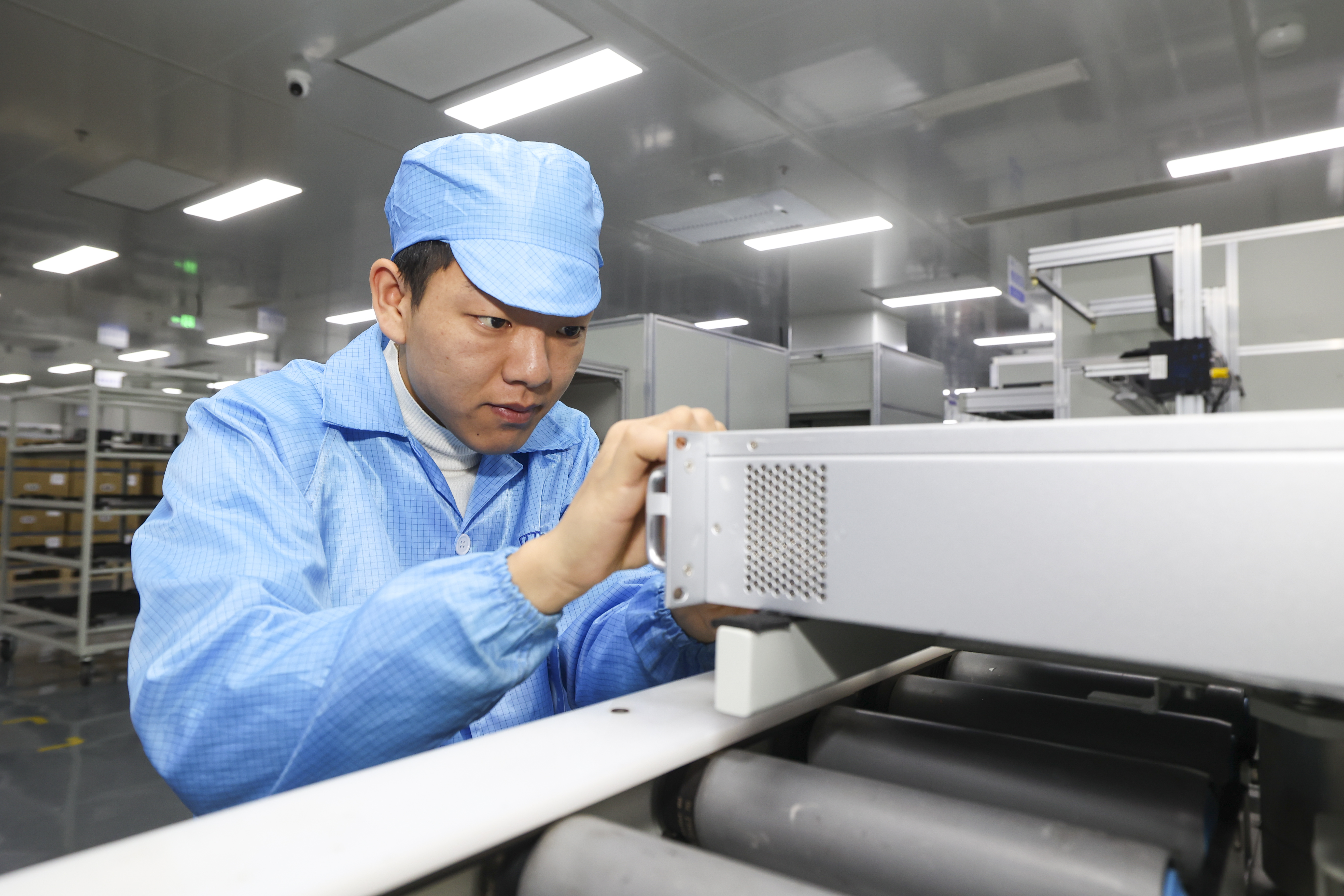
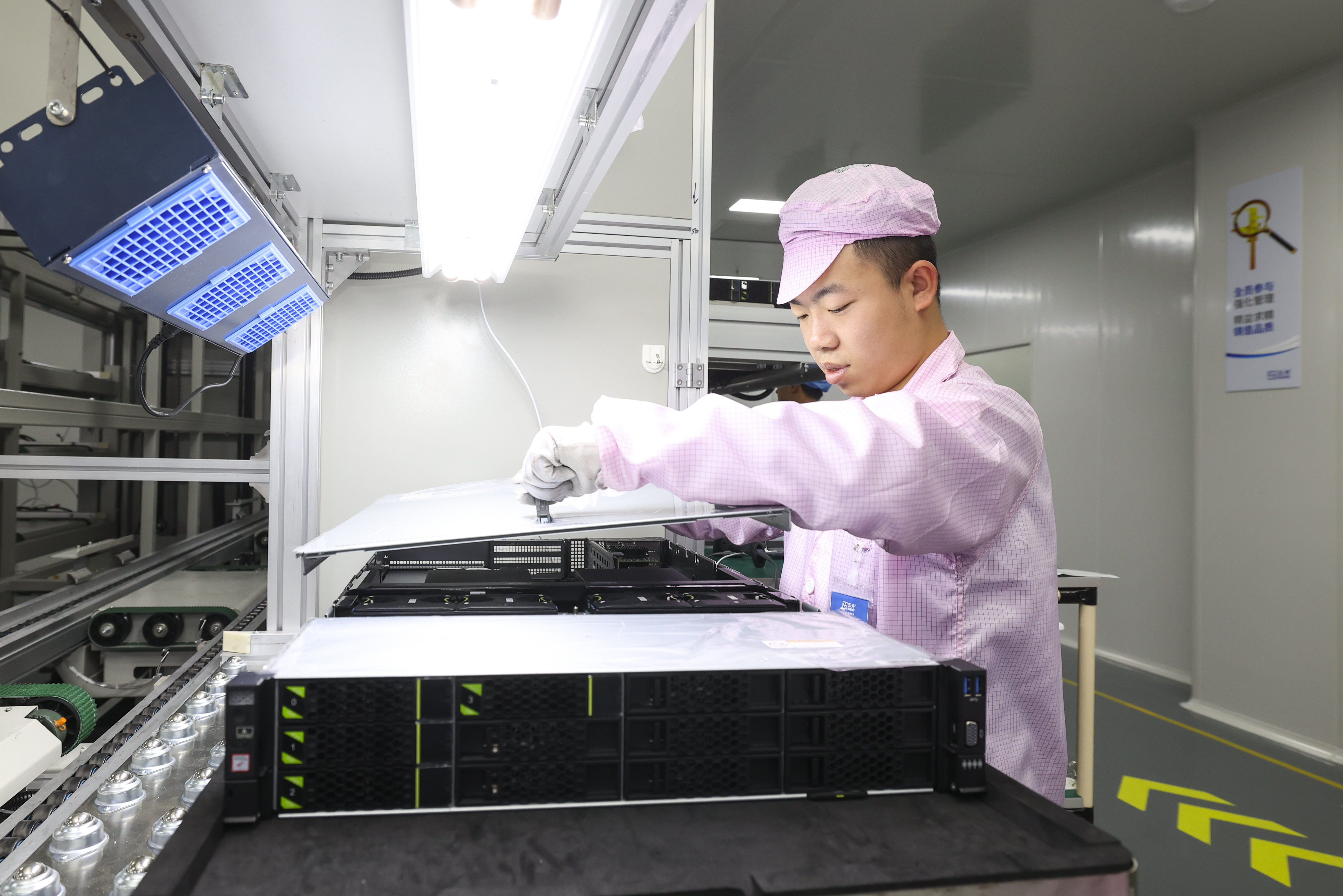
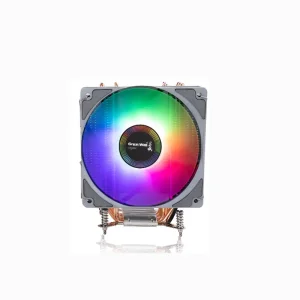
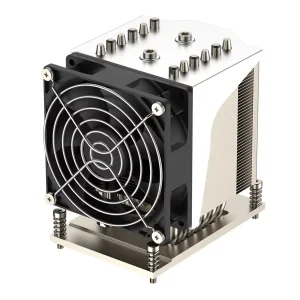
Engineered thermal units with copper bases, specialized heat pipes, and high-CFM dual-ball bearing fans for enterprise-class reliability.
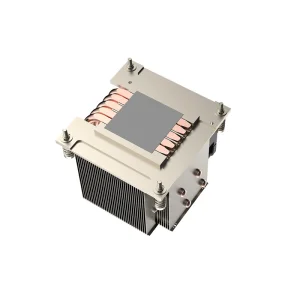
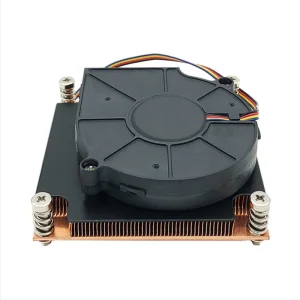
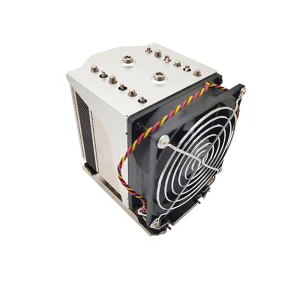
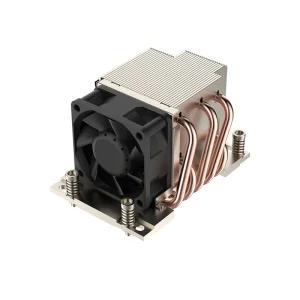
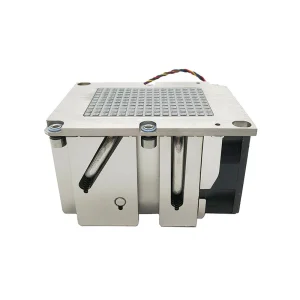
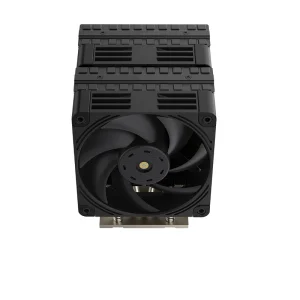
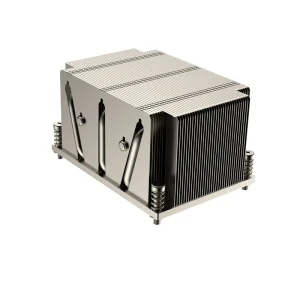
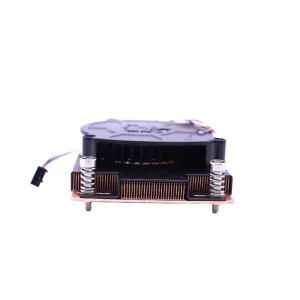
The integration of high-density machine learning and artificial intelligence model training inside Bangkok nodes has shifted design specifications toward the limits of traditional air cooling. Standard dual-socket motherboard layouts run extremely hot when combined with high-draw memory channels and dual-in-line graphics accelerators. Because computing densities are scaling faster than facility footprints, simple convective airflow designs must be paired with or upgraded to liquid loop implementations.
Direct-to-Chip (D2C) liquid cold plates represent the next logical phase in high-efficiency cooling. By routing a liquid coolant loop directly over a machined copper block mounted to the CPU, thermal transfer rates improve significantly compared to air-cooled towers. The fluid absorbs thermal energy directly at the block surface, transporting it via closed loops to an external heat exchanger or cooling tower. This approach bypasses the chassis air volume entirely, allowing processors to run at higher speeds without throttling, even with high outdoor temperatures.
For operations maintaining legacy air-cooled chassis, optimizing the performance of existing setups remains vital. Modern air-cooling techniques utilize variable fin spacing to reduce turbulence, together with low-friction dual ball-bearing fans rated for extended service. These components help operators balance the thermal demands of modern computing hardware with the physical limits of traditional rack-cooled environments.
Continuing to push standard boundaries through vapor chamber bases and high-ductility sintered copper pipes. Recommended for workloads up to 300W TDP, where air cooling remains the most cost-effective option.
Moving to liquid cooling plates (like our LGA4677 and LGA4189 water blocks) for high-performance setups operating above 350W TDP. This transition helps manage PUE in tropical environments.
Detailed answers regarding technical specifications, installation steps, regional delivery, and thermal calculations for systems in Southeast Asia.
Get in touch with our engineering team today to request structural drawings, bulk price quotes, or customized thermal calculations.
Send Inquiry Now CoreByte