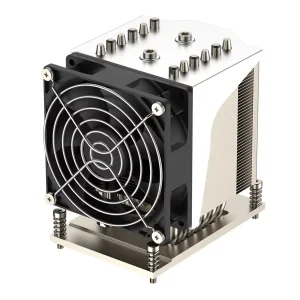
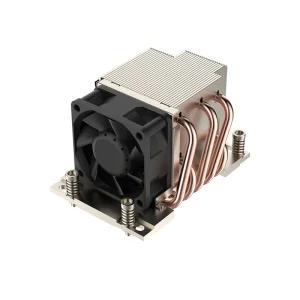
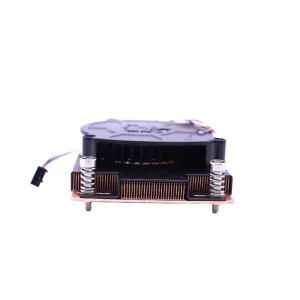
High-efficiency thermal units engineered for Ho Chi Minh City's intense colocation demands.
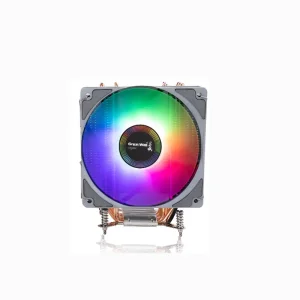
Ho Chi Minh City, as Vietnam's primary economic locomotive, is experiencing an unprecedented expansion in data infrastructure. The establishment of enterprise-grade facilities in the Saigon Hi-Tech Park (SHTP) and industrial zones in Thu Duc City highlights the city's transformation into a regional digital hub. However, HCMC's tropical monsoon climate poses intense challenges for thermodynamic engineering. With ambient temperatures frequently exceeding 35°C and relative humidity hovering above 85%, traditional air cooling architectures must be optimized to prevent catastrophic thermal throttling.
The power grid efficiency (PUE) in Southeast Asian data centers is highly sensitive to cooling system optimization. Modern server processors running heavy AI and cloud workloads can generate heat fluxes surpassing 350W-400W per socket. At these levels, traditional aluminum extrusion solutions fail due to thermal saturation. By utilizing high-density skived copper fins, vapor chambers (VC), and multi-heat-pipe direct contact technologies, we minimize internal thermal resistance (Rjc). Our systems ensure that local Vietnamese data facilities can run continuously without undergoing safety power-downs or high-temperature degradation of crucial DDR5/DRAM components.
| Average Ambient Temp | 28°C - 35°C |
| Relative Humidity (Avg) | 80% - 90% RH |
| Target Server PUE | < 1.30 (Highly Optimized) |
| Max Processor TDP Support | Up to 400W per Socket |
| Corrosion Protection | Anti-oxidation coating (Anti-salt spray) |
The shift toward high-TDP processor sockets and custom hybrid cooling solutions globally.
Moving beyond conventional solid copper blocks, high-end server processors like Intel LGA4677 and AMD SP6 demand 3D Vapor Chambers. These systems vaporize internal fluids across vacuum plates, spreading high heat flux evenly before transferring it to high-density cooling fins.
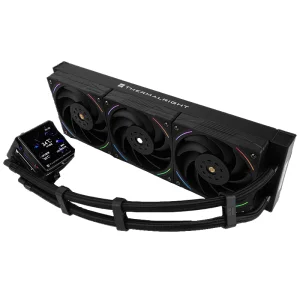
To support high-compute environments, data centers are migrating towards hybrid layouts. Direct-to-chip (D2C) liquid blocks (such as our LGA4189 400W Water Block) offer high convective heat transfer coefficients, helping to keep PUE levels low.
Enterprise servers operating in humid climates like Ho Chi Minh City require fans with dual ball bearings or high-durability hydraulic systems. These components reduce friction loss and extend the overall system lifespan.
As an integrated R&D pioneer and exporter, CoreByte Storage Technology Co., Ltd. has combined thermal management systems with high-density DDR5 memory and DRAM architectures since 2016. High-speed memory modules generate localized heat, which can affect processor cooling if not properly mitigated. By offering thermal and memory system co-designs, we provide comprehensive solutions for data center integration.
Our facilities leverage China's electronics manufacturing supply chain to provide fast prototyping and scale production. With 85 R&D engineers and 1,200 supply chain partners, we launch approximately 120 new products annually. The raw materials used in our heatsinks—ranging from electrolytic copper (C1100) to AL6063 aluminum alloys—are sourced and processed under strict quality controls.
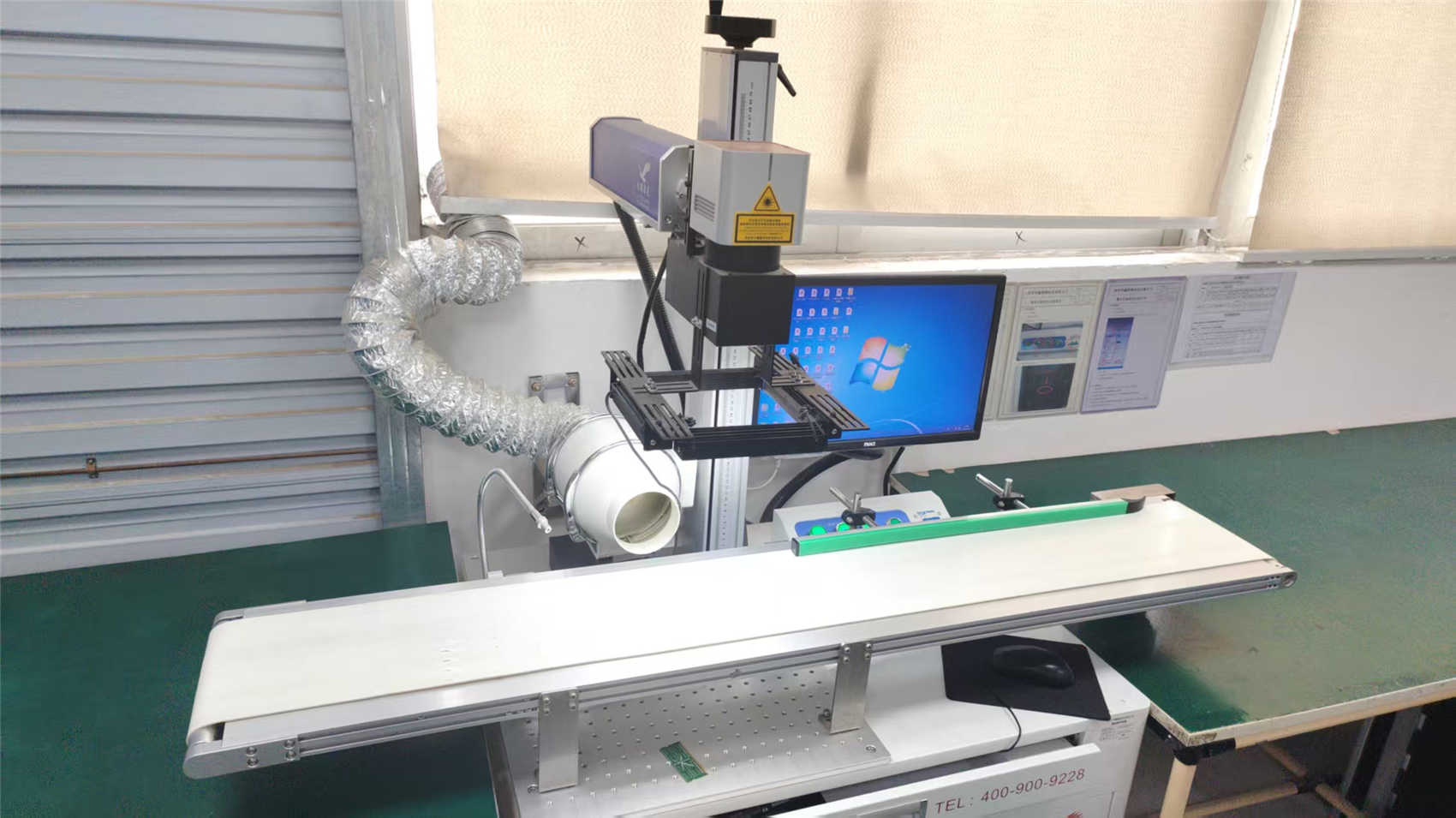
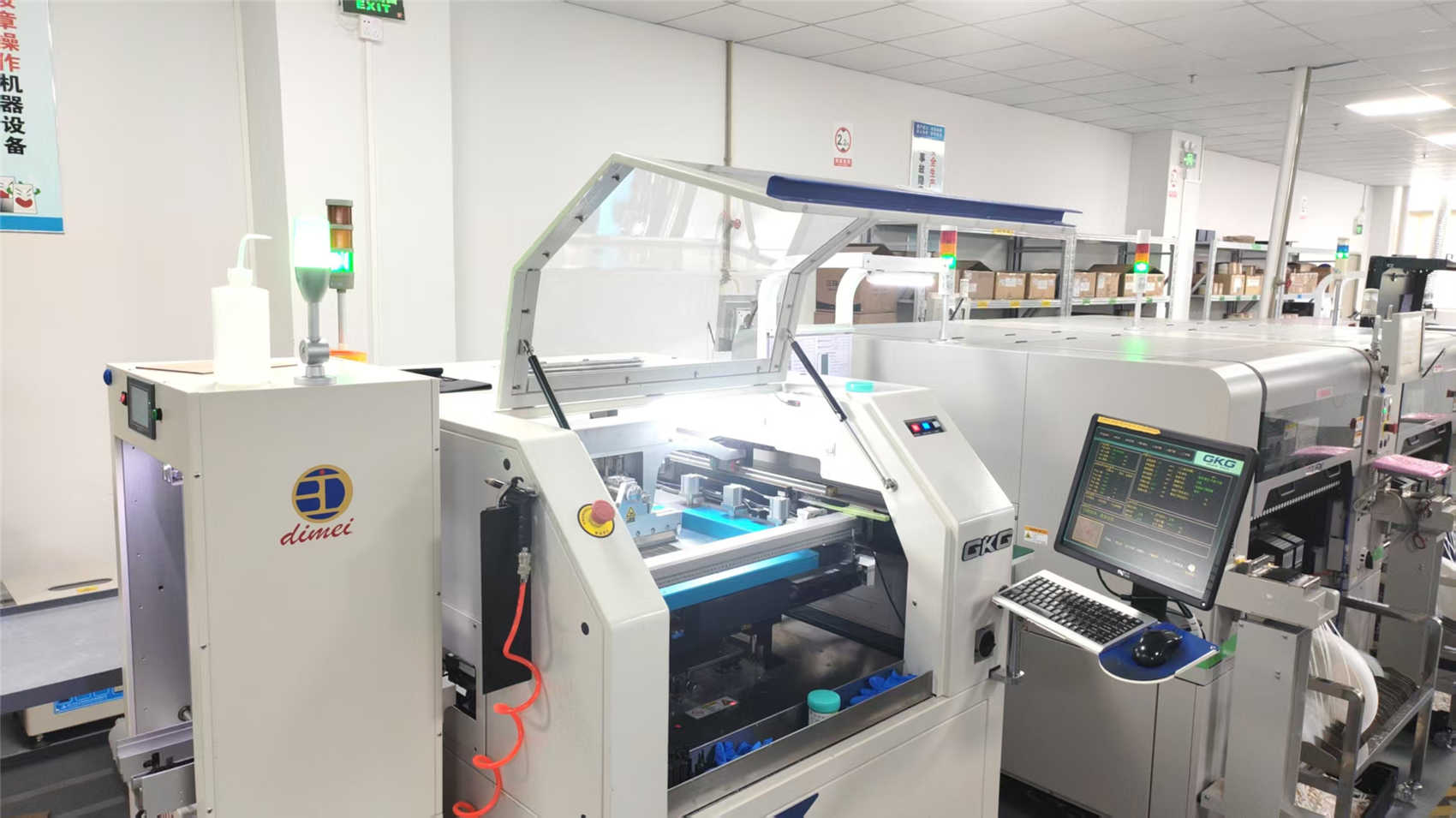
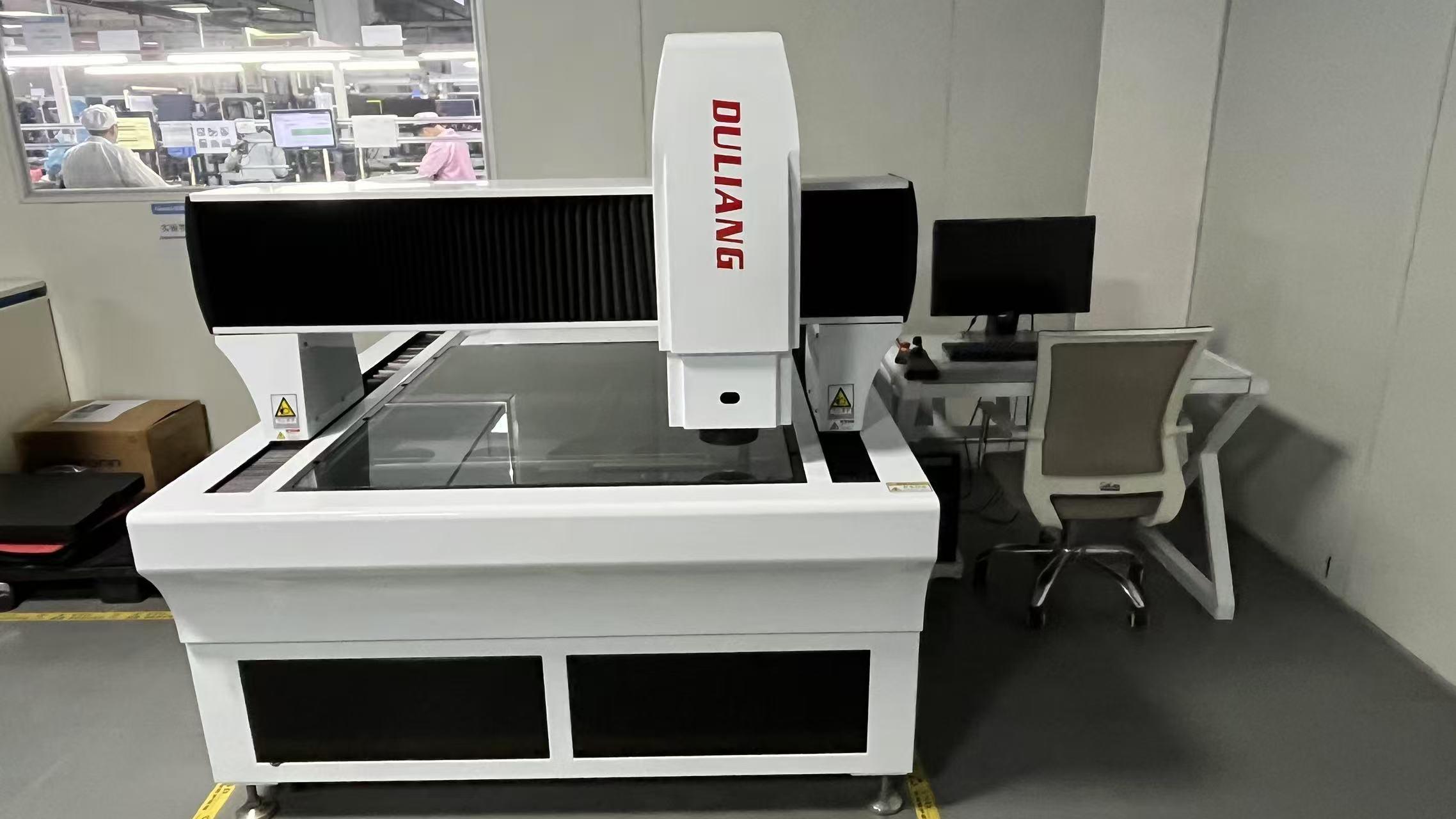
Our quality management systems are ISO9001-compliant. We utilize automated optical inspection (AOI), X-ray solder analysis, and high-temperature environmental simulation chambers. Each cooling unit is tested for thermal impedance, heat pipe integrity, and fin alignment to meet international specifications before shipment.
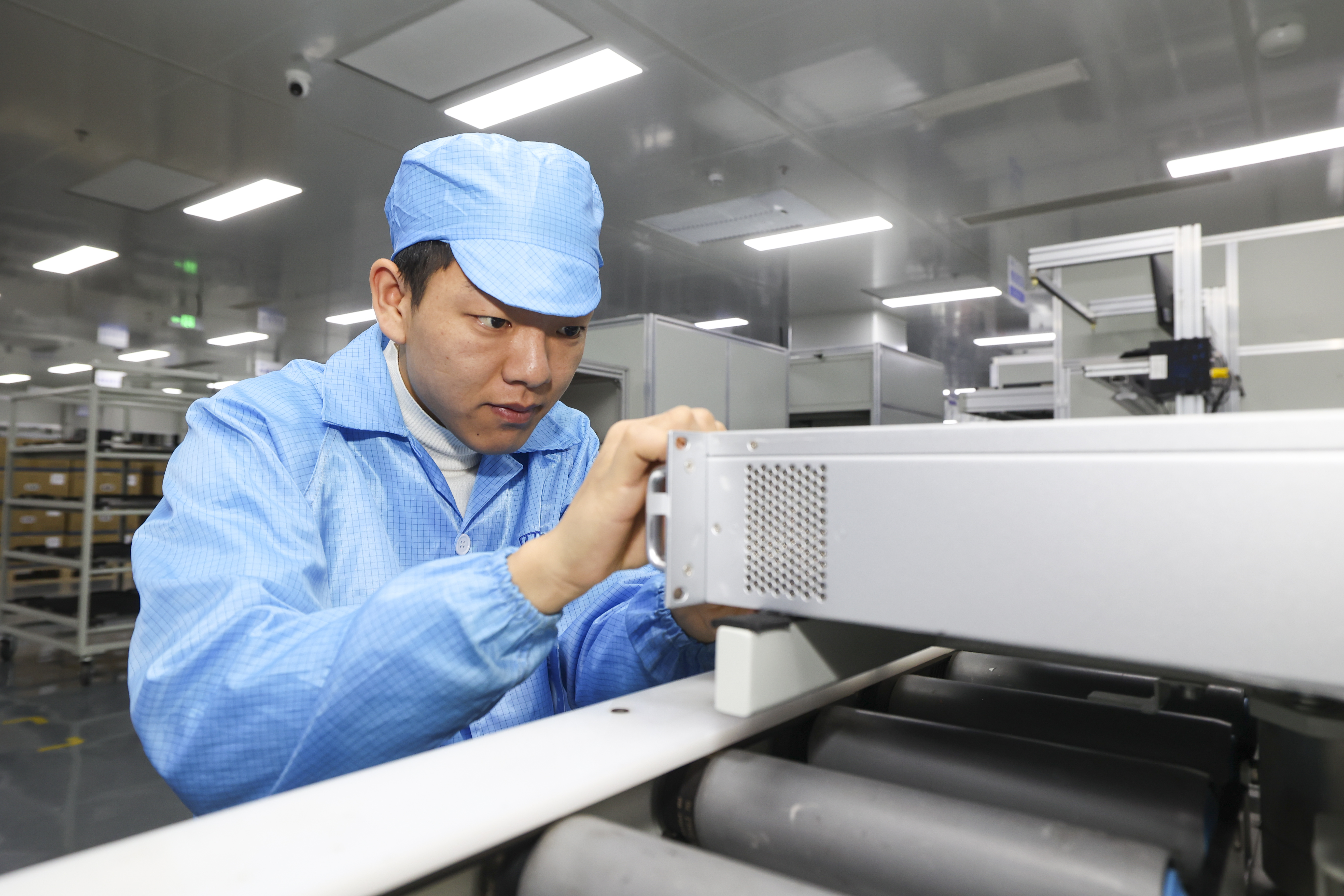
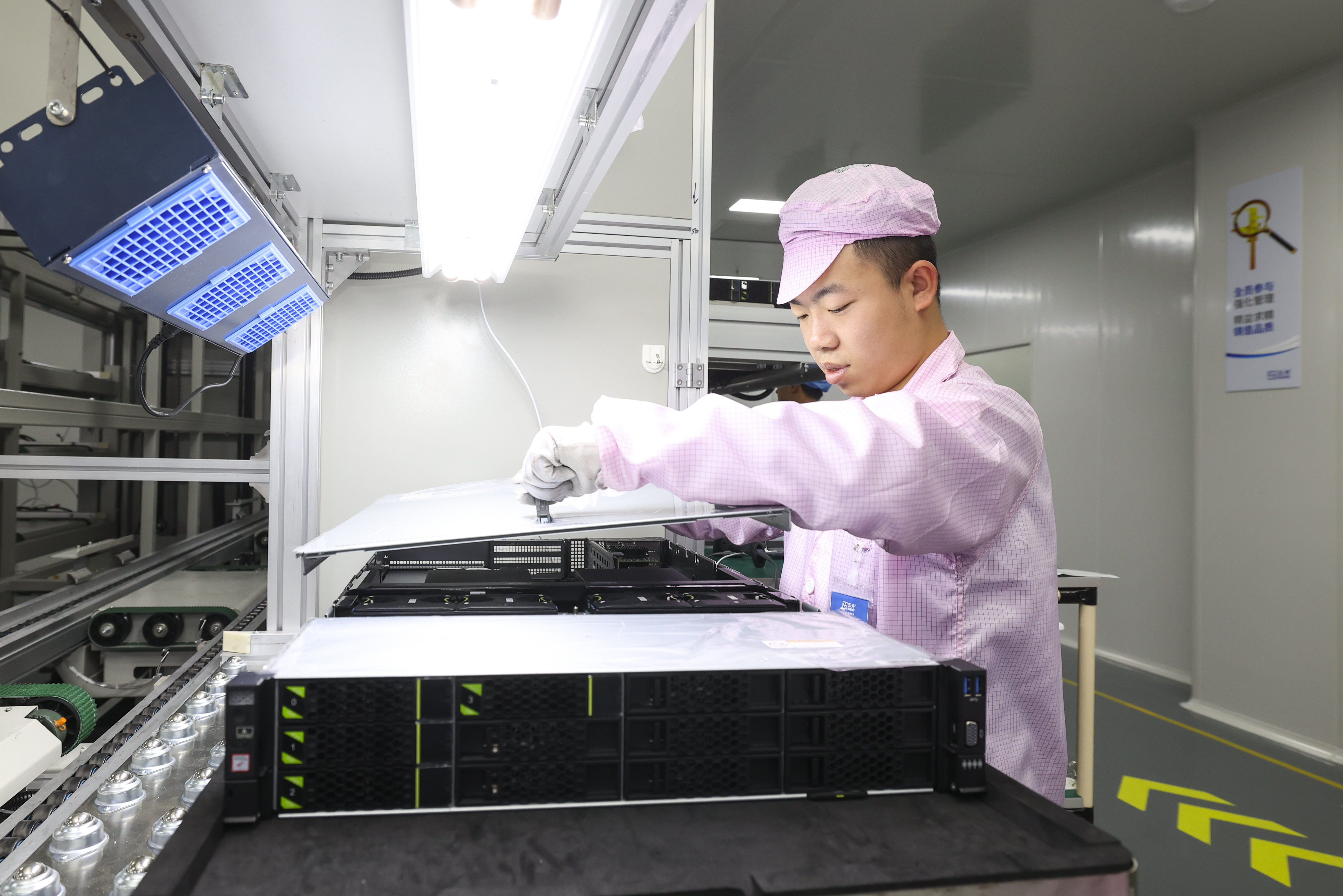
Overview of our R&D facilities and clean room testing environments.
Heavy-duty hardware optimized for persistent compute profiles.
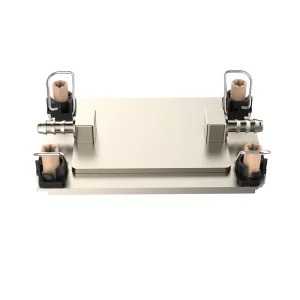
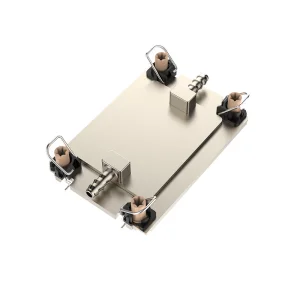
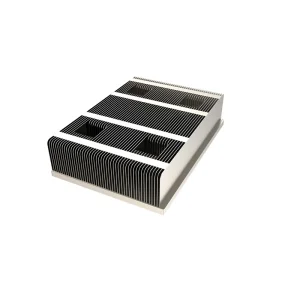
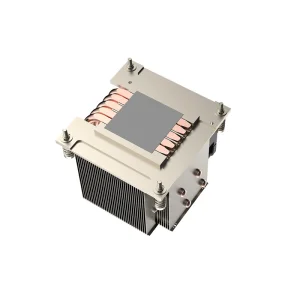
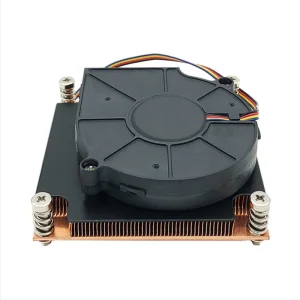
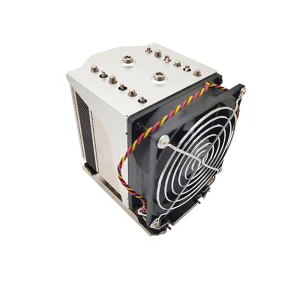
Supporting legacy platform upgrades and dense industrial chassis assemblies.
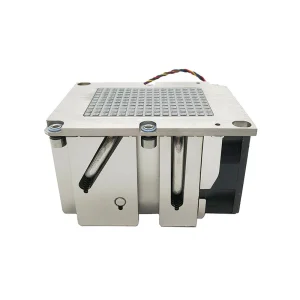
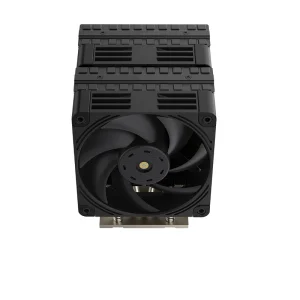
Deploying server hardware in southern Vietnam requires consideration of local operational factors. Equipment placed in regional edge nodes, manufacturing automation centers, or telecom infrastructure along the Mekong Delta and Dong Nai basin faces varied environments. These range from controlled, clean-room Tier III facilities in Saigon Hi-Tech Park to less-regulated environments in outlying areas.
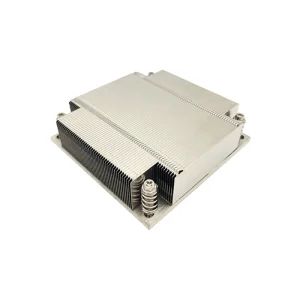
Outdoor 5G micro data centers require dust protection and compact thermal components. High-speed 1U copper heatsinks dissipate heat from dense server cases without relying on large air vents, protecting internal electronics from high humidity.
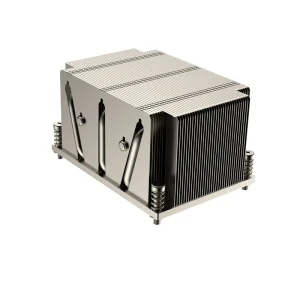
HCMC colocation centers focus on energy efficiency metrics. Our 2U vapor chamber heatsinks and liquid cooling blocks lower fan power draw, helping facility operators reduce overall cooling energy costs.
Industrial computing in manufacturing zones requires components that resist dust and vibration. We use dual ball bearing fans with high MTBF ratings to maintain stable operation under continuous industrial load.
Through our design services, CoreByte collaborates with Vietnamese system integrators to adapt hardware configurations for specific projects. This includes customizing PCB layouts, modifying fin density, and adjusting mounting pressure for sockets like LGA4677 or AMD SP6. Our team uses CFD thermal simulation models to evaluate cooling performance before starting production.
Answers to engineering and procurement questions regarding server cooling in tropical regions.
Contact our engineering support team for thermal simulations, material inquiries, and direct factory pricing.
Send Inquiry Now CoreByte