CoreByte
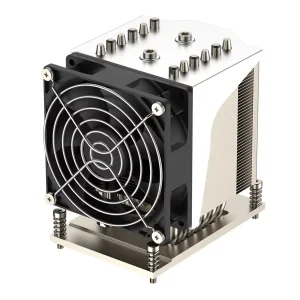
Parisian Industrial Ecosystem & Next-Gen Server Thermal Challenges
The Île-de-France region, with Paris at its core, represents one of the most vital hubs in the European FLAP-D (Frankfurt, London, Amsterdam, Paris, Dublin) data center network. As hyperscalers, edge infrastructure providers, and corporate colocation facilities expand across areas like Saint-Denis, Aubervilliers, and Saclay, they face a double-pronged challenge: the soaring thermal dissipation requirements of advanced chip architectures and stringent local environmental regulations. Modern workloads, particularly generative AI model execution and complex quantitative trading systems operating near the Bourse de Paris, demand server processors (Intel Xeon, AMD EPYC, and custom ASICs) with Thermal Design Power (TDP) levels reaching 300W to 400W per socket.
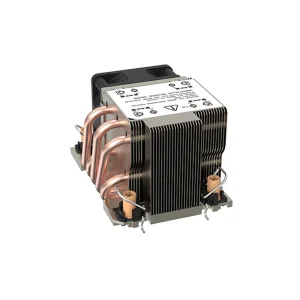
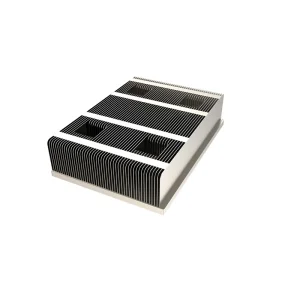
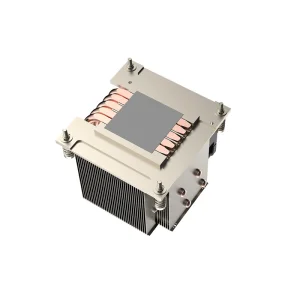
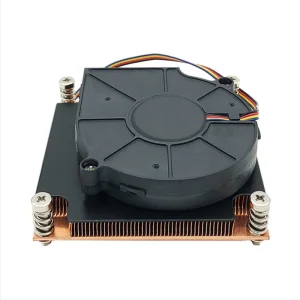
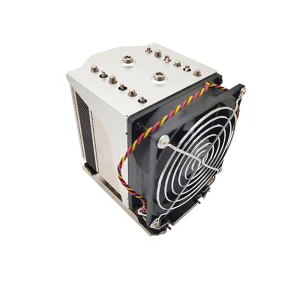
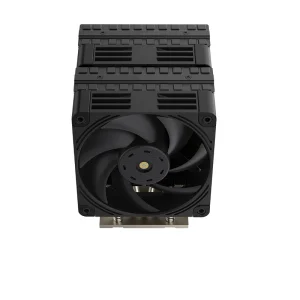
Under the RE2020 regulatory framework and broader EU Green Deal objectives, Paris data centers are forced to minimize Power Usage Effectiveness (PUE) to values below 1.2, while simultaneously recovering waste heat for district heating networks. Consequently, generic server cooling solutions no longer suffice. Hardware architects and facility planners must deploy precise, high-thermal-performance server radiators utilizing micro-groove vapor chambers, sintered copper powder pipes, and advanced skiving fin profiles. These technologies optimize heat transfer coefficients and prevent thermal throttling while minimizing fan power consumption and auxiliary cooling system overheads.
Advanced Thermodynamics: Sintered Copper Heat Pipes and Vapor Chambers
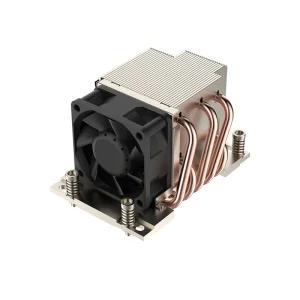
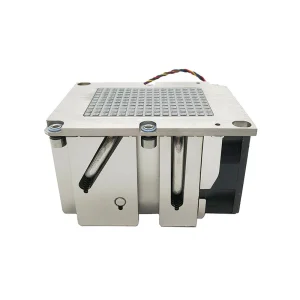
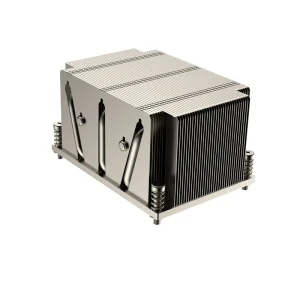
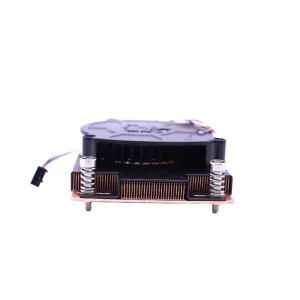
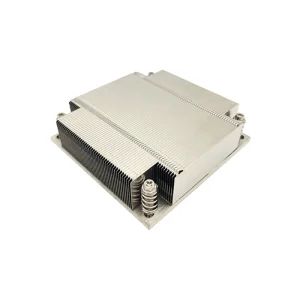
At the center of high-performance server thermal design is the phase-change mechanism. A modern server radiator must rapidly move heat away from the silicon die to prevent thermal hotspots. Sintered copper powder heat pipes provide high thermal conductivity by using a capillary structure that forces evaporated working fluid back to the heat source even against gravity. In 1U and 2U form factors, where vertical space is extremely limited, vapor chambers act as flat heat pipes, spreading heat uniformly across a wider base to maximize the contact area with the aluminum fin arrays. This structural synergy allows 1U coolers to handle up to 220W and 2U components to handle up to 350W+ with minimal air resistance.
Global Enterprise Procurement Trends
Procurement teams at European hyperscale facilities and enterprise data centers are shifting away from transactional sourcing towards strategic partnerships that offer E-E-A-T verified solutions. Buyers evaluate suppliers based on:
- Material Traceability: Assurance of pure, oxygen-free copper (C1020/C1100) and premium aluminum alloys to ensure long-term structural integrity and prevent galvanic corrosion.
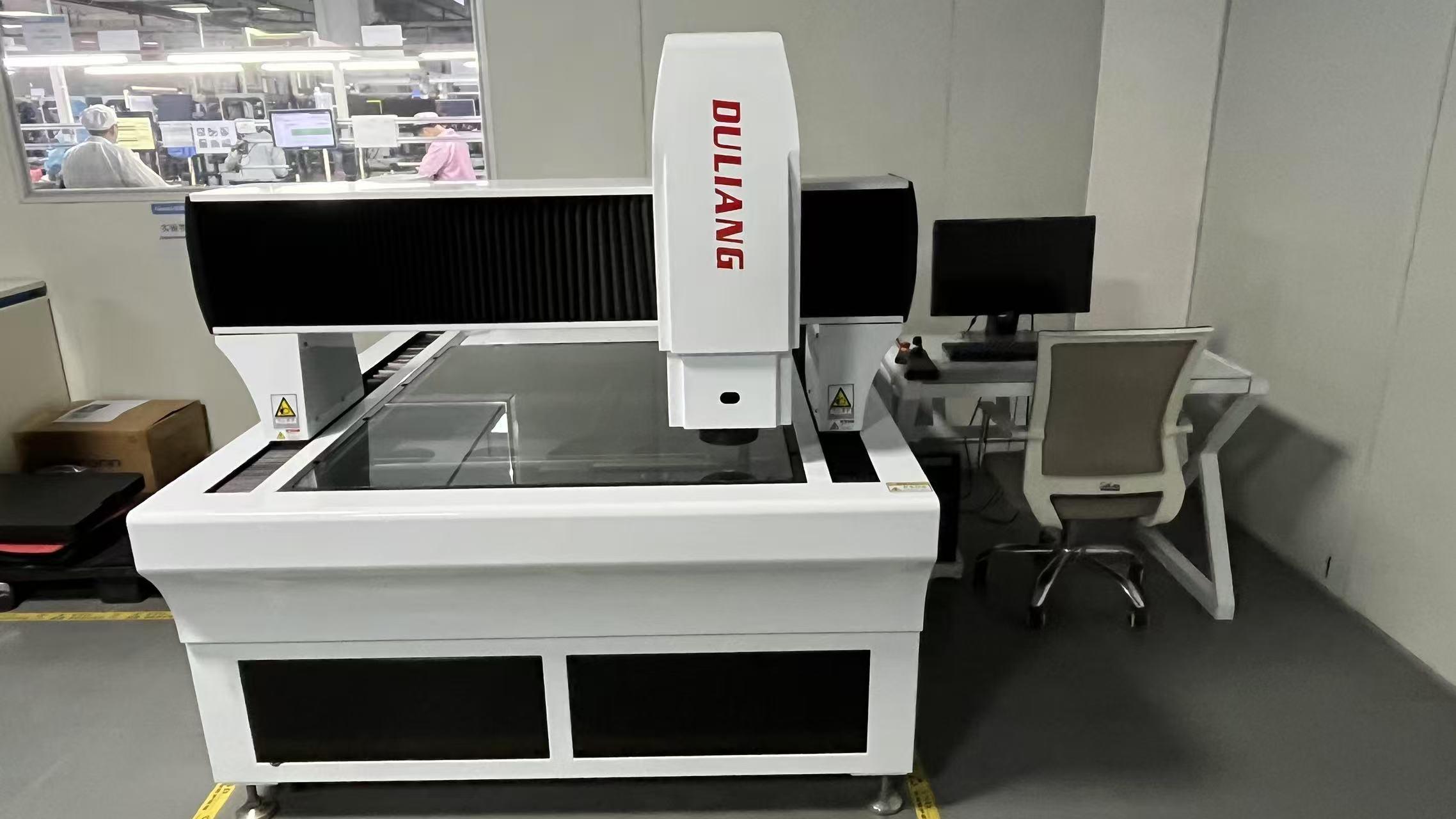
- Precision Manufacturing Tolerances: Sub-micron flatness levels at the CPU contact base to reduce contact resistance, eliminating the need for excessively thick thermal paste.
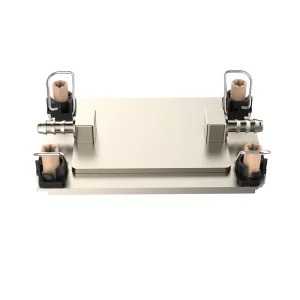
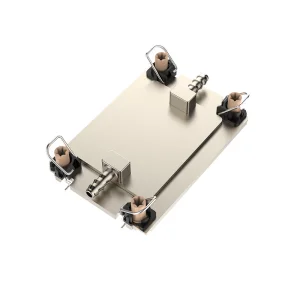
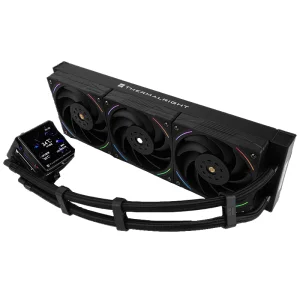
- Stringent Validation Frameworks: Comprehensive testing under thermal stress, vibration, thermal cycling, and helium leak testing for liquid cooling blocks.
- Regulatory Compliance: Strict alignment with RoHS, REACH, and CE directives, which are non-negotiable for hardware entering the EU customs area.