Optimized for Vietnam's telecommunication towers, server networks, and high-frequency industrial automation processing.
Vietnam is undergoing a major structural transformation, transitioning from a low-cost assembly hub to an advanced node in the global high-tech and telecommunications hardware ecosystem. Industrial zones surrounding Hanoi, Haiphong, and Ho Chi Minh City (Saigon Hi-Tech Park) have experienced substantial capital inflows from global electronics OEMs. With the deployment of localized 5G networks by domestic operators and the rising demand for automotive radar modules, high-frequency materials—specifically Rogers PCBs—have become essential components in Vietnam’s hardware manufacturing sector.
Unlike conventional FR-4 glass epoxy laminates, high-frequency Rogers PCBs provide the specialized dielectric properties required for signals operating in the gigahertz (GHz) range. This includes applications such as 5G cellular transceivers, localized automotive Advanced Driver Assistance Systems (ADAS), defense radar arrays, and high-performance server backplanes. As multinational electronic manufacturing services (EMS) companies establish footprints in Vietnam, the requirement for robust supply chains capable of delivering Rogers laminate materials (such as the RO4000 and RO3000 series) with precise impedance tolerances has reached an all-time high.
Standard FR-4 laminates exhibit a dissipation factor (Df) that rises sharply as frequency exceeds 1 GHz, leading to signal attenuation and thermal degradation. Rogers PTFE and ceramic-filled thermoset laminates maintain a stable dielectric constant (Dk) and low Df across wide frequency bands, ensuring signal integrity, low insertion loss, and excellent thermal dissipation in high-power environments.
Several critical manufacturing sectors in Vietnam rely heavily on specialized Rogers board designs:
Global purchasing managers are increasingly adopting a "China + 1" sourcing strategy to mitigate supply chain risks while maintaining cost-effective production. By leveraging the advanced manufacturing infrastructure of Chinese factories in tandem with Vietnam's local assembly capabilities, enterprises can achieve significant logistical and economic efficiencies.
China remains the global benchmark for high-speed, high-density PCB fabrication, possessing a mature ecosystem of raw materials, chemical processes, and high-precision machinery. Companies like CoreByte Storage Technology Co., Ltd. leverage these manufacturing resources to supply high-quality PCBs and memory subsystems to partners throughout Southeast Asia, including Vietnam.
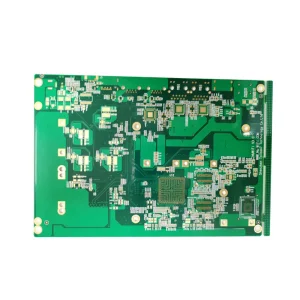
For Vietnamese assembly operations, importing fabricated, multi-layer high-frequency PCBs from China and performing final surface-mount technology (SMT) assembly locally provides a competitive advantage. This approach combines China’s advanced fabrication capabilities (capable of executing 3 mil trace/space tolerances and blind/buried vias on Rogers laminates) with Vietnam’s cost-effective labor and favorable export tariff structures to major Western markets.
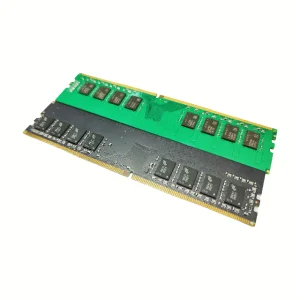
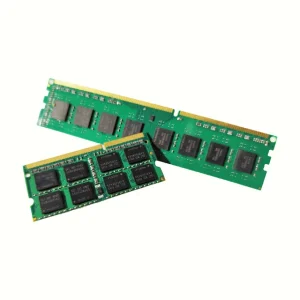
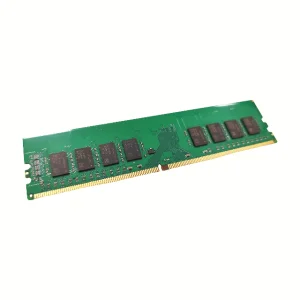
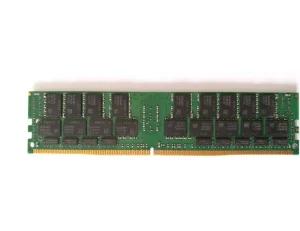
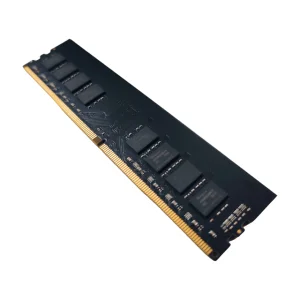
Established in 2016, CoreByte Storage Technology Co., Ltd. is a manufacturer of high-performance DDR5, DDR4 memory, and high-speed DRAM solutions, serving global OEM, enterprise, and data center applications. Over more than nine years, CoreByte has developed robust capabilities in R&D, precision manufacturing, and international trade, focusing on stable, high-speed, and energy-efficient memory products.
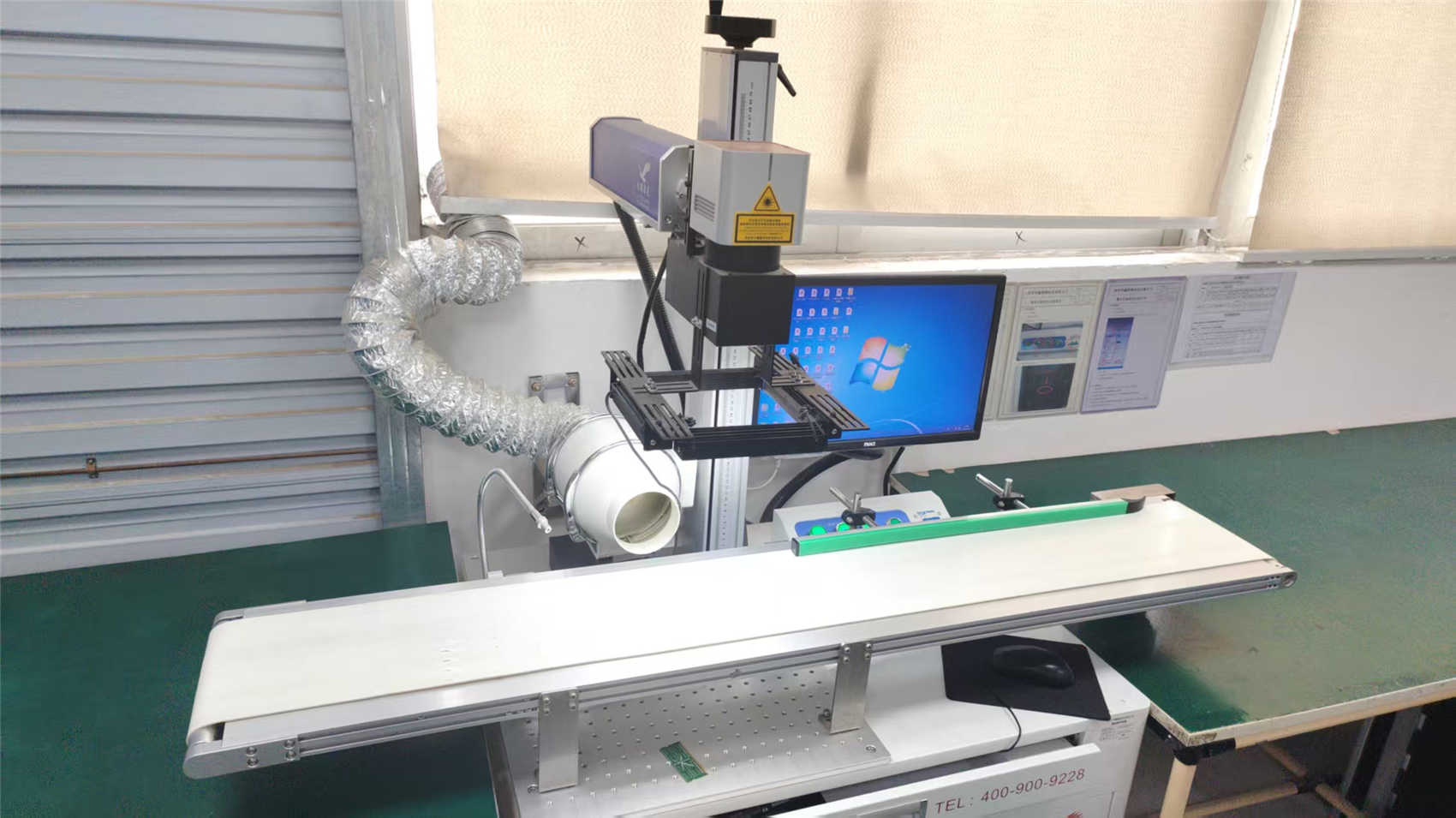
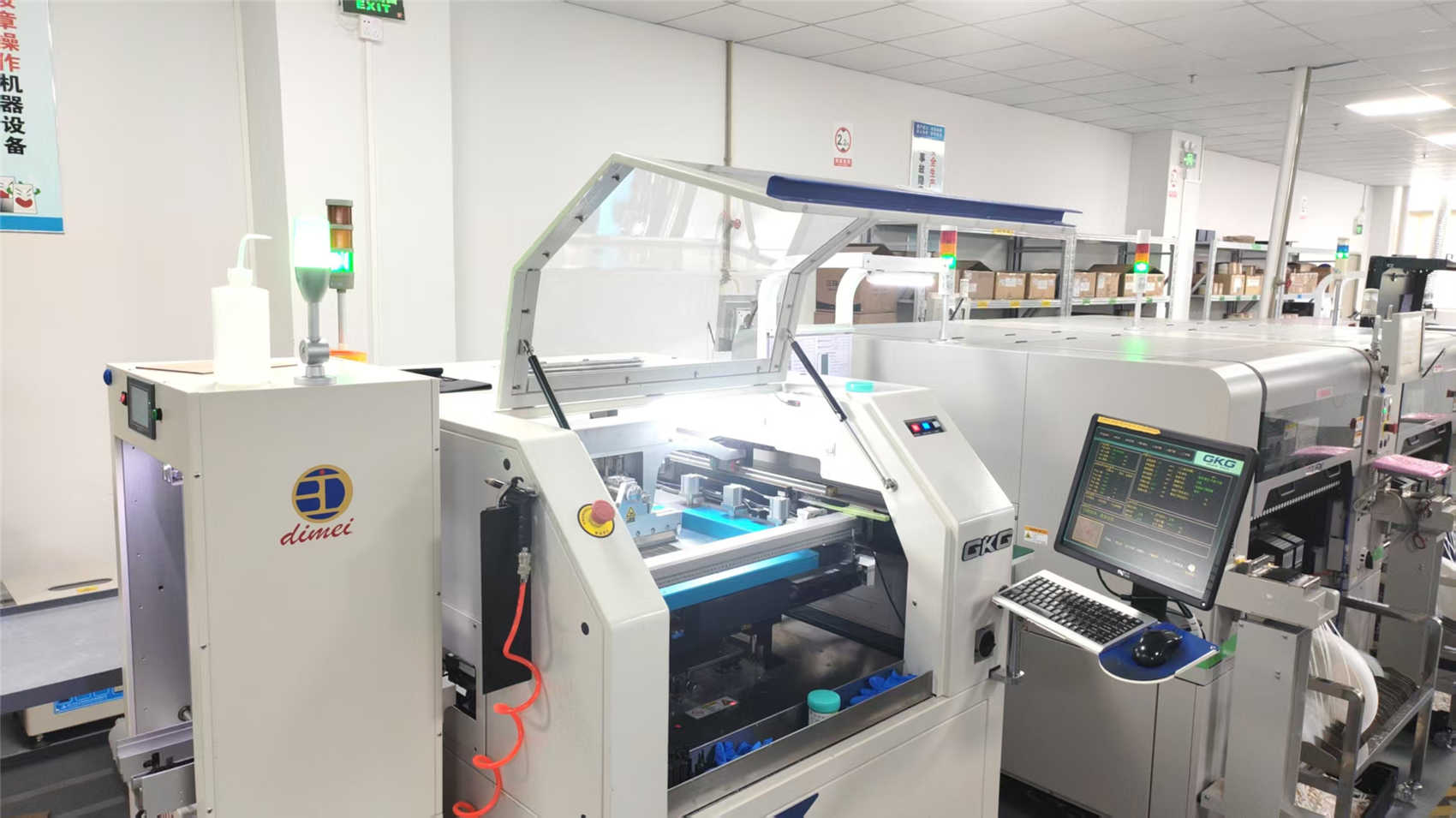
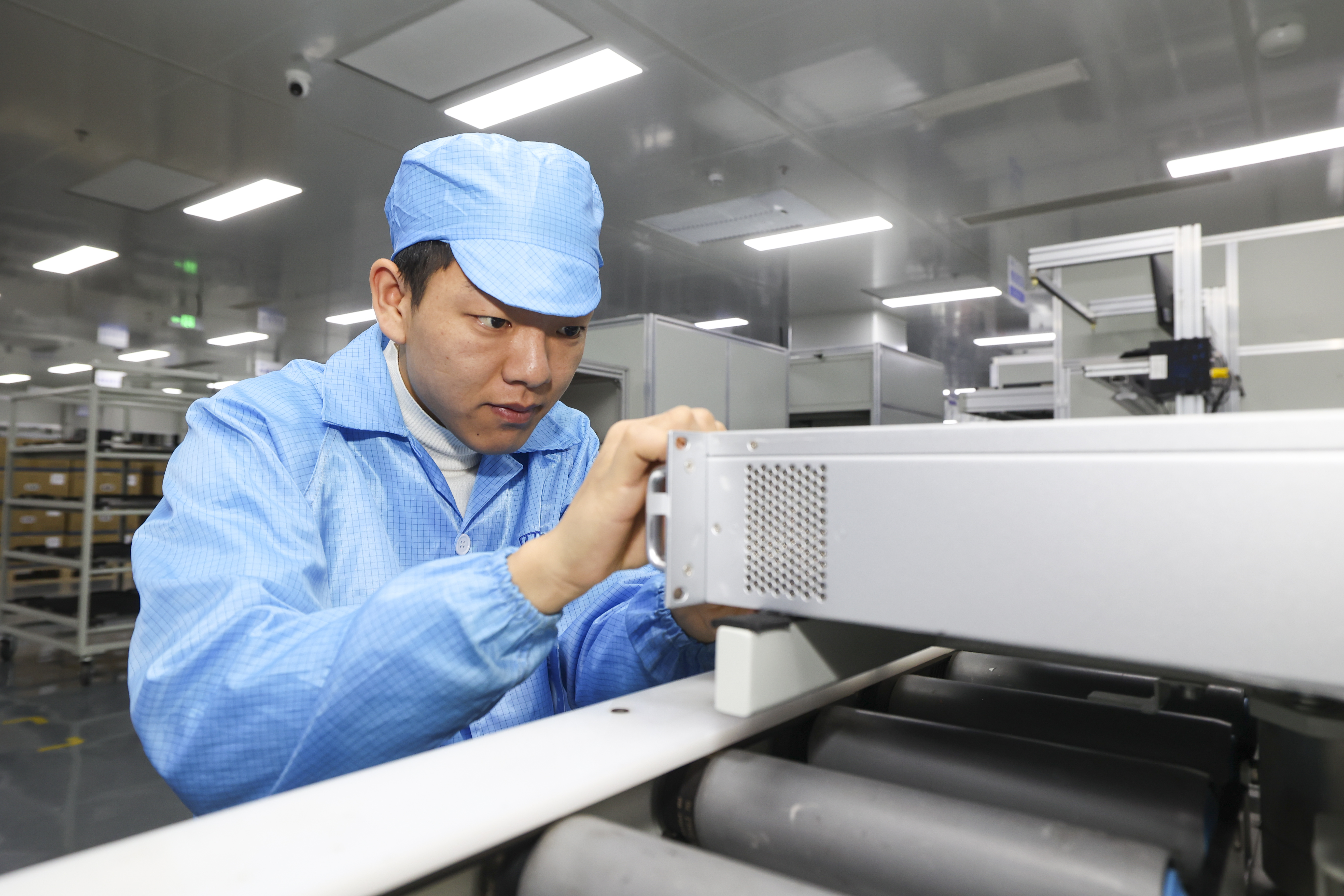
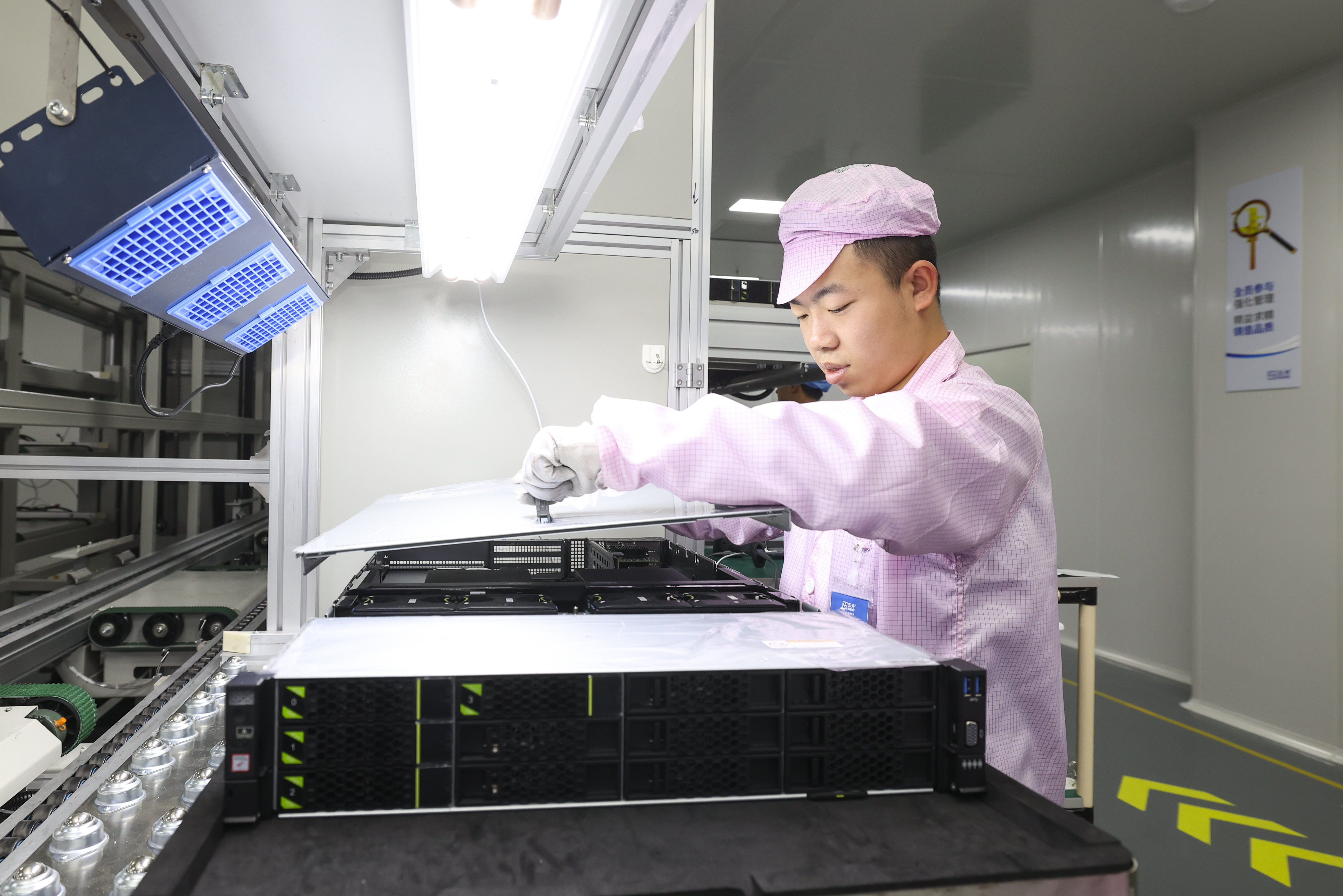
Operating from a modern manufacturing facility equipped with advanced production and testing hardware, CoreByte implements strict quality control standards. The company maintains an annual export revenue of approximately USD 12 million, with six years of direct export experience to key global markets, including North America, Europe, Southeast Asia, and the Middle East.
Quality assurance is central to CoreByte's operations. The company utilizes ISO9001-based quality management systems alongside automated optical inspection (AOI), X-ray validation, and high-temperature aging tests to ensure high product reliability and system compatibility. CoreByte’s quality control team consists of 45 inspectors who oversee production batches to verify compliance with international standards.
Through a network of over 1,200 supply chain partners, CoreByte supports stable production schedules and fast lead times for custom runs. The company’s engineering division, which includes 85 R&D engineers, launches approximately 120 new product models annually, keeping pace with advancements in AI computing, cloud storage infrastructure, and high-frequency communication hardware.
Selecting the appropriate high-frequency substrate involves evaluating dielectric constant, loss tangent, thermal conductivity, and coefficient of thermal expansion (CTE). Below is a comparison of common Rogers laminates compared against standard FR-4, demonstrating why Rogers is preferred for high-frequency RF systems:
| Material Property | Rogers RO4003C | Rogers RO4350B | Rogers RO3003 | Standard FR-4 |
|---|---|---|---|---|
| Dielectric Constant (Dk @ 10GHz) | 3.38 ± 0.05 | 3.48 ± 0.05 | 3.00 ± 0.04 | 4.2 - 4.8 |
| Dissipation Factor (Df @ 10GHz) | 0.0027 | 0.0037 | 0.0010 | 0.015 - 0.020 |
| Thermal Conductivity (W/m/K) | 0.71 | 0.69 | 0.50 | 0.25 |
| CTE (X-Y-Z Axis, ppm/°C) | 11 / 14 / 46 | 11 / 14 / 32 | 17 / 17 / 24 | 14 / 16 / 50 |
| Moisture Absorption (%) | 0.06 | 0.06 | 0.04 | 0.10 - 0.20 |
Rogers RO4003C and RO4350B thermoset materials are engineered to process similarly to standard epoxy/glass FR-4 while providing low-loss performance. This compatibility permits the fabrication of hybrid multi-layer stack-ups. In these hybrid designs, Rogers materials are used on the outer signal layers to handle high-frequency paths, while the internal layers utilize lower-cost FR-4 for structural and power routing, helping to optimize overall manufacturing costs.
Reliable component solutions designed to meet the strict thermal and electrical requirements of modern computing systems.
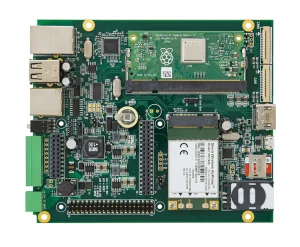
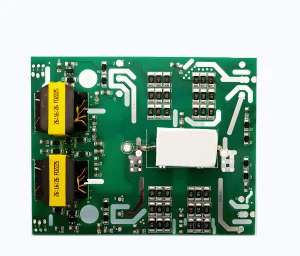
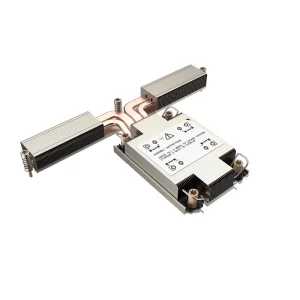
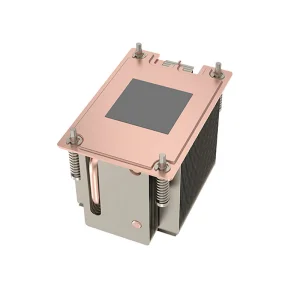
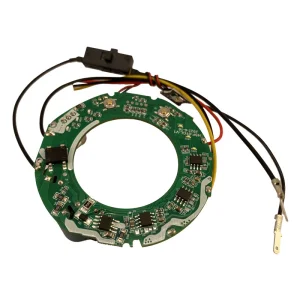
From custom control boards to thermal dissipation solutions, designed for stable operation in commercial systems.
Engineering high-frequency printed circuit boards with Rogers laminates requires careful attention to design tolerances and manufacturing processes. Unlike standard low-frequency circuits, high-speed digital and RF signals are sensitive to physical discontinuities, trace roughness, and dielectric fluctuations.
To optimize performance in Rogers-based RF circuits, several key parameters must be controlled:
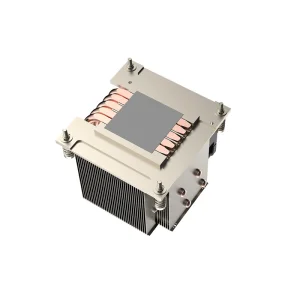
High-power RF amplifiers generate substantial heat. Rogers materials, which feature higher thermal conductivity than standard FR-4, help conduct heat away from components. Designing solid copper ground planes, utilizing thermal vias, or mounting the PCB directly to an aluminum or copper heatsink helps keep component temperatures within safe limits.
Sourcing raw materials and managing logistics are key components of high-frequency PCB procurement. Procurement teams should verify that suppliers maintain traceabilty for all laminates and utilize testing procedures such as Automated Optical Inspection (AOI), flying probe testing, and microsection analysis to confirm internal layer registration and plated through-hole quality.
Detailed technical answers regarding material characteristics, manufacturing methods, and logistics for high-frequency PCBs.
 CoreByte