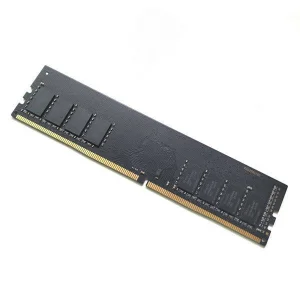
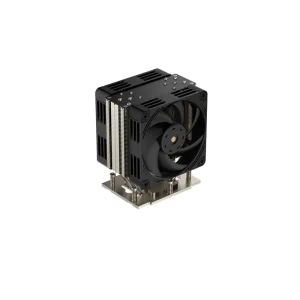
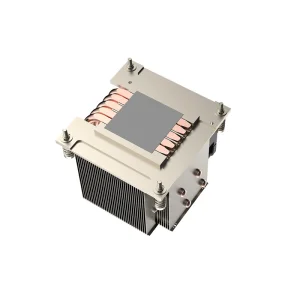
High-frequency PCB prototypes and thermal components customized for Ghana's expanding telecom and industrial systems.
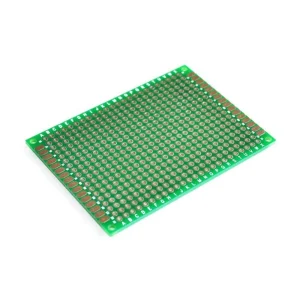
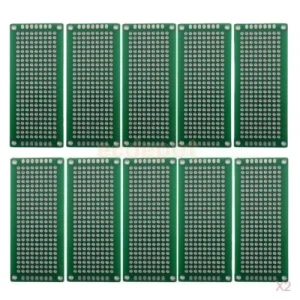
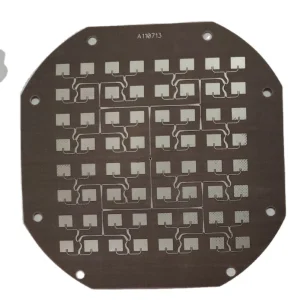
The macro-economic shift driving demand for specialized Rogers High-Frequency PCBs in West Africa.
As one of West Africa's fastest-growing economies, Ghana is undergoing a rapid technological transformation. Driven by national initiatives such as the "Ghana CARES (Obaatan pa) Programme" and the accelerating deployment of 4G LTE and preliminary 5G wireless trials, the demand for sophisticated telecommunication infrastructure has hit an all-time high. Major telecom providers like MTN Ghana, Telecel, and AT Ghana are continuously upgrading their cellular towers and base stations to handle massive data traffic. This rapid expansion places extreme technical demands on hardware suppliers, specifically for high-frequency radio frequency (RF) and microwave printed circuit boards (PCBs).
Traditional FR-4 PCB materials fail to deliver the signal integrity and thermal efficiency required at high microwave frequencies. Rogers Corporation materials (such as the RO4000 and RT/duroid series) offer ultra-low dielectric constant tolerance, exceptionally low loss tangents (dissipation factors), and excellent thermal management. In Ghana's tropical climate, characterized by high temperatures and severe coastal humidity, maintaining signal stability across cell towers and radar systems requires materials that are physically and chemically stable under changing environmental conditions.
Beyond telecommunications, Ghana’s heavy industries—notably gold mining in areas like Obuasi and Tarkwa, and offshore oil production near Takoradi—are introducing modern automated monitoring networks. These remote sensor modules, radar systems for geological mapping, and telemetry units require ruggedized PCBs built on high-performance Rogers substrates. Without the thermal stability and low-loss metrics of Rogers materials, sensor readings can drift, causing costly downtime in critical operations.
Technical capabilities and fabrication parameters optimized for tropical deployment.
We maintain precise control over dielectric constant (Dk range: 2.2 to 10.2) to ensure consistent transmission line impedance across high-bandwidth communication lines, preventing signal reflection and phase noise in RF antennas.
Ghana's average annual temperatures demand high thermal conductivity. Rogers materials like RO4350B offer 0.62 W/m/K thermal conductivity, mitigating localized hotspots in high-power power amplifiers (PAs).
With an extremely low moisture absorption rate (<0.06%), Rogers substrates prevent dielectric changes and performance degradation caused by the high relative humidity of the coastal West African zone.
Driving high-performance server, memory, and specialized PCB solutions globally.
CoreByte Storage Technology Co., Ltd. is a professional DDR5 memory, DRAM, and customized circuit solution manufacturer specializing in high-performance hardware for global OEM, enterprise, and data center applications. Operating a modern facility built to meet rigorous electronics assembly tolerances, the company ensures strict quality control standards via advanced AOI (Automated Optical Inspection) systems and high-temperature aging chambers.
Our quality assurance processes align strictly with ISO9001-based quality management frameworks. The quality control department operates with 45 dedicated inspectors, ensuring that from high-frequency Rogers PCB routing to memory module frequency matching, every product achieves the optimal standard before shipment. With a robust logistics network supporting global hubs, CoreByte provides customized tuning services, localized support, and high-frequency substrate engineering for clients across North America, Europe, Southeast Asia, the Middle East, and rapidly growing African markets like Ghana.
Targeted industrial integrations solving local operating challenges.
As telecom providers upgrade their base stations to include higher frequencies, they require Rogers 4003C or 4350B laminates for low signal distortion. In heavy urban areas such as Accra and Kumasi, interference is a critical factor. Rogers PCBs are essential for fabricating microstrip patch antennas, power amplifiers, and diplexers that isolate and broadcast clean radio signals with minimal path loss, ensuring lower battery consumption on consumer devices and broader network coverage per mast.
Modern smart grid systems deployed by the Electricity Company of Ghana (ECG) rely on wireless telemetry to transmit consumption data back to control nodes. Utilizing Rogers PCB substrates inside these telemetry units guarantees stable impedance even in high thermal fluctuation environments. This ensures that continuous communication is maintained between rural substations and urban energy centers, reducing billing discrepancies and facilitating load-shedding control.
Mining operations require highly specialized RF tracking sensors, seismic monitoring equipment, and heavy-machinery control circuits. Standard PCBs can delaminate under the intense vibration, mechanical shock, and moisture found in deep underground mines. Using hybrid stack-ups of Rogers and FR-4 with metal backing provides the structural strength and electrical insulation required to prevent circuit failure during round-the-clock operations.
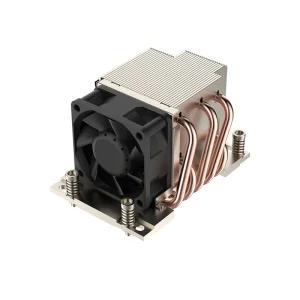
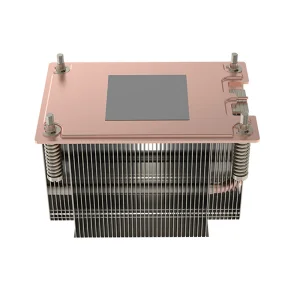
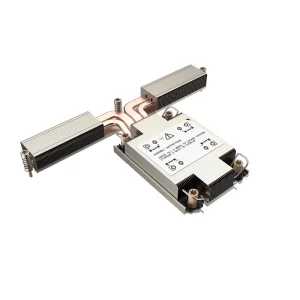
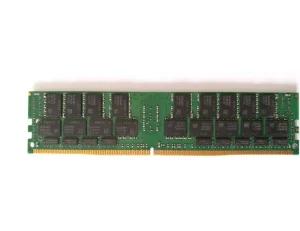
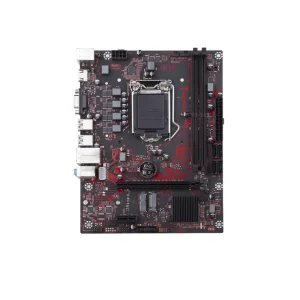
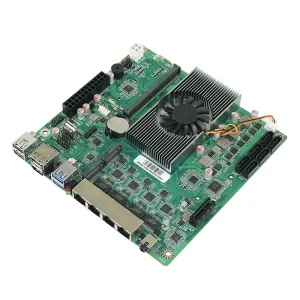
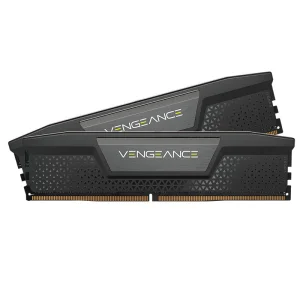
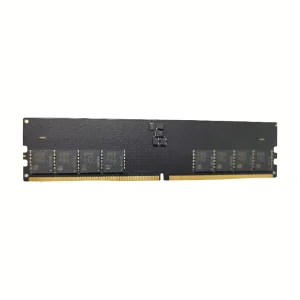
With Ghana positioning itself as a West African technology hub, local data centers are emerging to host cloud compute storage and high-speed data servers. CoreByte’s high-capacity memory kits and advanced CPU cooling radiators work in tandem with Rogers high-frequency backplane PCBs. Together, they prevent data bottlenecks and maintain hardware temperature thresholds, preventing thermal degradation under high computing loads.
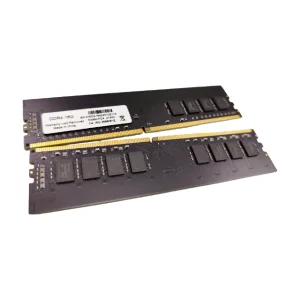
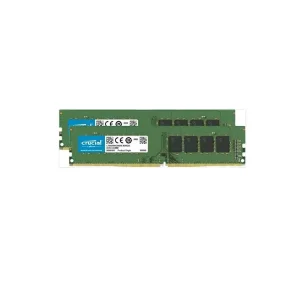
Original CoreByte memory and server components for data centers and network hubs in Ghana.
Detailed dielectric comparison and material suitability profiles.
When executing Rogers high-frequency layouts, choosing the correct material grade determines the longevity of the installation. Below, our engineers highlight the primary materials utilized in Rogers PCB fabrication for West African projects:
| Rogers Series | Dielectric Constant (Dk) | Dissipation Factor (Df) | Thermal Conductivity (W/m/K) | Primary Application |
|---|---|---|---|---|
| RO4003C | 3.38 ± 0.05 | 0.0027 | 0.64 | Base Station Antennas, RF Amplifiers |
| RO4350B | 3.48 ± 0.05 | 0.0037 | 0.62 | LNBs, Cellular Transmitters, WiFi Router Modules |
| RO3003 | 3.00 ± 0.04 | 0.0010 | 0.50 | Automotive Radar (77-81 GHz), ADAS Systems |
| RT/duroid 5880 | 2.20 ± 0.02 | 0.0009 | 0.20 | Military Avionics, Aerospace Microwave Systems |
Operating high-frequency circuits under hot, coastal conditions requires materials with high glass transition temperatures (Tg > 280°C). Our manufacturing processes leverage hybrid stack-up configurations (e.g., bonding Rogers laminates directly to standard FR-4 layers using high-temperature prepregs like FR44). This reduces unit costs while maintaining excellent RF performance on outer microstrip routing layers.
The Harmattan wind—blowing dry, dust-laden air from the Sahara across Ghana between December and February—presents unique challenges for electronic assemblies. Dust buildup on circuits can lead to surface leakage and impedance mismatches. To address this, we offer localized coating options, including specialized conformal coatings (silicone and polyurethane options) that prevent dust adherence and moisture ingression without altering the dielectric constant (Dk) value of the sensitive microstrip tracks.
Ensuring seamless delivery and technical support across West African ports.
Developing high-tech electronics projects requires stable and efficient logistics. At CoreByte, we streamline the transit of high-frequency Rogers substrates to Ghana by partnering with logistics operators servicing Tema Port and Kotoka International Airport (ACC). This allows for accelerated clearance, reduced transit damage, and compliance with the Ghana Standards Authority (GSA) and the National Communications Authority (NCA) regulations.
Our trade-oriented logistics team provides appropriate HS classification documentation (under HS code 8534.00 for Printed Circuits) to reduce duty costs and avoid clearance delays. By preparing clean, compliant export manifests, we assist Ghanaian companies in integrating custom assemblies into their final setups without import delays.
Every shipment of Rogers PCBs is hermetically sealed with desiccant packs to prevent moisture absorption during maritime or air transit. Additionally, we provide comprehensive diagnostic and testing certificates (including impedance trace test coupons, solderability certificates, and AOI inspection logs) for every batch, facilitating immediate deployment on-site.
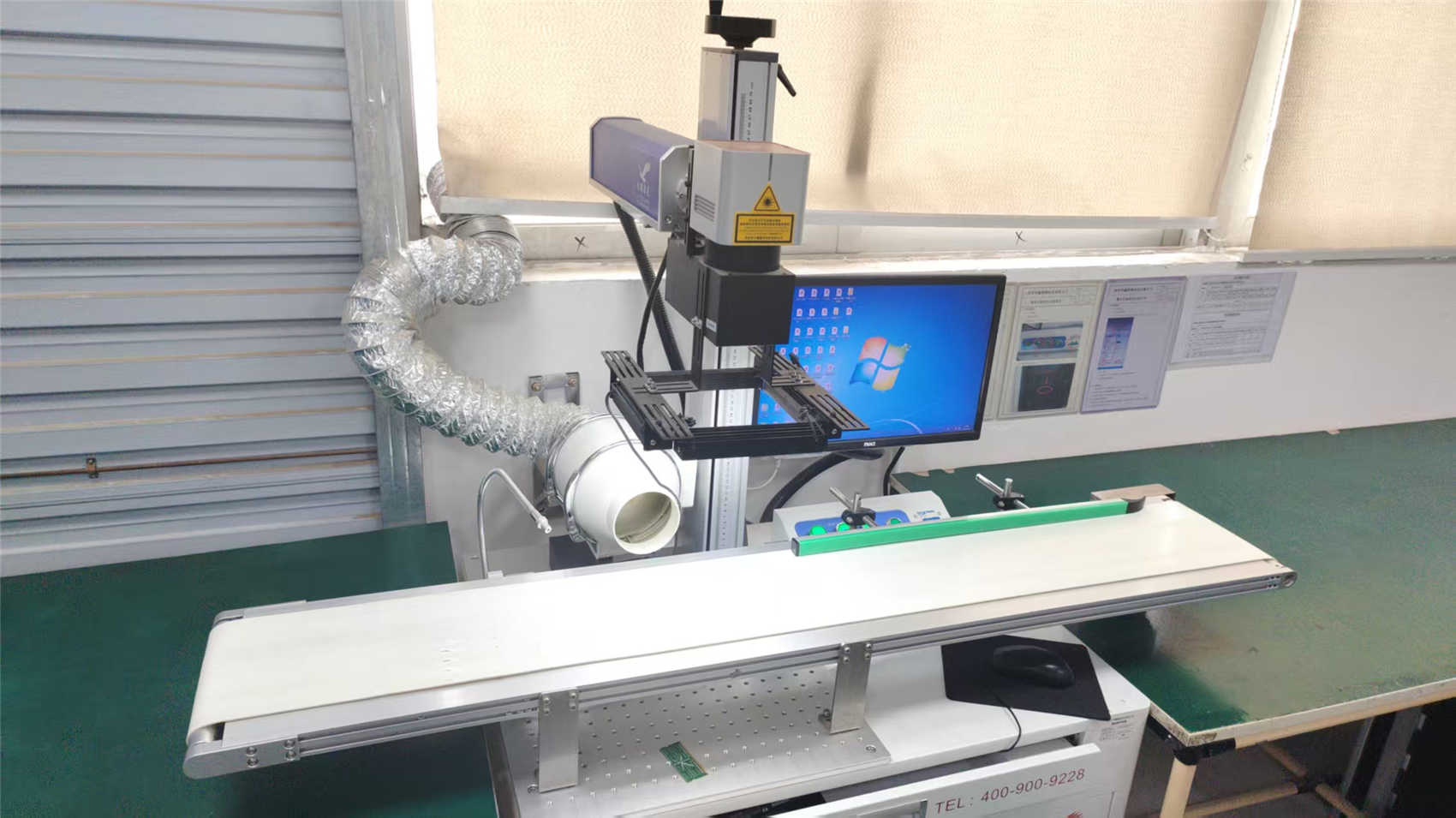
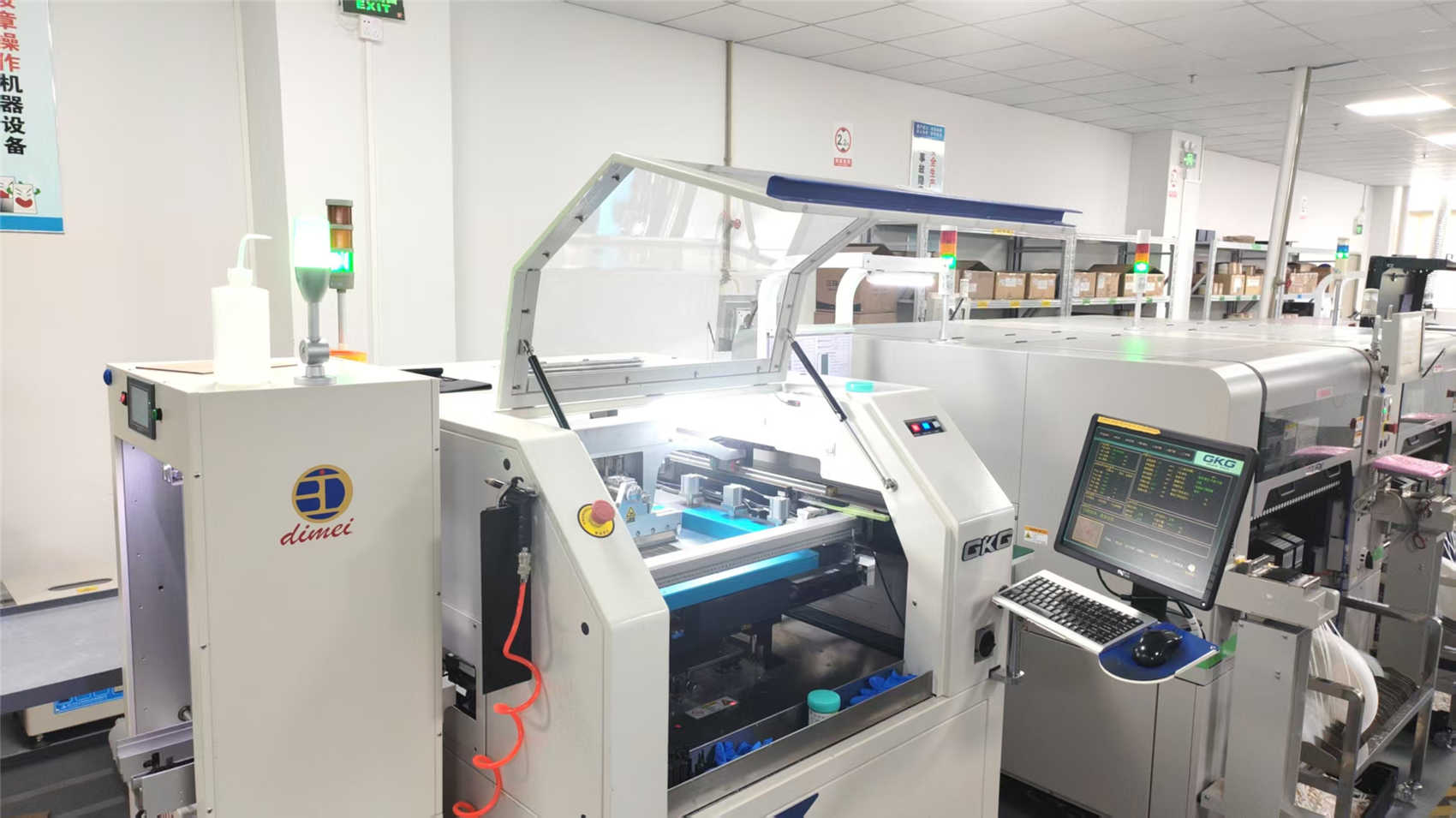
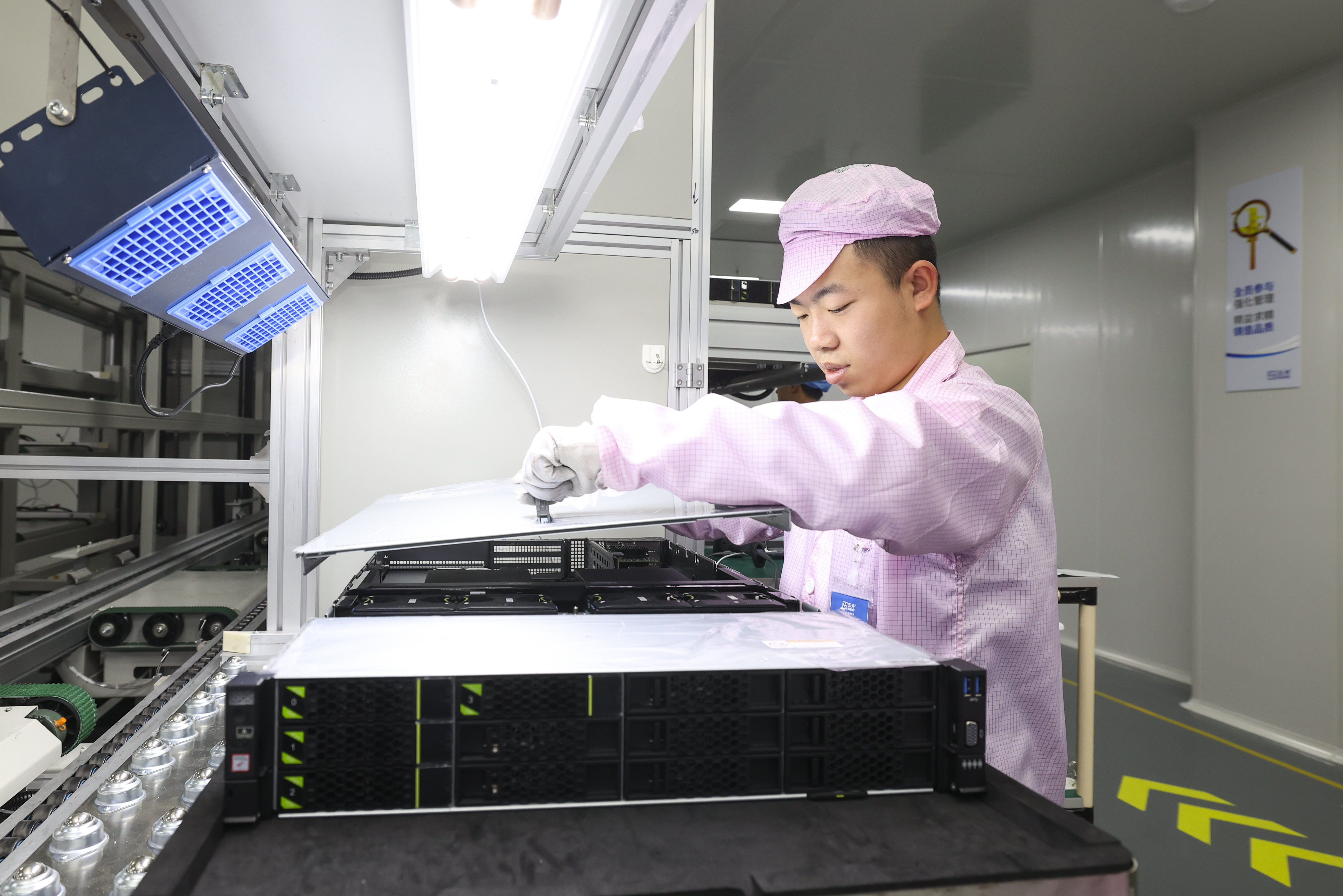
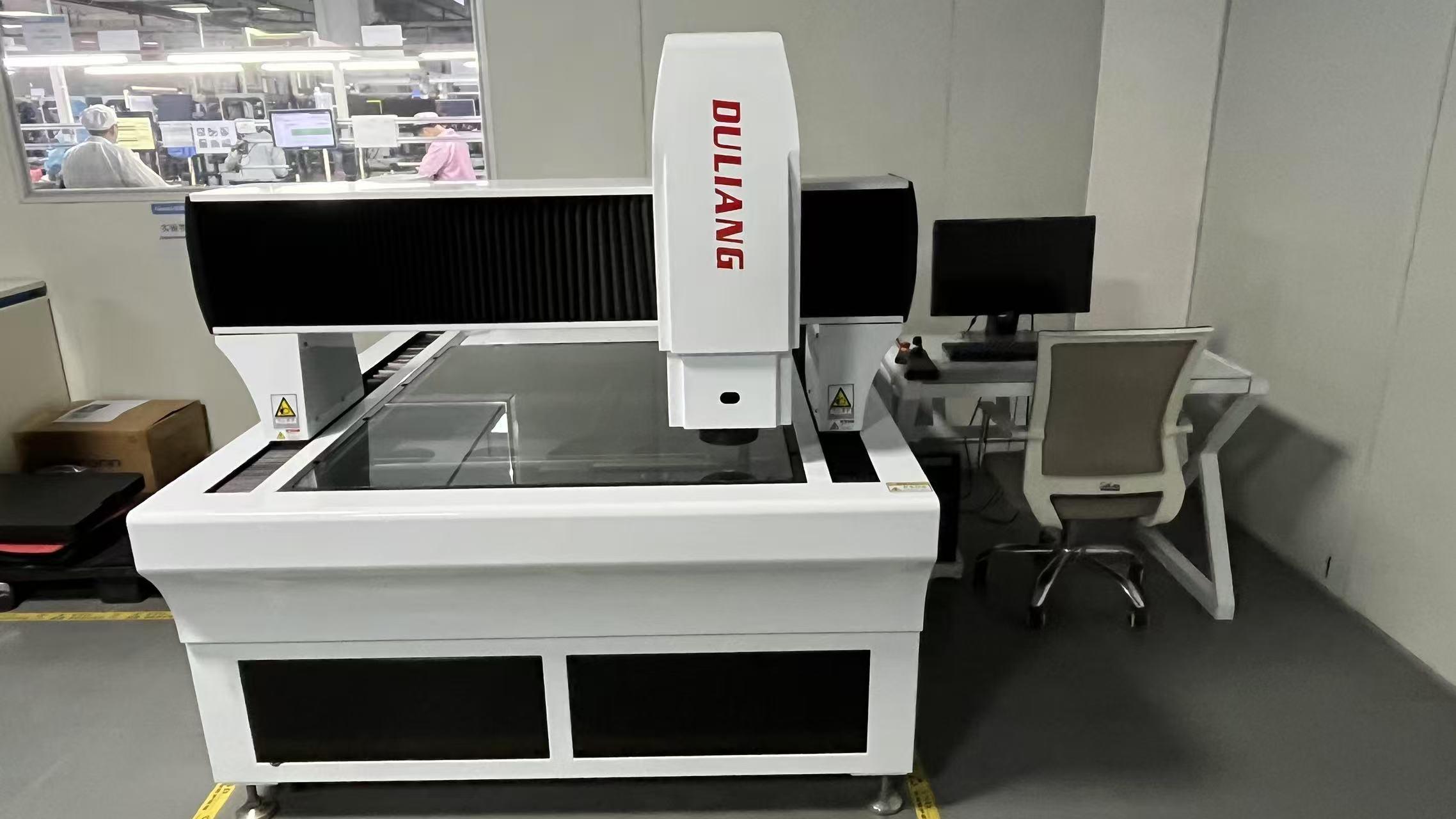
Take a look inside our cleanrooms, automated optical testing labs, and assembly units.

Answers to technical and commercial questions about Rogers PCBs for the Ghanaian market.
Discuss your high-frequency Rogers substrate projects or server hardware needs with our specialized R&D team. We provide free engineering reviews, stack-up simulations, and DFM validation for the Ghana and West African market.
 CoreByte