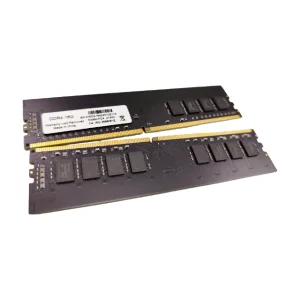
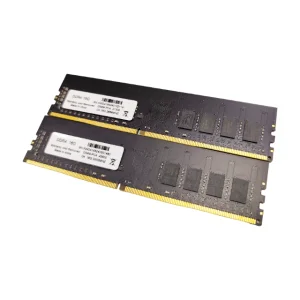
High-performance DDR4 and DDR5 modules, strictly validated for industrial hardware, client computing, and server nodes across Mexico's manufacturing corridors.
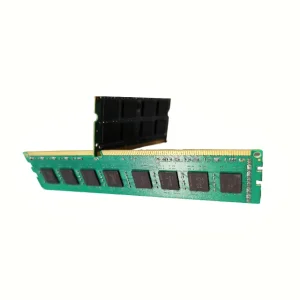
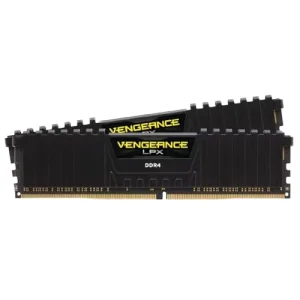
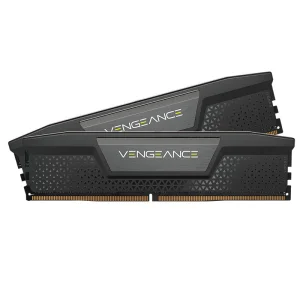
Over the past decade, Mexico has solidified its position as a critical powerhouse for advanced electronics manufacturing. Across key manufacturing clusters such as Guadalajara (popularly recognized as the "Silicon Valley of Mexico"), Tijuana, and Querétaro, multinational enterprises and contract manufacturers (EMS) are rapidly scaling local operations. This boom is fueled by the aggressive global "nearshoring" wave, which aims to shorten supply chains to North American consumer markets while lowering import risks.
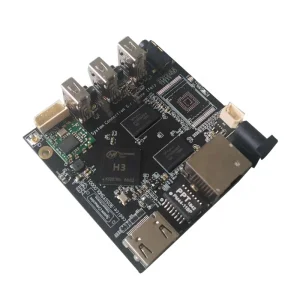
Within this ecosystem, the demand for semiconductor memory products—most notably high-speed, high-density Laptop DDR RAM, server UDIMMs, and embedded PCBA computing platforms—has experienced exponential growth. Modern assemblies like automotive ECUs, enterprise server stacks, smart energy hardware, and industrial automation control systems require highly stable DRAM chips that can operate in demanding physical environments. As the complexity of device manufacturing in regions like Nuevo León and Baja California escalates, supply chain planners are shifting away from intermediate brokerage networks, opting instead for direct, factory-level partnerships with primary SMT DRAM manufacturers.
Purchasing agents and electronics design houses operating under the Mexican IMMEX program (formerly Maquiladora system) require exceptional supply chain agility. Under this structure, components must be delivered with transparent customs compliance, accurate Certificates of Origin, and zero-defect quality parameters. A delay of a single shipment of DDR RAM modules can grind an entire laptop assembly or telemetry device line to a halt, costing thousands of dollars in lost productivity.
By establishing direct channels with CoreByte Storage Technology, Mexican manufacturers bypass additional supply markups and gain real-time visibility into the memory chip production queue. This enables highly customizable layouts, custom SPD configuration tuning for compatibility, and customized thermal shielding structures that meet localized industrial standards.
As standard computing speeds scale, Mexico's commercial electronics assembly lines are undergoing a significant shift from DDR4 to DDR5 standards. DDR5 delivers a base bus speed starting at 4800MHz up to 6000MHz+, drastically outperforming typical DDR4 configurations. Furthermore, DDR5 introduces on-die Error Correction Code (ECC) and an integrated Power Management IC (PMIC) right on the memory PCB module itself, shifting power regulation away from the motherboard. This architectural shift significantly improves signal integrity and reduces energy consumption in battery-operated systems like industrial laptops and embedded field units.
CoreByte’s engineering team specializes in assisting Mexican partners during this technological migration. Our laboratory facilities validate DDR5 system compatibility across a broad spectrum of processing units, including the latest Intel Core mobile platforms and AMD Ryzen architectures, ensuring seamless hardware integration upon delivery.
Backed by rigorous ISO9001 quality infrastructure and optimized logistics frameworks to guarantee continuous operations for Mexico's tech industry.
From custom latency settings (CAS Latency tuning) to heavy-duty thermal heat spreaders designed for high-humidity factories in coastal Mexico, we configure your modules for precision.
All DRAM dies undergo thorough high-temperature aging chambers and Automated Optical Inspection (AOI) under strict ISO9001 guidelines before leaving the factory.
Complete support for IMMEX operations, pedimento-friendly documents, clear HTS classification (8473.30), and streamlined custom procedures through major ports of entry.
Navigating regulatory structures and import guidelines when bringing advanced computing hardware and DRAM components into Mexico.
Importing precision computing hardware and memory components into the Mexican customs system requires compliance with local standards. Electronics imported for commercial retail or industrial integration must adhere to specific Normas Oficiales Mexicanas (NOM). Most notably, safety standards such as NOM-001-SCFI-2018 (electronic devices safety and testing methods) and NOM-019-SCFI-1998 (safety of data processing equipment) govern computing platforms, motherboards, and large-scale memory assemblies.
CoreByte works hand-in-hand with licensed Mexican customs brokers (Agentes Aduanales) to ensure that every shipment conforms to these requirements. When components are imported under the IMMEX program, our documentation includes detailed descriptions of components, manufacturer declarations, and correct Harmonized System (HS) codes—typically under 8473.30 for parts of automatic data processing machines. This precision minimizes the risk of clearance delays at critical ports like Laredo/Nuevo Laredo, Manzanillo, or Mexico City Airport (AICM).
Additionally, we optimize package density and protection. Memory components are highly sensitive to Electrostatic Discharge (ESD) and physical vibrations. Every shipment is packed in customized anti-static trays, moisture-barrier bags with desiccant packs, and impact-resistant cartons. This guarantees that your parts arrive at your assembly floor in Chihuahua or Guadalajara in pristine factory condition, ready for high-speed SMT assembly or final systems testing.
Expert technical insights regarding memory procurement, production capabilities, and distribution logistics for Mexican electronic assemblies.
Inside our high-precision SMT cleanroom, validation labs, and advanced packaging departments.
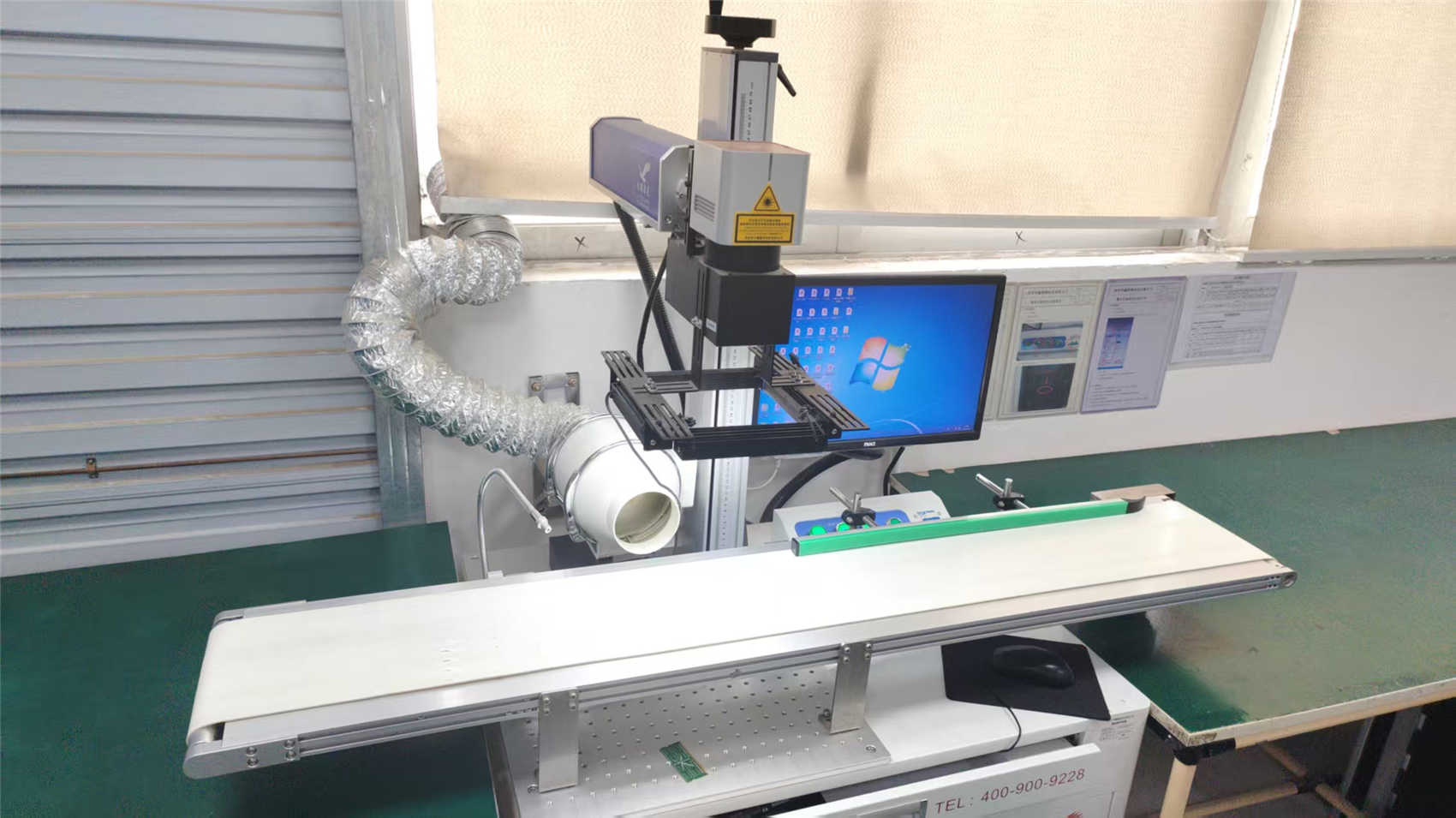
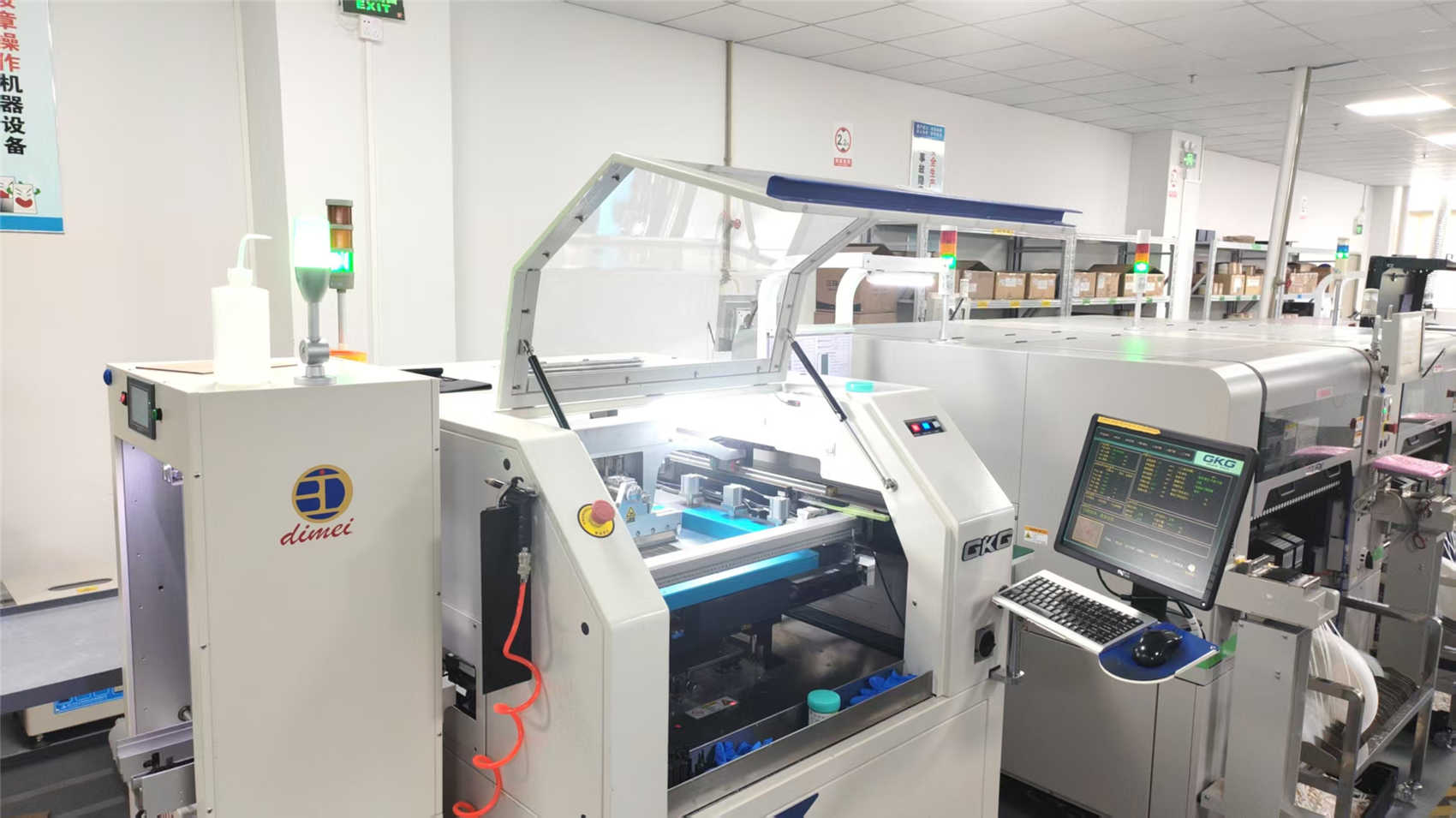
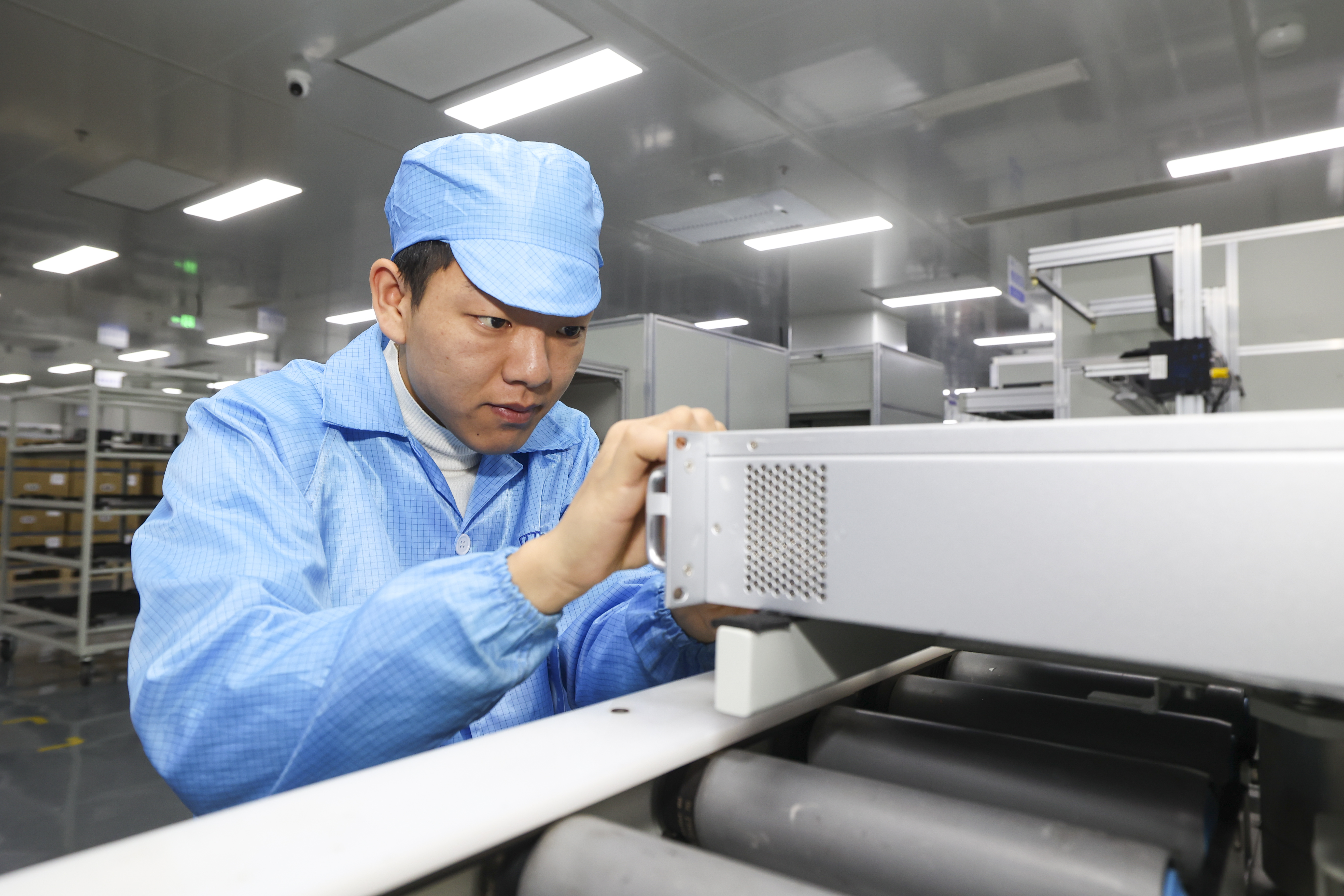
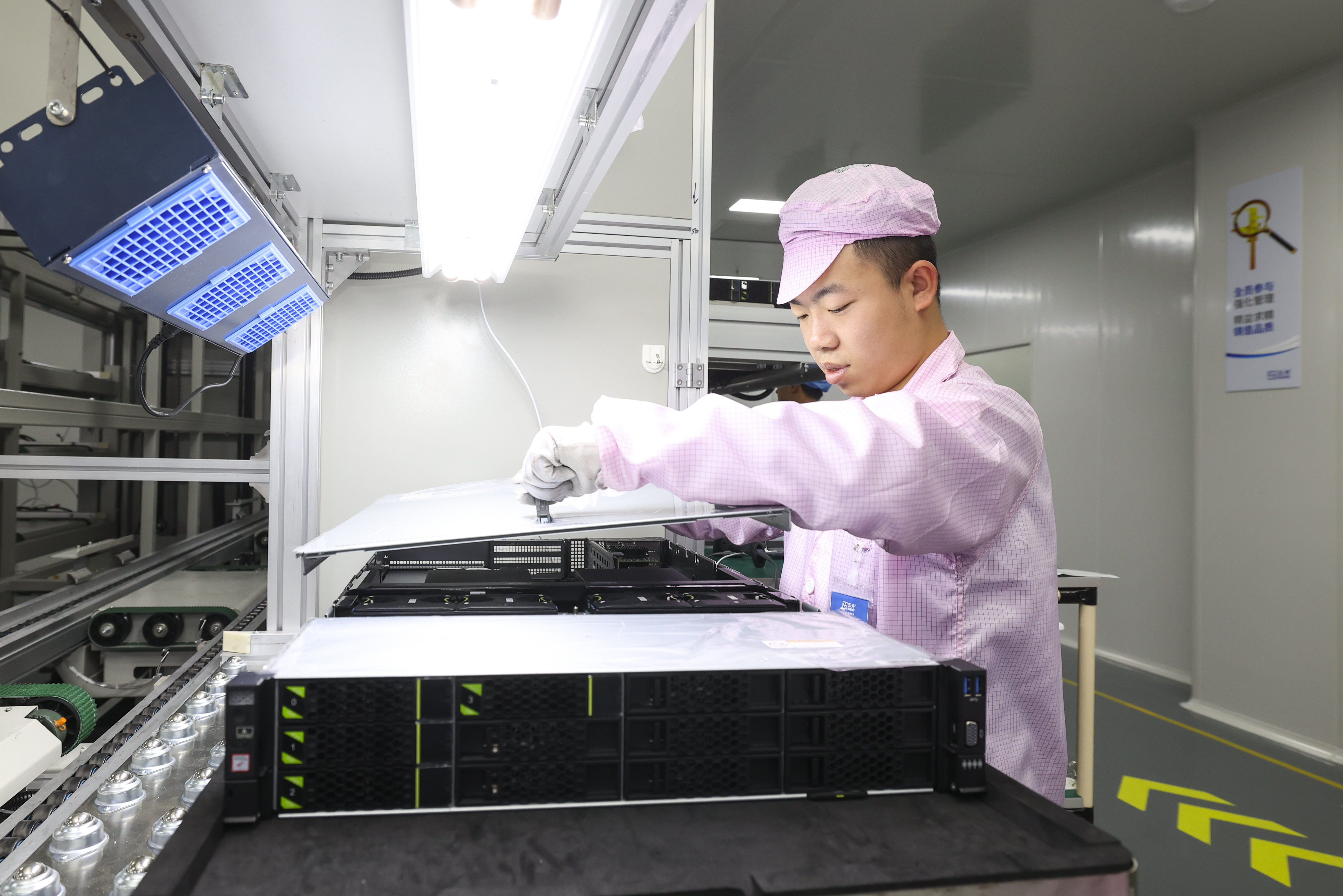
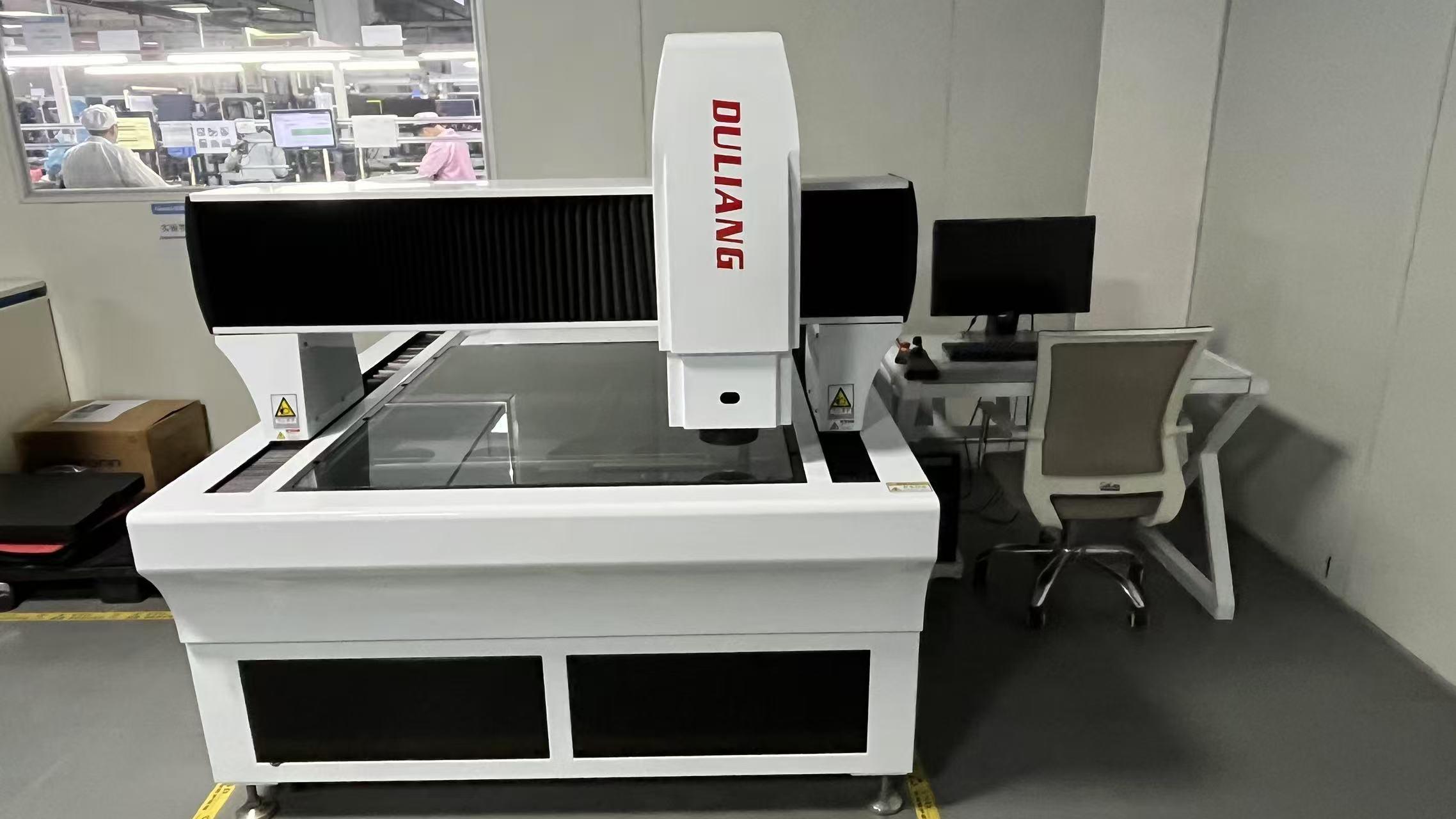
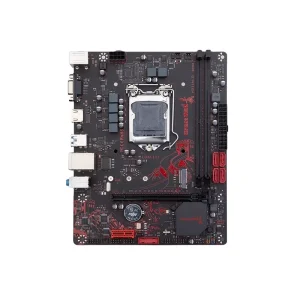
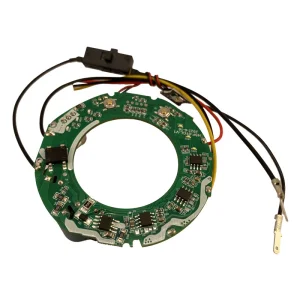
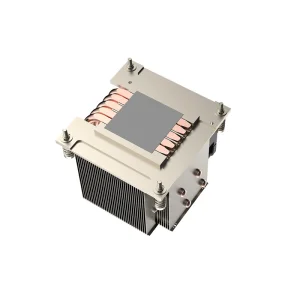
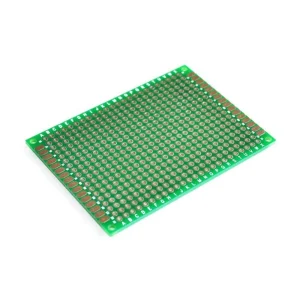
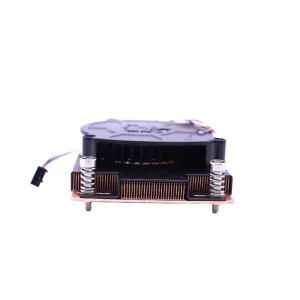
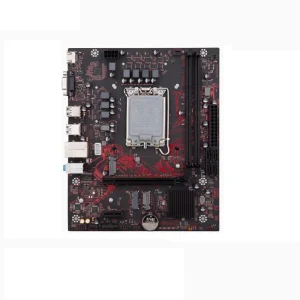
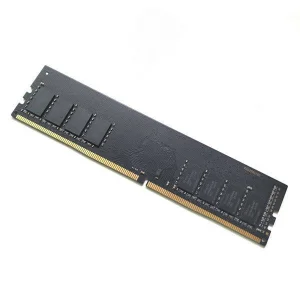
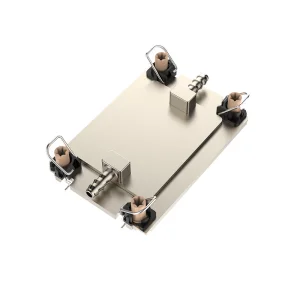
Explore our comprehensive inventory of memory modules, customized PCBAs, and advanced cooling systems for industrial platforms in Mexico.
 CoreByte