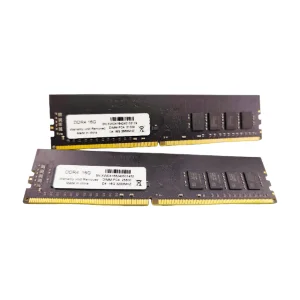
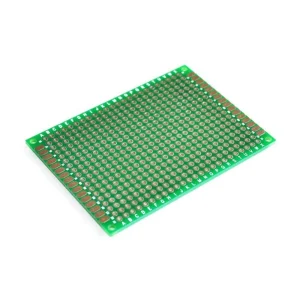
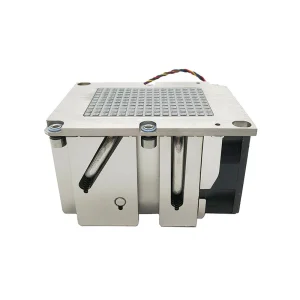
Select industrial-grade server memories, thermal management, and rapid prototype boards optimized for northern German system integrators.
A White Paper on High Glass Transition Temperature (High-TG) Printed Circuit Boards in High-Reliability Deployments.
In modern electronic engineering, the thermal stability of printed circuit boards is paramount. High-TG (Glass Transition Temperature) PCBs are characterized by a glass transition temperature rating of 170°C to 180°C or higher, compared to standard FR4 boards which typically transition around 130°C to 140°C.
When the operating temperature of a system approaches or exceeds its TG rating, the substrate shifts from a rigid, glassy state to a soft, rubbery phase. This transition severely degrades the board’s mechanical strength, dimensional stability, and electrical performance. By employing specialized materials such as high-temperature epoxy resins, phenolic curing agents, and premium woven glass reinforcement, High-TG boards retain their structural integrity under constant thermal strain.
Beyond the glass transition threshold, High-TG PCBs offer significant improvements in the **Coefficient of Thermal Expansion (CTE)**, particularly in the Z-axis. Z-axis expansion is the main cause of plated through-hole (PTH) cracking and inner-layer separation in multi-layer stackups.
Additionally, these substrates exhibit superior **T260 and T288 times-to-delamination** and higher decomposition temperatures (Td ≥ 340°C). This level of thermal resilience ensures that systems operating in extreme environments—such as aviation engines, high-power wind turbine converters, and high-density server racks—maintain optimal electrical pathways and signal fidelity.
Hamburg, Germany, stands as one of the world's most critical hubs for aviation (anchored by the Airbus Finkenwerder assembly site) and maritime commerce (exemplified by the Port of Hamburg). These sectors require electronic systems that can survive aggressive environmental and thermal stressors.
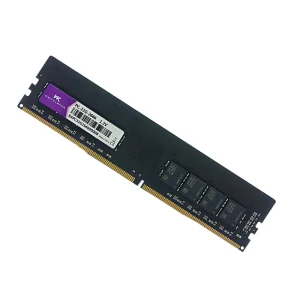
High-speed RAM modules and flexible interface components optimized for Hamburg's industrial automation and embedded system markets.
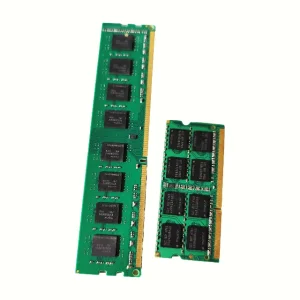
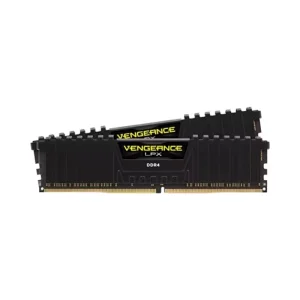
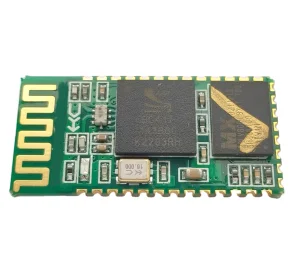
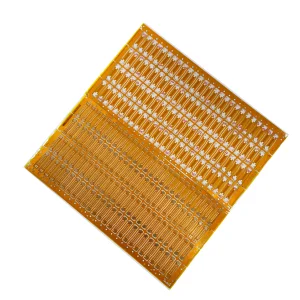
The CoreByte Edge: Bridging high-speed semiconductor delivery with stringent quality assurance standards.
CoreByte operates under rigid ISO9001-based quality management systems. Each board undergoes automated optical inspection (AOI) and high-temperature aging tests to guarantee thermal stability.
With 85 dedicated R&D engineers, we design and produce tailored PCB configurations, specialized impedance matching, and thermal solution layouts for bespoke client systems.
By coordinating production from Shenzhen hubs, CoreByte bypasses material shortages. Over 1,200 partners help secure critical high-TG raw materials and DRAM chips.
Established in 2016, CoreByte Storage Technology Co., Ltd. has developed strong capabilities in R&D, production, and international trade, focusing on stable, high-speed, and energy-efficient memory products and PCB assemblies. The company operates a modern manufacturing facility with advanced production and testing equipment to ensure strict quality control standards.
With an annual export revenue of around USD 12 million, 6 years of export experience, and over 9 years of industry experience, CoreByte maintains a strong trade-oriented background. We serve key markets including North America, Europe (with a strong focus on Germany and the Hamburg trade cluster), Southeast Asia, and the Middle East.
Quality assurance is a core priority. The quality control team consists of 45 dedicated inspectors, ensuring every batch meets international performance standards. Our engineering capabilities support advanced customization services, including PCB design optimization, frequency tuning, thermal solution adjustment, and branding customization. We launch approximately 120 new product models annually to meet evolving market demands in AI computing, cloud infrastructure, and industrial electronics.
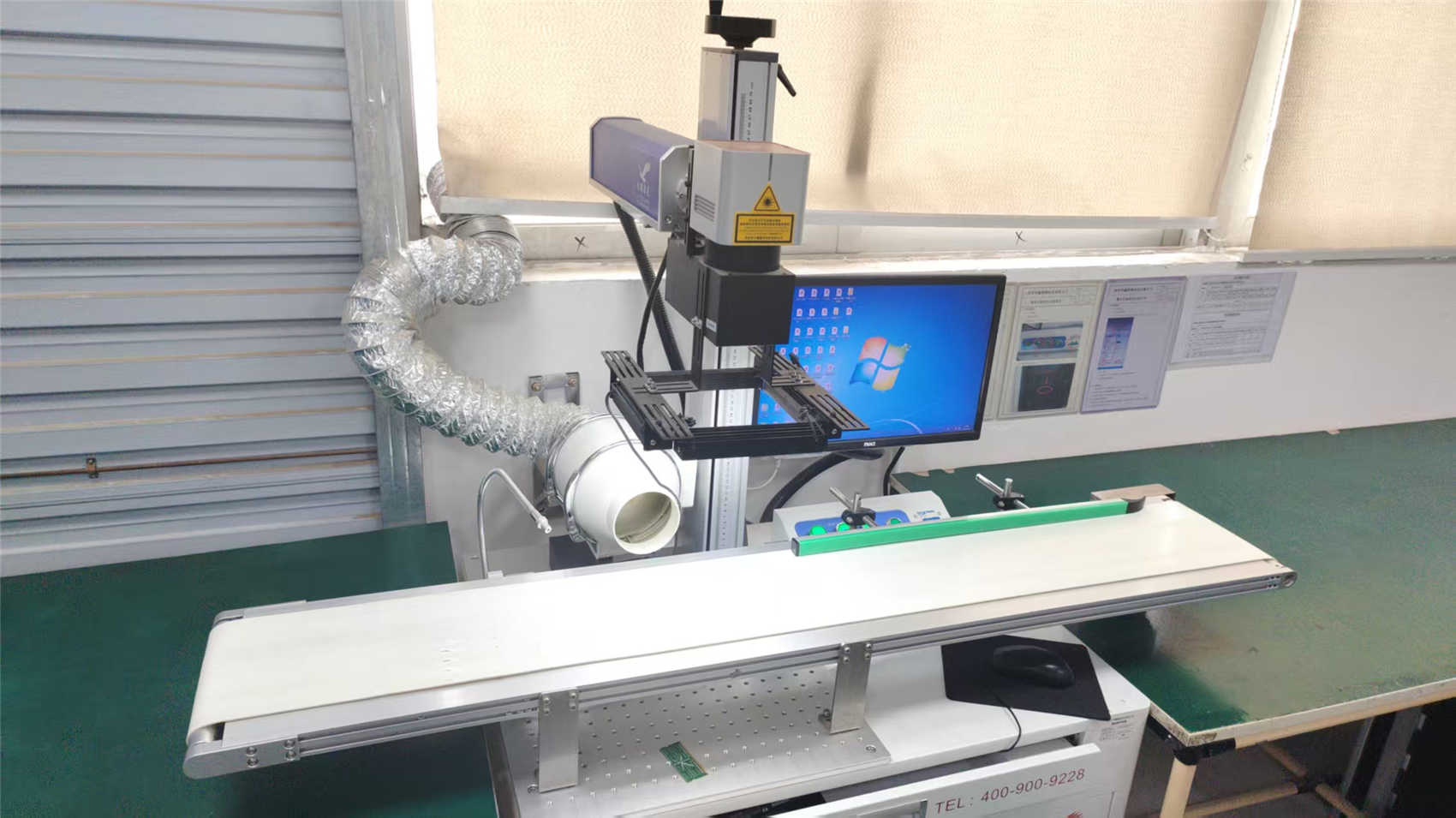
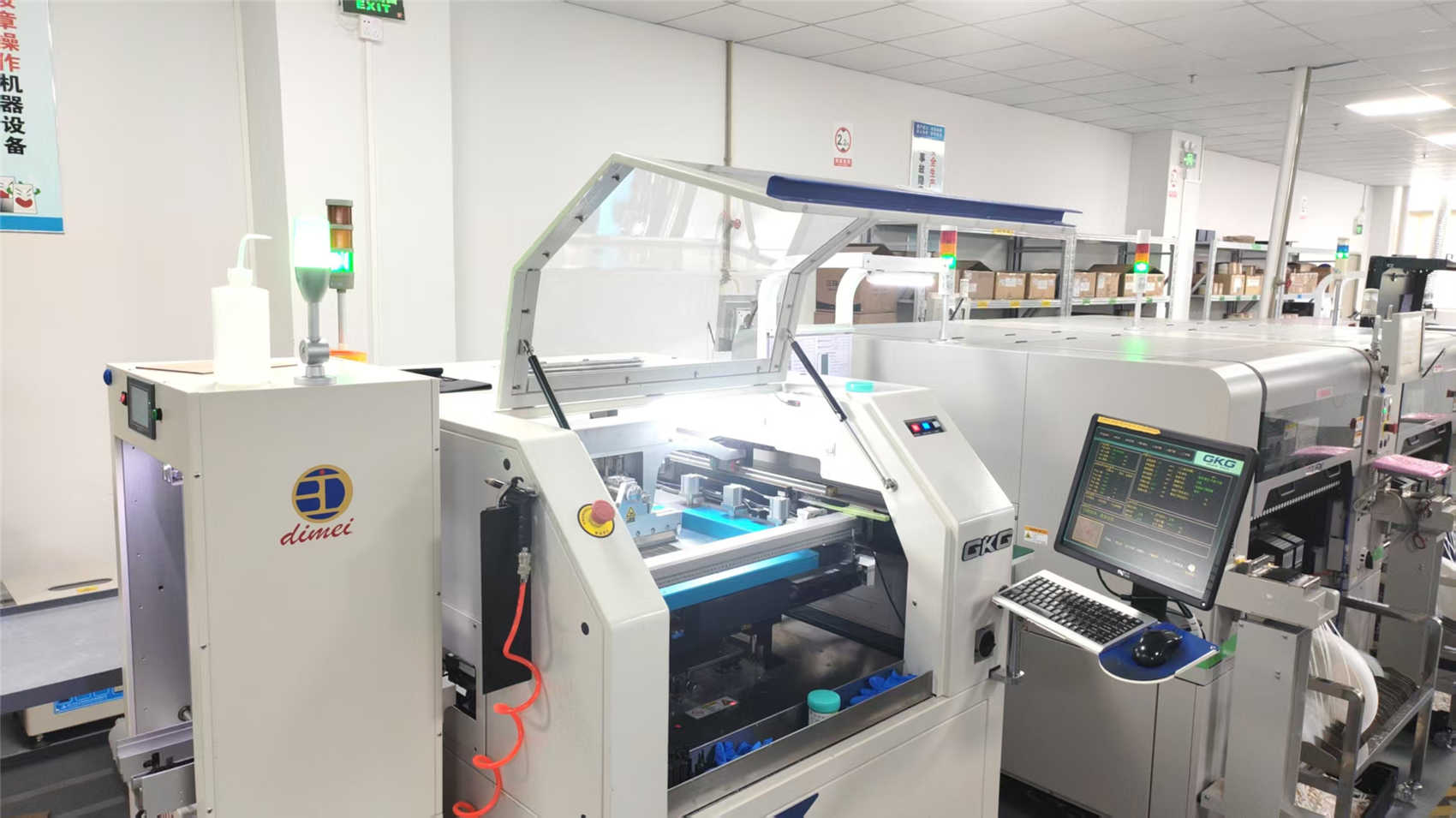
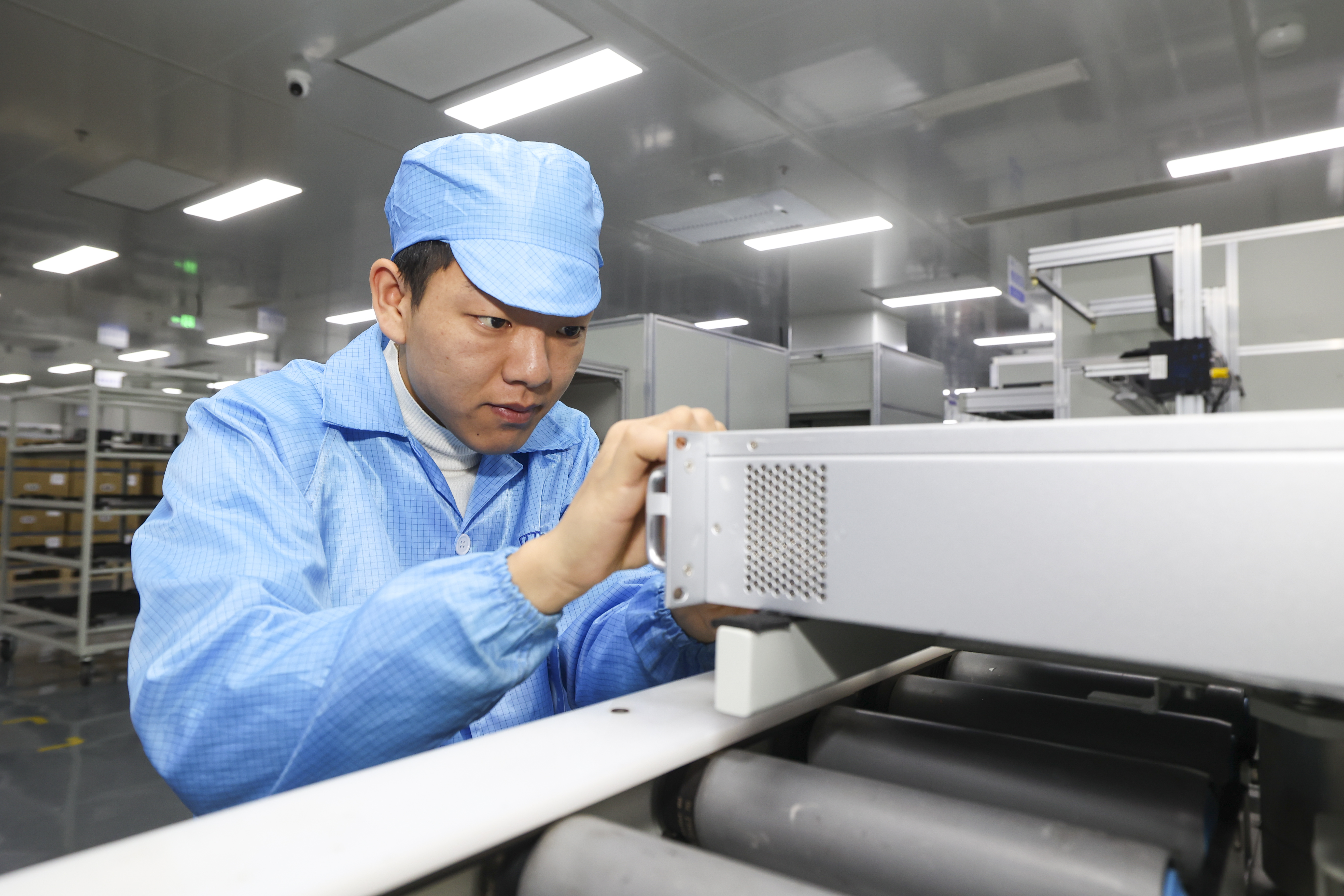
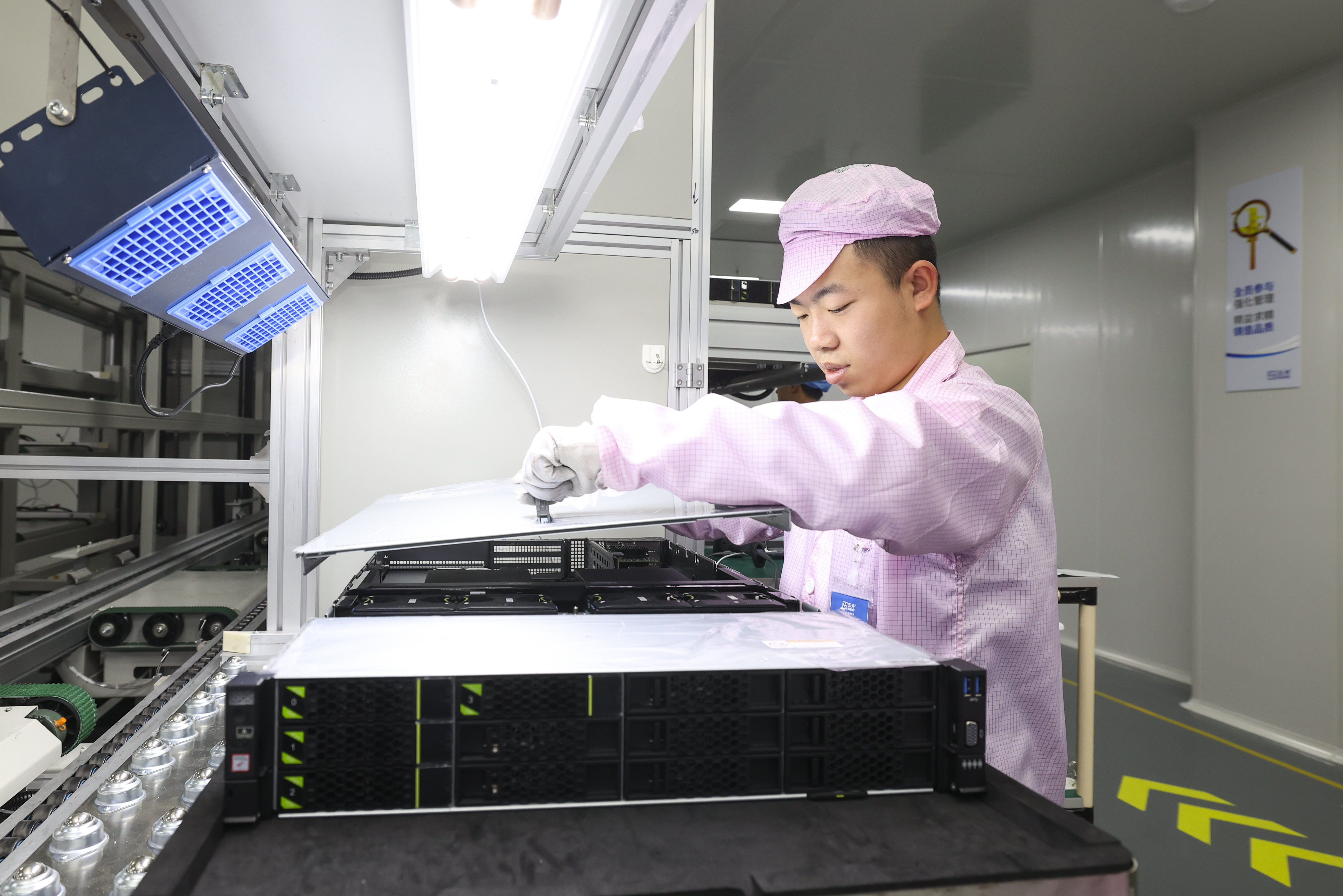
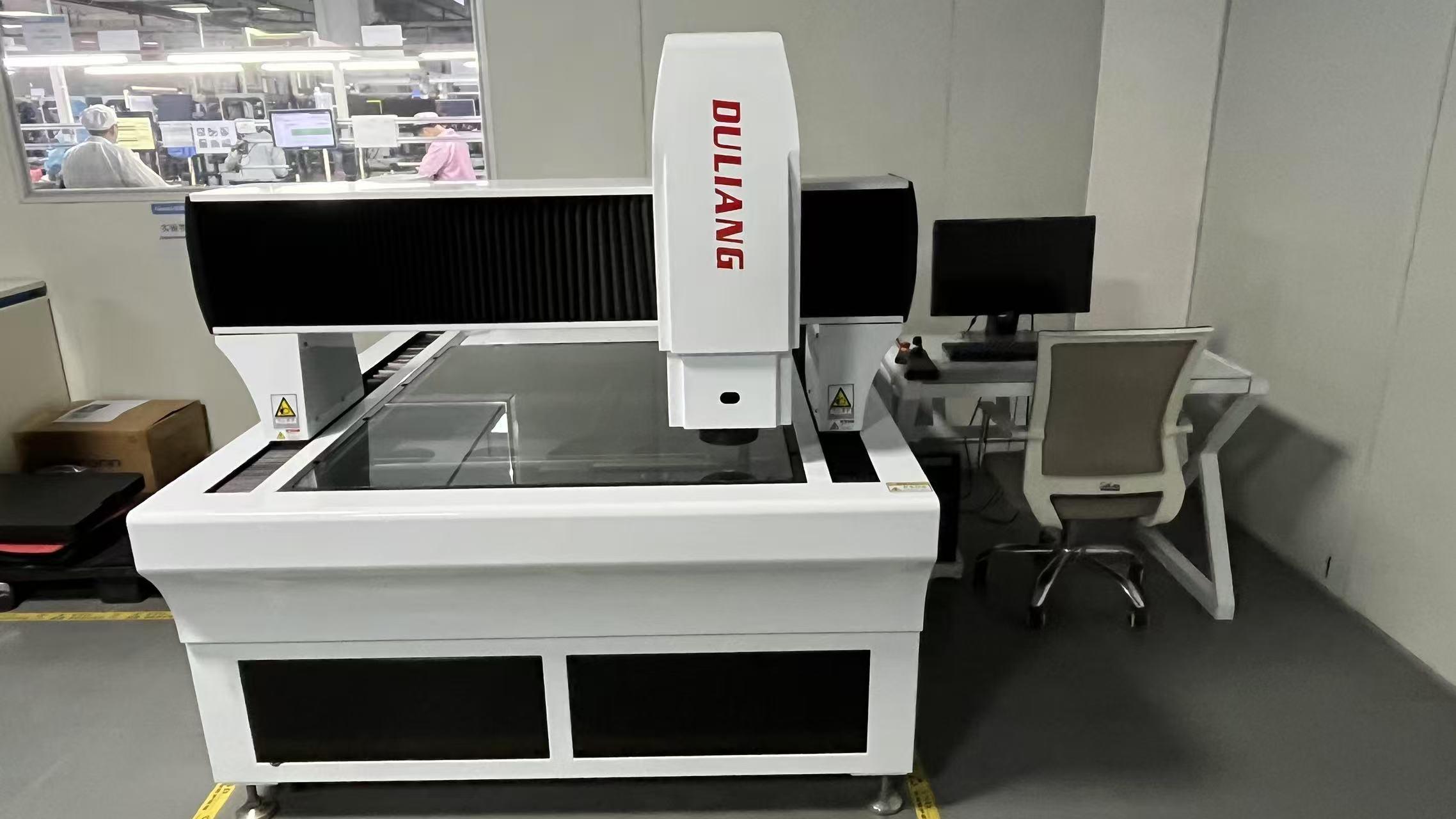
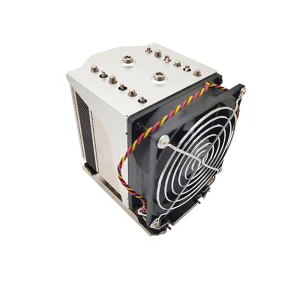
High-performance motherboards, robust copper coolers, and next-generation DRAM modules configured for extreme industrial environments.
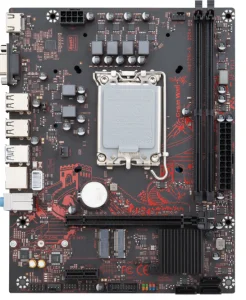
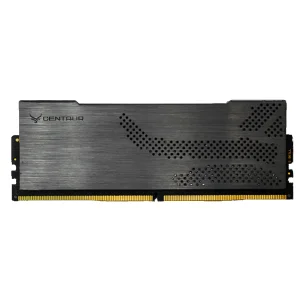
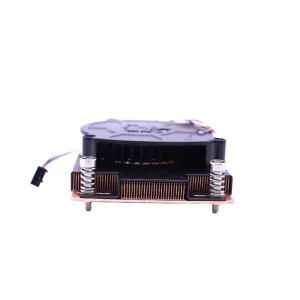
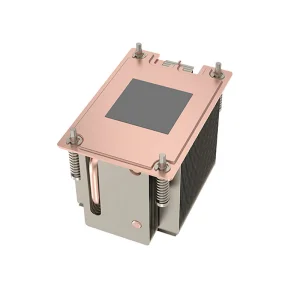
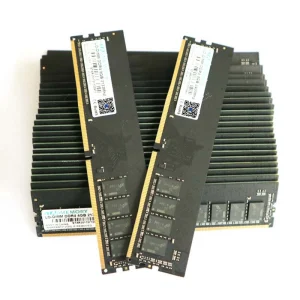
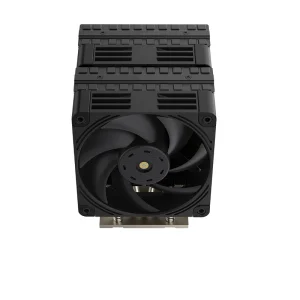
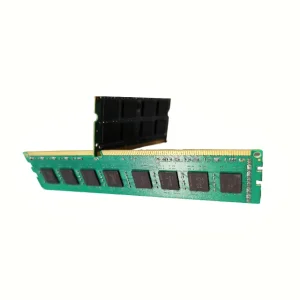
Technical clarifications on performance parameters, thermal thresholds, and deployment logistics for Hamburg-based industrial buyers.
 CoreByte