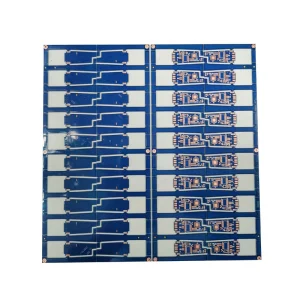
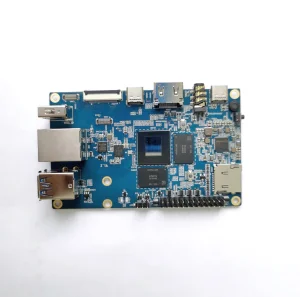
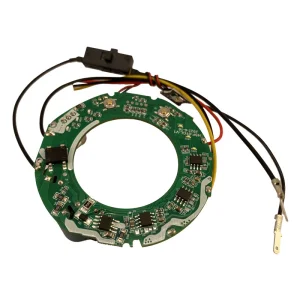
Engineered to withstand harsh thermal environments, high mechanical stresses, and strict EMI requirements standard across Central European industrial zones.
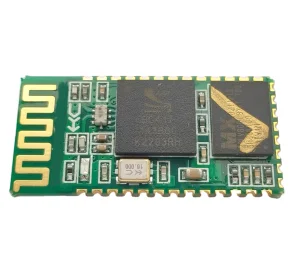
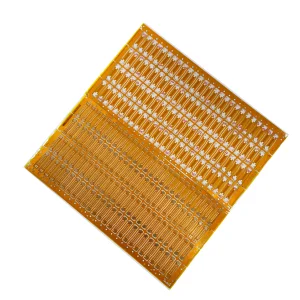
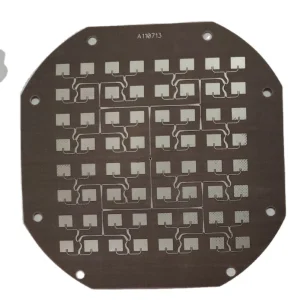
Over the past decade, Hungary has successfully positioned itself as the preeminent manufacturing and assembly hub of Central-Eastern Europe (CEE). Anchored by major multinational investments, cities like Debrecen, Győr, Kecskemét, and Budapest have transformed into critical hubs for automotive assemblies, high-power industrial machinery, and telecom network infrastructures. The rapid transition to electromobility (EVs) and smart grids has fueled an unprecedented demand for highly reliable single and double-sided PCBs.
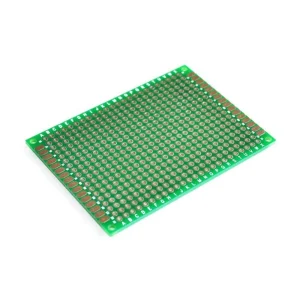
Single-sided PCBs continue to serve as the foundational backbone for high-volume, cost-sensitive applications such as domestic appliance controls, LED lighting arrays, and power conversion blocks. Conversely, double-sided PCBs act as the workhorse for modern sensor modules, automotive dashboards, and industrial control interfaces. Sourcing these components requires a delicate balance of regional compliance (such as RoHS and REACH), uncompromising quality metrics, and resilient delivery logistics that bypass typical global choke points.
Modern electronic systems deployed in European environments must meet stringent operational lifespans and regulatory profiles. We provide Hungarian manufacturers with high-precision fabrication processes, guaranteeing compatibility, reliability, and local support.
As operating frequencies increase and physical footprints contract, material selection and fabrication tolerances define the performance threshold of modern circuit boards.
Traditional FR-4 substrates often fail to dissipate the heat generated by high-density LEDs and power converters. We deploy high-conductivity aluminum core substrates (1.0 W/m-K to 3.0 W/m-K) paired with thin, highly efficient dielectric layers to ensure system cooling and extended product lifecycles.
For RF applications, ADAS radar networks, and telemetry systems active in CEE markets, standard glass-reinforced epoxy is replaced with low-loss PTFE laminates (e.g., Taconic TLY-5). This ensures minimal signal attenuation and stable dielectric constants (Dk) across wide operating temperatures.
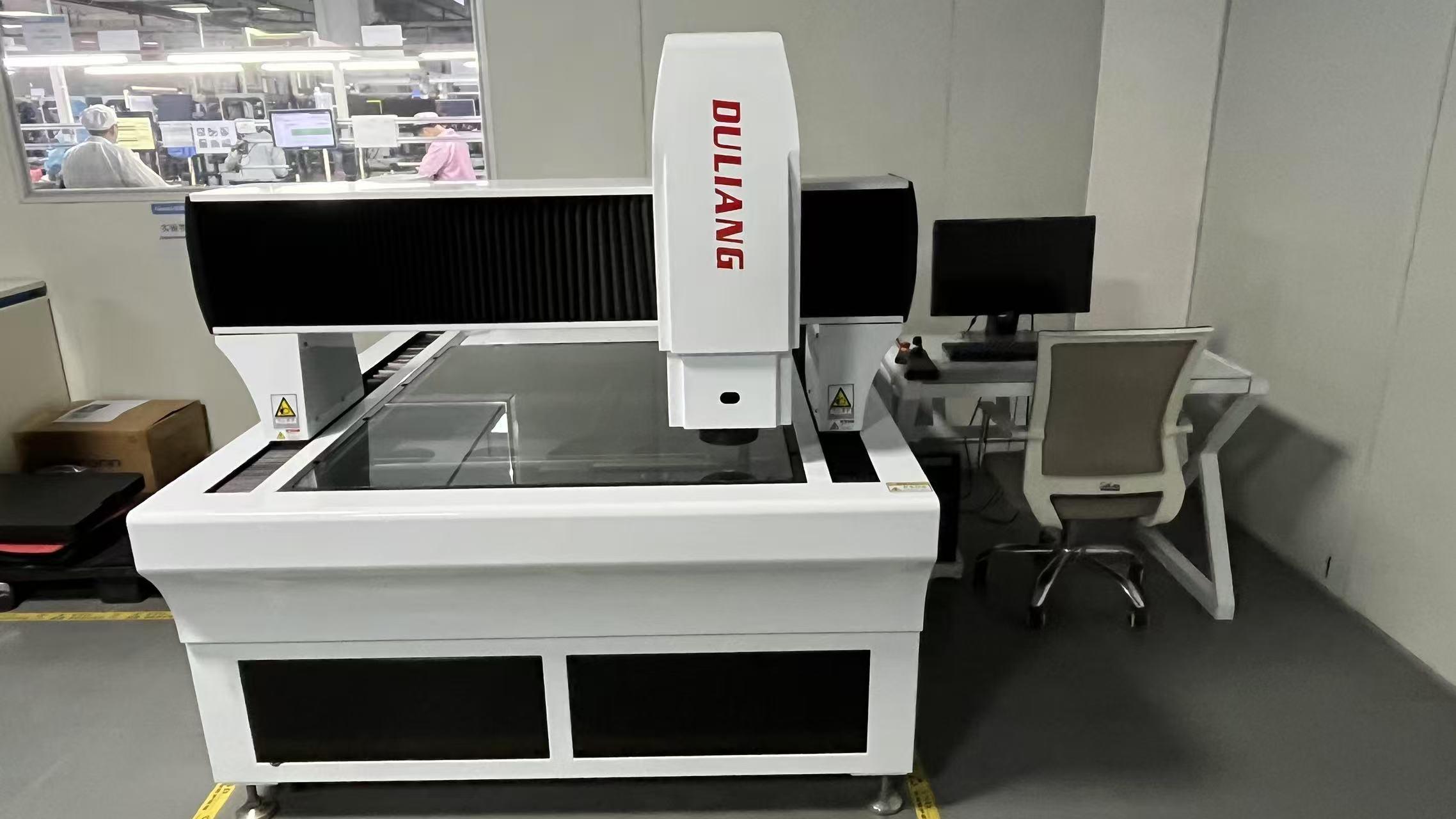
In accordance with ISO9001 and automotive standards, we utilize state-of-the-art Automated Optical Inspection (AOI), X-ray thickness measurement, and continuous electrical testing to eliminate assembly-level defects before shipment.
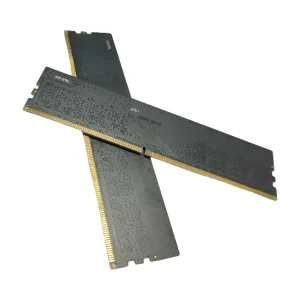
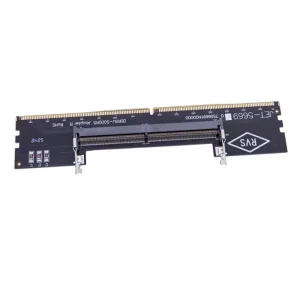
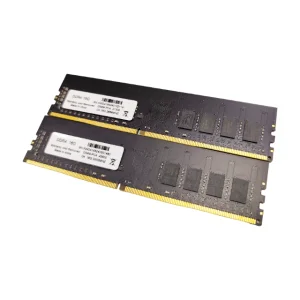
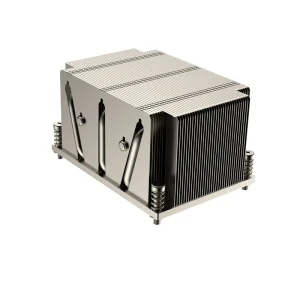
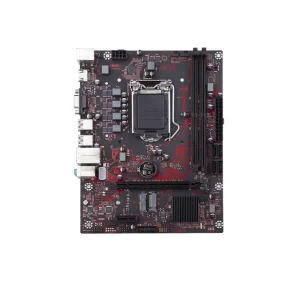
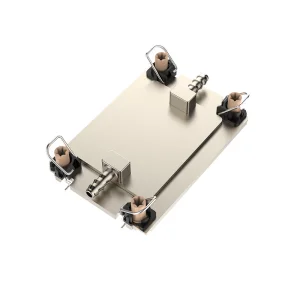
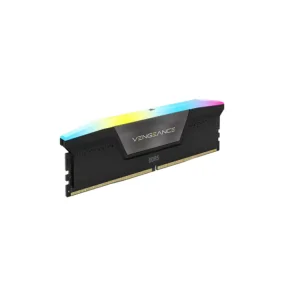
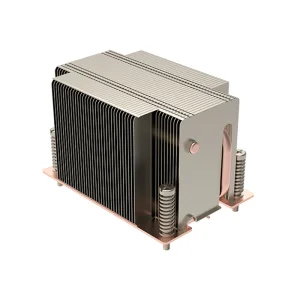
Integrating high-performance processing capabilities and memory sub-systems directly into local automation lines and computing architectures.
Established in 2016, CoreByte Storage Technology Co., Ltd. represents the absolute state-of-the-art in advanced manufacturing, research & development, and international semiconductor/hardware distribution. With over 9 years of industry experience and 6 years of export expertise, CoreByte has become a reliable global partner for businesses seeking stable, high-speed, and energy-efficient electronic solutions.
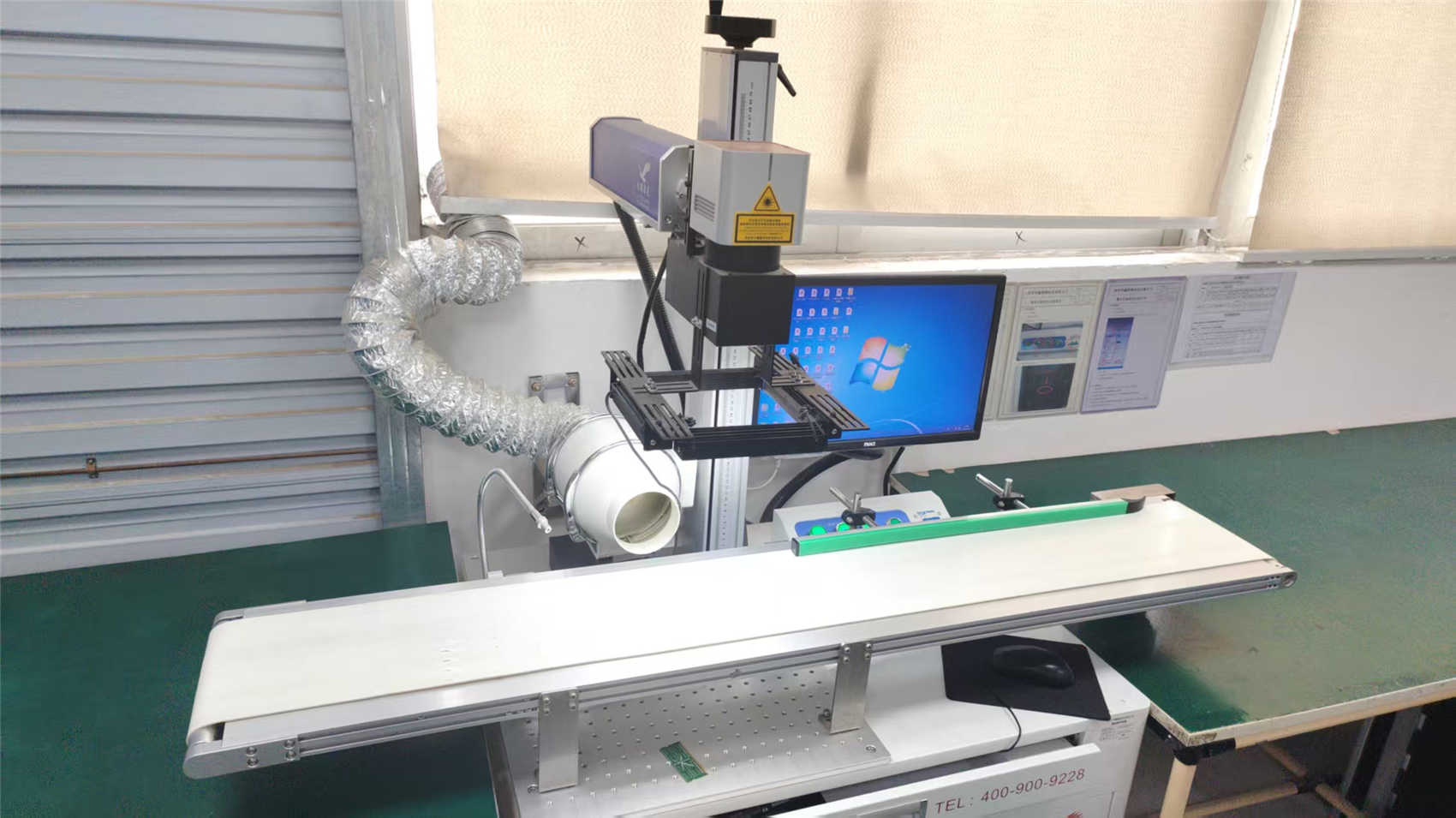
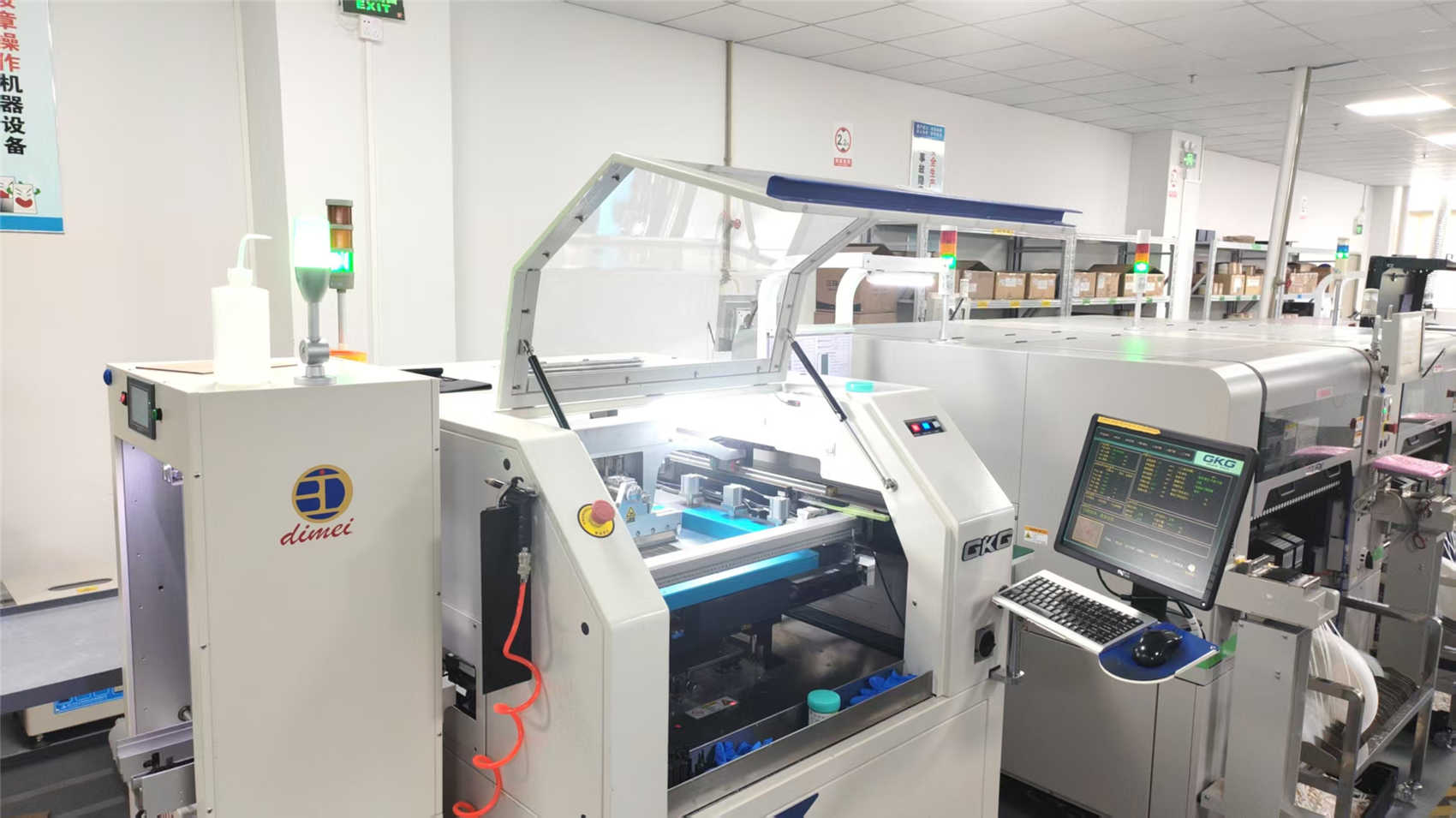
CoreByte operates a precision-focused manufacturing facility with a total footprint of 320㎡. Equipped with advanced automated testing setups and managed under strict ISO9001 quality management systems, the facility ensures that every batch meets the performance criteria required by modern high-density applications.
With an annual export revenue reaching approximately USD 12 million, CoreByte services premium global markets across North America, the Middle East, Southeast Asia, and Europe. Our expansive supply chain features over 1,200 verified partners, ensuring that material procurement, fabrication, and custom packaging are completed without delay.
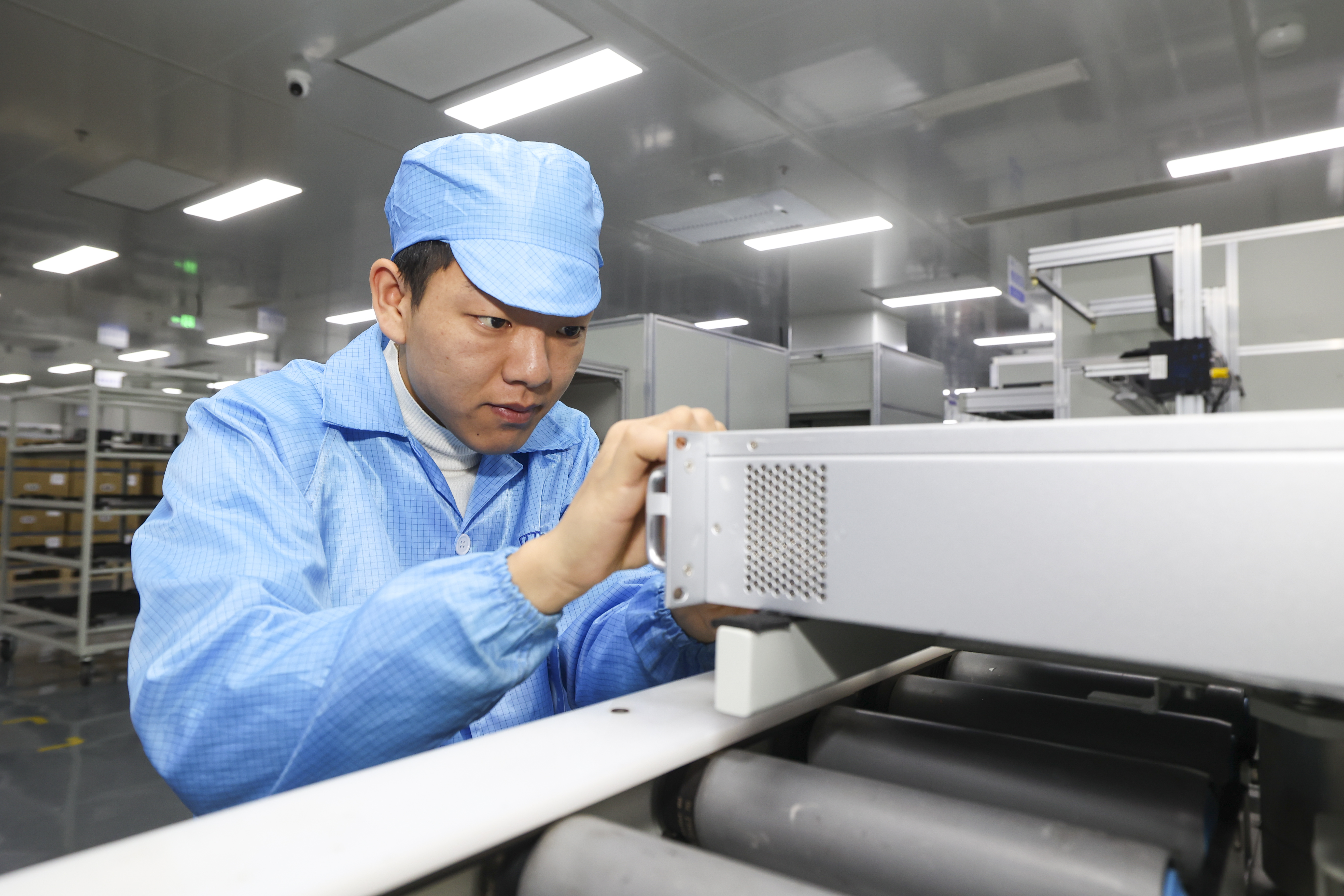
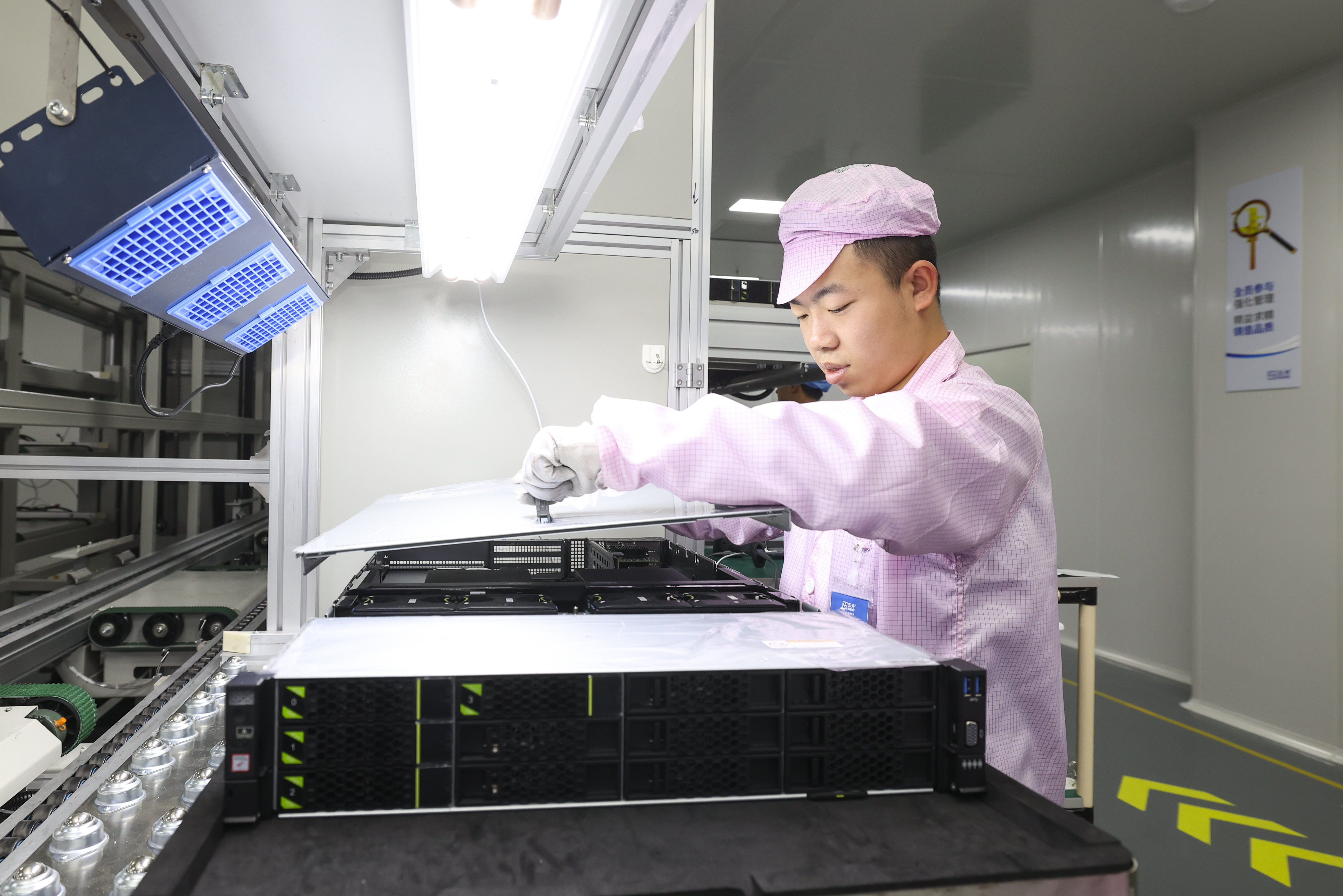
Quality is not merely a benchmark; it is our identity. Every stage of our assembly and processing undergoes meticulous quality verification by a team of 45 dedicated inspectors.
For European companies importing hardware, compliance is a core operational requirement. All single and double-sided PCBs designed for the Hungarian market meet the strict standards set by the European Union. This includes RoHS and REACH compliance to limit the presence of hazardous chemical agents like lead, cadmium, and polybrominated biphenyls.
Additionally, our production lines follow strict environmental control protocols. From lead-free HASL finishes to highly stable electroless nickel immersion gold (ENIG) platings, our materials resist corrosion and oxidation. This guarantees excellent board performance across variable temperatures and high humidity, which are common in Central European industrial operations.
Global systems integrators and tier-1 manufacturers require suppliers who can deliver high-volume orders without compromising quality. CoreByte meets this challenge through advanced manufacturing and agile supply chain logistics. By maintaining partnerships with raw material suppliers worldwide, we are able to bypass unexpected shipping bottlenecks.
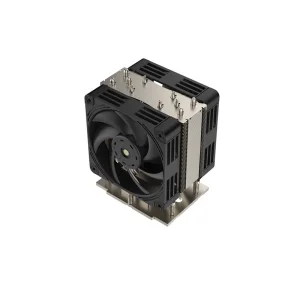
We provide a reliable option for Hungarian companies seeking custom OEM designs, high-volume orders, and specific technical materials. CoreByte handles all elements of design, assembly, and thermal management to ensure that your products arrive on time and fully certified.
Reliable components designed for high-density computing platforms, active server farms, and specialized industrial control boxes across Hungary.
Expert answers addressing the practical, technical, and regulatory questions raised by procurement managers and design engineers.
A look at the manufacturing and quality assurance facilities behind our reliable hardware solutions.
Get in touch with our engineering team for a detailed quote, design assistance, or to request custom PCB samples for your manufacturing lines in Hungary.
Send Inquiry Now CoreByte