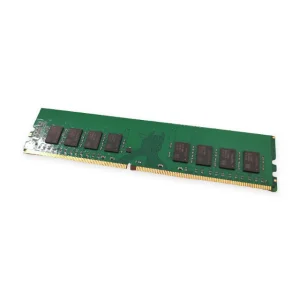
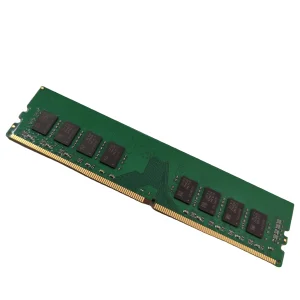
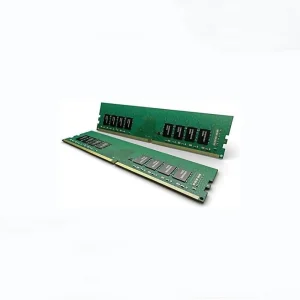
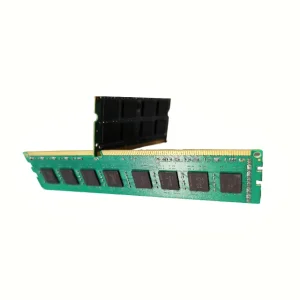
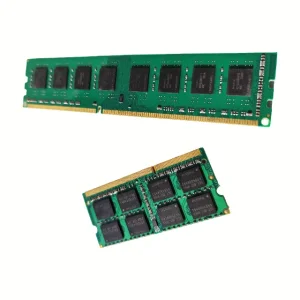
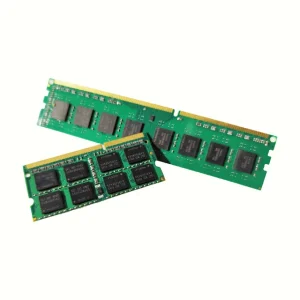
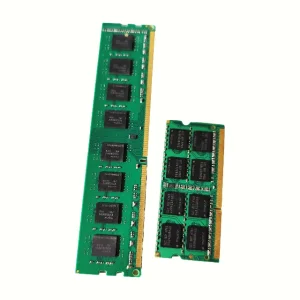
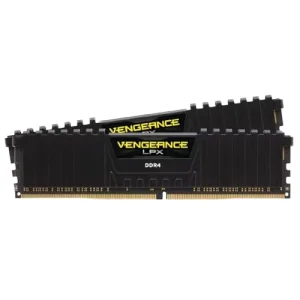
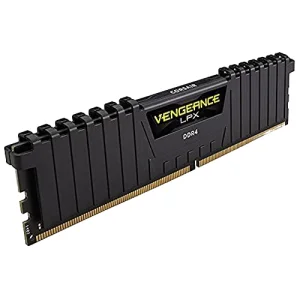
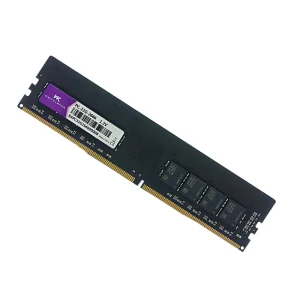
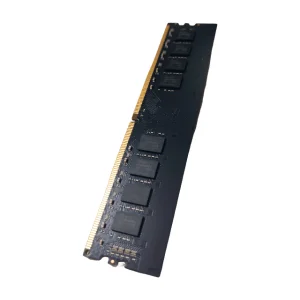
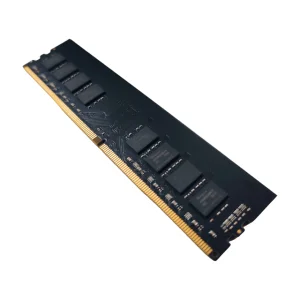
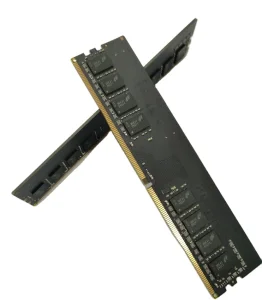
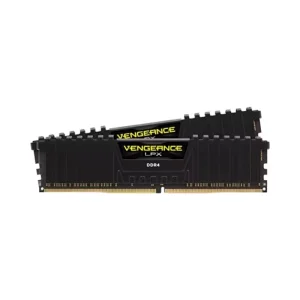
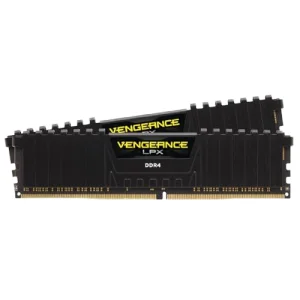
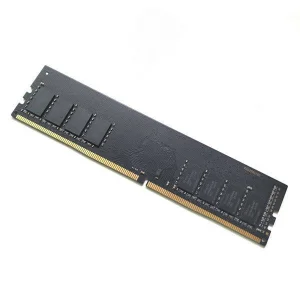
Immediate supply of high-capacity and standard profile memory for server environments, gaming rigs, and business terminal architectures.
Australia's computing environment is unique. Characterized by advanced software hubs in Sydney, Melbourne, and Brisbane, critical mining infrastructure in Western Australia (such as the Pilbara region), and widely distributed regional networks, the demand for hardware stability is paramount. In this ecosystem, DDR4 RAM memory modules remain a vital foundation.
While DDR5 is gaining ground in high-frequency trading networks and cutting-edge artificial intelligence servers, DDR4 technology accounts for a significant portion of active enterprise infrastructure. The reason is simple: reliability, cost efficiency, and mature architectural compatibility. For Australian system integrators, educational computing complexes, and government offices, migrating completely to DDR5 requires extensive and often unnecessary motherboard and processor capital expenditures. DDR4 represents the sweet spot of high bandwidth and lower thermal generation at a optimized cost profile.
From enterprise server rooms hosting database backups in Adelaide to rugged industrial computing hardware monitoring outback mining machinery, DDR4 ECC (Error-Correcting Code) modules play an indispensable role. They safeguard against single-bit errors that cause system instability or data corruption, ensuring constant uptime under harsh ambient conditions.
When choosing a semiconductor partner, Australian procurement managers look for signs of high Experience, Expertise, Authoritativeness, and Trustworthiness (E-E-A-T). Memory failures disrupt business logic and cause costly system downtime. Our manufacturing lines operate on a foundation of premium original DRAM ICs (such as Samsung, SK Hynix, and Micron), eliminating the compatibility issues common with tier-3 or remanufactured chips.
CoreByte Storage Technology Co., Ltd. is a dedicated DDR5 and DDR4 memory manufacturer specializing in high-stability DRAM module production for global OEM, enterprise, and cloud server vendors. Since our inception in 2016, we have built a robust infrastructure designed to handle complex custom orders, frequency tuning, and thermal management adjustments.
Our facility is designed to optimize specialized production tasks, allowing for efficient cleanroom environment layouts and tight temperature control systems. Our annual export capacity reaches USD 12 million, proving our strong capability to manage logistics, export compliance, and custom clearance procedures for various international corridors, particularly the Oceania zone.
To keep pace with the rapidly moving semiconductor industry, our R&D wing of 85 experienced engineers introduces approximately 120 new product models annually. This covers not only legacy DDR4 form factors but also the latest DDR5 high-density UDIMMs, SODIMMs, and Enterprise RDIMMs.
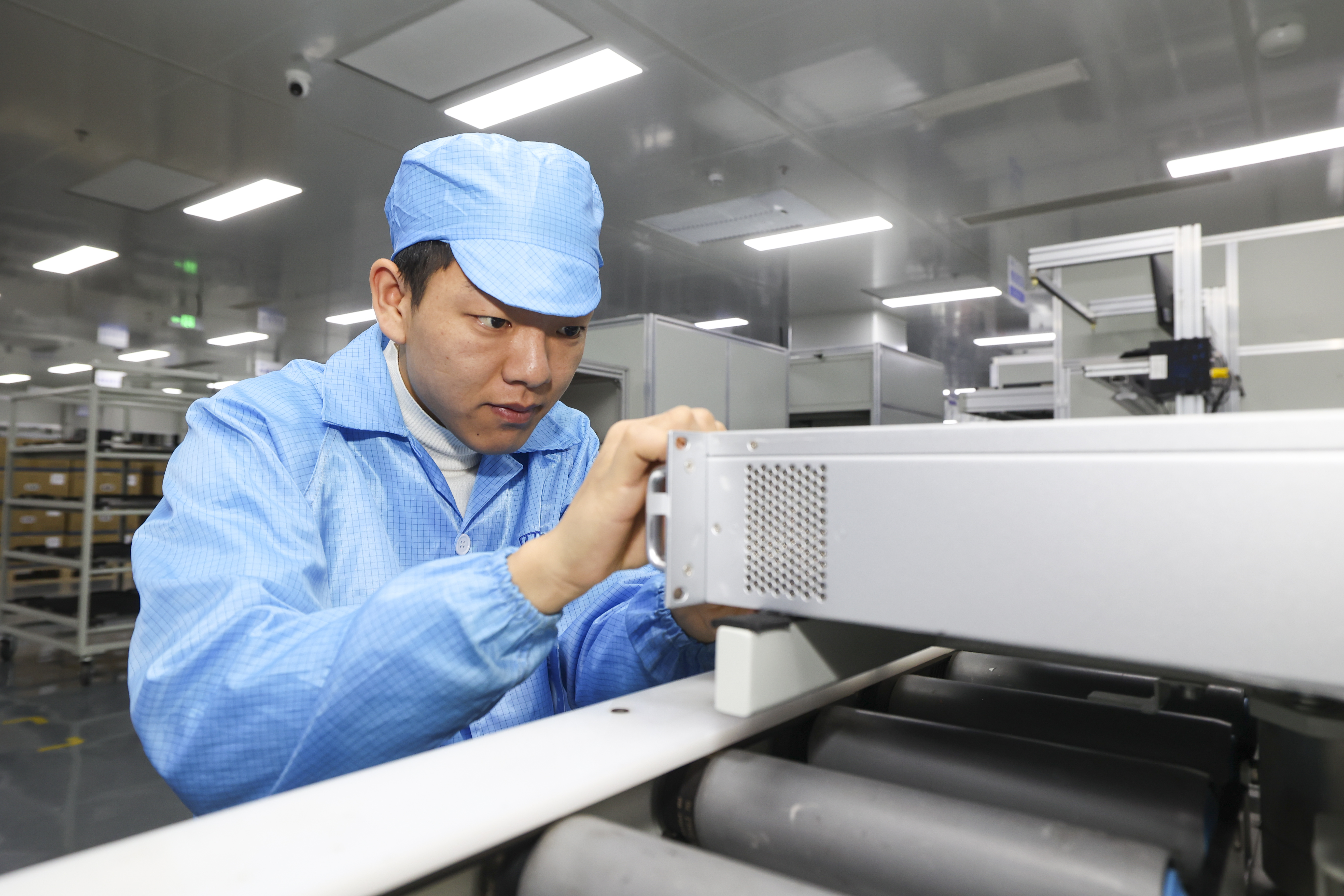
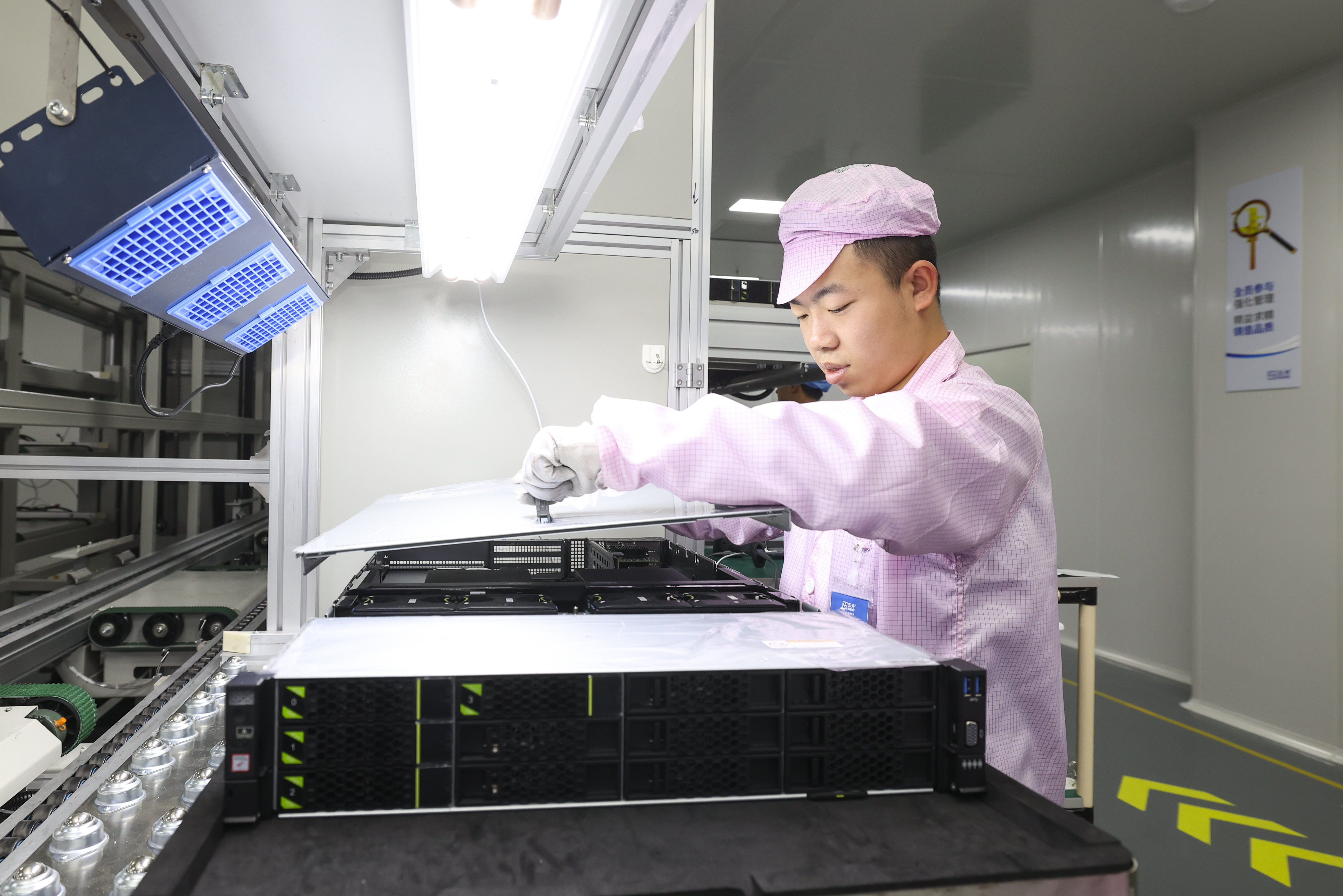
Quality control is the core pillar of CoreByte's success. With 45 specialized quality inspectors, our QA protocols ensure that memory modules do not fail on-site:
Take a virtual tour of CoreByte's testing bays, modern surface-mount assembly equipment, and quality analysis systems. These original photos show the production steps that keep our defect rate below 0.05%.
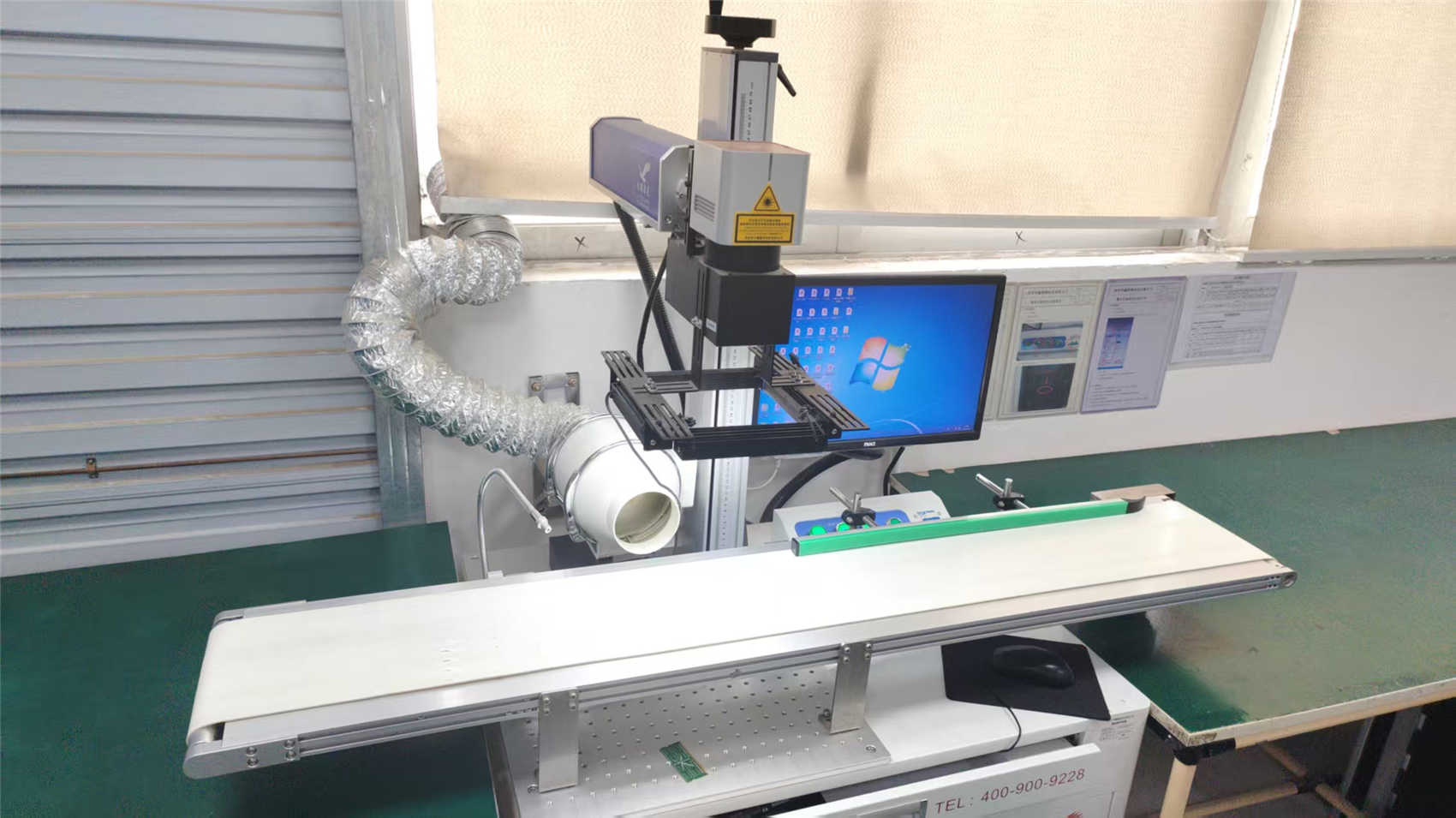
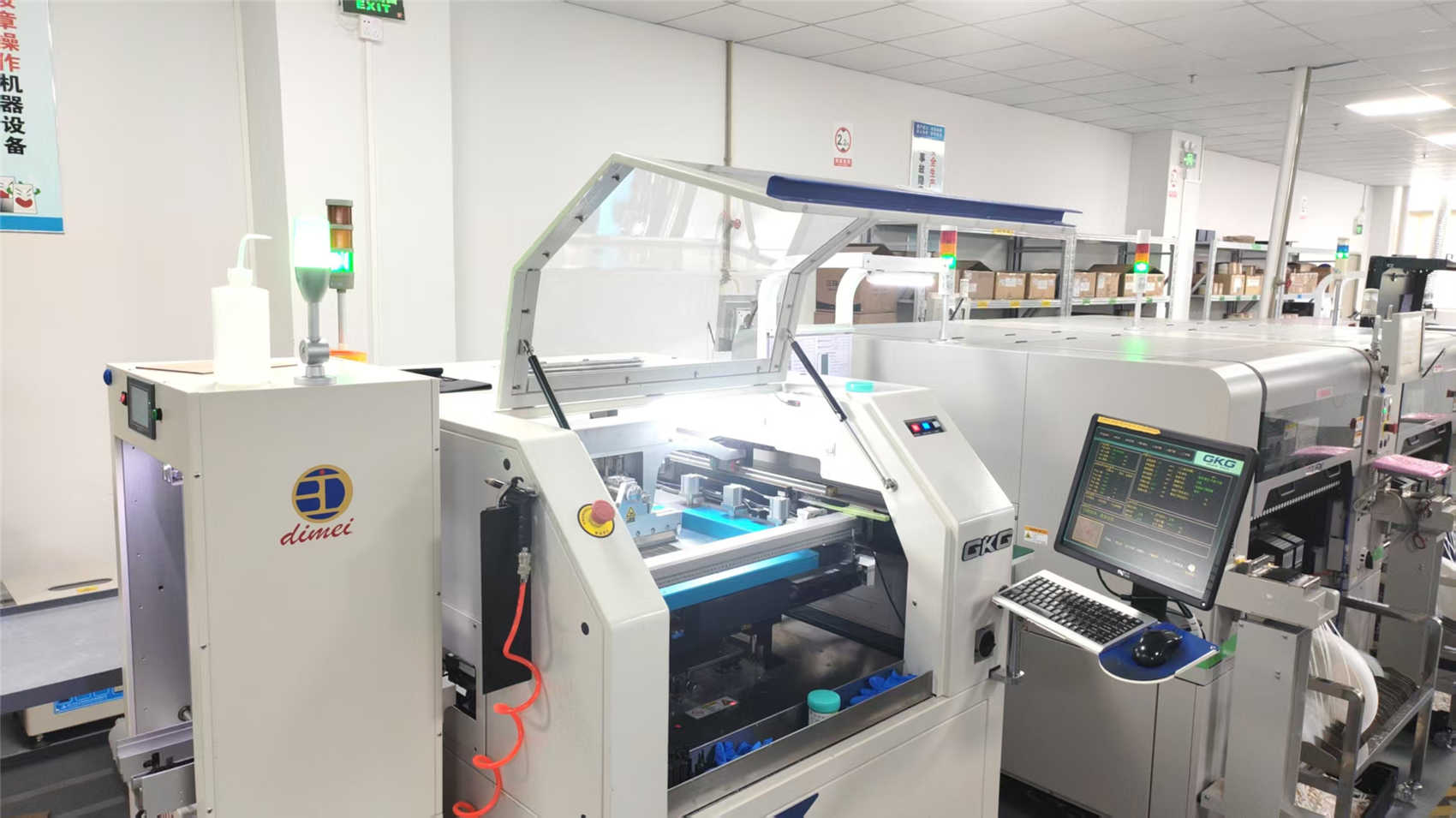
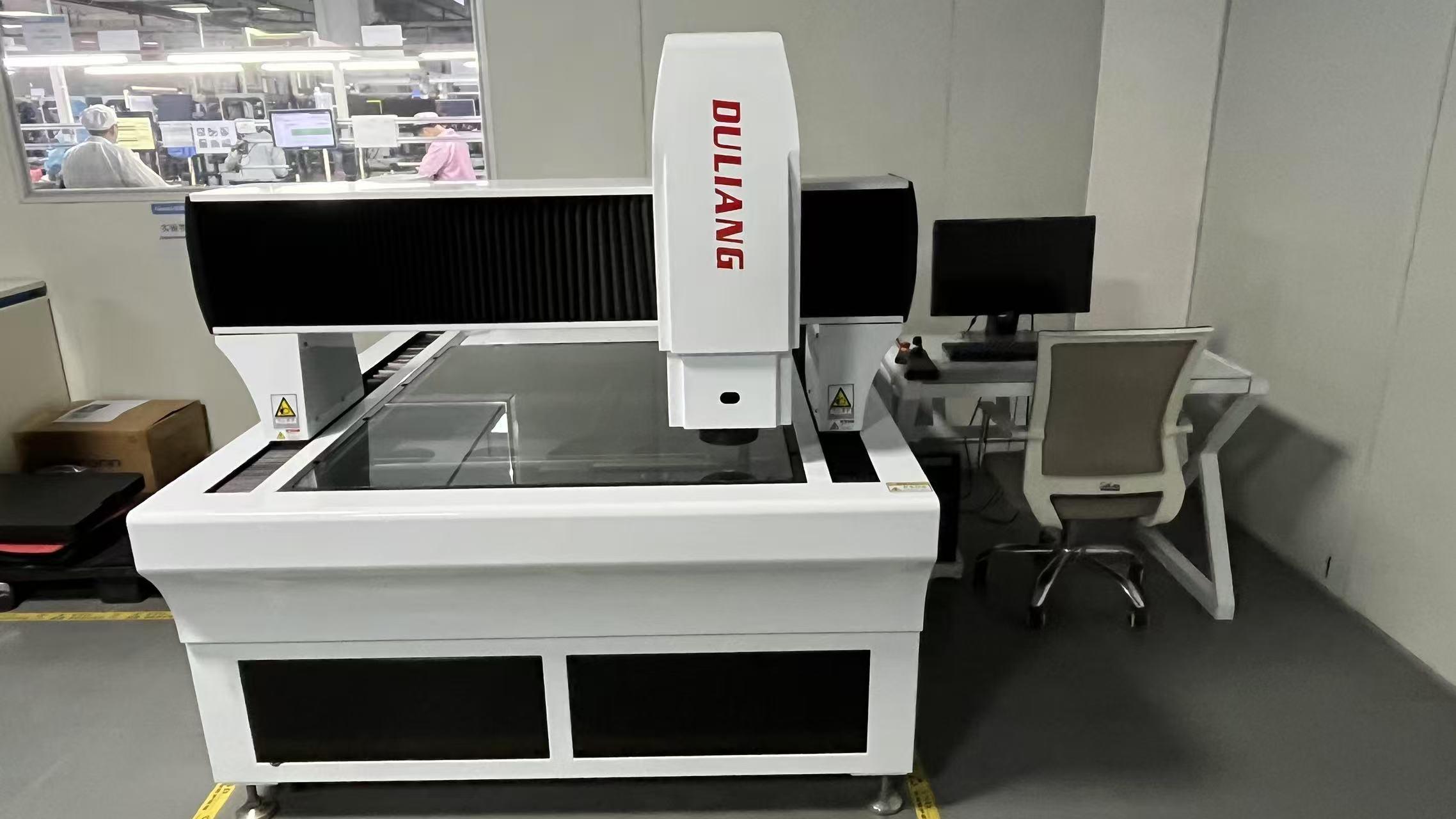
The trade relationship between Australian tech distributors and Chinese manufacturing units is based on cost efficiencies, engineering flexibility, and volume management. For Australian importers, sourcing memory modules directly from our factory floor offers several key advantages:
1. Cost-Performance Balance: Sourcing directly avoids middlemen markups, allowing Australian system builders to compete with global desktop and server brands on price points while maintaining healthy margins.
2. OEM/ODM Customization: We offer custom PCB colors, heat sink branding, tailored retail packaging, and customized SPD (Serial Presence Detect) programming to display unique OEM identifiers in system BIOS tools.
3. Supply Chain Security: Drawing from a network of over 1,200 supply chain partners, we secure bulk components at predictable price rates. This helps insulate our customers from sudden DRAM market price spikes.
4. Fast Transit to Major Ports: With established logistics lanes, we offer sea and air shipping to key Australian logistics centers, including Sydney, Melbourne, Brisbane, and Fremantle.
We do not just sell components; we provide hardware solutions. For Australian system integrators building systems for rugged industrial automation, we offer memory modules with conformal coatings to protect components against moisture, dust, and electrical interference. For cloud data centers, we supply low-power, high-density DDR4 modules that help reduce total operational cooling costs.
Contact our technical sales team for custom volume pricing, OEM branding options, and compatibility testing samples.
Send Inquiry NowCommon questions from Australian enterprise buyers, system builders, and wholesale distributors.
Explore our full line of desktop, notebook, and server DDR4 memory modules designed for high-capacity systems.
 CoreByte