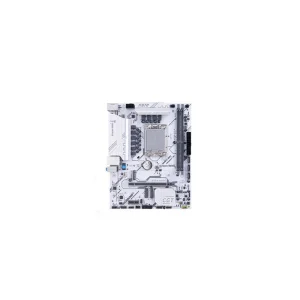
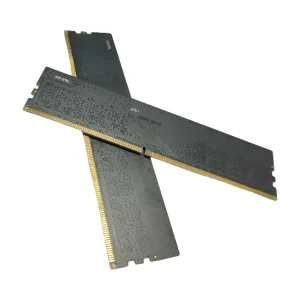
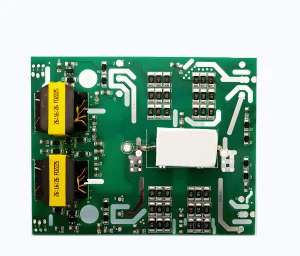
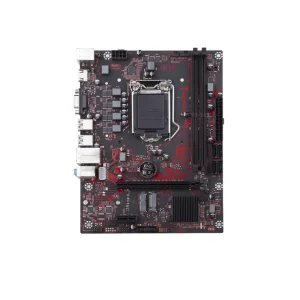
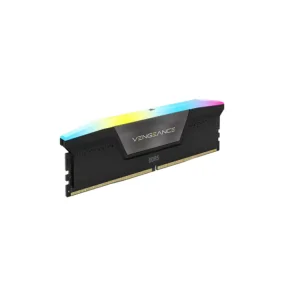
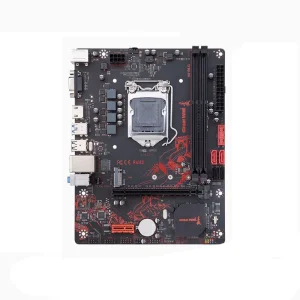
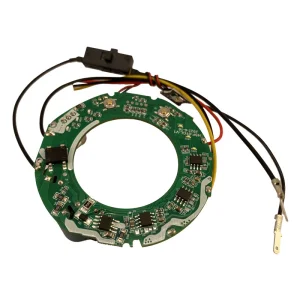
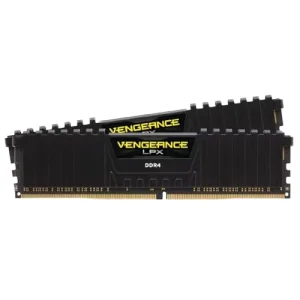
Tailored computational interfaces, memory structures, and driving modules engineered for the extreme performance demands of Oceania's tech ecosystems.
While global hardware narratives often pivot aggressively toward DDR5 and AI accelerators, New Zealand's commercial and industrial landscapes present a highly nuanced dynamic. A significant portion of the country's backbone infrastructure—ranging from automated milk processing lines in the Waikato region to maritime navigation units in the Port of Tauranga, and embedded SCADA controllers managed by local councils—relies heavily on stable legacy architectures. Within these setups, DDR3 RAM remains a critical component.
New Zealand's isolated geographical position and specialized agricultural economy foster an engineering culture that values long-term reliability and extreme system lifecycles. Ripping out functional, custom-programmed PLC and automation platforms just to support newer memory interfaces is cost-prohibitive. Consequently, enterprise procurement managers are looking for reputable factories that can secure high-grade DDR3 supply chains, mitigating system downtime without triggering forced capital expenditure cycles.
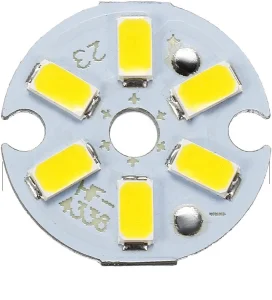
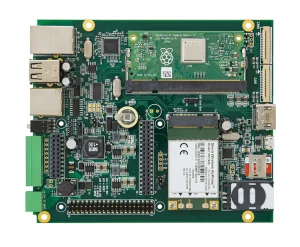
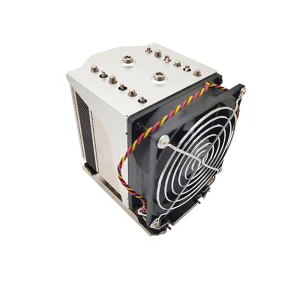
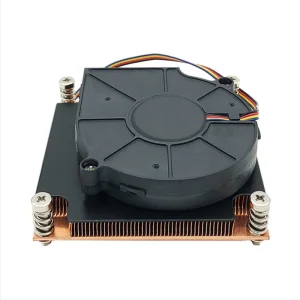
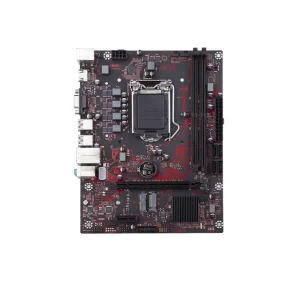
Retaining essential control hardware, custom circuit printing, and heat dissipation platforms critical to sustaining heavy-duty operating cycles.
At the center of high-performance DRAM engineering is CoreByte Storage Technology Co., Ltd. Established in 2016, CoreByte has risen to prominence as a highly specialized developer and manufacturer of advanced memory modules, catering to enterprise clients, data centers, and original equipment manufacturers (OEMs) across the globe. By focusing on the full developmental loop—from custom PCB layout design to complex DRAM die binning and environmental stress testing—CoreByte serves as a critical link in the global computer components market.
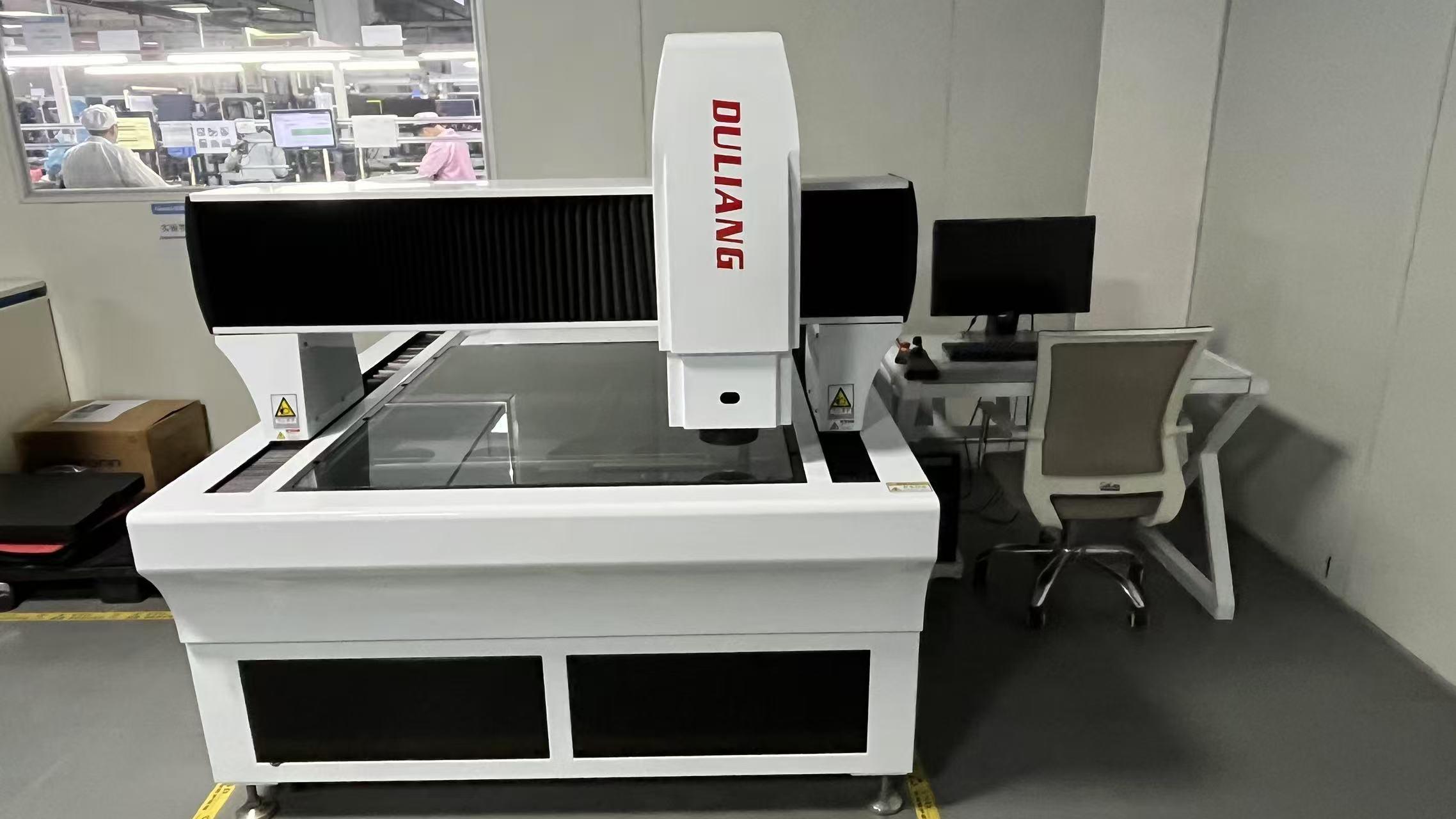
Our operations are hosted in a modern manufacturing facility designed specifically for precision semiconductor integration. Spanning an engineered floor layout of approximately 320㎡, our facility leverages automated optical inspection (AOI) systems alongside custom high-temperature aging chambers. These resources ensure that every DDR3, DDR4, or DDR5 module shipped meets strict international enterprise standards. In the financial sector, CoreByte generates an annual export revenue of approximately USD 12 million, supported by 6 years of specialized export experience and a deep pool of over 9 years of semiconductor industry expertise.
A rigorous quality control framework forms the bedrock of CoreByte's operating principles. Grounded in ISO9001-based quality management standards, our inspection and qualification process is staffed by 45 specialized quality inspectors. These professionals monitor every phase of the manufacturing process, from surface mount technology (SMT) component placement to automated electrical sweeps and functional compatibility trials under varying temperature zones. This setup ensures that our products maintain consistent electrical stability in challenging remote operating sites, such as the variable climates found in New Zealand's South Island.
Innovation is key to our business model. Supported by 85 dedicated R&D engineers, CoreByte introduces around 120 new product models annually. This active development pipeline allows us to support both cutting-edge DDR5 memory configurations for AI-driven servers and stable, high-reliability legacy DRAM configurations (like DDR3 and specialized ECC modules) for industrial infrastructure. Our reliable global distribution network is supported by over 1,200 supply chain partners, enabling efficient logistics, consistent material sourcing, and quick delivery to Oceania's ports and business centers.
Optimizing lead times, ensuring regulatory compliance, and guaranteeing technical reliability across the Southern Hemisphere.
Direct shipping lines from manufacturing hubs to major ports like Auckland, Tauranga, and Lyttelton ensure efficient customs clearance. CoreByte manages end-to-end documentation, reducing international transit times and avoiding common delays associated with mid-Pacific routing.
Hardware integration in New Zealand must comply with the Regulatory Compliance Mark (RCM) and Energy Efficiency and Conservation Authority (EECA) requirements. CoreByte products are designed, tested, and certified to align with these local safety, EMC, and energy parameters.
From custom thermal spreaders designed for high-humidity environments to specific chip configurations for legacy marine control units, CoreByte offers tailored DRAM designs. This includes PCB optimizations and frequency profiles matched to proprietary systems.
A look into our production facilities, testing laboratories, and logistics packaging operations.
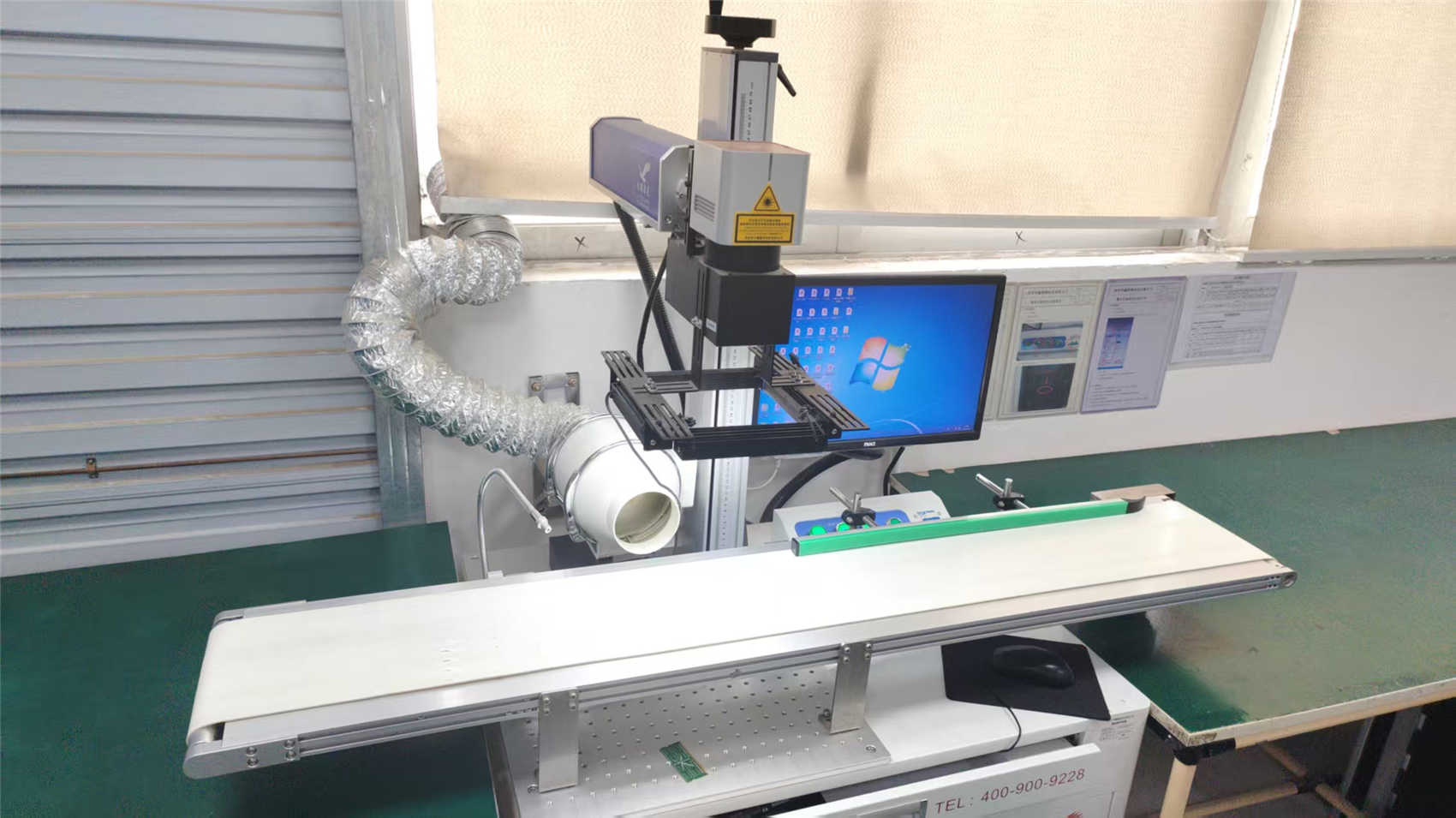
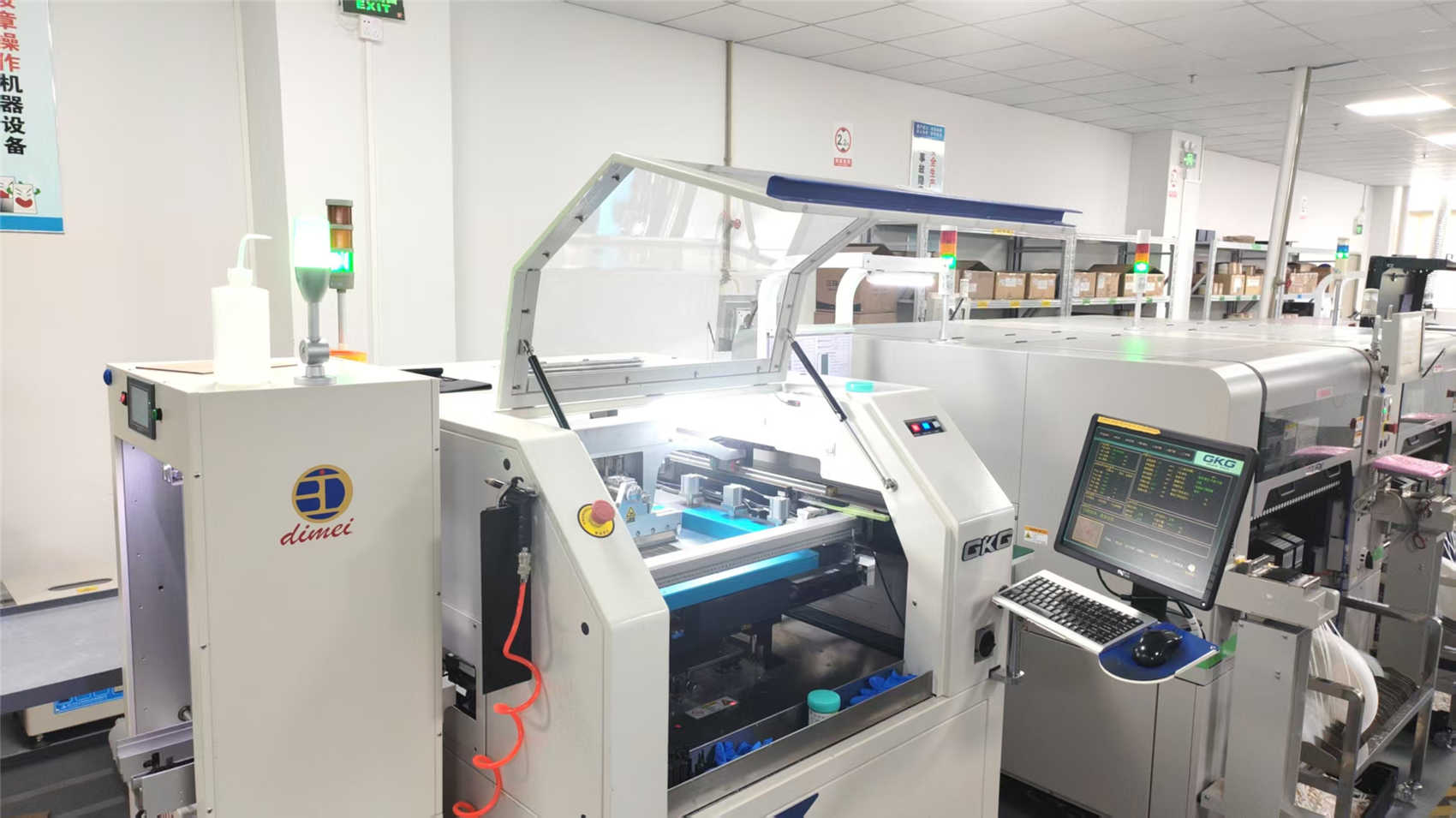
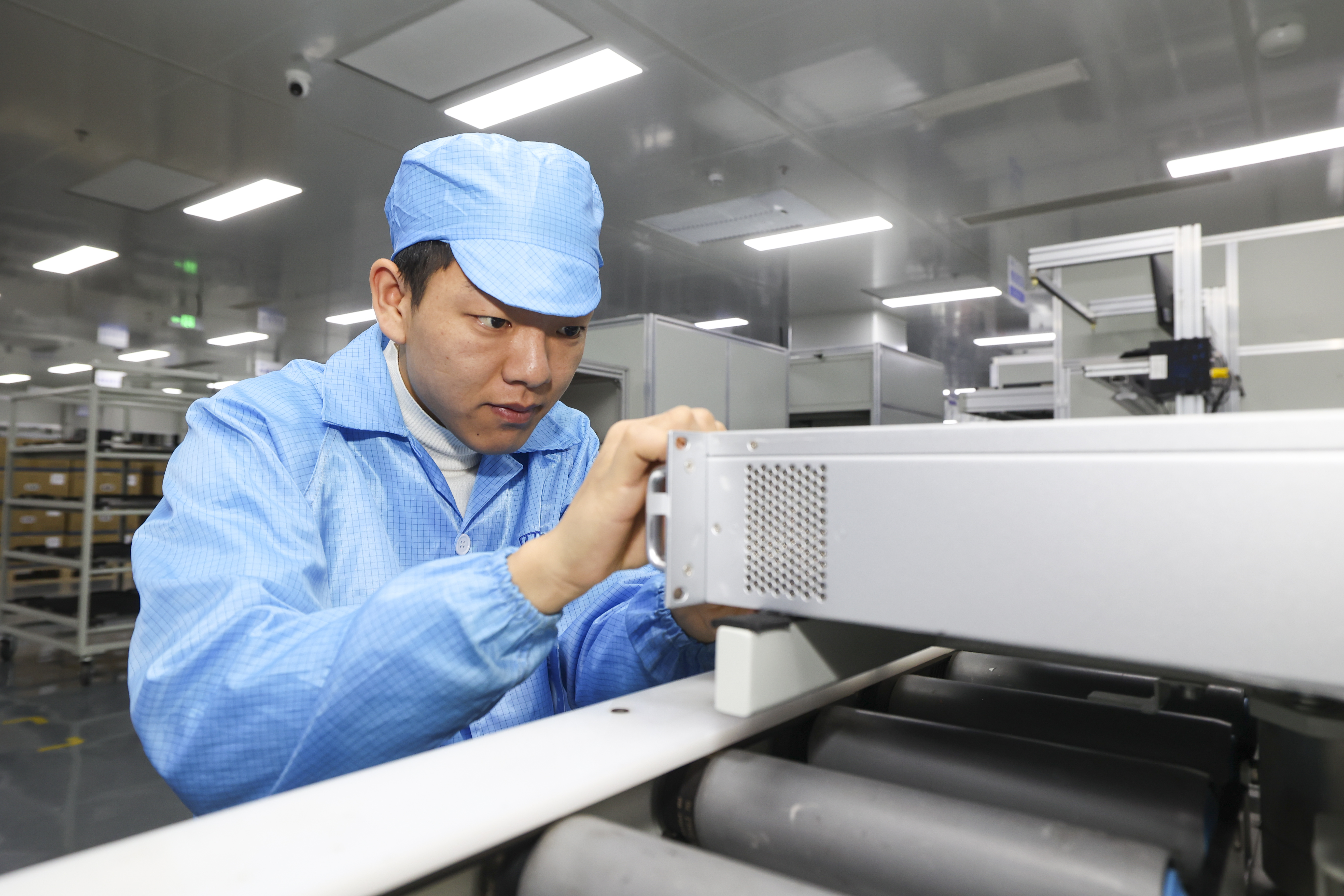
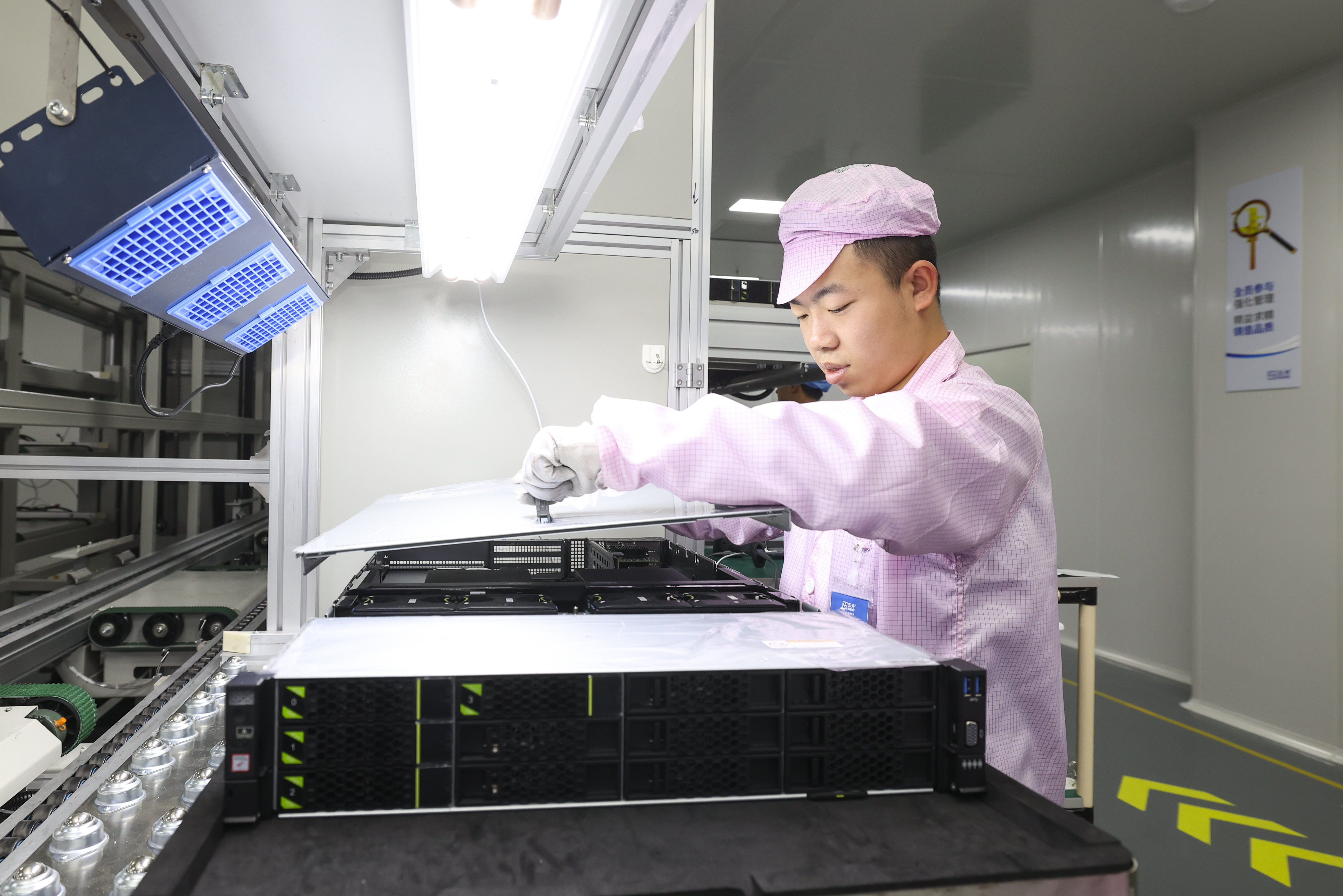
A primary challenge facing IT and operations directors in New Zealand is managing the transition between memory generations. While DDR3 provides low latency and excellent performance-per-dollar for basic processing tasks, the growing demands of real-time operational data processing and edge AI workloads are driving organizations toward DDR4 and DDR5 technologies. CoreByte helps bridge this generational divide through three key initiatives:
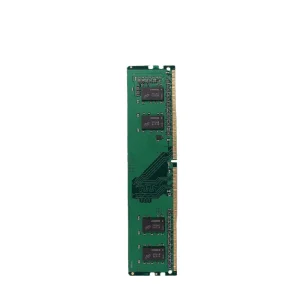
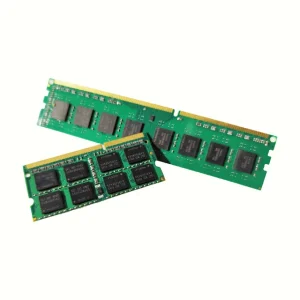
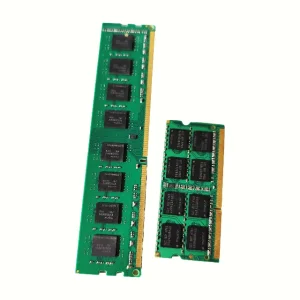
For systems that cannot be physically upgraded, CoreByte continues to produce standard-compliant DDR3 UDIMM, SODIMM, and ECC-registered modules using high-integrity, modern components. By utilizing original JEDEC-standard PCB footprints and testing for low-voltage (1.35V DDR3L) compatibility, we ensure these modules drop seamlessly into vintage machinery, retrofitted industrial panels, and early core servers.
New Zealand's coastal and rural processing hubs often house computational components inside sealed NEMA/IP-rated enclosures with minimal airflow. Under these conditions, heat buildup can cause memory instability. CoreByte addresses this by customizing heat spreaders and leveraging high-grade thermal pads to maximize heat dissipation from the DRAM dies to the surrounding chassis, ensuring stability across both DDR3 and newer DDR4/DDR5 platforms.
Our 85-strong engineering team uses computational CAD models to simulate signal integrity in high-frequency DDR4 and DDR5 applications. By matching trace lengths and minimizing cross-talk on custom-developed multi-layer PCBs, we ensure that as Kiwi enterprises upgrade their infrastructure, their memory modules deliver optimal performance and reliability.
High-performance server memory, legacy PC expansions, custom SMT boards, and active heatsinks optimized for local Kiwi commercial operations.
Clear, technical answers to the most common queries raised by New Zealand procurement teams regarding DRAM compatibility, importing, and long-term hardware support.
 CoreByte