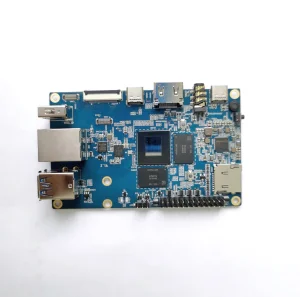
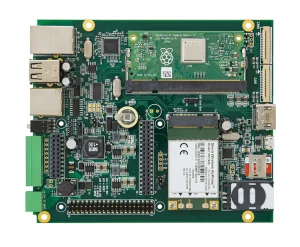
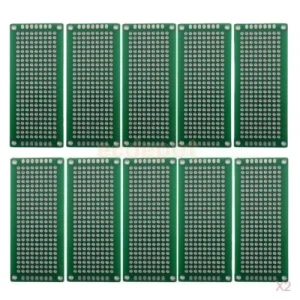
 TOP PCB KB6160 FR4 Double sides PCB printed circuit board China Manufacture 4 layer pcb circuits for Multilayer design
Inquire Now
TOP PCB KB6160 FR4 Double sides PCB printed circuit board China Manufacture 4 layer pcb circuits for Multilayer design
Inquire Now
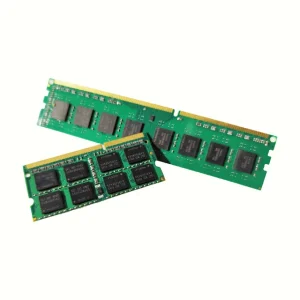 Factory Wholesale High-performance ECC DDR4 1.2V PC4 RAM 8GB/16GB/32GB 3200MHz for Desktop/Laptop in Stock
Inquire Now
Factory Wholesale High-performance ECC DDR4 1.2V PC4 RAM 8GB/16GB/32GB 3200MHz for Desktop/Laptop in Stock
Inquire Now
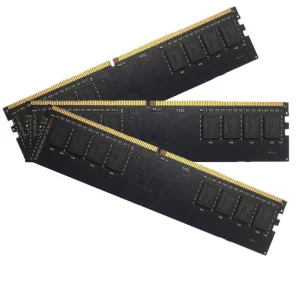 Support OEM Memorias RAM DDR4 16GB 2666mHZ Desktop RAM 4GB 8GB 16GB Computer Memory DDR4 Ram DDR4 16GB
Inquire Now
Support OEM Memorias RAM DDR4 16GB 2666mHZ Desktop RAM 4GB 8GB 16GB Computer Memory DDR4 Ram DDR4 16GB
Inquire Now
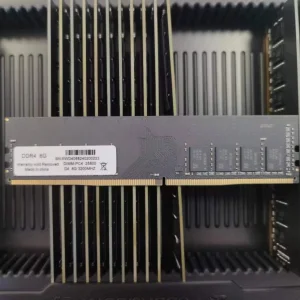 DDR4 8GB 3200HZ Desktop RAM Memory Module Compatible with RAM 1600MHz 2666mHz 2400MHz 3200MHz
Inquire Now
DDR4 8GB 3200HZ Desktop RAM Memory Module Compatible with RAM 1600MHz 2666mHz 2400MHz 3200MHz
Inquire Now
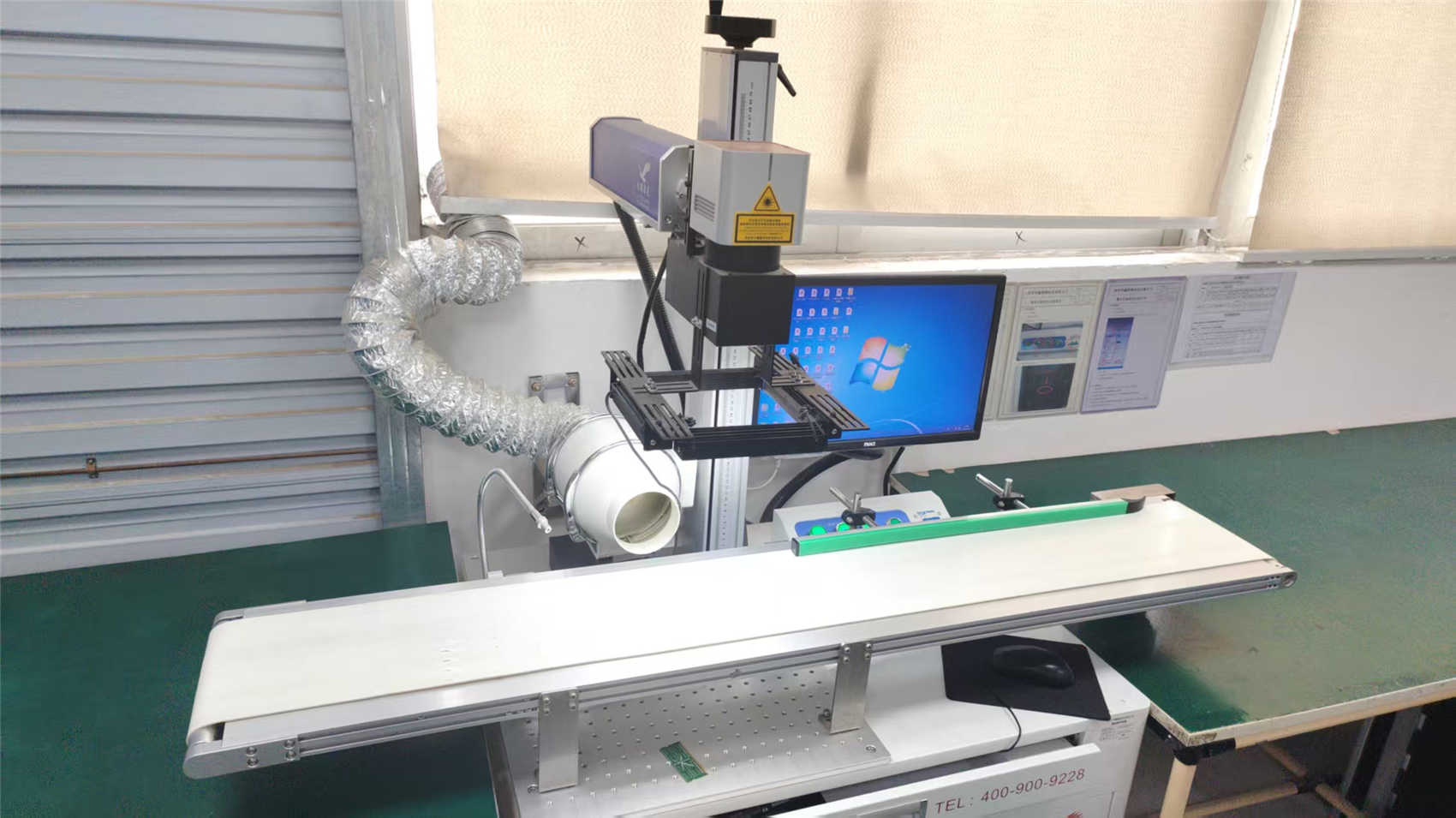
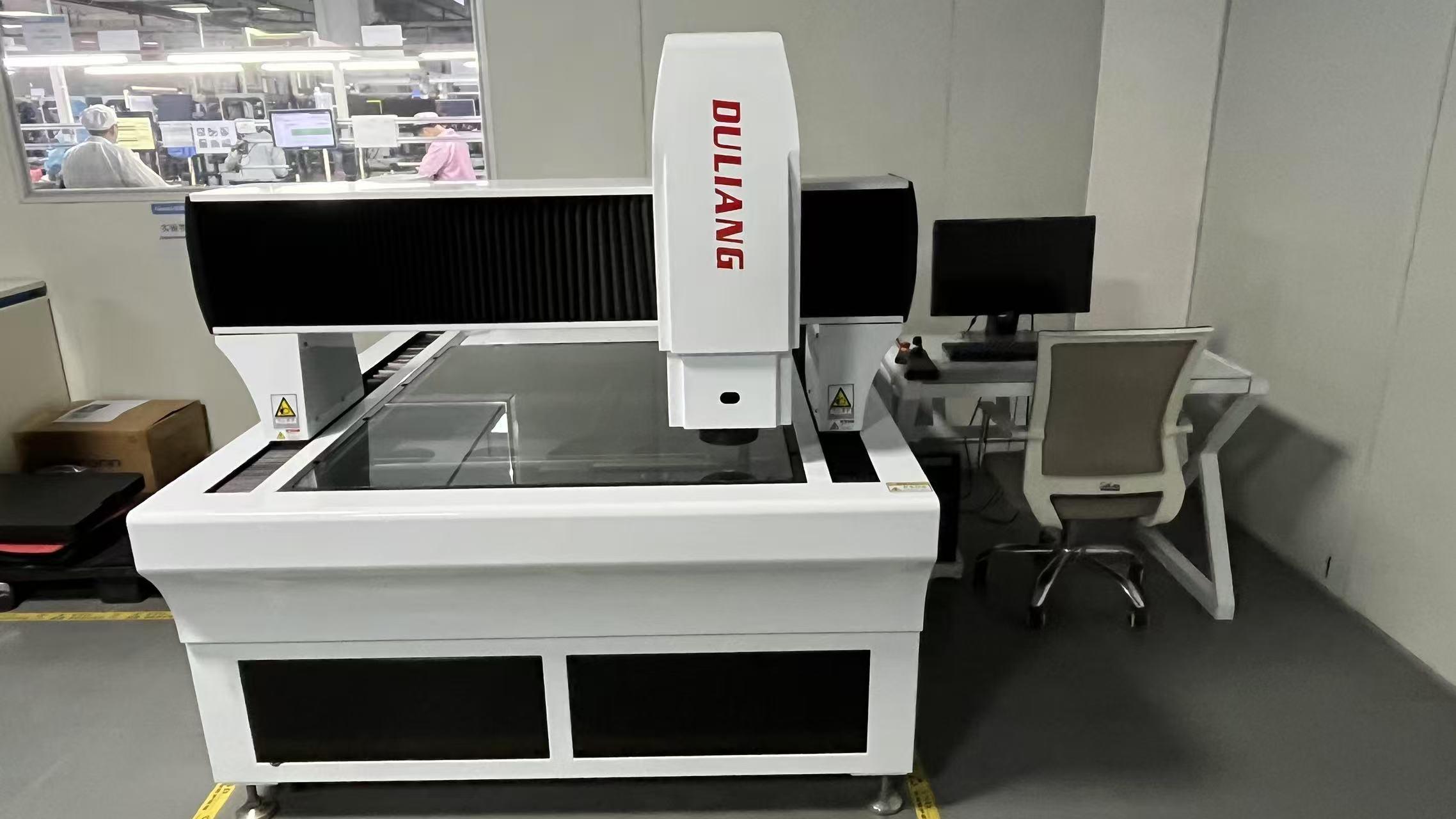
Established in 2016, CoreByte Storage Technology Co., Ltd. has emerged as a premier manufacturer of high-density DRAM architectures and advanced memory solutions. Serving global OEMs, enterprises, and high-performance data centers, we maintain an intense focus on stability, low-power efficiency, and robust data integrity. Our high-precision testing facilities utilize automated optical inspection (AOI) alongside rigorous temperature-stress chambers to ensure every unit demonstrates maximum operational reliability.
Leveraging over 9 years of industry experience, CoreByte delivers customized memory solutions, supporting frequency tuning, thermal optimizations, and fixed Bill-of-Materials (BOM) configurations. This ensures hardware stability over long lifecycles for industrial computing, medical diagnostics, automotive systems, and AI edge architecture.
Next-generation DDR5 memory platforms introduce on-die ECC (Error Correction Code) and Power Management Integrated Circuits (PMICs), delivering double the bandwidth of DDR4 and crucial power efficiency for dense enterprise server farms.
Industrial control systems require real-time data integrity. Error-Correcting Code (ECC) technology dynamically detects and corrects single-bit memory corruptions, preventing sudden system crashes and data loss in mission-critical operations.
Commercial DRAM runs between 0°C and 85°C. In contrast, industrial-grade storage modules operate smoothly from -40°C to 85°C, tolerating harsh thermal expansion, heavy vibrations, and extreme humidity levels.
As computational intelligence shifts to the network edge, the demand for resilient, high-capacity, and low-latency storage has reached unprecedented levels. Industrial RAM serves as the backbone of modern processing systems, directly affecting throughput, system uptime, and computing safety. While commercial memory modules focus primarily on density and raw speed for consumer applications, industrial-grade DRAM is engineered from the ground up to endure continuous, long-term stress under hostile operating parameters.
Industrial deployments often face extreme stresses—ranging from the high-temperature enclosures of oil rigs and automotive engine chambers to the rapid thermal cycles of aerospace systems. Standard consumer memory in these environments is prone to fast material degradation, leading to structural failures, high error rates, and system crashes. High-end industrial RAM solves this by implementing custom circuit designs, advanced thermal dissipation materials, and robust electrical components.
B2B procurement managers and systems integrators face distinct challenges in sourcing high-reliability components. The primary objective is to secure long-term lifecycle support and a Fixed Bill-of-Materials (BOM). In the commercial PC market, internal components, controller chips, and DRAM dies are constantly updated, which creates integration challenges. For industrial systems, which are certified to operate for 5, 10, or 15 years, a change in a single capacitor can invalidate the entire system certification.
Consequently, global sourcing partners look for manufacturers that guarantee long product lifecycles. They require assurance that:
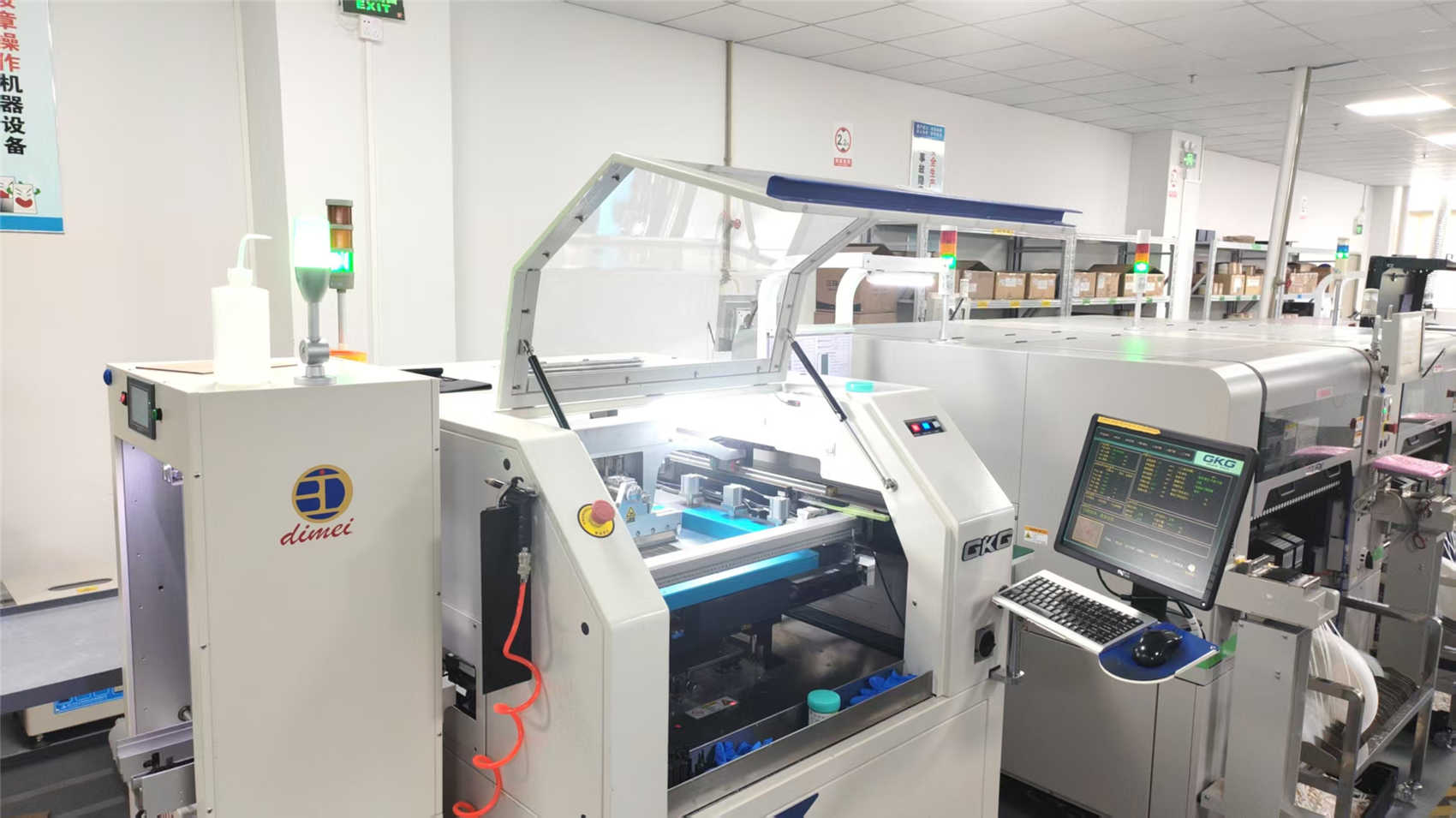
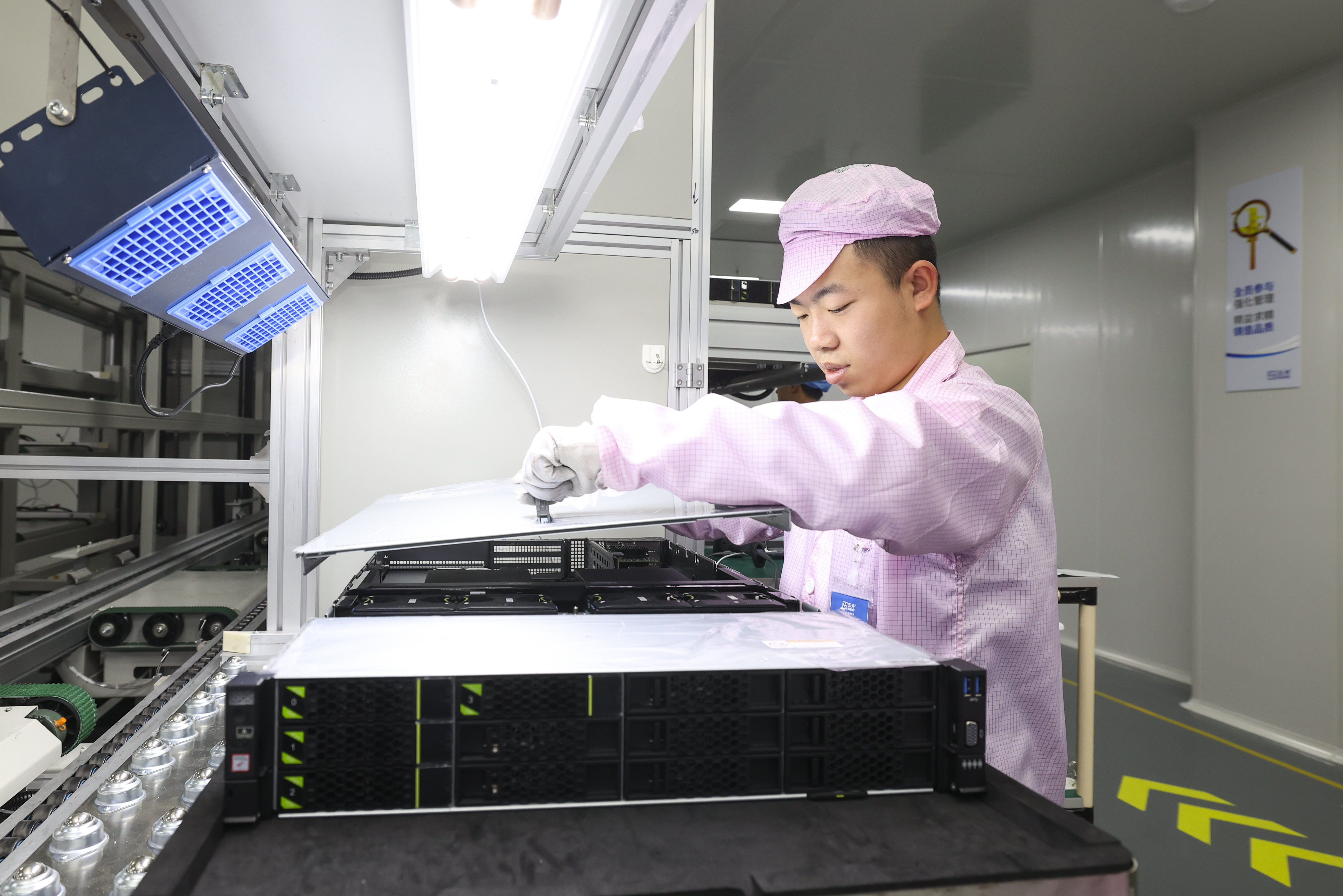
The global semiconductor supply chain relies on manufacturing hubs that balance technical quality with cost efficiency. China’s transition to Factory 4.0 principles—characterized by automated production lines, intelligent inventory tracking, and integrated quality inspections—has elevated the region's manufacturing capabilities.
At CoreByte’s manufacturing center, this industrial modernization translates to:
Modern computing hosts have unique constraints, meaning off-the-shelf memory modules are not always suitable. For example, thin-profile 1U rackmount servers require specialized low-profile memory modules to allow sufficient internal airflow. Similarly, portable rugged field laptops require small-form-factor SO-DIMMs configured with high-vibration resistance.
CoreByte’s engineering team specializes in deep, board-level optimization:
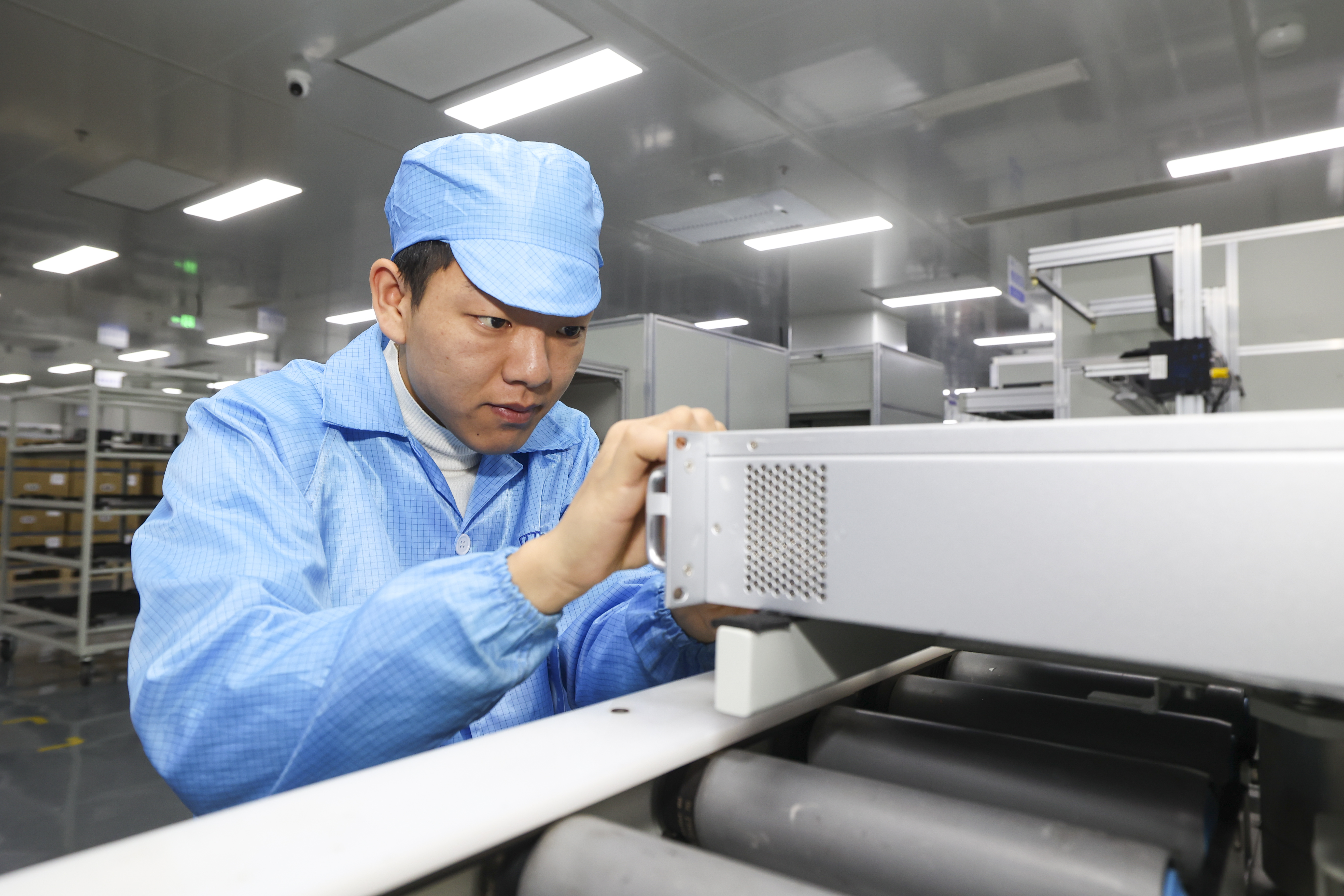
Quality control at CoreByte is built on a comprehensive verification process. To ensure that every industrial RAM module meets performance criteria, we employ a multi-layered quality control framework:
High-resolution camera systems inspect every solder joint, component orientation, and trace alignment. Any micro-defect or bridge is flagged immediately, keeping defective boards off the line.
Modules undergo rigorous thermal cycling and high-temperature stress tests. This process screens out marginal components and prevents premature field failures in critical industrial systems.
We run extensive diagnostic software suites at rated frequencies and elevated voltages. This ensures wide platform compatibility with platforms ranging from legacy systems to the latest Intel Xeon and AMD EPYC configurations.
Our team of 45 quality control inspectors oversees every step of manufacturing, ensuring compliance with our ISO9001 quality management systems. As a result, our clients receive reliable memory that operates continuously in challenging industrial applications.
Industrial RAM is utilized across a wide variety of commercial and scientific sectors, each with its own operational requirements:
Industrial controllers and CNC machinery are subject to constant mechanical vibrations and electromagnetic interference. Standard memory can work loose from its slot or experience soft errors due to EMF. CoreByte’s industrial-grade modules, equipped with gold-plated pins and mechanical hold-downs, maintain stable connections and uninterrupted operation.
AI-driven edge routers process vast amounts of telemetry data locally. This continuous high-speed data flow requires stable memory. Our high-frequency DDR4 and DDR5 memory modules supply the necessary bandwidth for local AI processing, preventing bottlenecks in remote communication nodes.
On-board train control systems operate in changing environments, with temperatures swinging rapidly as vehicles move between tunnels and open sunlight. CoreByte's wide-temperature memory modules adapt to these conditions, maintaining reliability for passenger safety and telemetry tracking.
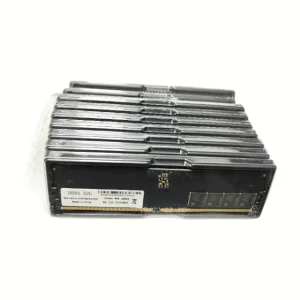 Computer Server Memory DDR5 32GB 5600MHz Desktop Memory Module RAM 14800MHz 5600MHz 6000MHz
Inquire Now
Computer Server Memory DDR5 32GB 5600MHz Desktop Memory Module RAM 14800MHz 5600MHz 6000MHz
Inquire Now
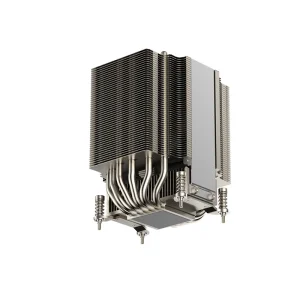 Hot Selling Professional Aluminum Radiator Passive CPU Server AMD SP5 Water Cooler Socket LGA1700AM5 Server CPU Cooler
Inquire Now
Hot Selling Professional Aluminum Radiator Passive CPU Server AMD SP5 Water Cooler Socket LGA1700AM5 Server CPU Cooler
Inquire Now
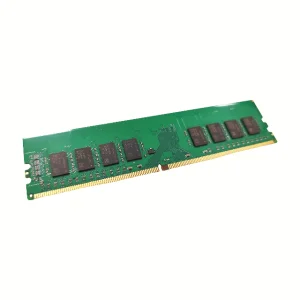 DDR3 Laptop Memory Module 8GB 1333MHz/1600MHz Non-ECC Brand New in Stock Lifetime Warranty Universal Compatibility
Inquire Now
DDR3 Laptop Memory Module 8GB 1333MHz/1600MHz Non-ECC Brand New in Stock Lifetime Warranty Universal Compatibility
Inquire Now
 CoreByte