In the era of hyper-connected environments, enterprise-level wireless networks serve as the nervous system for global businesses. From massive data warehouses deploying IoT sensor networks to multi-national corporate office campuses, the demand for stable, high-throughput, and thermally efficient wireless routers is growing at an unprecedented rate. Finding the right manufacturer in China—the epicenter of global hardware supply chains—requires a thorough understanding of component sourcing, high-speed SMT assembly, and strict Quality Assurance (QA) practices.
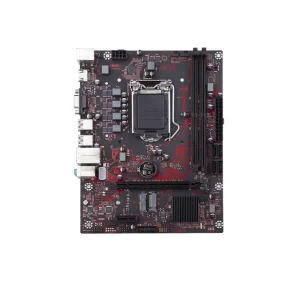
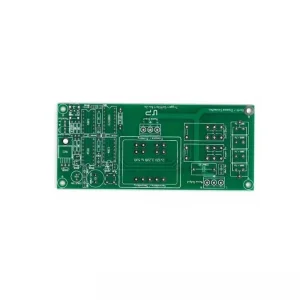
A wireless router's capability is determined not just by its plastic shell or outer antennas, but by the complex internal hardware stack. High-speed DRAM modules handle heavy data packets and concurrent connections, robust motherboards (PCBA) ensure optimal signal integrity, and high-performance coolers and heat sinks prevent thermal throttling. When selecting a China Wireless Router Factory or OEM partner, global procurement teams must analyze the entire semiconductor and PCBA ecosystem to secure long-term hardware reliability.
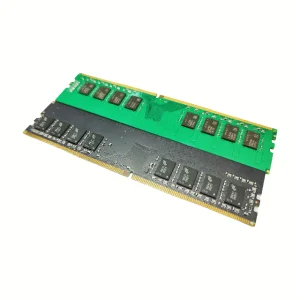
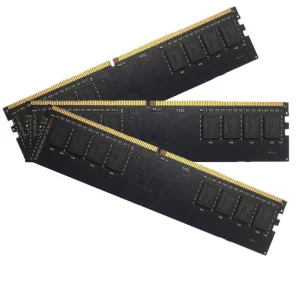
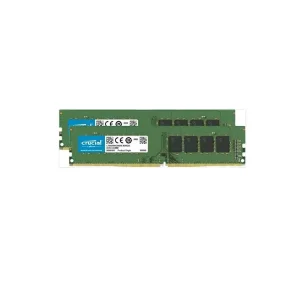
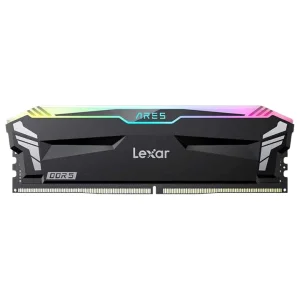
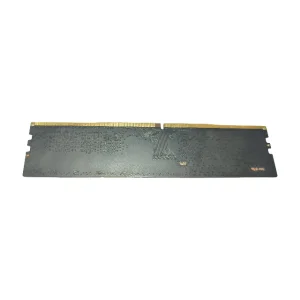
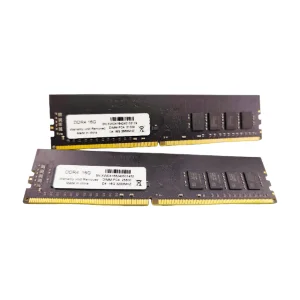
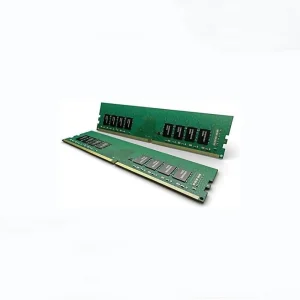
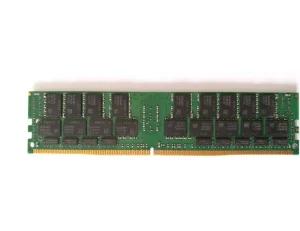
Modern wireless routers running Wi-Fi 6, Wi-Fi 6E, and Wi-Fi 7 handle immense traffic lanes, requiring robust onboard RAM to execute advanced operations like Dynamic Frequency Selection (DFS), beamforming, and AI-driven Quality of Service (QoS) prioritization. When router memory suffers from low bandwidth or high latency, packet loss occurs, leading to high latency spikes in critical business systems. This is why top-tier China router factories closely partner with advanced DRAM manufacturers like CoreByte Storage Technology Co., Ltd., integrating stable DDR4 and DDR5 memory modules directly into router PCB design.
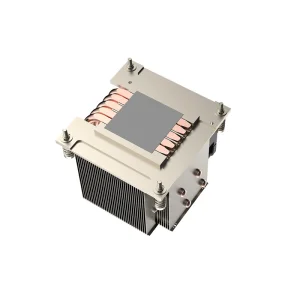
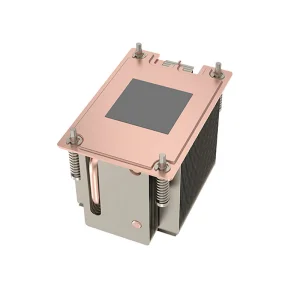
Additionally, modern network equipment generates substantial heat. Powering multiple antennas, operating gigabit processors, and routing gigabits of bandwidth simultaneously forces the main SoC to run hot. Without custom-designed aluminum or copper heat sinks, these processors throttle speed or fail entirely. A premium manufacturer manages the design from motherboard layout, cooling system integration, up to high-speed memory configuration.
From raw silicon crystals, active/passive SMD components, FR4 copper clad laminates, to specialized thermal modules—everything is sourced within a 50km radius in South China hubs (Shenzhen/Dongguan/Guangzhou). This results in extremely fast prototype turnarounds and minimized logistics delays.
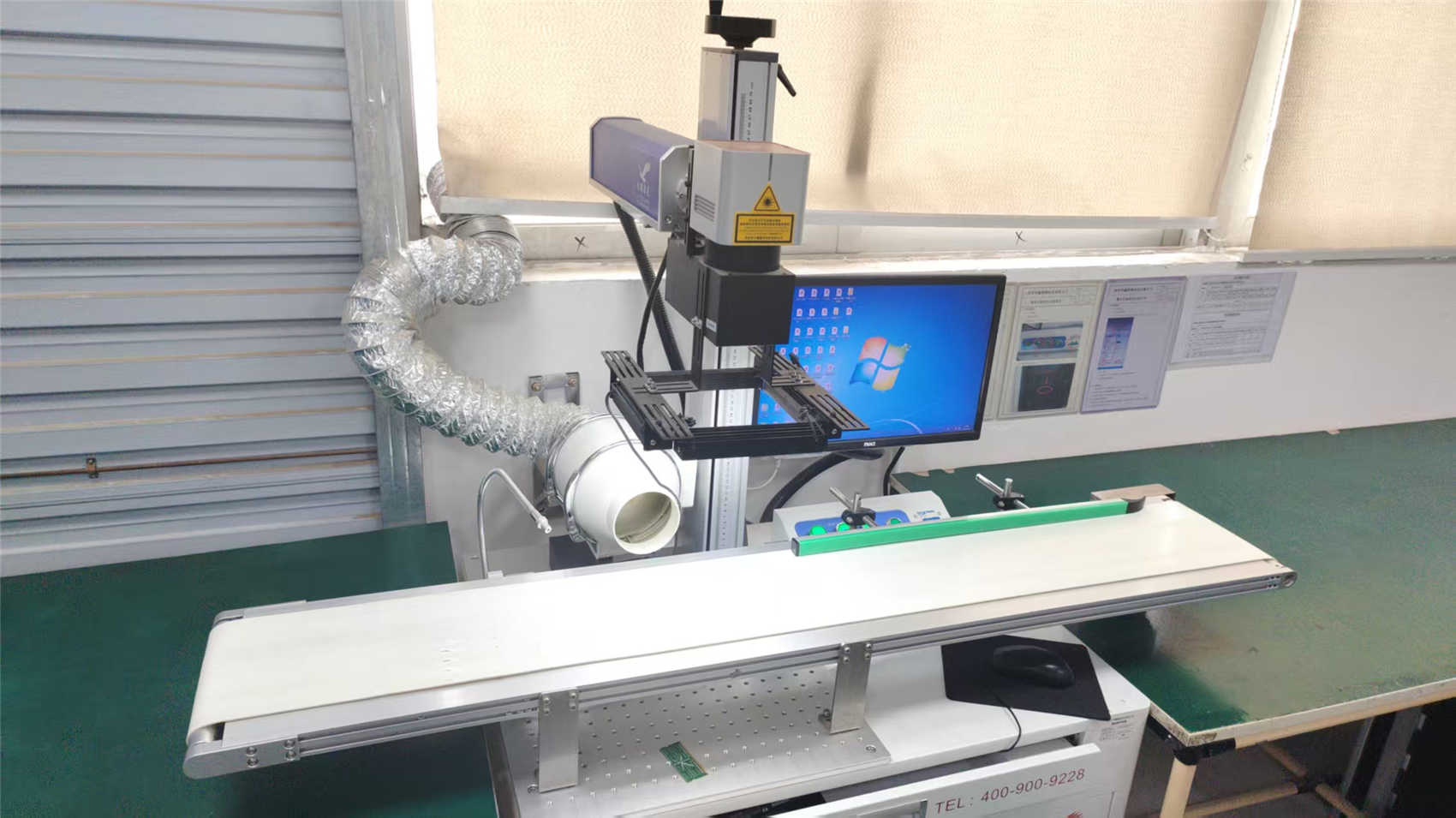
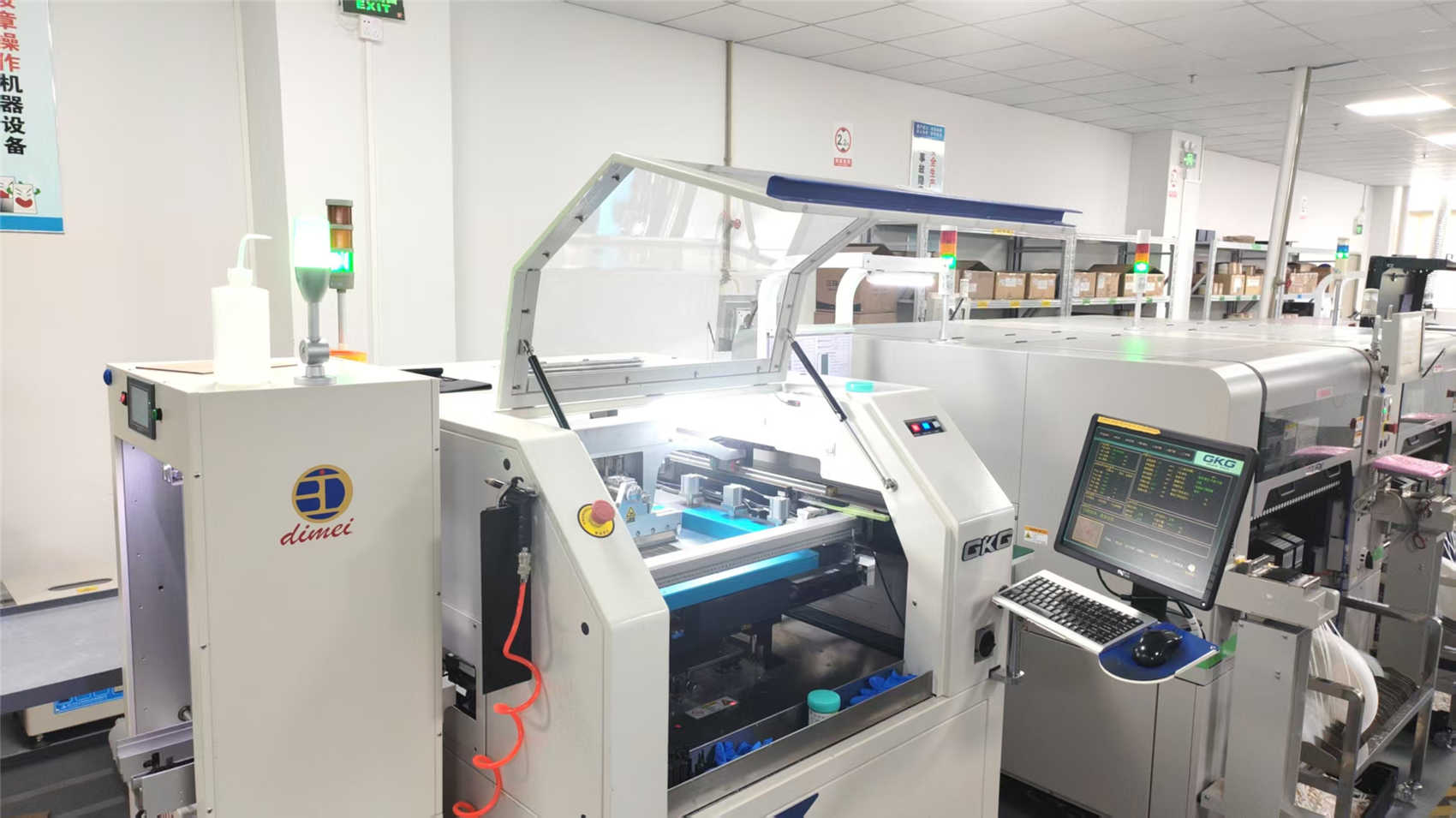
Equipped with state-of-the-art SMT lines, automated stencil printing, dynamic X-ray inspection, and AOI systems, Chinese factories ensure component mounting precision of up to 01005 packages. This is crucial for high-frequency RF routing designs and dense memory traces.
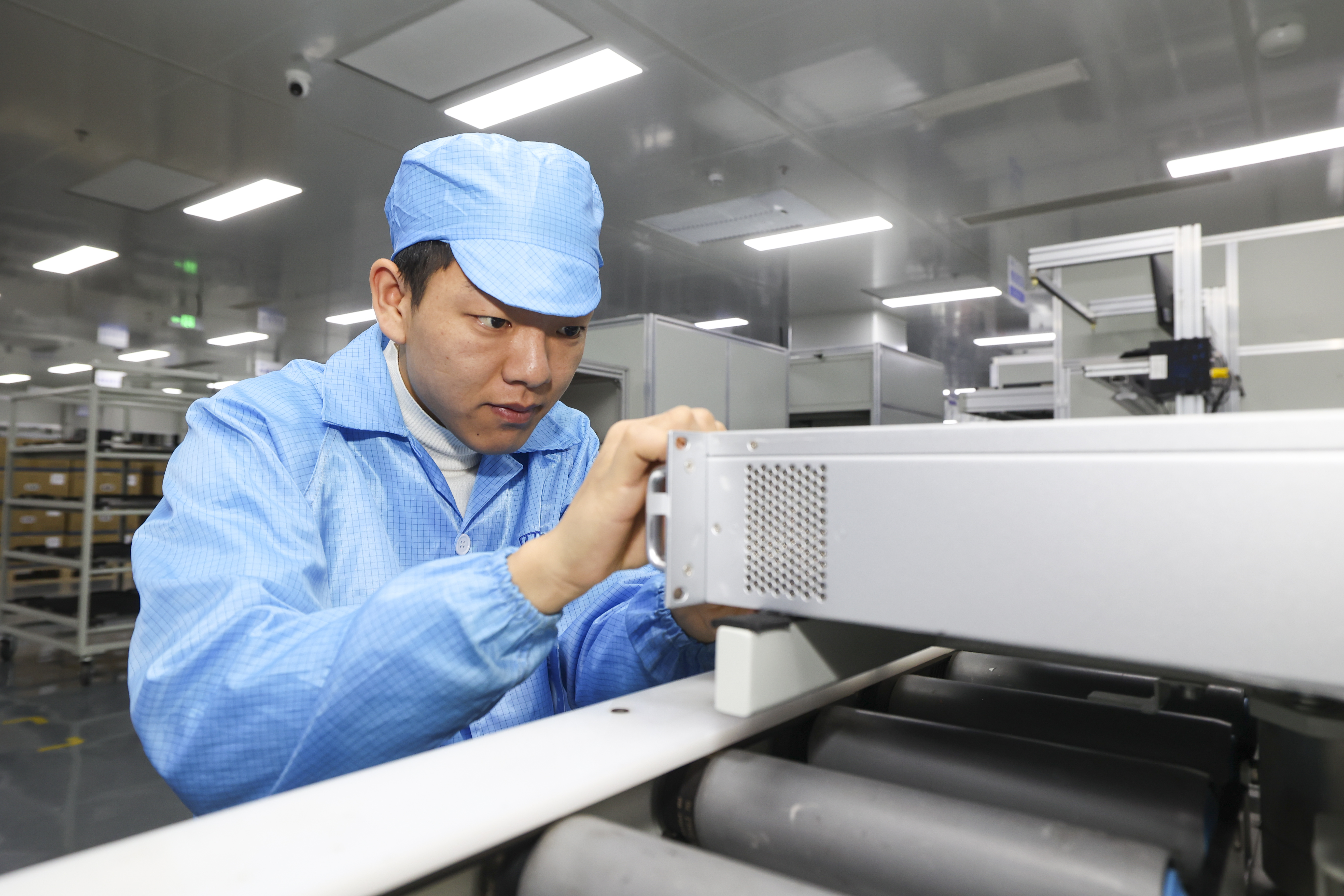
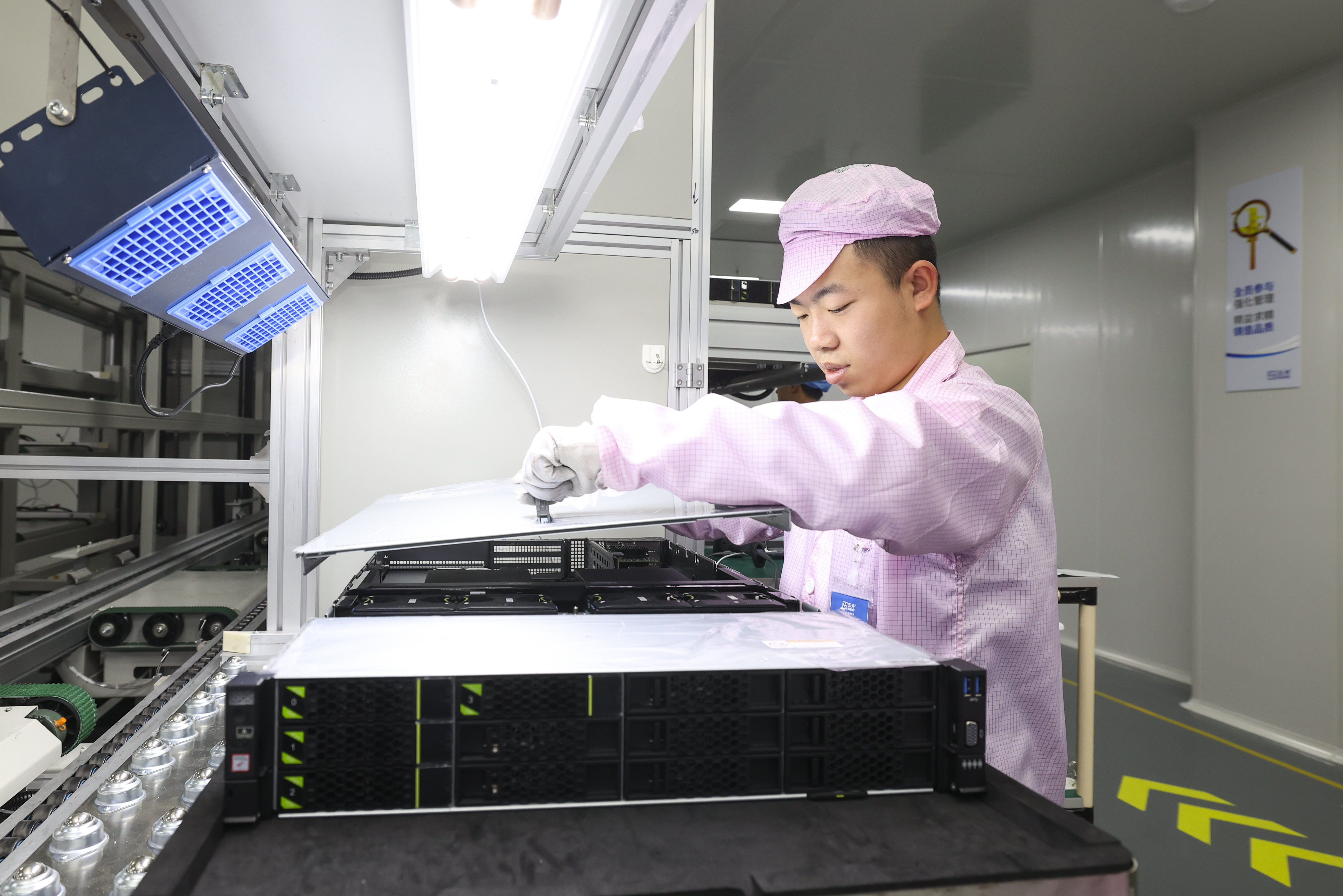
Leading factories strictly run on ISO9001 and ISO14001 guidelines. Our partner network features dedicated quality control groups with 45 specialized inspectors running high-temperature aging chambers, RF signal shielding tests, and drop resistance metrics to achieve low RMA rates.
The networking ecosystem is undergoing a dramatic shift towards Wi-Fi 7, which offers data speeds exceeding 40 Gbps, ultra-low latency, and enhanced stability in congested environments. This technology relies on 320 MHz channel widths and 4096-QAM (Quadrature Amplitude Modulation). To implement this level of signal processing, routers require high-efficiency memory pipelines. Sourcing teams must ensure their supplier’s PCBA designs support high-capacity, high-frequency DDR4 or DDR5 RAM to handle multi-gigabit routing buffers without latency spikes.
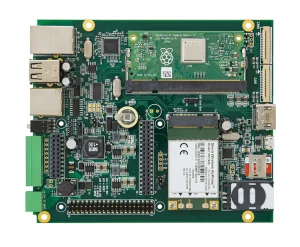
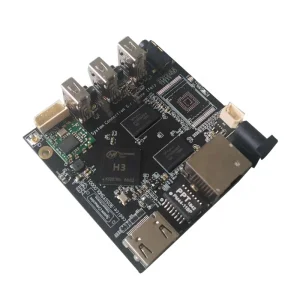
Modern routers are no longer simple gateway terminals; they are increasingly acting as edge-computing units. In automated factories, routers must process local telemetry data and run lightweight containers (like Docker). This requires powerful SoC architectures, solid-state flash memory, and reliable RAM capacity. Custom industrial control boards, such as those adapted from Raspberry Pi PCBA ODM development, are becoming the backbone of specialized routing devices in harsh environments.
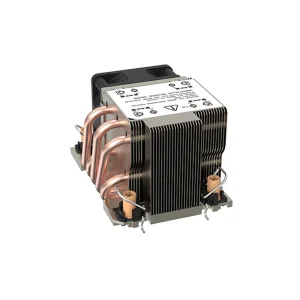
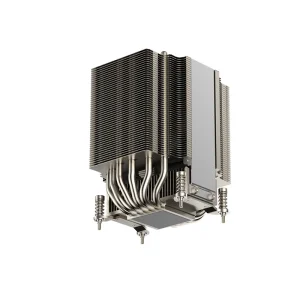
Enterprise routers operate in continuous, 24/7/365 production settings. Standard passive cooling is often insufficient when routers run full load data packages over long distance fiber links. Modern China wireless router suppliers focus heavily on structural thermodynamics. Utilizing custom cooper heat pipes, fins, and 2U active refrigeration chip coolers ensures the main networking chips maintain optimal temperature boundaries, drastically improving the Mean Time Between Failures (MTBF).
Deploying high-gain, industrial-grade routers with fast roaming capabilities allows AGVs (Automated Guided Vehicles) and barcode scanners to maintain persistent, zero-packet-loss connection across millions of square feet of warehouse space.
Custom router designs optimizing MU-MIMO (Multi-User Multiple-Input Multiple-Output) technology, paired with advanced DDR4 RAM buffers, ensure that hundreds of staff devices can perform high-definition video conferencing without bandwidth throttling.
Delivering tailored OEM and ODM router configurations including custom firmware builds, shell branding, external antenna designs, and specific local frequency adaptations compliant with international regulatory bodies (FCC/CE/RoHS).
To deliver robust connectivity systems, hardware must be built on high-precision components. CoreByte Storage Technology Co., Ltd. is a professional DDR5 memory and DRAM solution manufacturer specializing in high-performance memory modules for global OEM, enterprise, and data center applications. Established in 2016, the company has developed strong capabilities in R&D, production, and international trade, focusing on stable, high-speed, and energy-efficient memory products.
The company operates a modern manufacturing facility with a total building area of approximately 320㎡, equipped with advanced production and testing equipment to ensure strict quality control standards. CoreByte has an annual export revenue of around USD 12 million, with 6 years of export experience and over 9 years of industry experience in memory and semiconductor-related solutions. Their component level technology plays an integral role in driving high-capacity data processing buffers for modern router units.
Quality assurance is a core priority at CoreByte. The company implements ISO9001-based quality management systems, combined with automated optical inspection (AOI) and high-temperature aging tests to ensure product stability and compatibility. The quality control team consists of 45 dedicated inspectors, ensuring every batch meets international performance standards.
CoreByte maintains a strong trade-oriented business background, serving key markets including North America, Europe, Southeast Asia, and the Middle East. The company has established a reliable global supply chain network with more than 1,200 supply chain partners, supporting stable production and fast delivery.
Its primary customers include OEM system integrators, server manufacturers, industrial computer brands, and data center solution providers. With strong engineering capabilities, CoreByte offers advanced customization services, including PCB design optimization, frequency tuning, thermal solution adjustment, and branding customization.
The company invests heavily in innovation, with 85 R&D engineers and launching approximately 120 new product models annually to meet evolving market demands in AI computing, cloud infrastructure, and high-performance gaming systems.
 CoreByte