Discover our premier tier of DRAM modules, engineered high-speed motherboard components, and industrial PCB designs customized to survive demanding operational architectures.
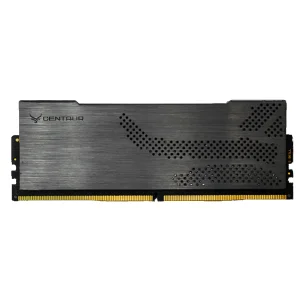
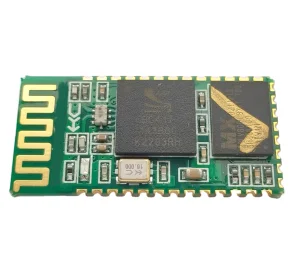
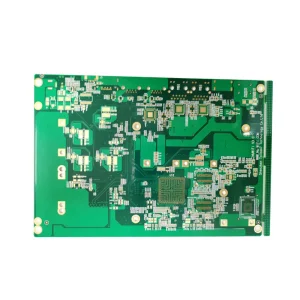
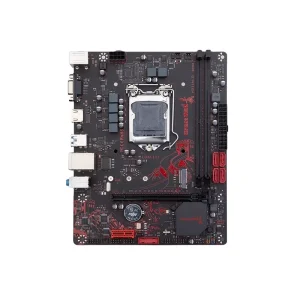
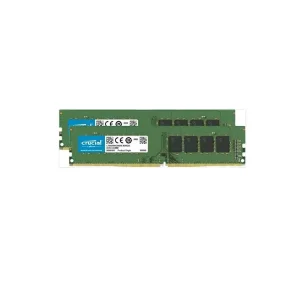
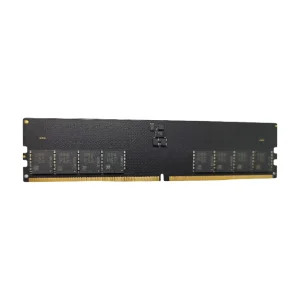
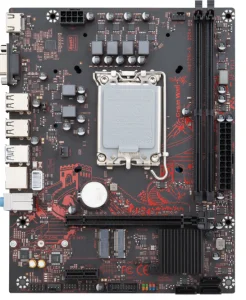
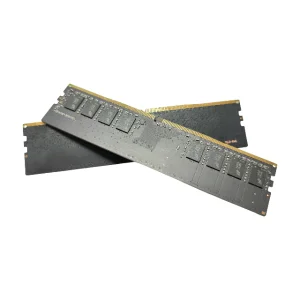
While modern server networks are gradually migrating towards DDR5, the global reliance on DDR4 RAM modules remains unprecedented. The architectural maturity, low power thresholds, structural cost efficiency, and proven signal reliability make DDR4 technology the foundational backbone for over 70% of currently operational global server racks, industrial embedded systems, edge computers, and desktop workloads.
For global enterprise procurement managers, purchasing from a premier China DDR4 RAM factory means securing products built with highly mature JEDEC configurations. The reduction of production variance over consecutive manufacturing generations guarantees that modern DDR4 DRAM maintains a significantly lower Failure In Time (FIT) rate compared to emerging standards. This reliability profile is essential for critical automation pipelines, embedded systems, and telecom hardware.
The global hardware market is witnessing an extended lifecycle for DDR4. Standardized frequencies, ranging from 2133MHz up to high-speed 3200MHz, are actively favored in edge devices, network switches, and custom industrial PCs due to minimal thermal outputs and robust density variations (4GB up to 32GB per DIMM).
Modern enterprises face strict budgetary thresholds paired with non-negotiable operational uptime requirements. DDR4 memory presents a balanced total cost of ownership (TCO). Procurement teams leverage optimized Chinese manufacturing ecosystems to bypass high development costs and acquire fully compatible memory modules.
Industrial environments demand wide temperature operation, anti-sulfuration features, and strict vibration resistance. China's state-of-the-art factories specialize in deploying advanced coating techniques, heavy gold-finger plating, and custom PCB assemblies to withstand challenging industrial conditions.
Established in 2016, CoreByte Storage Technology Co., Ltd. is a pioneering professional DDR5 memory and DRAM solution manufacturer. We specialize in producing high-performance, stable, and power-efficient memory modules tailored for global OEMs, complex enterprise networks, and modern data center environments. Over the past decade, we have scaled our advanced capabilities across research and development, high-frequency signal simulation, automated manufacturing, and global international trade.
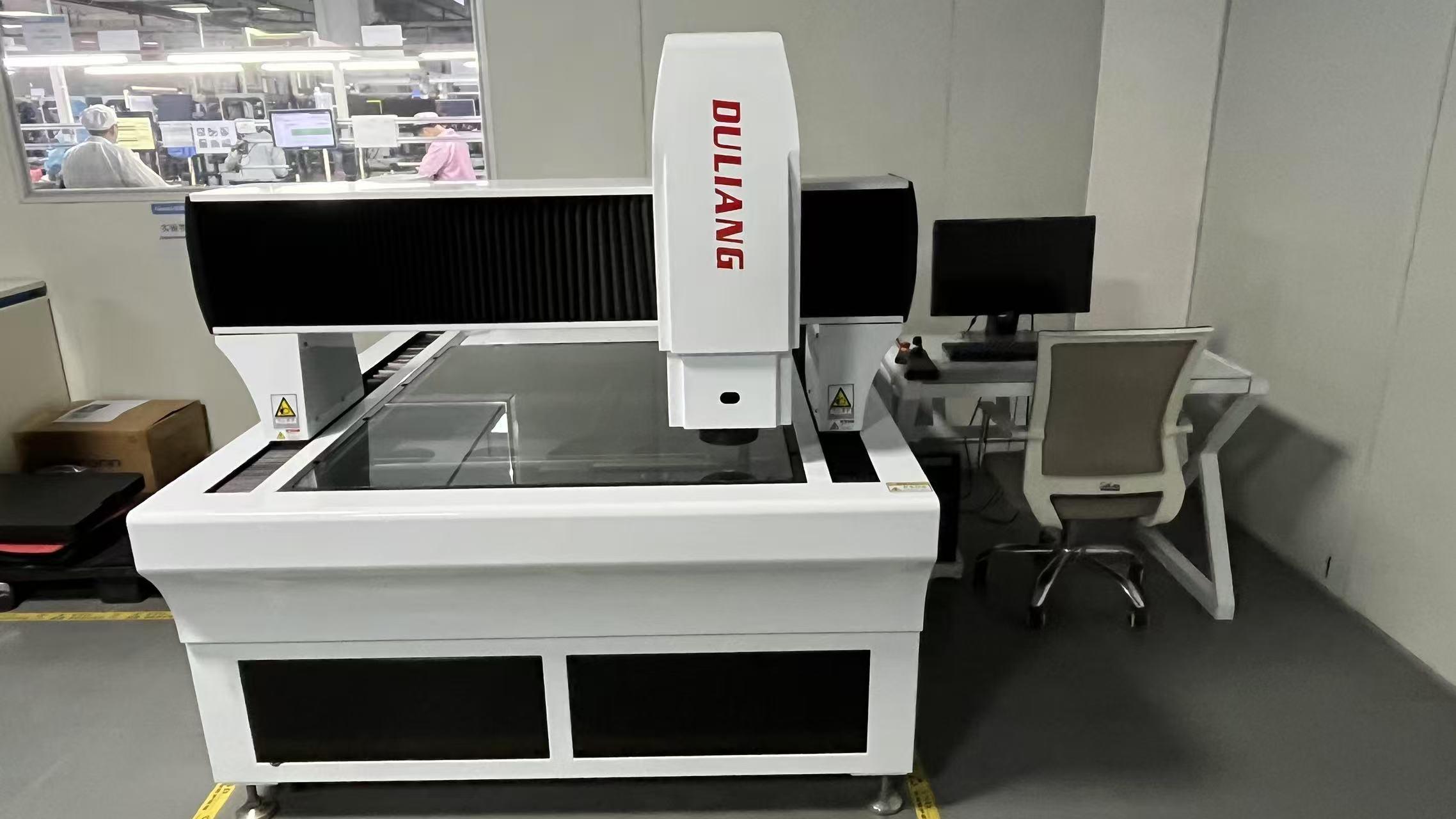
Our core manufacturing facility employs highly precise production and test benches, supporting a sophisticated, quality-controlled environment. With a dedication to international standards, we execute ISO9001-based quality management systems seamlessly across all operations.
Every memory module runs through automated optical inspection (AOI) scanners, high-frequency test systems, and high-temperature burn-in aging tests to guarantee platform compatibility across major Intel, AMD, and ARM architectures.
Through manufacturing automation, strategic material sourcing, and efficient component assembly, CoreByte ensures optimal pricing structures and fast turnaround times.
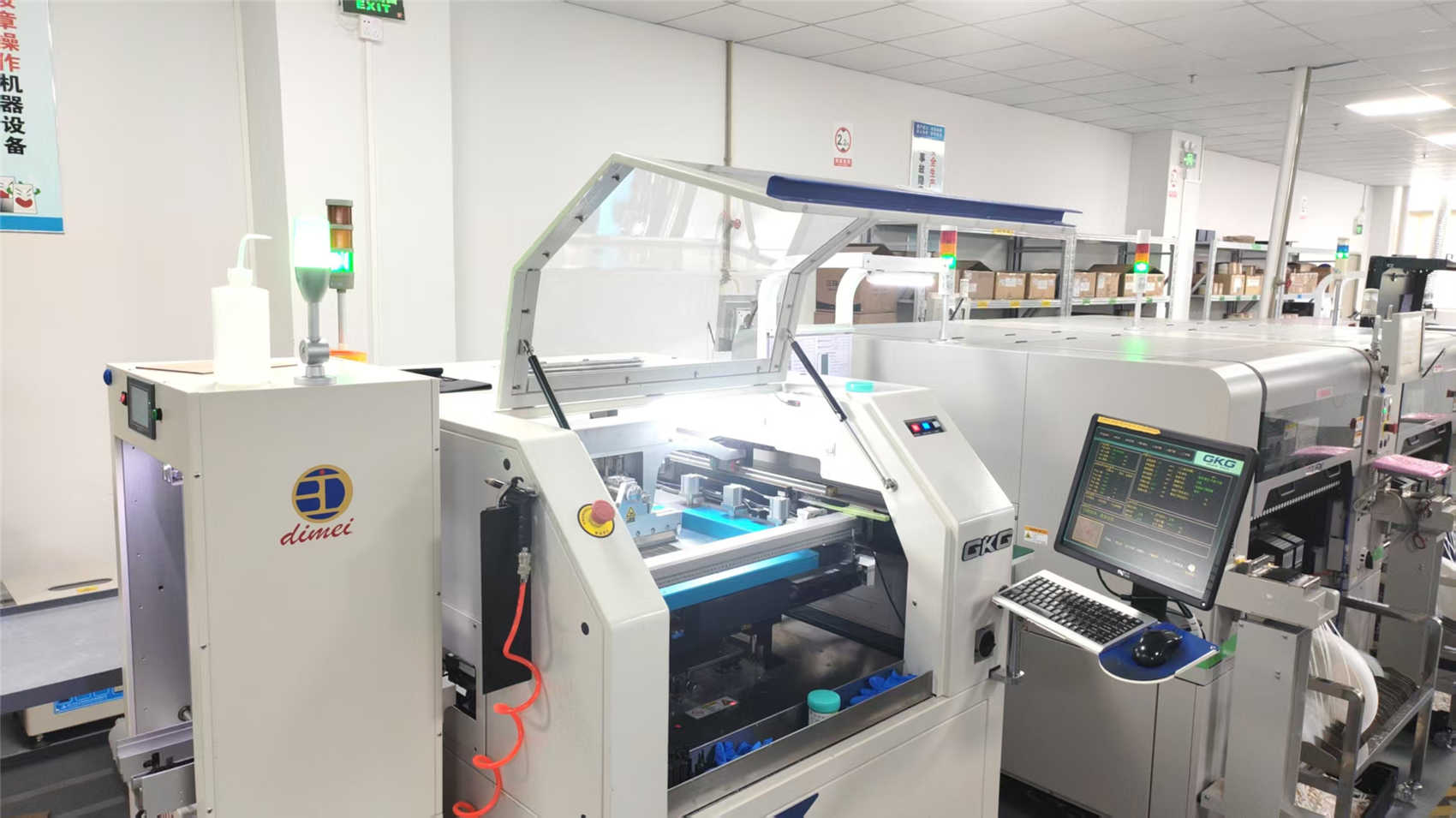
Our surface-mount technology (SMT) lines utilize high-speed placement machines capable of soldering micro-elements with precise alignment, ensuring structural durability and minimizing parasitic inductance in high-speed DDR4 circuits.
We develop integrated thermal management solutions. From custom copper heat spreaders to optimized dual-sided PCB traces, our thermal design profiles prevent heat spots, maintaining operating temperatures within safe bounds.
Supported by 85 R&D engineers, we provide tailored hardware adjustments. Whether designing low-profile (VLP) form factors, modifying EEPROM SPD codes, or implementing specialized frequency settings, our team provides complete support.
Modern memory modules must perform reliably across diverse application environments. Our DDR4 solutions are deployed in various settings:
Our Registered DIMMs (RDIMMs) with Error-Correcting Code (ECC) provide 24/7 reliability, preventing multi-bit errors and ensuring continuous server operations.
For manufacturing lines, our SO-DIMM and unbuffered memory options are built on multi-layer PCBs to withstand structural vibrations and thermal fluctuations.
With compact layouts and low voltage standards, these modules enable efficient data pre-processing at the edge before transferring to cloud systems.
Designed with low CAS latency profiles, our custom DDR4 kits provide responsive performance for workstations and computational equipment.
To understand the performance advantages of CoreByte modules, it helps to examine the underlying architectural standards:
| Technical Parameters | DDR4 Specification Profile | Enterprise Workload Advantages |
|---|---|---|
| Operational Voltages | 1.2V Standard (VDD) / Ultra-low 1.15V | Reduces energy draw by up to 25% compared to legacy DDR3 modules. |
| Data Rates (Frequencies) | 2133MHz, 2400MHz, 2666MHz, 3200MHz | Provides optimized bandwidth for virtualization and database execution. |
| CAS Latencies (CL) | CL15, CL16, CL19, CL22 Standard parameters | Low CAS latency ensures fast initial response times for database queries. |
| Form Factors & Terminations | 288-pin UDIMM/RDIMM, 260-pin SO-DIMM | Wide system compatibility across server platforms and compact embedded systems. |
Our R&D team works to optimize the electrical trace design of each memory PCB. By aligning signal pathways and applying internal ground shielding layers, CoreByte RAM modules minimize signal crosstalk. This focus on signal integrity allows our modules to run consistently at their target speeds without generating parity errors or system instabilities.
Find answers to common questions about memory module standards, manufacturing processes, and sourcing practices.
DDR4 remains a practical choice for industrial applications due to its established track record and lower overall cost. The technology offers stable performance, lower power requirements at standard speeds, and compatibility with a wide range of existing processors and motherboards, making it suitable for long-lifecycle industrial systems.
We perform extensive compatibility testing using advanced equipment. Our testing process evaluates performance across various chipsets and operating systems, and we test our modules on systems from major brands to ensure stable operation and compatibility with standard JEDEC profiles.
We offer a range of customization options, including modifying PCB layer counts, adjusting gold finger thickness, programming custom SPD settings, implementing specific heat spreader designs, and offering private-label branding for OEMs.
Our quality management system is based on ISO9001 standards. We use automated optical inspection (AOI) to check solder quality, alongside high-temperature burn-in and functional tests for each batch to maintain low defect rates before shipment.
Lead times depend on order size and customization requirements. Standard configurations are typically dispatched within 7 to 15 working days, while custom OEM orders generally require 3 to 4 weeks for production and quality verification.
Explore our range of matching motherboards, heat sinks, high-frequency PCBs, and specialized cooling solutions designed to support continuous workloads.
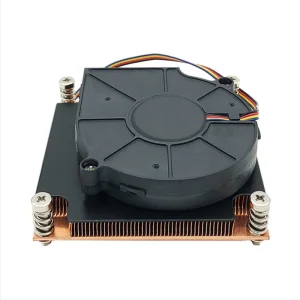
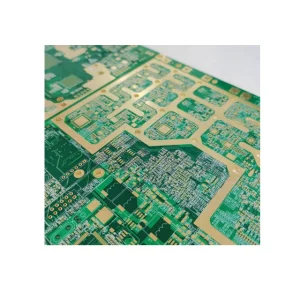
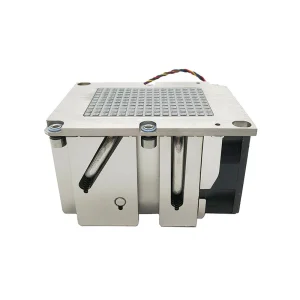
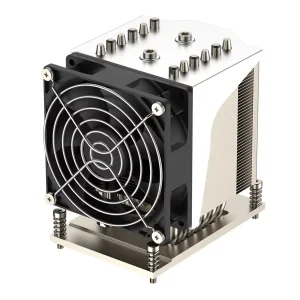
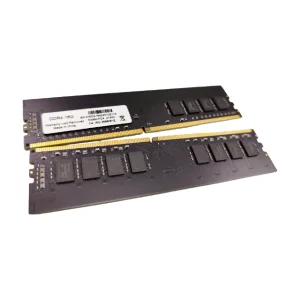
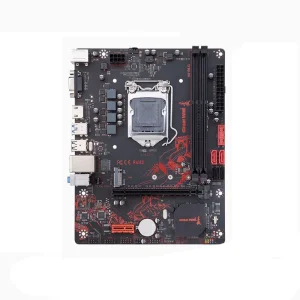
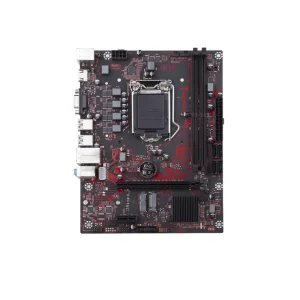
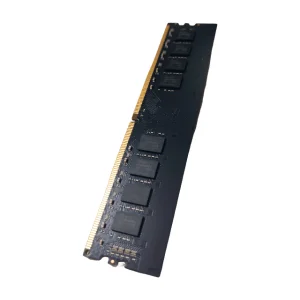
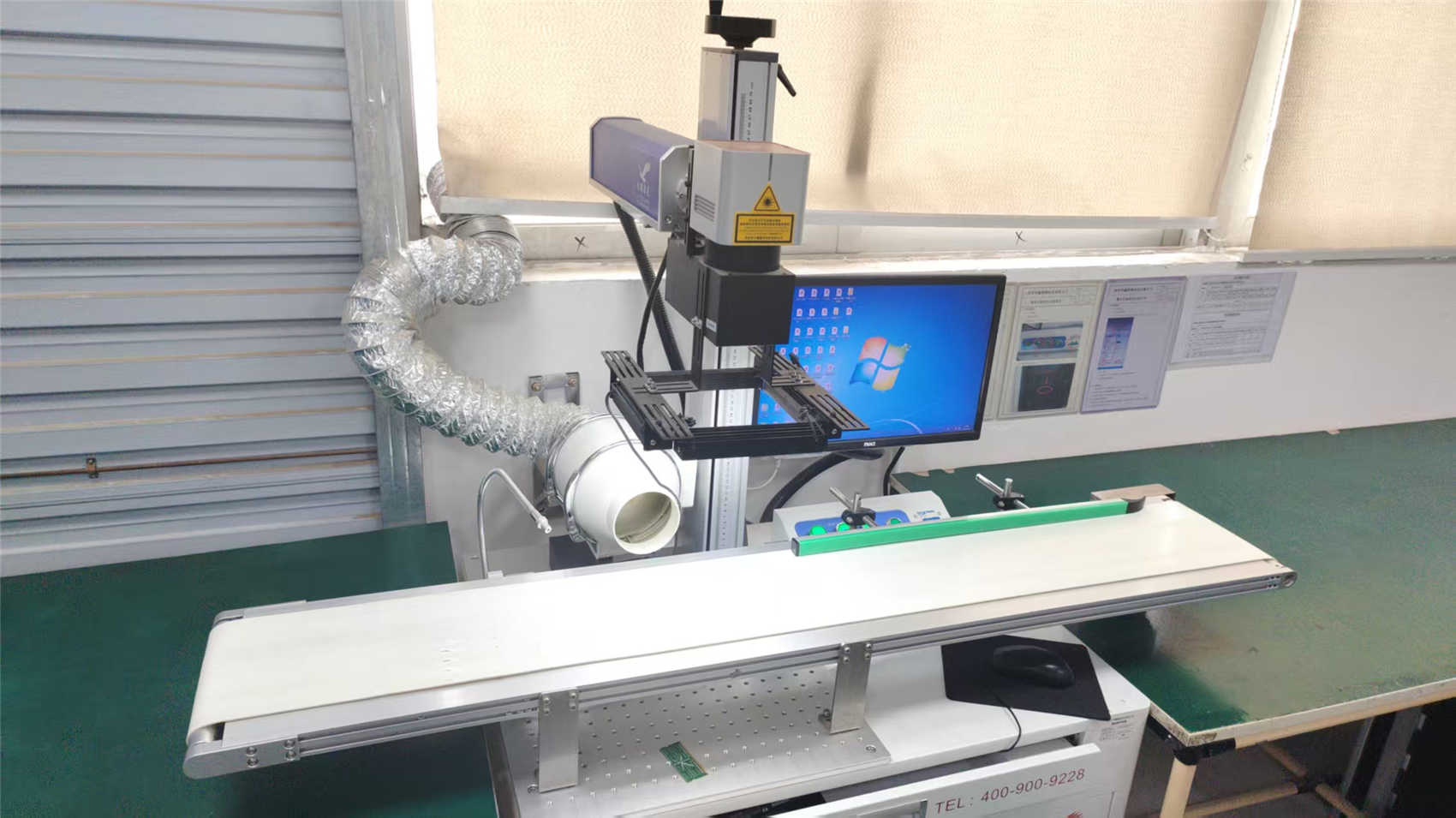
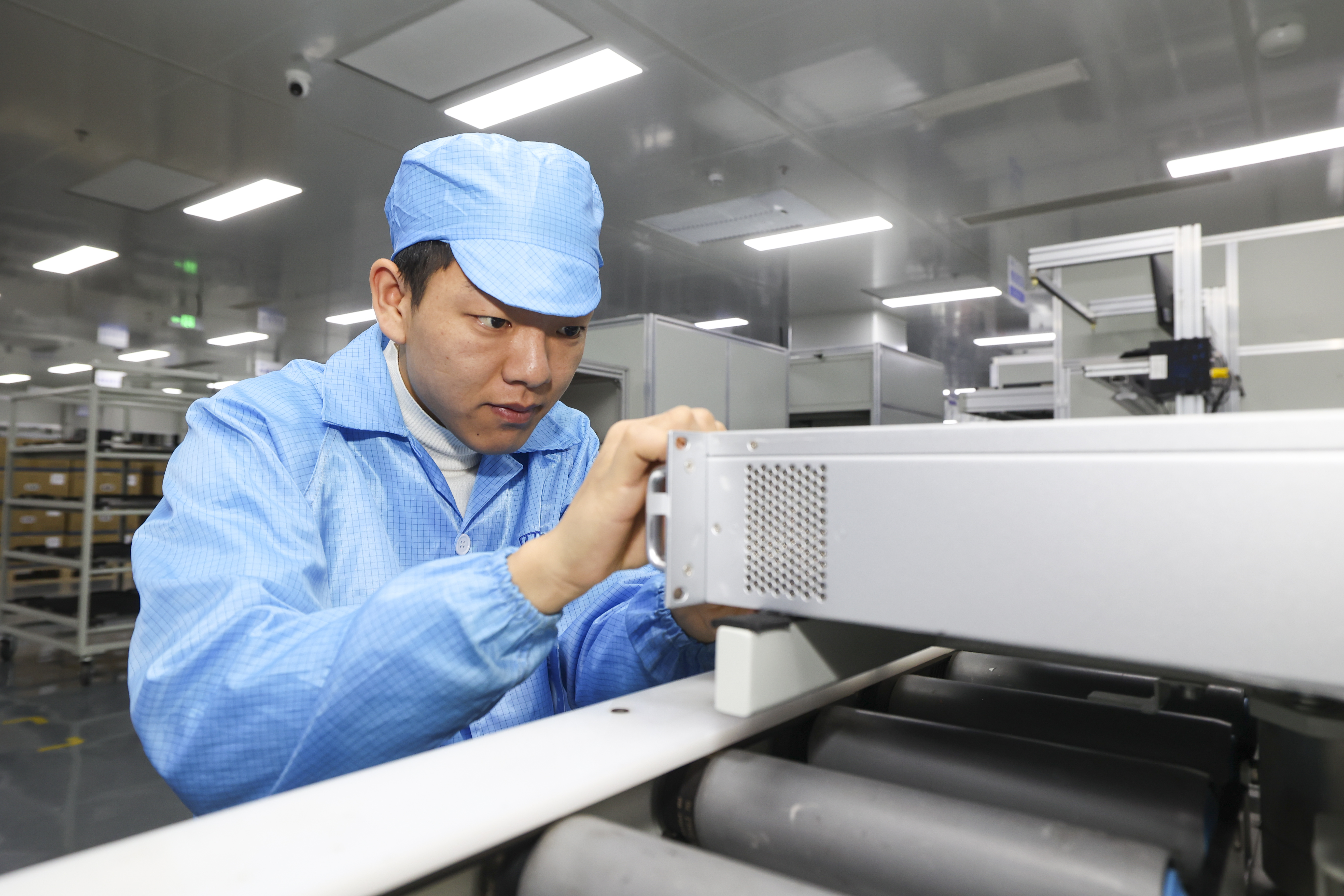
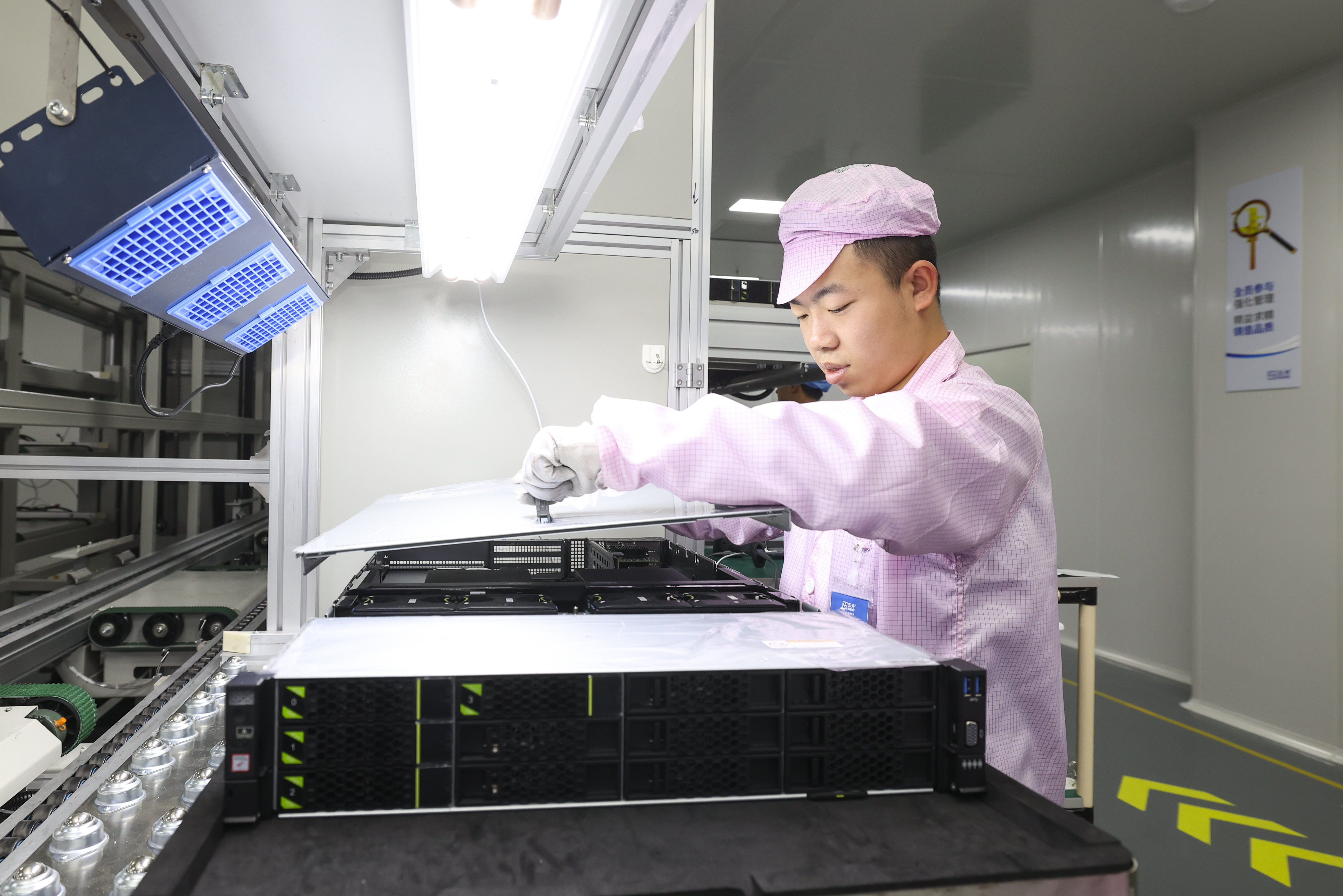
A view of our manufacturing facilities and the quality control environments where we assemble and verify our memory products.
 CoreByte