In the highly competitive era of globalized digital transformation, data centers require hardware architecture that is both highly robust and structurally optimized. CoreByte Storage Technology Co., Ltd. is a professional DDR5 memory and DRAM solution manufacturer specializing in high-performance memory modules for global OEM, enterprise, and data center applications. Established in 2016, the company has developed strong capabilities in R&D, production, and international trade, focusing on stable, high-speed, and energy-efficient memory products.
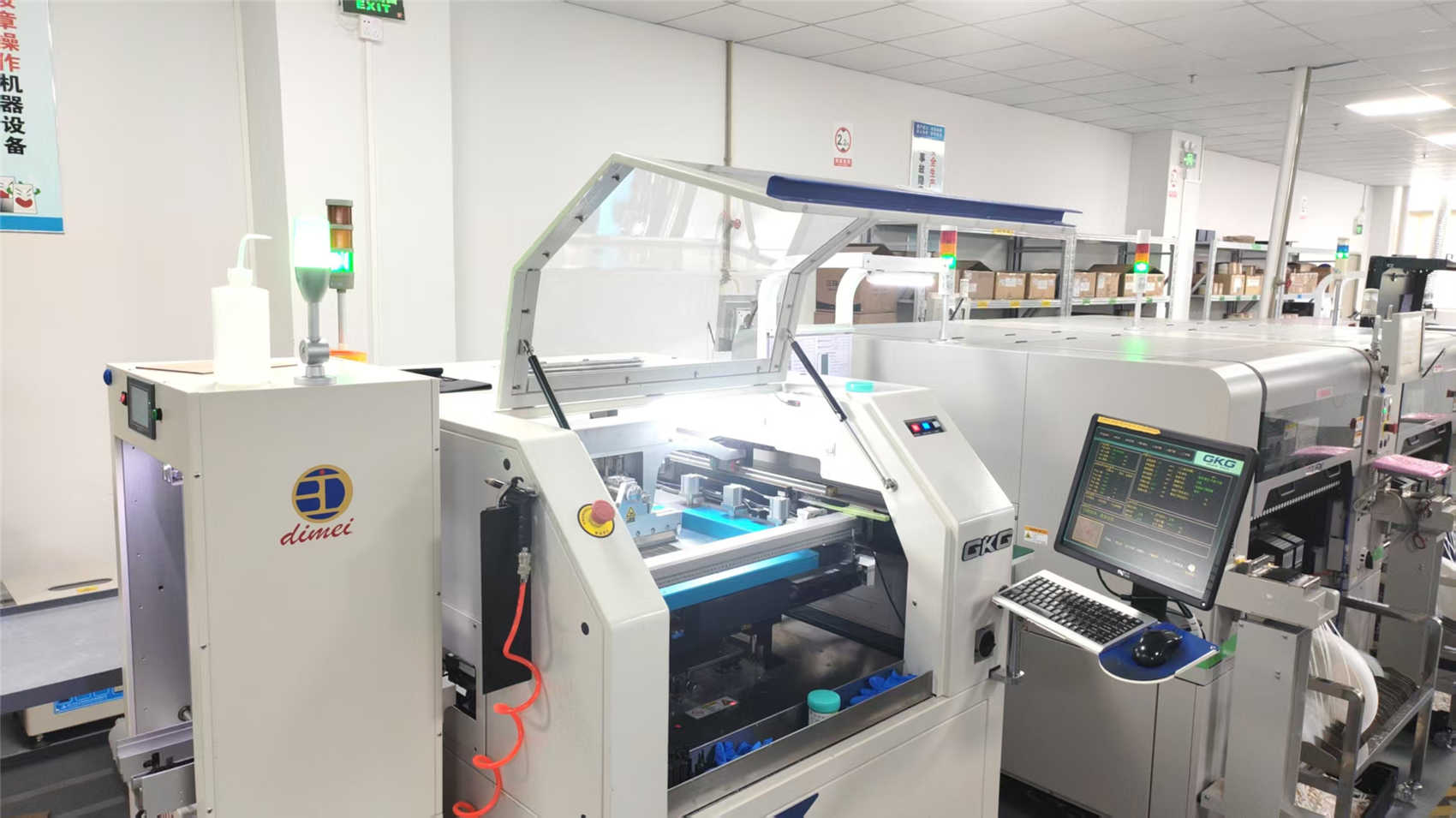
The company operates a modern manufacturing facility with a total building area of approximately 320㎡, equipped with advanced production and testing equipment to ensure strict quality control standards. CoreByte has an annual export revenue of around USD 12 million, with 6 years of export experience and over 9 years of industry experience in memory and semiconductor-related solutions.
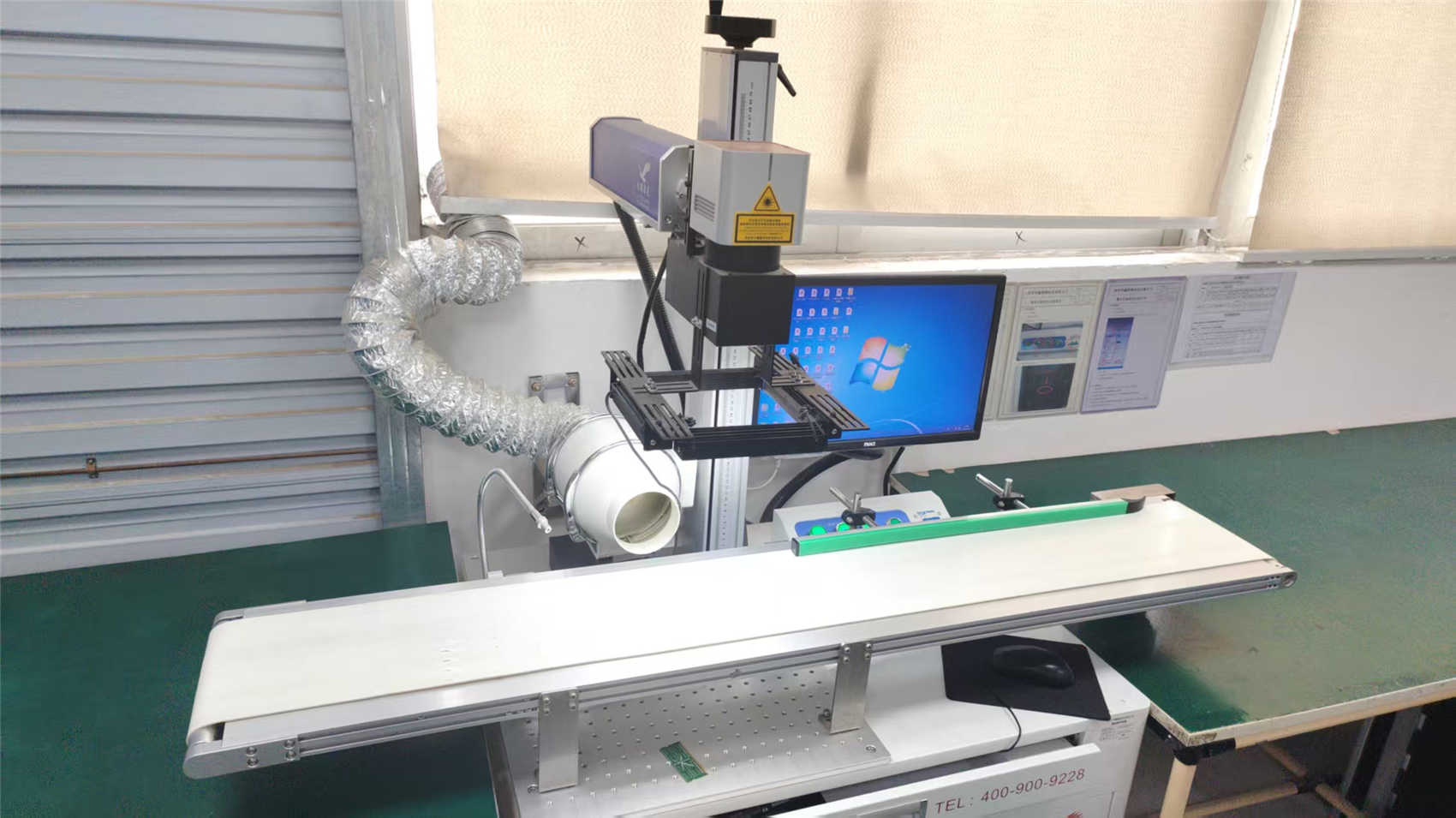
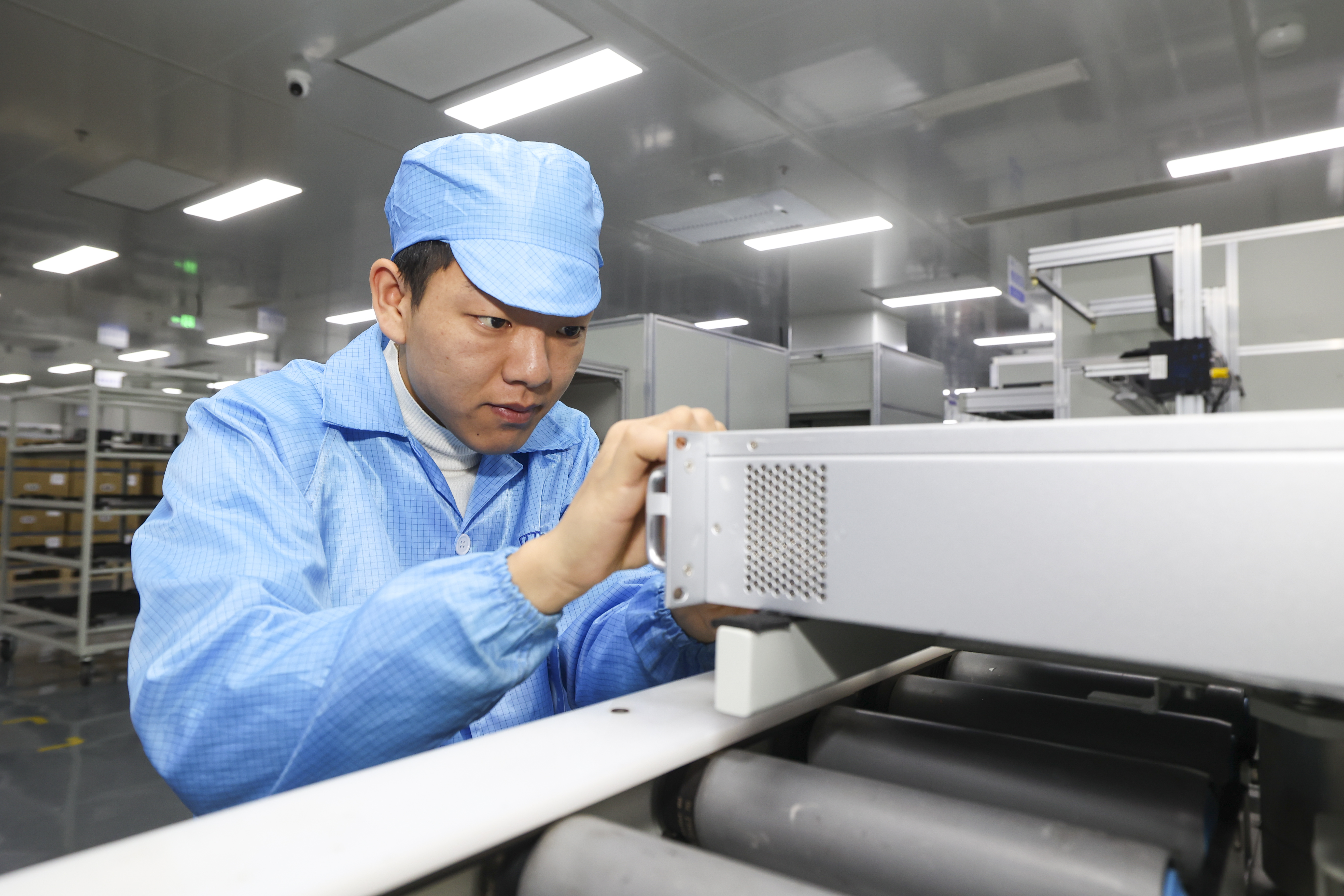
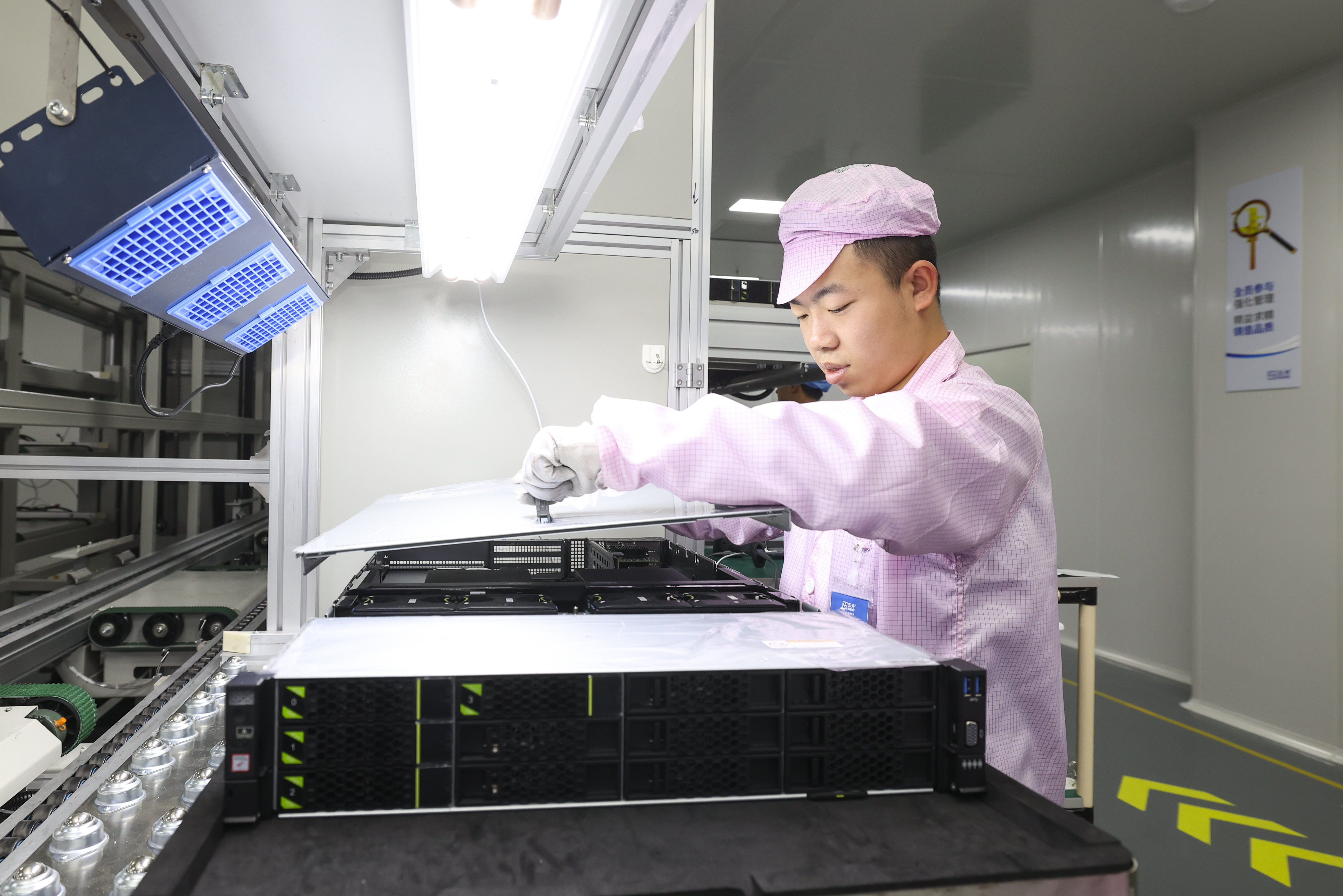
Quality assurance is a core priority at CoreByte. The company implements ISO9001-based quality management systems, combined with automated optical inspection (AOI) and high-temperature aging tests to ensure product stability and compatibility. The quality control team consists of 45 dedicated inspectors, ensuring every batch meets international performance standards.
CoreByte maintains a strong trade-oriented business background, serving key markets including North America, Europe, Southeast Asia, and the Middle East. The company has established a reliable global supply chain network with more than 1,200 supply chain partners, supporting stable production and fast delivery.
Its primary customers include OEM system integrators, server manufacturers, industrial computer brands, and data center solution providers. With strong engineering capabilities, CoreByte offers advanced customization services, including PCB design optimization, frequency tuning, thermal solution adjustment, and branding customization.
The company invests heavily in innovation, with 85 R&D engineers and launching approximately 120 new product models annually to meet evolving market demands in AI computing, cloud infrastructure, and high-performance gaming systems.
Cloud infrastructure operates under the pressure of escalating throughput requirements, fueled by AI/ML training, large language models (LLMs), and hyper-converged databases. As a leading manufacturer in China's semiconductor ecosystem, CoreByte is tracking the critical shift towards next-generation memory and system buses. The core development map focuses on several key technological pillars:
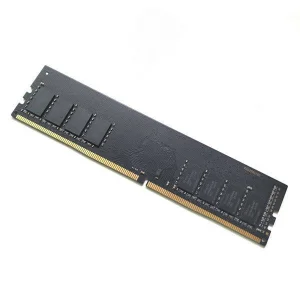
Transitioning architecture to DDR5 brings speeds up to 6400MT/s and beyond. Crucially, CXL (Compute Express Link) protocols will enable memory pooling, reducing latency and maximizing compute-memory utilization across complex host environments.
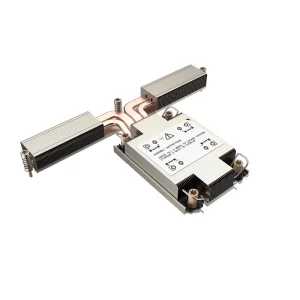
Higher performance causes high thermal load. CoreByte focuses on copper-aluminum composite structures and low-profile server heatsinks designed specifically for 1U/2U server environments, keeping junction temperatures within optimal ranges.
With data transfer rates reaching unprecedented levels, on-die Error Correction Code (ECC) in enterprise memory models ensures bit-level reliability. This prevents systemic data corruption at the hardware layer before it can affect the virtualized stack.
Looking ahead to the late 2020s, CoreByte is committing its 85-strong R&D team to explore sub-nanosecond latency profiles, PMIC (Power Management Integrated Circuit) optimization on the module, and advanced sub-assembly components for LGA4677 sockets and next-generation Intel Xeon and AMD EPYC architectures. This roadmap ensures that high-volume procurement contracts remain future-proofed against incoming platform transitions.
Cloud infrastructure is not a one-size-fits-all market. Enterprise systems depend on custom architectural approaches to support diverse workload topologies. CoreByte's integrated hardware configurations address critical industrial scenarios:
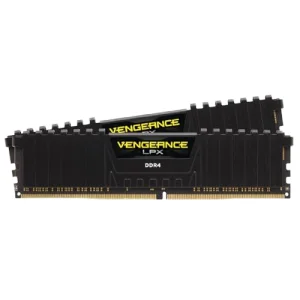
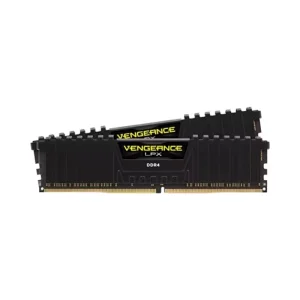
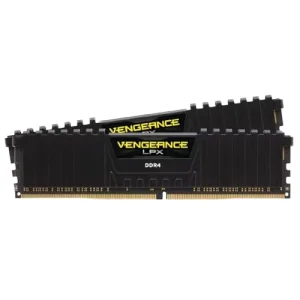
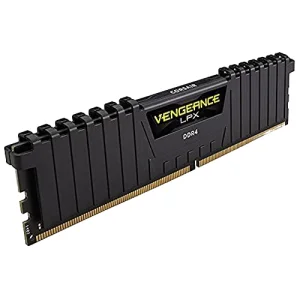
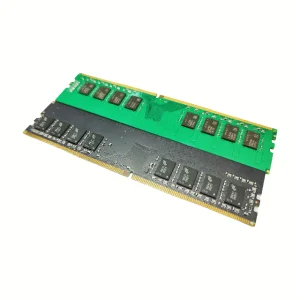
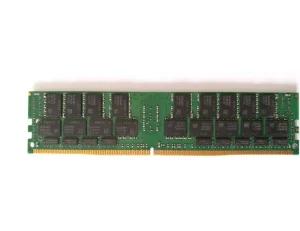
For cloud hyperscalers running containerized operations (Kubernetes), high-density memory scaling is key. Deploying CoreByte enterprise DDR4 and DDR5 memory sticks allows maximum virtualization ratios per rack unit, driving down CapEx and OpEx. The low power footprint of CoreByte DDR5 memory modules ensures adherence to data center PUE (Power Usage Effectiveness) regulations globally.
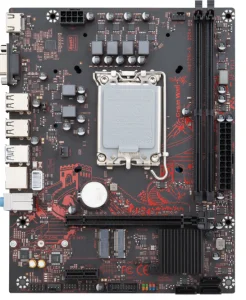
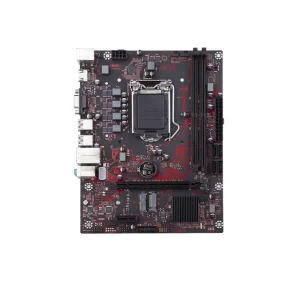
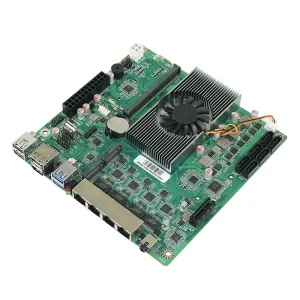
Remote edge installations face extreme thermal variations and minimal physical oversight. System configurations pairing industrial H610/N100 low-power mainboards with passive aluminum cooling components ensure zero-downtime performance. These setups run continuous operations in smart grid monitors, regional 5G base stations, and localized video analysis terminals without requiring constant active airflow maintenance.
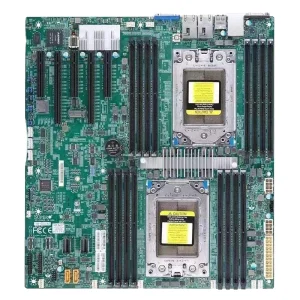
Scientific computing and AI training runs saturate system buses. Dual-channel server motherboards (like the H11DSI series) paired with multi-channel DDR4/DDR5 server modules create massive memory bandwidth. This layout prevents CPU starvation during large-batch deep learning cycles, ensuring continuous operations in heavy workloads.
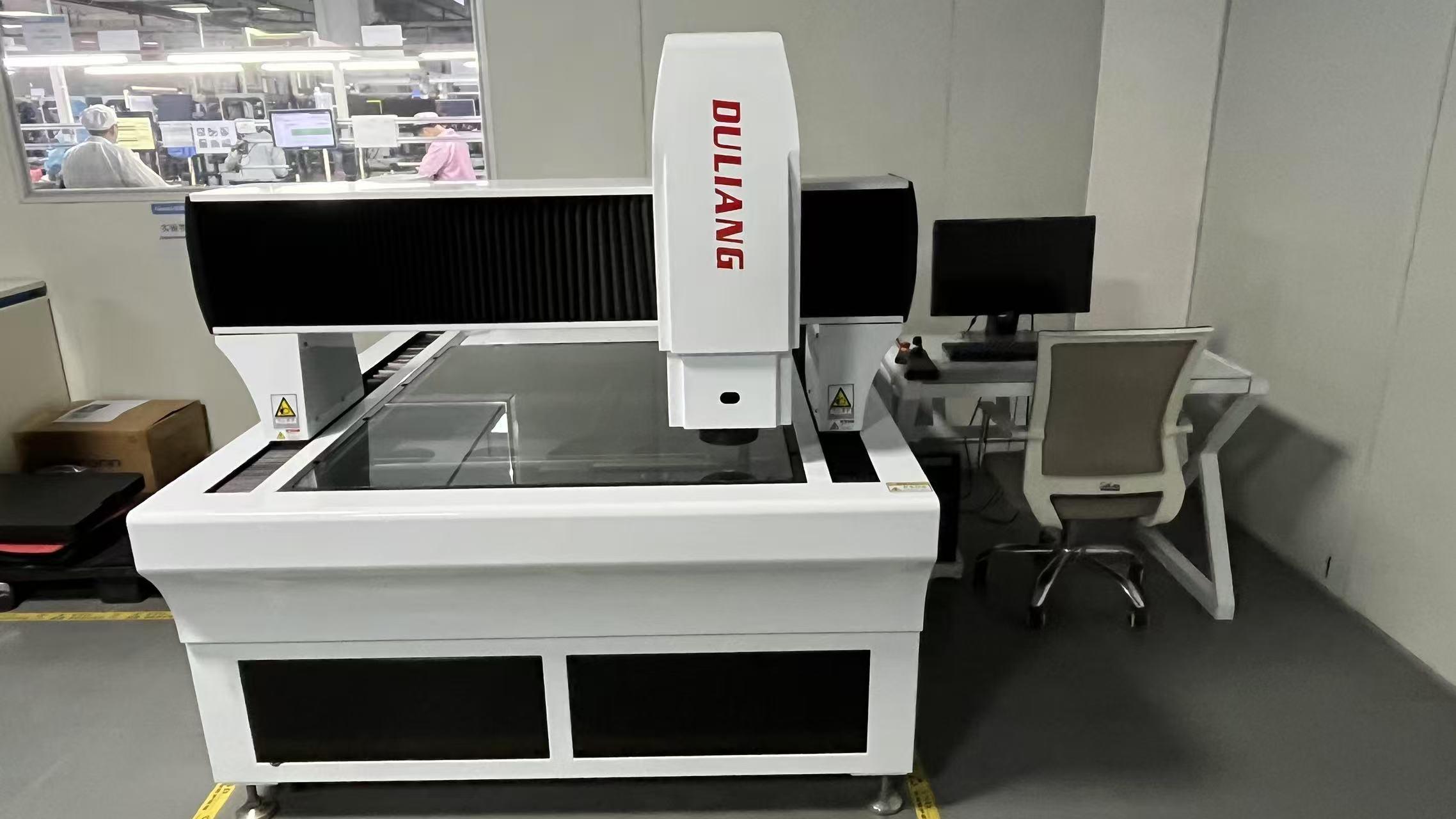
Modern semiconductor and infrastructure manufacturing require a highly optimized supply chain. Operating out of China’s primary technology production zones, CoreByte takes advantage of localized raw material ecosystems and specialized processing networks. This localization minimizes the logistical friction common in other tech sectors:
Selling across major markets in North America, Europe, Southeast Asia, and the Middle East requires strict adherence to international regulatory standards. CoreByte builds compliance directly into its product engineering phase:
All memory modules and mainboards carry CE, FCC, RoHS, and REACH certifications, ensuring trouble-free customs clearance and compliance with localized environmental guidelines. Furthermore, CoreByte provides customized firmware configurations to support localized BIOS requirements, secure boot integrations, and specialized OEM serialization options for large enterprise networks.
Enterprise procurement teams must balance initial capital costs against long-term product lifecycle metrics. When sourcing cloud computing components, procurement professionals should focus on three primary operational factors:
Industrial motherboard designs and specialized memory configurations must remain available for long-term deployments. System platforms must support extended runtimes without requiring frequent, expensive redesigns or driver updates.
Procuring from manufacturers that provide complete component tracking histories ensures high reliability. This level of traceability helps mitigate the risks of unverified third-party components entering critical supply chains.
Enterprise applications often require specialized testing parameters. CoreByte accommodates these needs with tailored services, including customer-specified diagnostic runs and high-temperature stress tests to simulate harsh operating environments.
Through its robust system integration network and experienced engineering team, CoreByte addresses these procurement standards. The company delivers fully documented hardware solutions that minimize system integration friction and improve overall total cost of ownership (TCO).
 CoreByte