Top 10 Single-Sided Circuit Boards Suppliers & Exporters

A Comprehensive Industry Whitepaper on Global Substrate Manufacturing, Market Dynamics, and Component Procurement

Chapter 1: The Global Commercial & Industrial Landscape

Deciphering the enduring market footprint of single-sided circuit boards in an age of multi-layered HDI technologies.

Despite the rapid evolution of complex multi-layered Printed Circuit Boards (PCBs) and High-Density Interconnect (HDI) structures, Single-Sided PCBs remain a cornerstone of the global electronics industry. Their structural simplicity, characterized by a single conductive layer of copper bonded to a rigid or flexible insulating substrate, provides unparalleled reliability and Cost-to-Performance (C/P) ratios. In the global industrial landscape, single-sided circuitry dominates sectors where high-frequency signals are not the limiting design factor, but thermal efficiency, mechanical resilience, and unit economics are paramount.
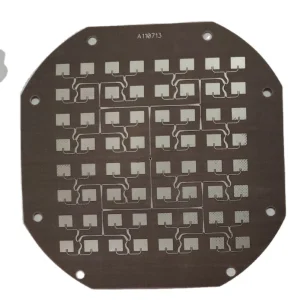
From automotive dashboards, solid-state relays, and industrial power supplies, to high-output LED lighting modules and high-frequency communication antennas (utilizing specialized substrates like the Taconic TLY-5), single-sided layouts mitigate complex cross-talk and parasitics by design. Global demand remains strong, particularly as emerging economies scale their smart infrastructure and industrial automation lines. Standard copper-clad FR-4 substrates, CEM-1, and metal-core PCBs (MCPCBs) constitute a multi-billion dollar segment of the annual global PCB market, driving substantial margins for manufacturing firms that can operate efficiently at scale.

Thermal Dissipation Excellence

By Utilizing metal backplanes (often Aluminum), single-sided PCBs effectively move heat away from components without complex thermal vias, improving lifetime reliability.

Simplified Assembly & SMT

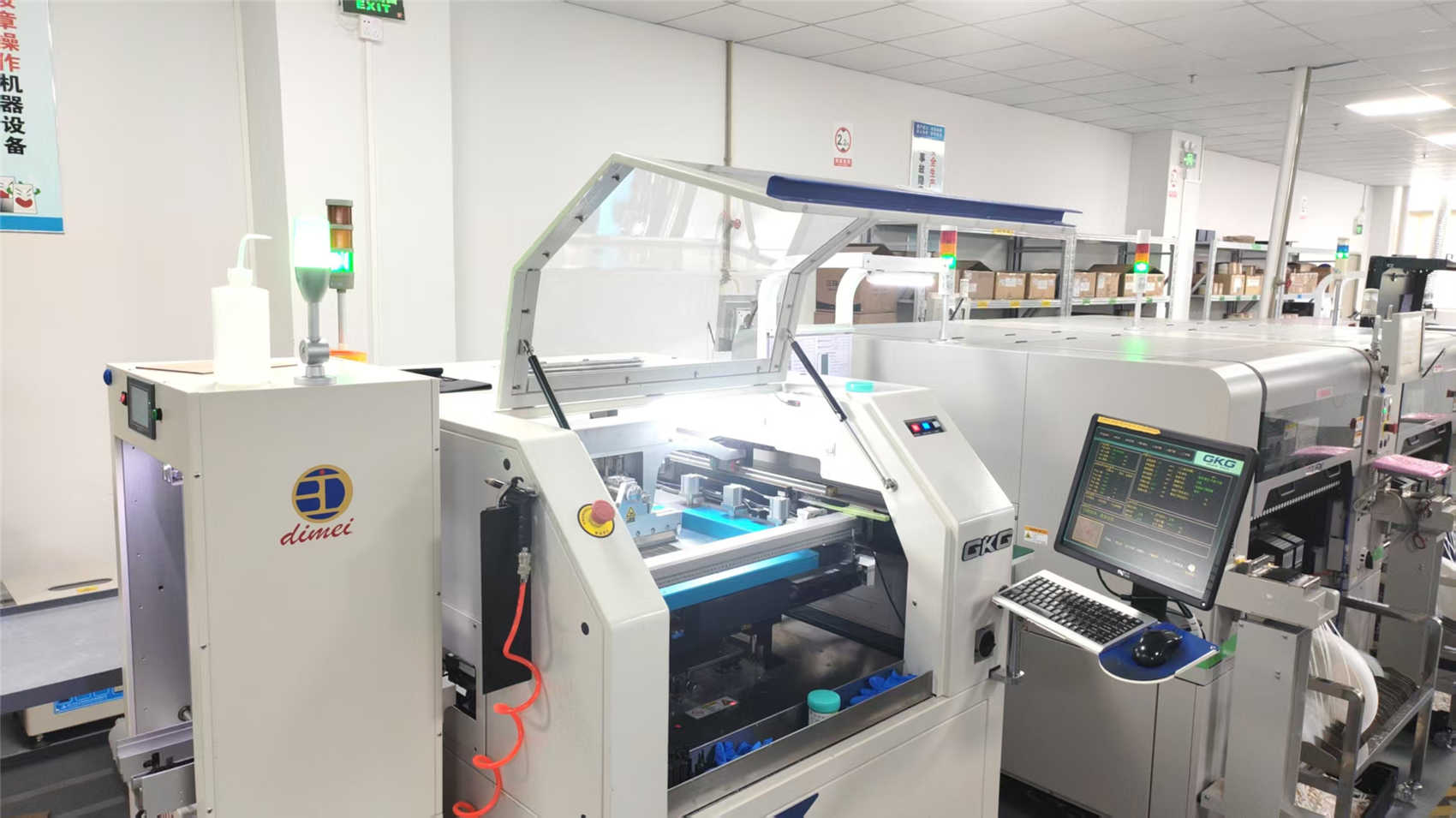
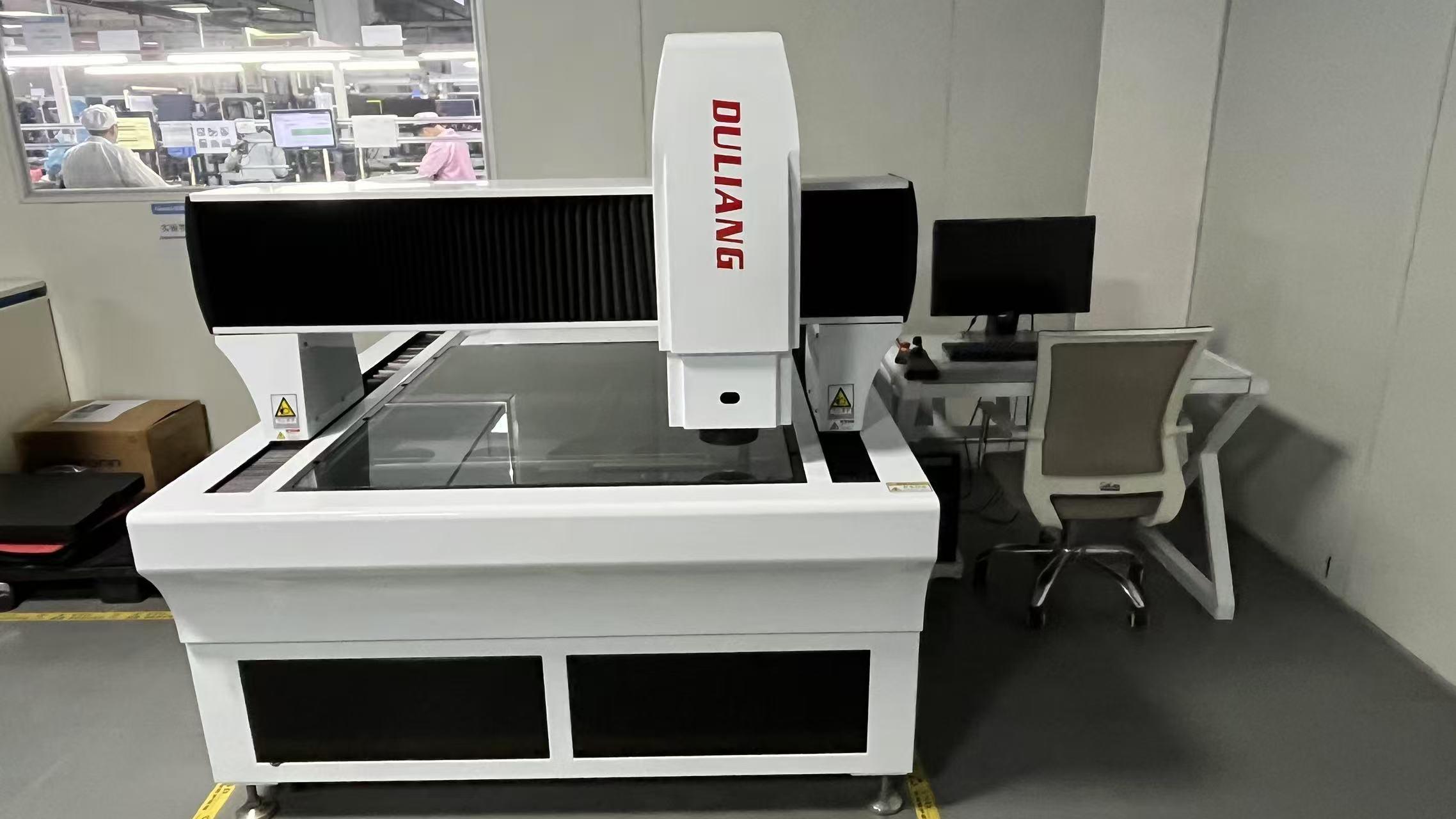
Minimal routing complexity translates directly to lower SMT failure rates, straightforward Automated Optical Inspection (AOI), and fast production cycle times.

Optimal Cost Efficiency

For high-volume production runs, single-sided PCBs provide the lowest possible tooling, processing, and raw material expenses, maximizing ROI.

Chapter 2: Why China Leads Single-Sided PCB Manufacturing Efficiency

China remains the undisputed powerhouse in PCB fabrication, outputting over 50% of the world's raw substrates and assemblies. The efficiency advantages of Chinese factories stem from tightly clustered raw material supply chains, highly automated panelization systems, and vertically integrated SMT assembly facilities. Within industrial manufacturing hubs such as Guangdong, a factory can source FR-4 sheets, high-frequency laminates, copper foil, solder resists, and active microcontrollers within a 50-mile radius, dramatically reducing lead times.
Furthermore, the level of capital reinvestment in automation is immense. Standard single-sided board production uses fully continuous line systems, where CNC drilling, pattern imaging, etching, solder-mask coating, and surface finishes (such as HASL or ENIG) occur in automated inline processes. This minimizes human intervention, limits defective rates to PPM (Parts Per Million) levels, and ensures compliance with global standards including UL-796, IPC-A-600, and RoHS directives. For global procurement officers, this yields unmatched economies of scale.

Chapter 3: Global Enterprise Procurement Intentions

Procurement teams are shifting away from transactional sourcing to strategic partnerships. When looking for Single-Sided PCB exporters and DRAM manufacturers, industrial buyers prioritize suppliers that can provide a Turnkey PCBA (Printed Circuit Board Assembly) solution. This involves board fabrication, component sourcing, SMT patch insertion, testing, and final logistics coordination.
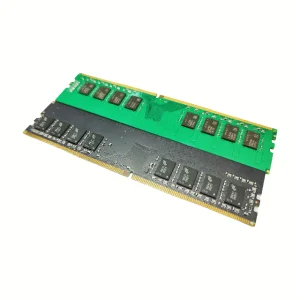
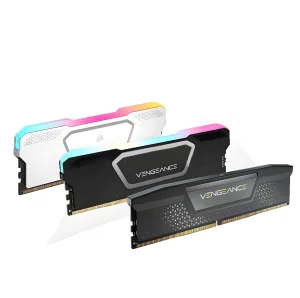
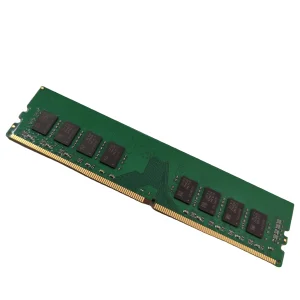
For critical applications—like integrating high-speed DDR4/DDR5 memory modules onto industrial controllers, or pairing server-grade passive CPU coolers with high-reliability power supplies—procurement officers require transparent quality metrics. This includes ISO9001 certifications, Automated Optical Inspection (AOI) reports, and rigorous thermal cycle testing to ensure zero field failures under extended operating parameters.

Company Profile: CoreByte Storage Technology Co., Ltd.

A global leader in high-performance DDR5/DRAM memory solutions and industrial semiconductor substrates.

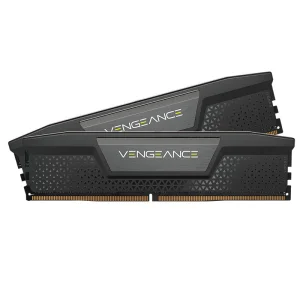
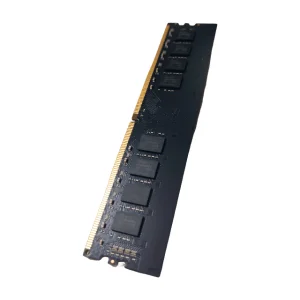
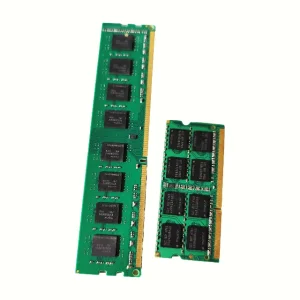
Established in 2016, CoreByte Storage Technology Co., Ltd. is a professional DDR5 memory and DRAM solution manufacturer specializing in high-performance memory modules for global OEM, enterprise, and data center applications. Over the past decade, the company has developed robust capabilities in R&D, production, and international trade, focusing on stable, high-speed, and energy-efficient memory products that power today's AI and computing infrastructures.
2016
Established Year
USD 12M
Annual Export Revenue
85
R&D Engineers
1,200+
Supply Chain Partners
The company operates a modern manufacturing facility with a total building area of approximately 320㎡, equipped with advanced production and testing equipment to ensure strict quality control standards. CoreByte has an annual export revenue of around USD 12 million, with 6 years of export experience and over 9 years of industry experience in memory and semiconductor-related solutions.
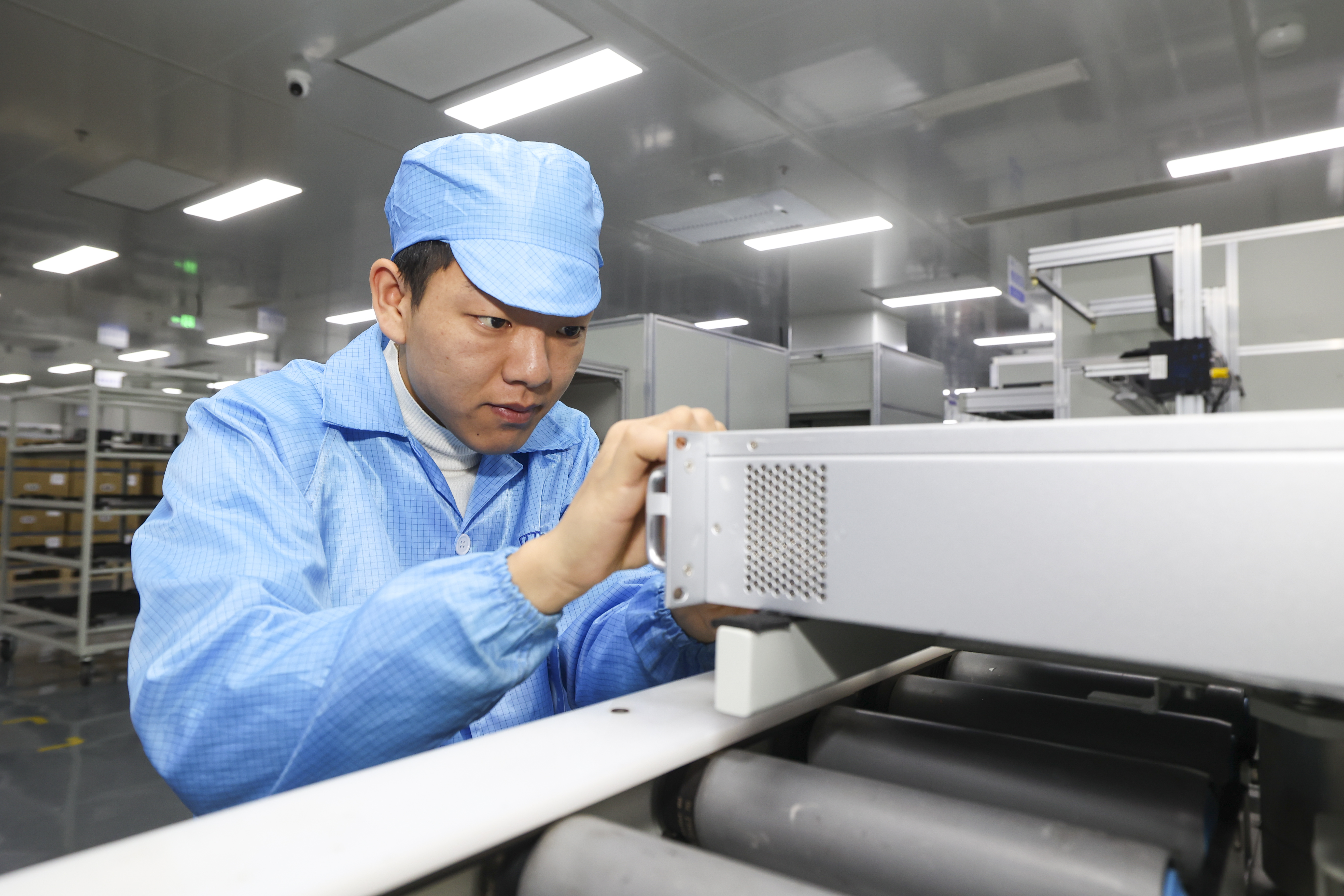
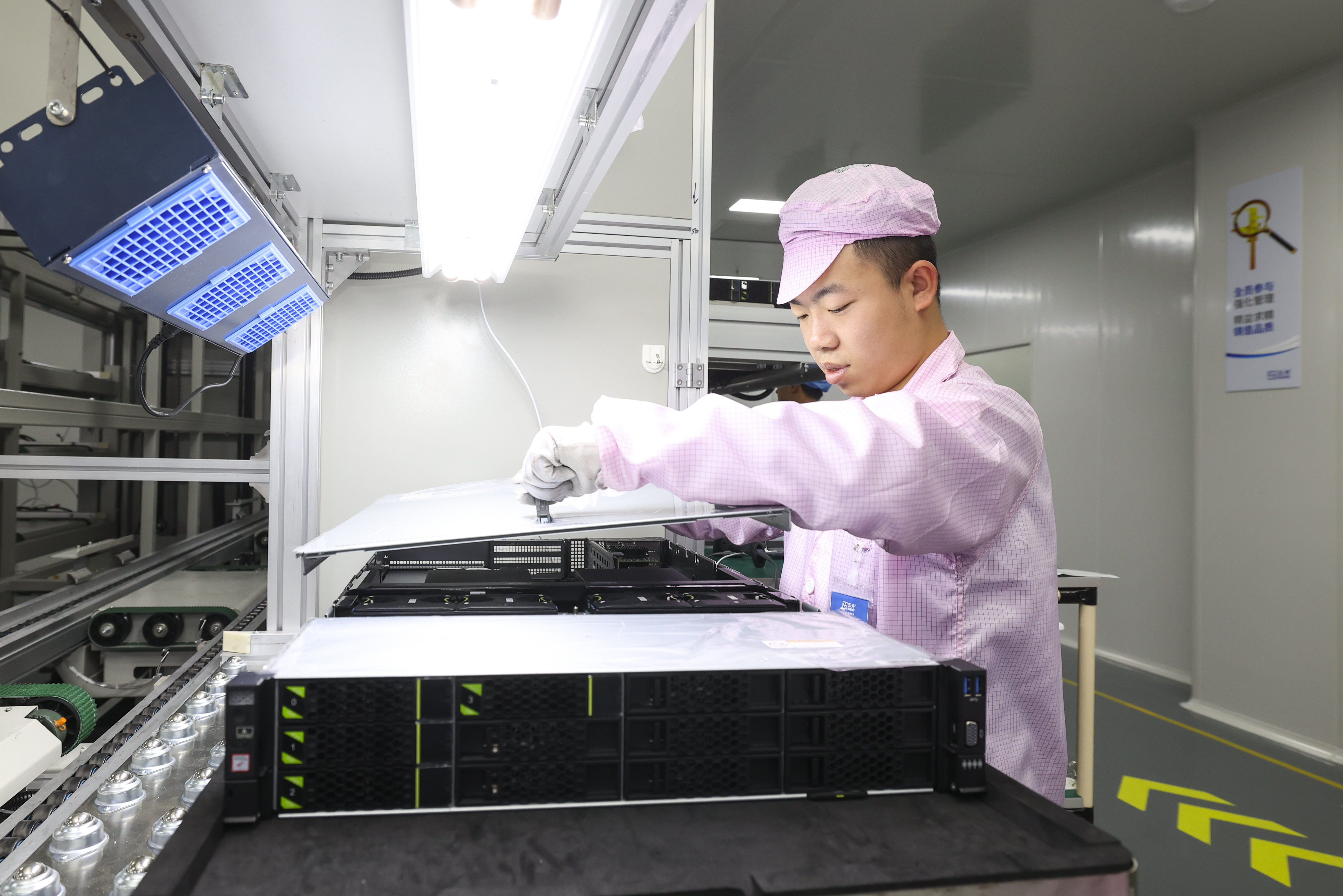
Quality assurance is a core priority at CoreByte. The company implements ISO9001-based quality management systems, combined with automated optical inspection (AOI) and high-temperature aging tests to ensure product stability and compatibility. The quality control team consists of 45 dedicated inspectors, ensuring every batch meets international performance standards.
CoreByte maintains a strong trade-oriented business background, serving key markets including North America, Europe, Southeast Asia, and the Middle East. The company has established a reliable global supply chain network with more than 1,200 supply chain partners, supporting stable production and fast delivery. Its primary customers include OEM system integrators, server manufacturers, industrial computer brands, and data center solution providers. With strong engineering capabilities, CoreByte offers advanced customization services, including PCB design optimization, frequency tuning, thermal solution adjustment, and branding customization.
The company invests heavily in innovation, launching approximately 120 new product models annually to meet evolving market demands in AI computing, cloud infrastructure, and high-performance gaming systems. CoreByte continues to strengthen its position as a trusted global DDR5 memory supplier, committed to delivering reliable, high-speed, and cost-effective memory solutions to customers worldwide.
Chapter 4: Localized Application Scenarios

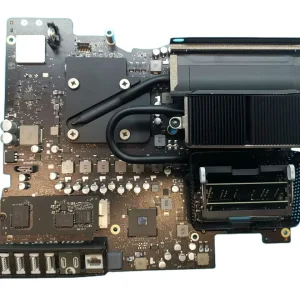
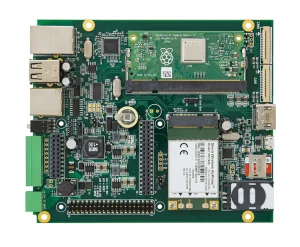
In local application fields, single-sided PCBs act as the foundational structure where thermal efficiency and high mechanical stability are key. A prime example is the deployment of industrial control boards (such as ODM motherboards for Raspberry Pi and SMT PCBA components). These boards must endure continuous vibrations, thermal spikes, and electrical surges in factory automation environments. By using single-sided copper trace patterns mounted to rigid substrates, engineers prevent high-frequency crosstalk and simplify field troubleshooting.
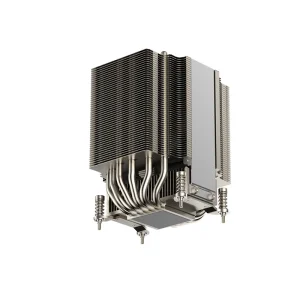
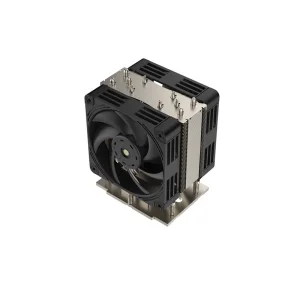
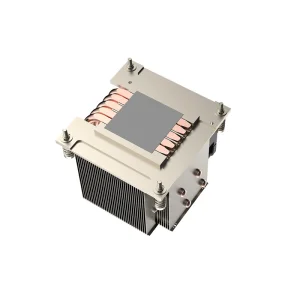
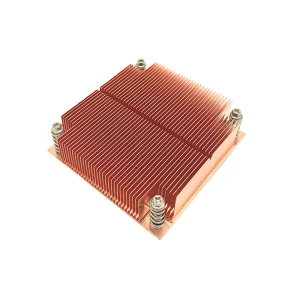
Similarly, in high-power server systems, the intersection of single-sided substrates and passive cooling assemblies is critical. Server processors (like the AMD SP5 and LGA1700 sockets) release massive heat energy. Sourcing high-performance server cooling fans, copper heat pipe radiators, and aluminum heat sinks that align with the structural layout of single-sided power PCBs is vital for avoiding heat throttling. The placement of components on one side allows the entire backside of the substrate to be direct-coupled to cold plates or cooling radiators.

Chapter 5: Key Sourcing Trends (2025-2030)

Looking toward 2030, the single-sided board market is being shaped by several key technological trends:
  • Heavy Copper Technology: Escalating power requirements in electric vehicle charging hubs and high-wattage server power supplies are driving the adoption of heavy copper traces (up to 4oz or more) on single-sided PCBs. This allows high currents to flow safely without overheating the substrate.
  • Thermal Substrate Advancements: The transition from standard FR-4 to Aluminum Substrates and Ceramic-Core bases (such as high-frequency Taconic or Rogers laminates) is accelerating. High-power LEDs and RF amplifiers benefit from the excellent heat conductivity of these metal-core substrates.
  • Green Manufacturing Initiatives: Leading manufacturers are moving toward halogen-free materials and organic solderability preservatives (OSP) to meet strict global environmental standards, making lead-free assembly processes standard.

Strategic Purchasing Q&A: Navigating Single-Sided PCB & Hardware Procurement

Expert answers addressing the technical, financial, and logistical concerns of global procurement managers.

What are the main advantages of using aluminum-core single-sided PCBs over traditional FR-4?
Aluminum-core PCBs, also known as Metal Clad PCBs (MCPCBs), offer far superior thermal conductivity compared to standard FR-4 glass-epoxy substrates (typically 1.0W/mK to 3.0W/mK vs. 0.25W/mK). This makes them perfect for high-power LED arrays, power supply converters, and motor controllers, as they efficiently transfer heat away from critical SMT components without requiring complex, multi-layered vias.
How does CoreByte Storage Technology Co., Ltd. ensure the compatibility and stability of its DDR5/DDR4 DRAM modules?
CoreByte enforces strict ISO9001 quality systems. Every memory module undergoes Automated Optical Inspection (AOI) for structural soldering integrity, followed by high-temperature dynamic burn-in and compatibility testing across major motherboard platforms (Intel XMP, AMD EXPO). This ensures stable performance in enterprise environments and consumer systems.
Can Taconic TLY-5 substrates be used in single-sided PCB designs, and what are their benefits?
Yes, Taconic TLY-5 laminates are often used in single-sided designs for high-frequency microwave and RF applications. With a low dielectric constant (Dk of ~2.2) and a low dissipation factor, they minimize signal loss and dispersion in radar systems, satellite receivers, and wireless telecom infrastructure.
What parameters are critical when choosing a server CPU cooler (like SP5 or LGA1700) for a system?
Key factors include: Design Thermal Power (TDP) rating match, physical socket dimensions (e.g., SP5 rectangular vs. LGA1700), structural height (such as 2U chassis limits), fan bearing lifespans (dual ball bearings are preferred for 24/7 server environments), and passive radiator fin density to ensure efficient heat dissipation.
Why is SMT patch assembly the preferred method for modern industrial control boards?
Surface Mount Technology (SMT) allows for higher component density, smaller board footprints, and much faster automated assembly compared to through-hole technology. It reduces trace inductances, improves vibration resistance, and lowers production costs for industrial control units like Raspberry Pi custom ODM boards.