Explore our precision-engineered computational substrates, high-speed DRAM nodes, and active server cooling units designed for 24/7 continuous operation.
In the era of hyper-scale cloud deployments, high-performance computing (HPC), and generative artificial intelligence (GenAI), data centers are experiencing exponential data generation. According to global storage analysis, the global datasphere is projected to grow to over 180 zettabytes by 2025. At the heart of this digital transformation is the need for highly reliable physical storage mediums and high-speed data transmission technologies. As a premier OEM/ODM Hard Disk Drive Factory & Exporter, we identify a profound shifting paradigm: the coexistence of next-generation Hard Disk Drives (HDDs) utilizing energy-assisted recording technologies and Solid-State Drives (SSDs) powered by multi-layered 3D NAND flash, operating alongside ultra-fast DRAM caches to support AI model workloads.
Despite the rapid penetration of flash storage, magnetic recording systems (HDDs) remain the most cost-effective and structurally vital architecture for cold and warm data archiving, currently housing over 60% of enterprise-grade cloud capacity. The optimization of data-handling architectures relies heavily on the integration of secondary components, including high-capacity system motherboards, specialized system layouts (such as our high-speed DDR4/DDR5 server memory), and robust cooling devices (including active air-cooled radiators and copper liquid-cooled blocks). This holistic computing stack guarantees that high-density server configurations operate within strict thermal margins and deliver uninterrupted uptime.
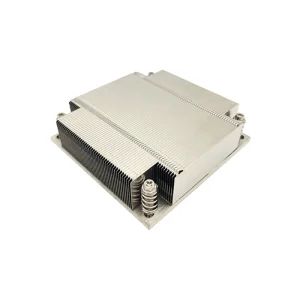
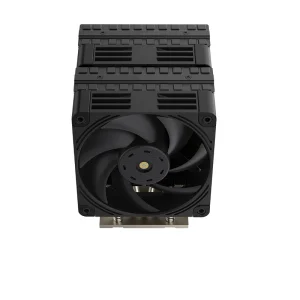
The commercial deployment of modern server farms is heavily localized. In North America and Europe, strict carbon emission regulations dictate the purchase of highly efficient cooling solutions, such as 1U copper liquid blocks and dual-ball bearing active heatsinks, to minimize Power Usage Effectiveness (PUE) ratings. Meanwhile, rapidly growing economies in Southeast Asia and the Middle East require cost-optimized, highly integrated server motherboards, such as Mini-ITX boards populated with multi-SATA ports to manage storage array arrays.
Established in 2016, CoreByte Storage Technology Co., Ltd. has grown to become a recognized professional DDR5 memory, DRAM solution provider, and storage-related component exporter. Serving international clients across enterprise, industrial PC (IPC), and data center verticals, we bridge the gap between chip-level manufacturing and system integration. With 9 years of industry experience in DRAM and semiconductor-related solutions, alongside 6 years of export history, we have developed a solid track record in supplying custom storage architecture, high-frequency memory modules, and specialized thermal assemblies.
Our modern headquarters and specialized research facility occupy a dedicated building area of 320m², functioning as our prime prototyping laboratory and signal-integrity testing hub. To support robust production and timely delivery across key markets, CoreByte has cultivated a network of over 1,200 supply chain partners worldwide. This extensive supply web allows us to maintain production stability even during global chip shortages, helping us reach a steady annual export revenue of approximately USD 12 million.
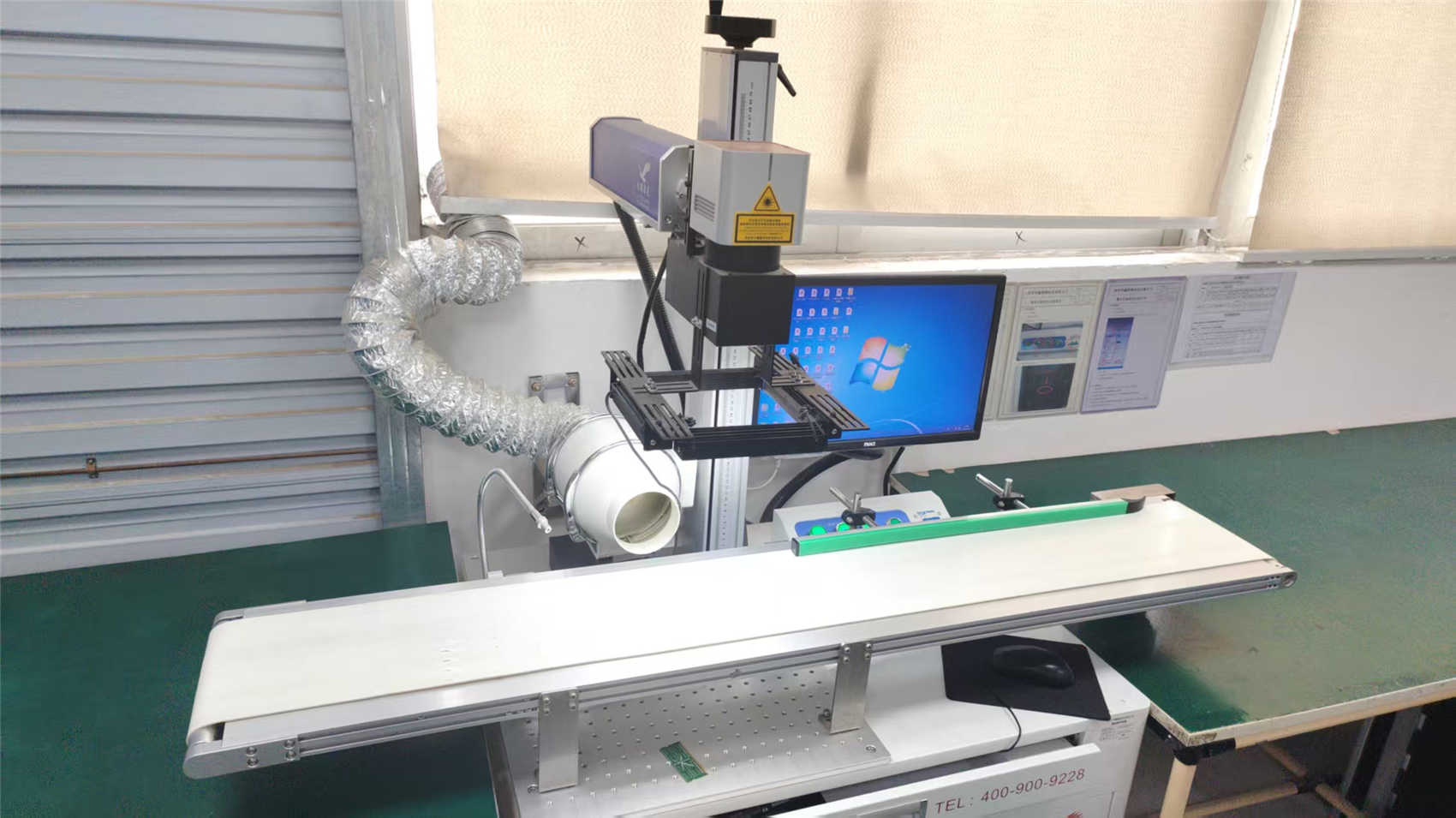
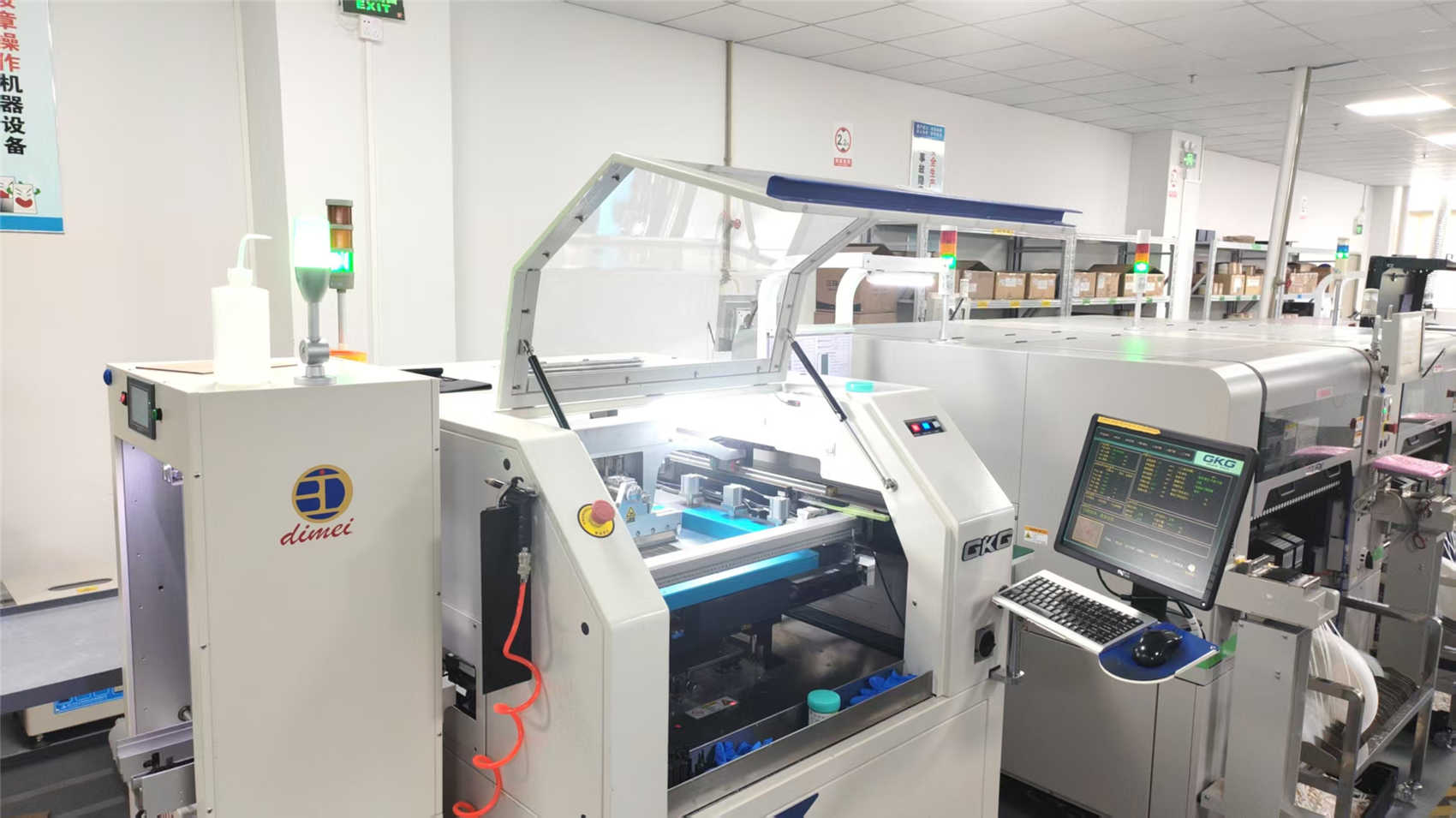
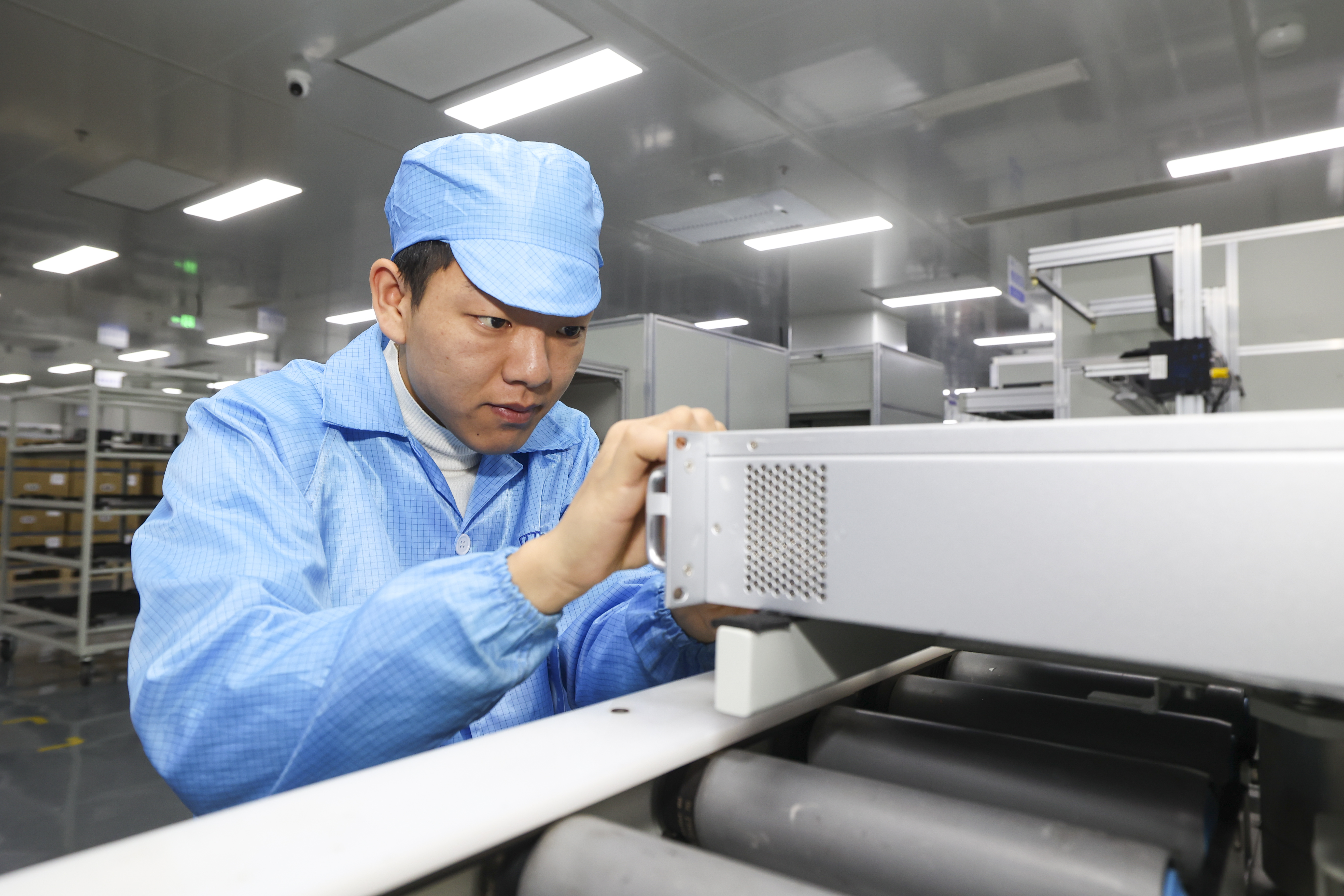
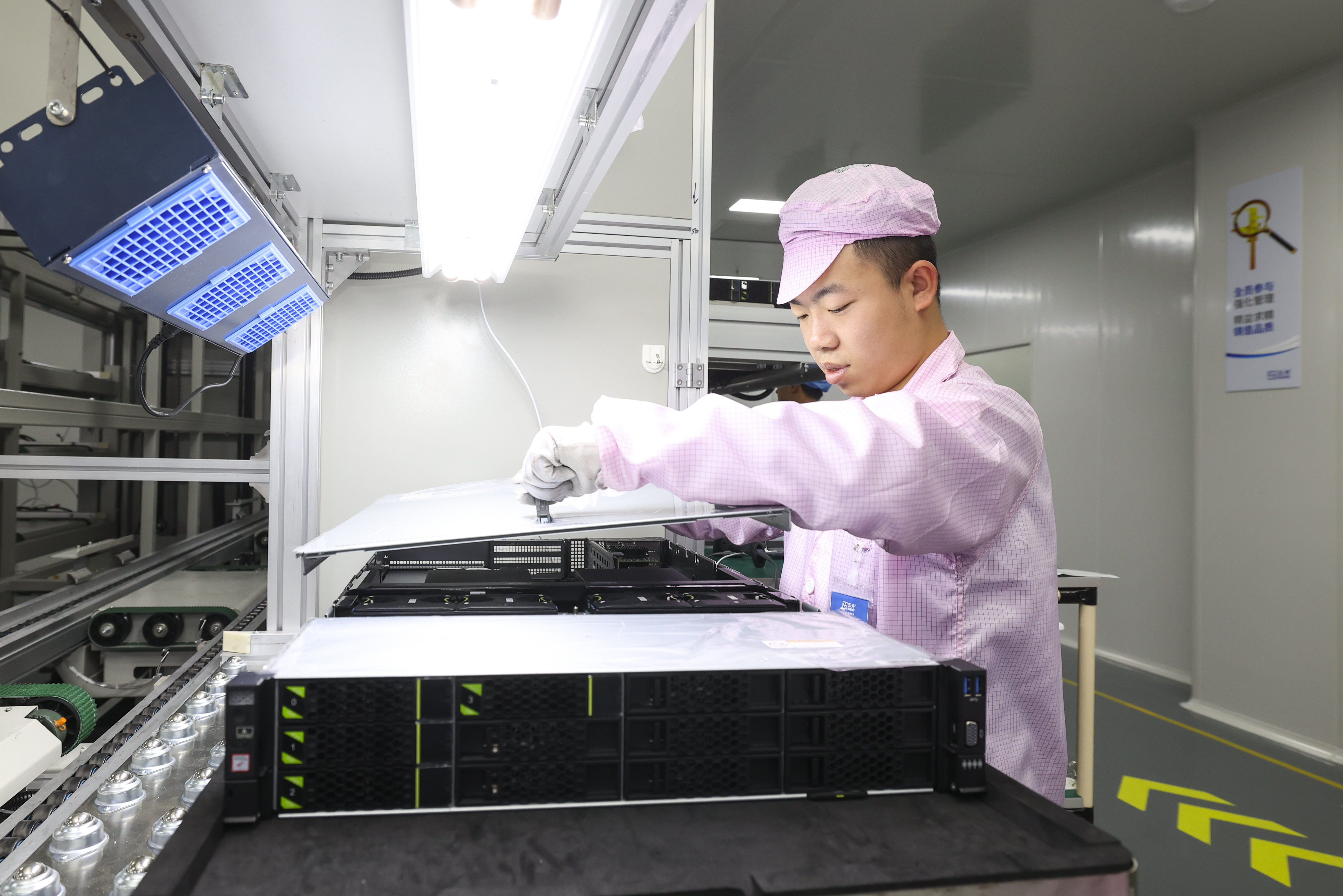
E-E-A-T (Experience, Expertise, Authoritativeness, and Trustworthiness) forms the baseline of CoreByte's operational model. Our engineering division comprises 85 R&D engineers, who actively drive innovation by launching approximately 120 new product models annually. These models span the spectrum of AI computing acceleration, cloud storage integration, high-capacity gaming DDR5 solutions, and specialized PCB designs.
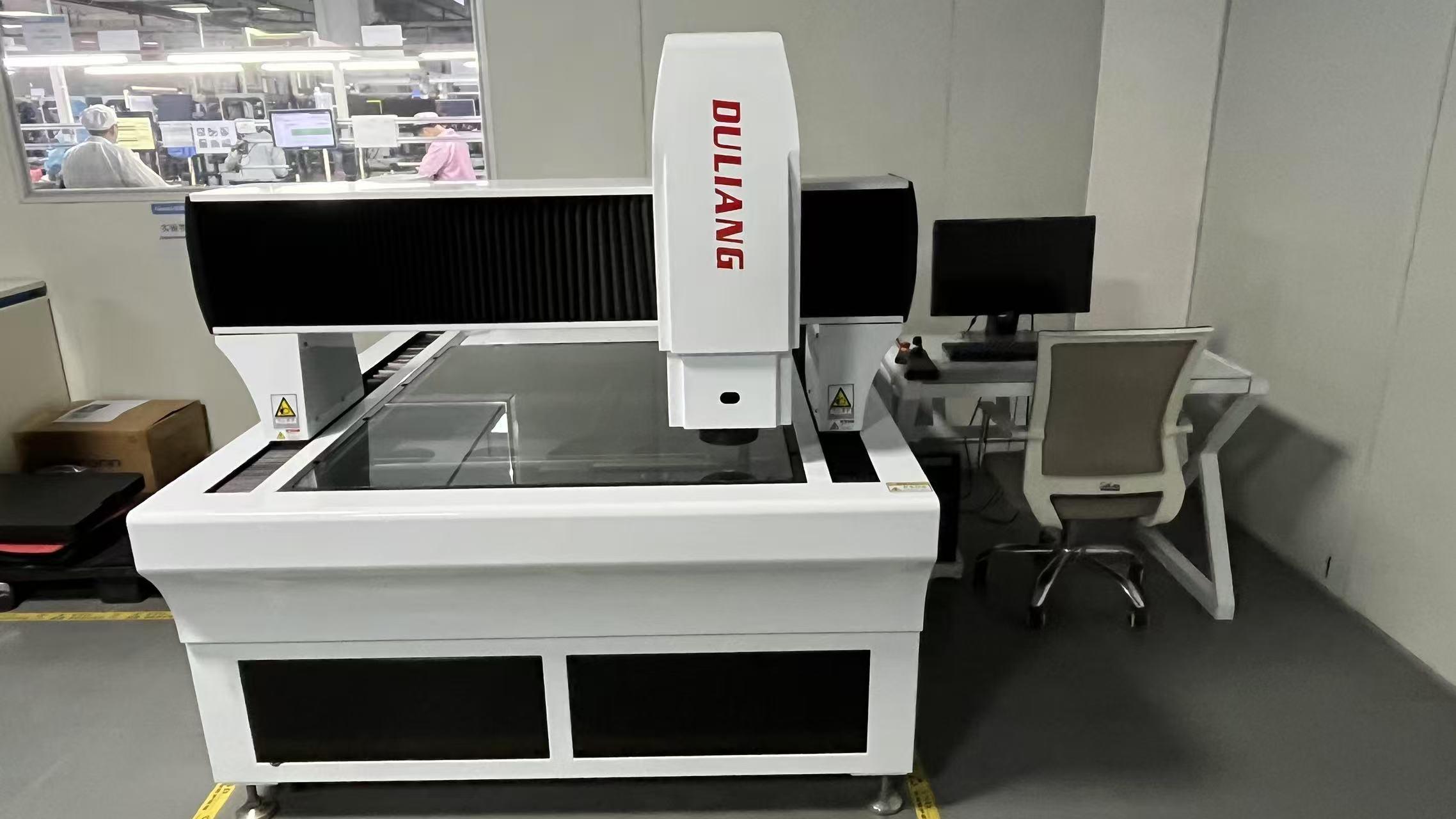
To maintain reliability in high-availability enterprise environments, CoreByte implements a strict ISO9001-based quality management system. Hard disk drives, SSDs, DRAM memory modules, and multi-layer PCBs must survive harsh operational environments. Therefore, every batch of hardware undergoes automated optical inspection (AOI) alongside rigorous high-temperature aging and burn-in testing.
Our specialized quality control unit consists of 45 certified inspectors overseeing raw wafer sorting, package mounting, and trace analysis.
Every memory module and custom PCB undergoes automated optical inspection to eliminate micro-solder fractures and capacitance misalignment.
Modules are subjected to thermal chambers running continuously at 85°C under high logical loads to isolate infant mortality failures.
CoreByte's dedication to reliability is visible in our testing protocols. We test all storage interfaces, DRAM units, and server components for cross-platform compatibility across major enterprise chipsets (Intel Xeon Scalable, AMD EPYC, Ampere Altra) and OS variations (RedHat Enterprise Linux, Windows Server, VMware ESXi). By combining raw chip level screening with system-level verification, CoreByte provides storage components that lower enterprise Field Failure Rates (FFR) to under 0.15%.
As the digital landscape evolves, the integration between CPUs, RAM, Motherboards, and high-density thermal management systems becomes increasingly close. To maximize data processing speeds and storage reliability, we follow a comprehensive roadmap targeting the limits of high-frequency physical substrates:
| Architecture Class | Current Design Benchmark | Next-Generation Target (2025-2027) | Key Infrastructure Focus |
|---|---|---|---|
| Memory Interface | DDR4 (Up to 3200MHz ECC PC4) | DDR5 (Up to 6000MHz+ On-Die ECC) | Increased memory bandwidth for multi-channel server chipsets. |
| Server CPU Sockets | LGA115x, LGA1200, SP3 (AMD) | LGA4677, LGA4189, SP5 (AMD) | Handling 400W+ thermal design power (TDP) for heavy compute environments. |
| Thermal Interface | Active copper air cooling (1U/2U) | Direct-to-Chip (D2C) Liquid Blocks (LGA4677) | Maximizing heat dissipation to prevent hardware thermal throttling. |
| PCB & Integration | Double-sided & FR4 Multilayer PCB | High-Tg High-Frequency Low-Loss PCBs | Handling high-speed PCIe Gen 5.0 and Gen 6.0 differential routing. |
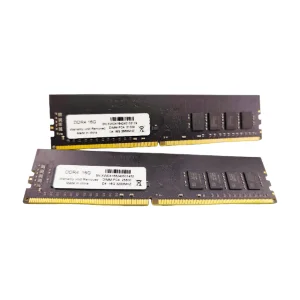
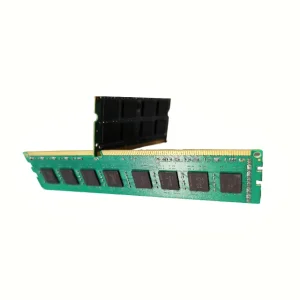
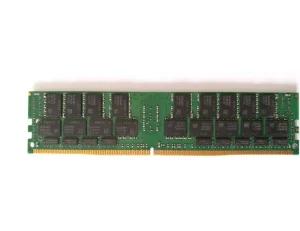
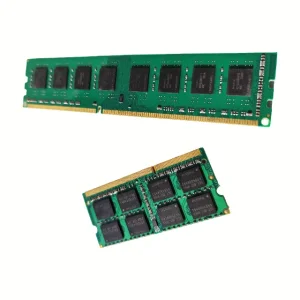
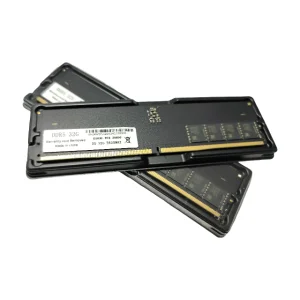
Modern storage and virtualization layers demand higher density memory. While DDR4 RAM remains a mainstream standard for legacy industrial PCs and embedded setups, DDR5 is quickly becoming the dominant architecture for AI computing and cloud data storage centers. DDR5 relocates the Power Management Integrated Circuit (PMIC) from the motherboard directly onto the DIMM, optimizing voltage distribution. It also features On-Die Error Correction Code (ECC) to detect and correct single-bit errors at the cell level, ensuring stable performance during heavy server workloads.
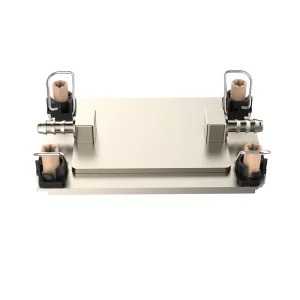
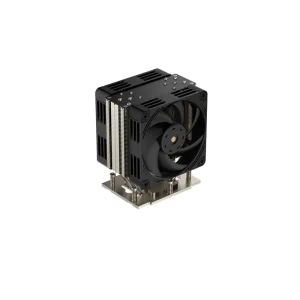
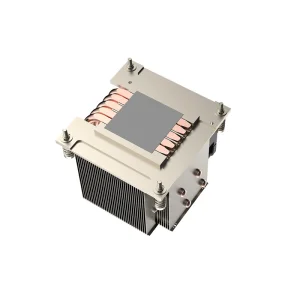
As power density increases, standard air-cooling methods face physical limitations. To address this, CoreByte has designed a portfolio of thermal management solutions. For standard 1U chassis, we utilize high-density copper fins combined with high-RPM dual-ball bearing fans (supporting platforms like AMD SP3 and Intel LGA115X). For newer, power-dense server architectures (such as AMD SP5 or Intel LGA4677), we offer direct-to-chip copper liquid blocks capable of handling over 400W of heat dissipation. This prevents chip degradation and extends the lifespan of adjacent storage arrays.
To address diverse computing workloads, CoreByte offers customized OEM/ODM packages tailored for system integrators and storage providers:
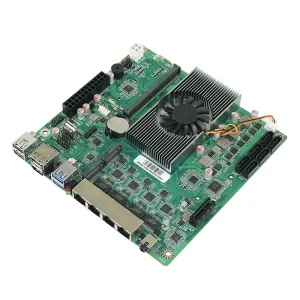
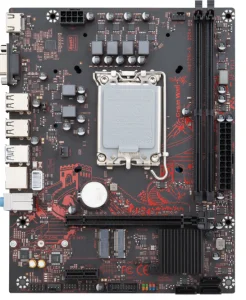
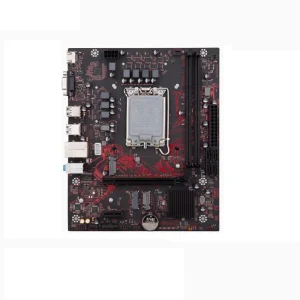
We pair specialized storage motherboards (such as the N100 series equipped with 12 SATA ports and dual M.2 interfaces) with reliable ECC DRAM modules. This configuration allows network-attached storage arrays to sustain high-speed local data transfers with robust data protection.
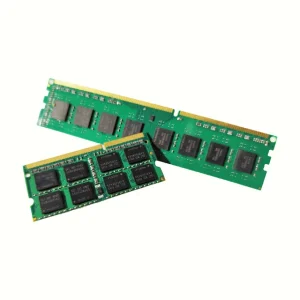
Our compact Mini-ITX motherboard solutions, combined with industrial-grade low-profile memory sticks, are engineered for deployment in harsh industrial and edge-computing environments where space and thermal limits are restricted.
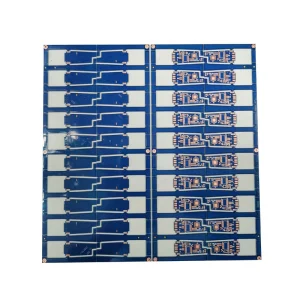
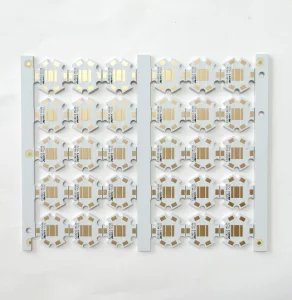
For specialized hardware applications, our engineering team designs and manufactures custom double-sided and multilayer aluminum substrates. These substrates optimize electrical routes and heat dispersion for critical processing units.
Common questions and considerations for enterprise purchasing departments, network engineers, and system builders.
DDR4 relies entirely on the system's memory controller (CPU-side) to detect and correct single-bit errors (Side-band ECC). In contrast, DDR5 incorporates On-Die ECC directly inside each memory chip to handle physical cell issues, while also offering Side-band ECC for transmission channel errors. This dual-layered correction model reduces memory-related blue screens and server crashes.
Modern server processors frequently pull over 350-400W of power under dense virtualization workloads. Passive thermal solutions lack the heat capacity to disperse this heat within standard 1U/2U server heights. Active copper liquid blocks or dual ball-bearing copper-pipe heatsinks are required to transfer heat away, keeping the silicon below critical throttle thresholds (usually around 85°C).
CoreByte maintains 85 R&D engineers who can customize double-sided, multi-layer, and aluminum-core PCBs. We handle circuit trace layout, substrate thickness customization, thermal pad placements, and prototype verification, transitioning designs to volume production through our partner network of over 1,200 suppliers.
Every memory batch undergoes automated optical inspection (AOI) to verify physical soldering integrity. This is followed by high-temperature aging chambers where modules operate under dynamic computational loads at elevated temperatures for set periods, identifying and filtering out weak chips prior to packaging.
Browse our second selection of custom PCB solutions, gaming-grade memory modules, server cooling solutions, and mainstream desktop motherboards.
 CoreByte