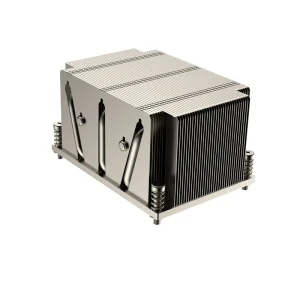
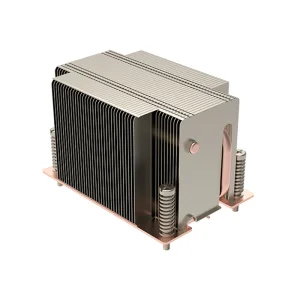
As microprocessors enter sub-nanometer nodes, the Thermal Design Power (TDP) of modern enterprise server CPUs and GPU acceleration units has surpassed the limits of traditional heat sink capabilities. Standard cooling systems struggle with 350W+ processors like Intel Xeon and AMD EPYC, or 700W+ AI accelerators. Our engineered OEM server radiators utilize copper-aluminum composite structures, high-density zipper-fin arrays, and integrated vapor chambers. This allows global cloud and enterprise data centers to maintain operational efficiency and reliability in complex computing tasks.
Modern server microarchitectures demand thermal management solutions that are not only highly efficient but also physically optimized for standardized chassis dimensions. Whether deploying 1U, 2U, or 4U server racks, spatial limits force thermal designs to optimize every millimeter. Custom OEM factories design server radiators by analyzing factors like airflow bypass, pressure drop, layout mechanics, and material chemistry. These details ensure custom setups perform reliably under continuous heavy workloads.
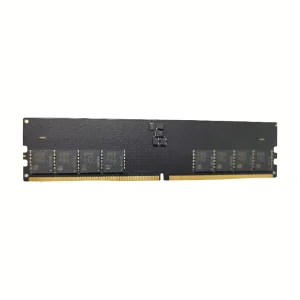
As a leading supplier of thermal solutions and high-performance hardware, CoreByte Storage Technology Co., Ltd. supports data center scaling worldwide. Our background in memory systems and high-frequency circuit layouts helps us address heat dissipation in high-density areas, like CPU sockets, RAM banks, and power stages. This ensures stable power delivery and prevents thermal throttling in enterprise hardware.
The global demand for high-performance computing (HPC) has changed thermal requirements from simple cooling to custom-engineered systems. AI and machine learning workloads generate intense heat loads, requiring radiators tailored to specific cabinet configurations and server layouts. Enterprise customers now look for customized solutions that provide a balance between air cooling and liquid cooling paths.
To highlight the requirements of these processing platforms, we compare the primary performance features below:
| Thermal Technology | Typical TDP Range | Suitable Form Factors | Primary Industrial Application | Key Limitation |
|---|---|---|---|---|
| Solid Copper/Aluminum Fin Sets | 100W – 200W | 1U, 2U, Blade servers | Edge nodes, standard web servers | Low heat flux saturation point |
| Integrated Heat Pipe Assembly (e.g. AM5 2-Pipe) | 150W – 250W | 2U, 3U, Pedestal servers | Database systems, small enterprise servers | Orientation-dependent wick gravity limit |
| Vapor Chamber (VC) + Fin Stack (e.g. LGA4926 300W) | 250W – 450W+ | 1U, 2U Form factors | AI training nodes, high-density CPU nodes | Higher upfront engineering & tooling cost |
| Direct-to-Chip (D2C) Liquid Cold Plates | 500W – 1000W+ | High-density rack cabinets | Supercomputers, hyperscale LLM platforms | Risk of coolant fluid leaks, complex plumbing |
OEM radiators are designed to bridge the gap between standard air cooling and liquid systems. They allow data centers to extend the use of air cooling to higher TDP levels. This avoids the high initial cost and infrastructure changes required to install liquid cooling lines throughout the facility.
Moving from standard mesh structures to sintered powder wicks with variable porosity. This design enhances capillary action and thermal conductivity directly at high heat-concentration areas.
Integrating flat vapor chambers directly with vertical heat dissipation columns. This path allows vapor to flow vertically into the fins, reducing interface resistance at the solder joints.
Utilizing gravity-assisted loops and two-phase capillary flows to transport heat away from high-density CPU grids to remote chassis sections. This reduces local airflow resistance.
Server radiators operate in varied environments that dictate their structural designs, material selections, and surface treatments. Custom OEM configurations adapt to these conditions:
Edge nodes are often deployed in environments without standard air conditioning, such as cellular base stations, manufacturing plants, or remote utility sites. These setups require radiators that resist dust, humidity, and vibration. Custom radiators for these setups feature anti-vibration heat pipe mounts, dust-repelling fin spacings, and protective surface coatings like electrophoretic paint or anodizing to prevent environmental corrosion.
AI clusters pack multiple high-draw GPUs and CPUs into tight configurations. These systems require maximum heat transfer efficiency within narrow spatial limits. OEM designs utilize copper-base vapor chambers combined with ultra-thin aluminum zipper fins. These components are joined using high-temperature reflow soldering to minimize thermal resistance between the heat sources and the dissipation surfaces.
For servers deployed outside isolated data centers, such as in office environments or lab facilities, noise reduction is a key design factor. To keep noise levels low, cooling solutions use thicker heat pipes (typically 8mm or 10mm) and wider fin pitches. This layout reduces static pressure resistance, allowing slower, quieter fans to dissipate heat effectively.
China's thermal manufacturing sector provides a complete supply chain network. It integrates raw material sourcing, precision tooling design, automated assembly, and high-frequency testing. This ecosystem allows manufacturers to quickly scale production and respond to changing design requirements.
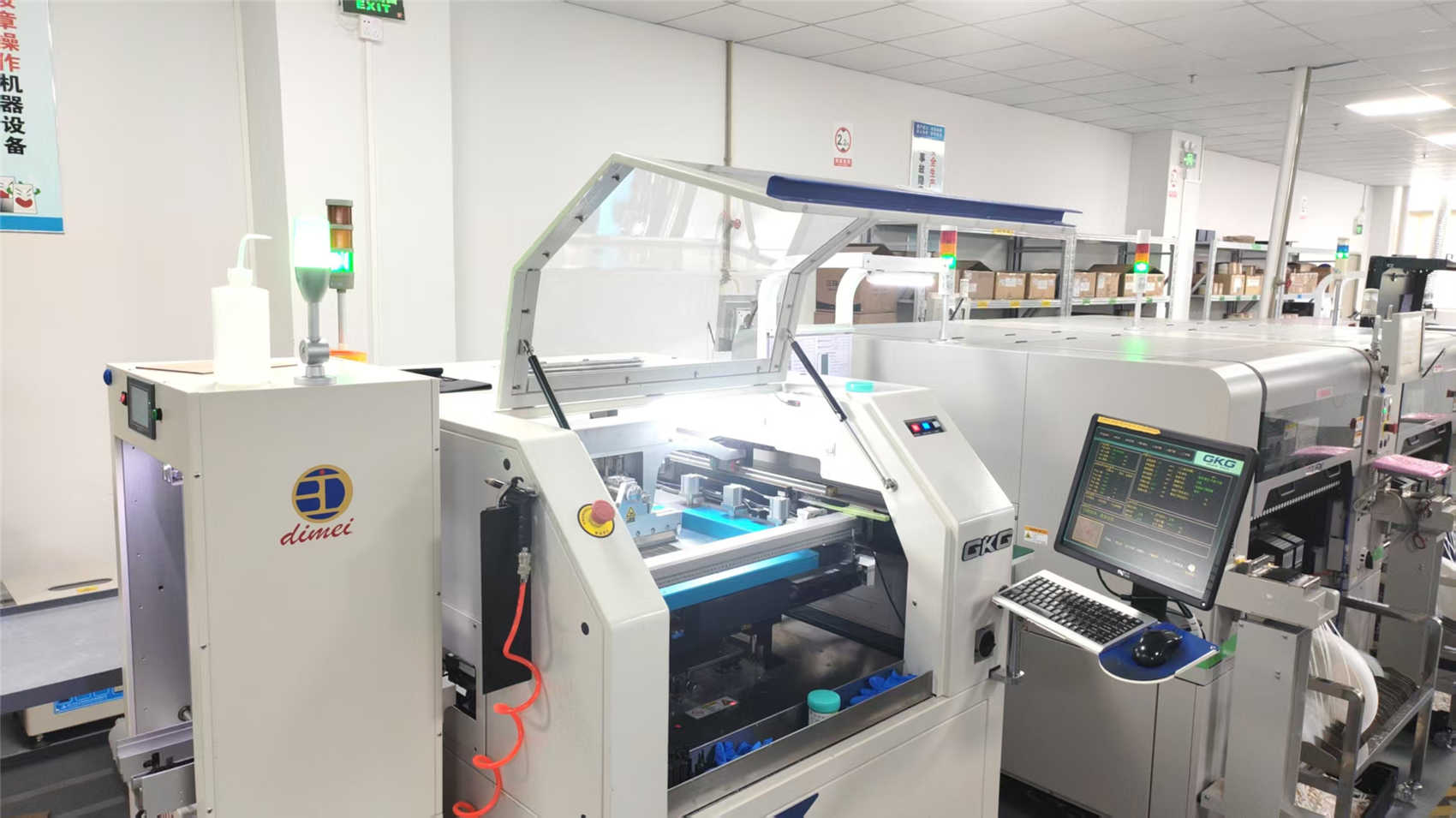
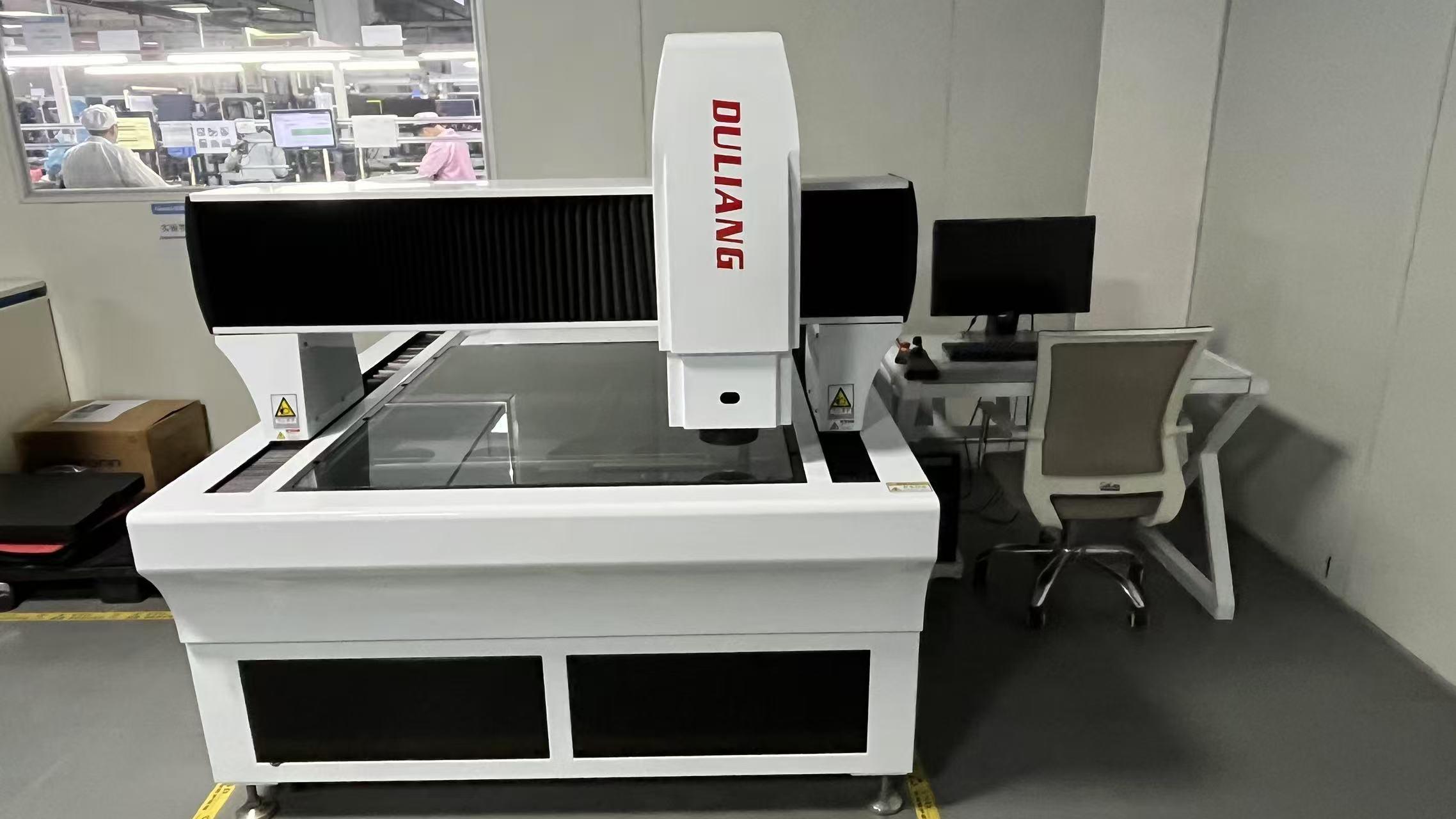
At CoreByte Storage Technology Co., Ltd., we use these supply chain advantages to deliver robust and reliable products. Established in 2016, our manufacturing base features advanced production and testing lines. We combine ISO9001-based quality control with automated optical inspection (AOI) and high-temperature aging tests to verify structural integrity and thermal performance under heavy workloads.
Our experienced team of 85 R&D engineers launches approximately 120 new models annually. This rapid development process helps clients adapt to shifting server architectures. With 6 years of direct export experience and partnerships with over 1,200 supply chain providers, we ensure reliable material sourcing, quick shipping, and consistent production lead times for global orders.
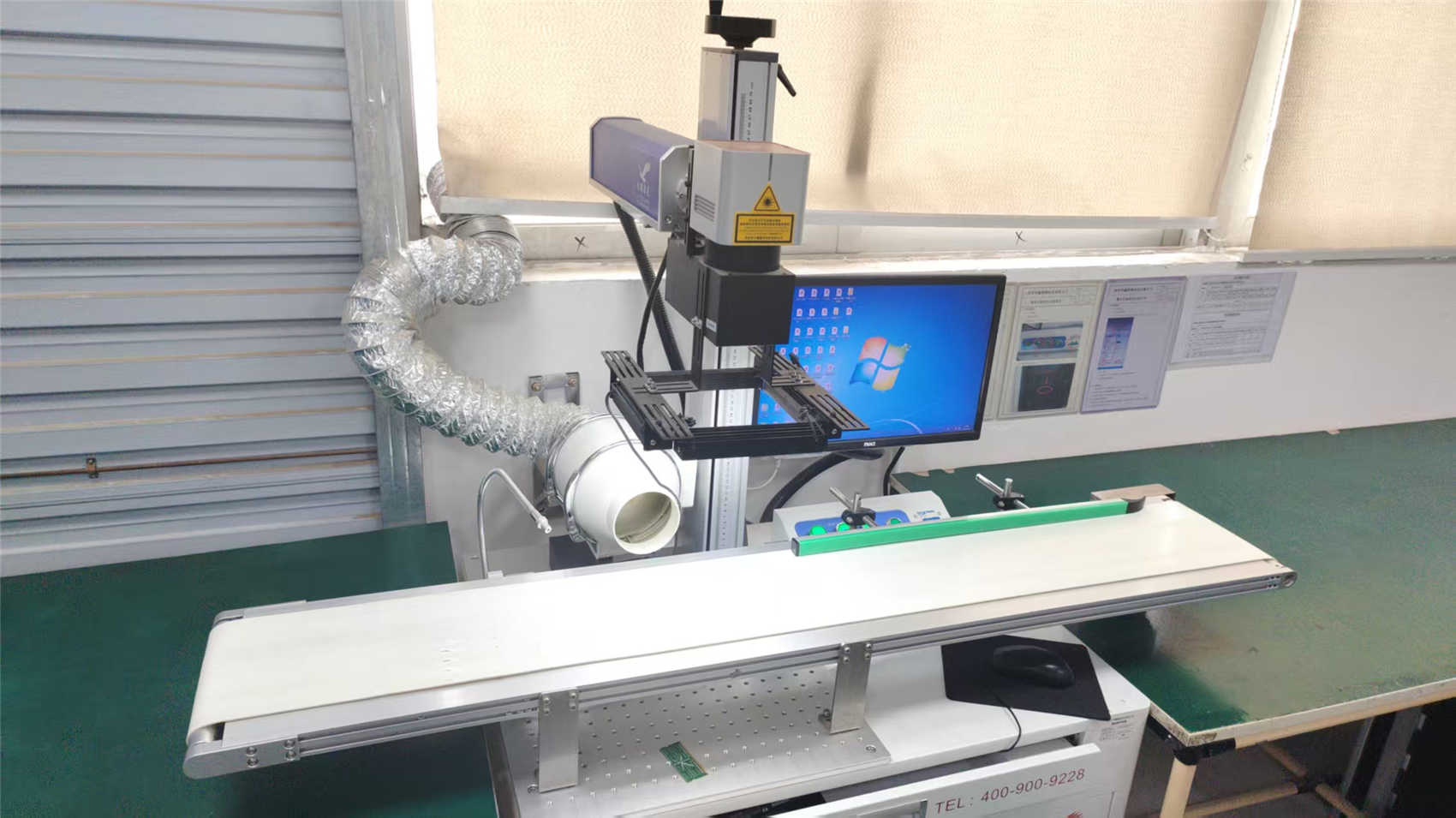
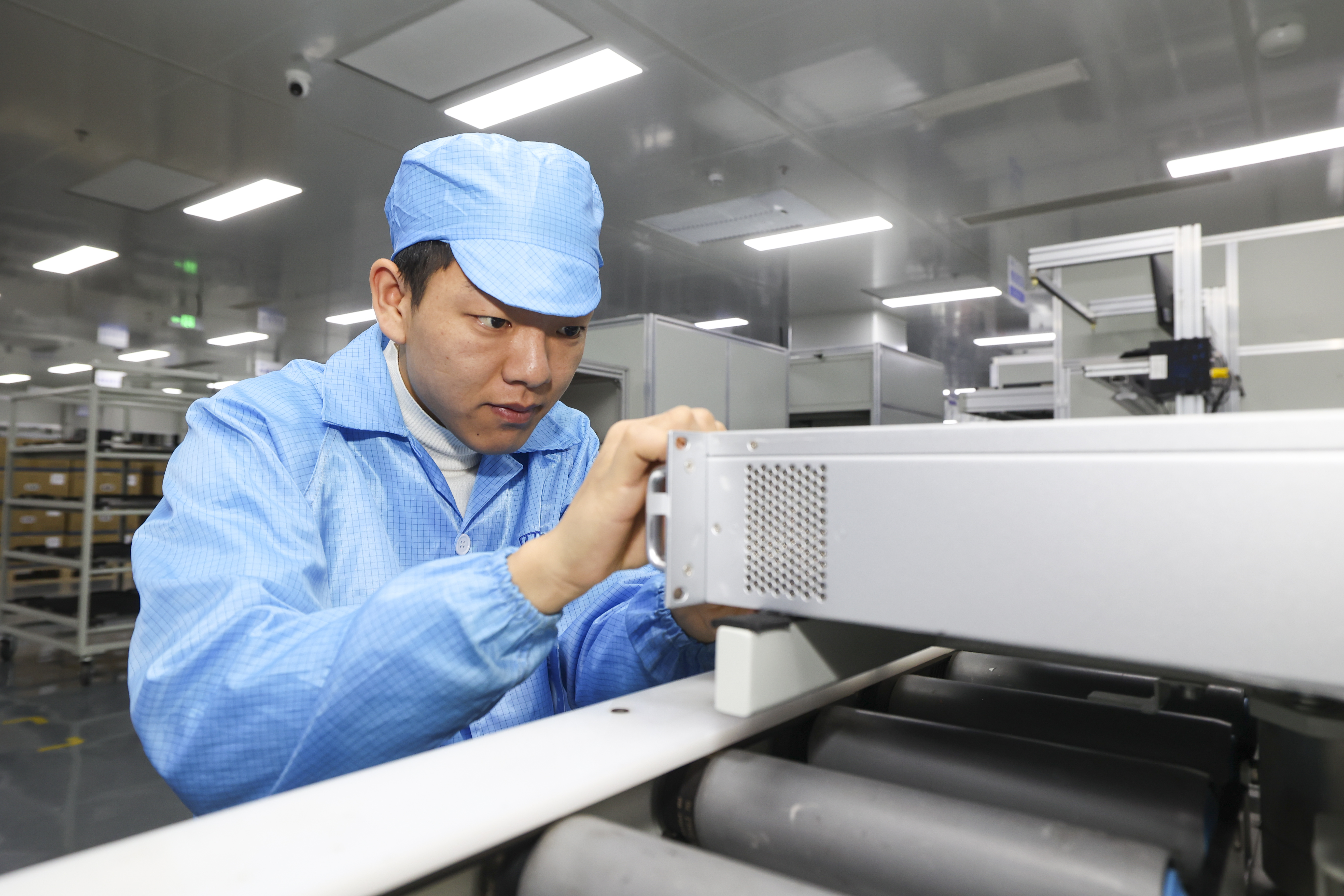
Data center components must meet strict international standards for safety, material composition, and environmental impact. Our OEM manufacturing process includes full compliance verifications: RoHS compliance to prevent hazardous substances, CE/FCC markings, and UL94-V0 flammability ratings for plastic structures, frame brackets, and interface pads.
Quality testing begins with raw material evaluation. We test the purity of copper (assuring oxygen-free copper grade above 99.95%) and aluminum alloys (grades 6063 or 1050 for high thermal performance). Finished heatsinks and radiators undergo helium mass spectrometer leak testing for all vapor chambers and heat pipes. We also conduct thermal resistance measurements under simulated loads and wind-tunnel testing to verify airflow characteristics. This detailed testing reduces the risk of field failures and protects client server setups.
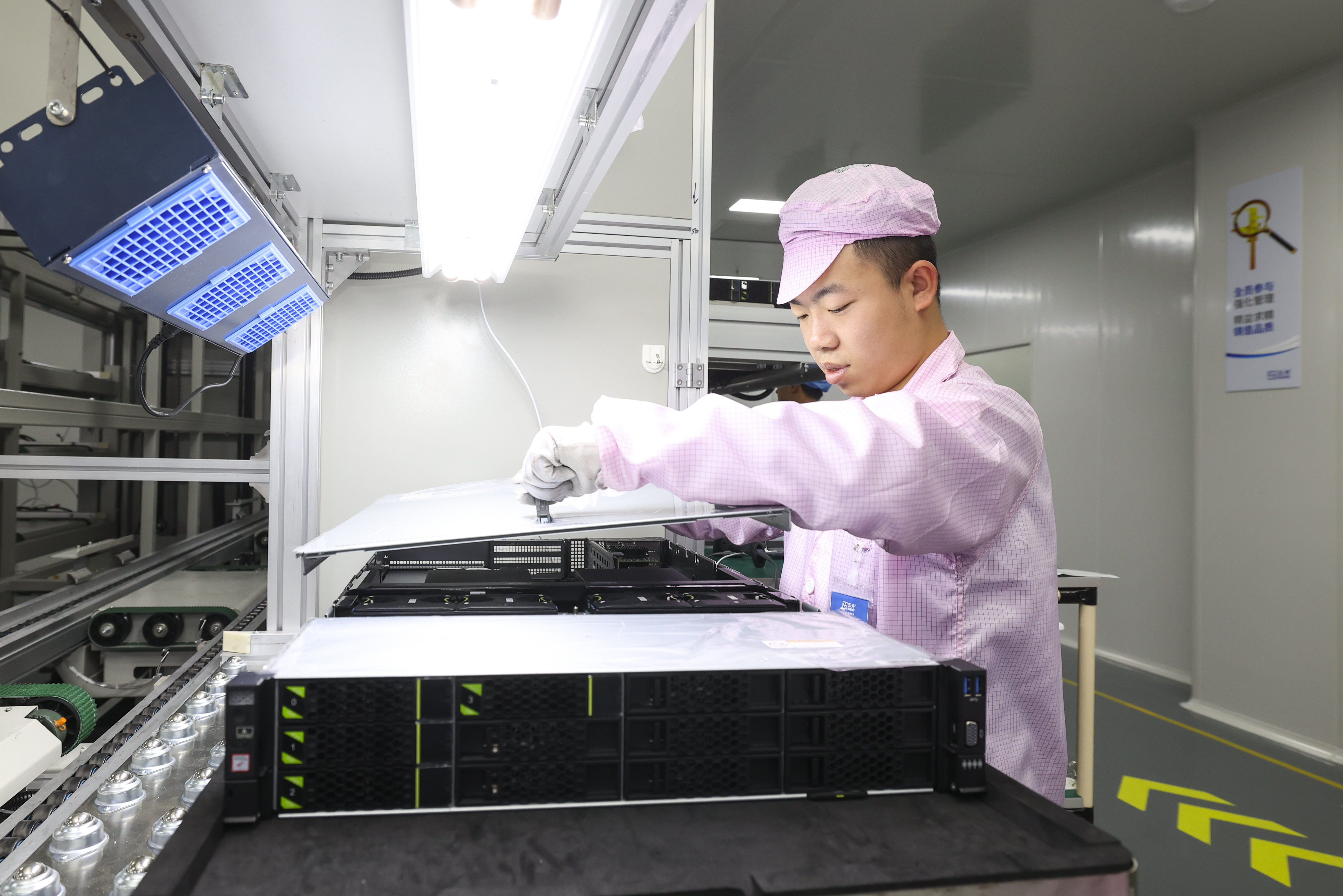
For logistics and deployment, we support client operations with specialized packaging, protective foam setups, and custom transport pallets. These measures protect delicate fin structures during international transit. Our engineering teams also assist with system integration, providing advice on layout planning, thermal interface materials, and mounting torque values to make hardware installation straightforward.
Vapor chambers operate via two-phase liquid-gas cycles. This allows them to spread heat faster than solid copper bases. They reduce hot spots under the silicon dies, maintaining lower chip temperatures when handling rapid shifts in workload. This helps prevent thermal throttling and extends hardware lifespans.
Skived fins are carved from a single block of metal, offering solid structural integrity and low thermal resistance at the base. However, zipper fins allow for higher fin density, thinner profiles, and hybrid material combinations (like copper bases with lighter aluminum fins). This makes zipper fins a versatile choice for larger server radiators.
We employ a multi-step quality control workflow. This includes raw material purity verification, automated optical inspection (AOI) for fin alignment, helium leak testing for vapor chambers and heat pipes, and thermal simulation under simulated loads. These processes are managed by our team of 45 quality inspectors.
Electroless nickel plating (ENP) is the standard recommendation. It coats the copper surface with a thin, uniform layer of nickel. This protects against oxidation and corrosion without significantly reducing thermal performance.
Yes. Our engineering team designs custom backplates, spring-loaded screws, and mounting brackets for standard sockets like LGA4926, AM5, and proprietary system layouts. This ensures correct mounting pressure and stable socket connections.
 CoreByte