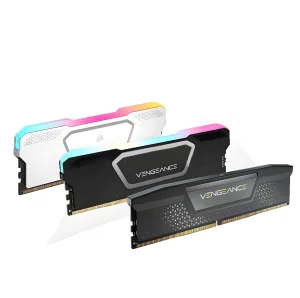
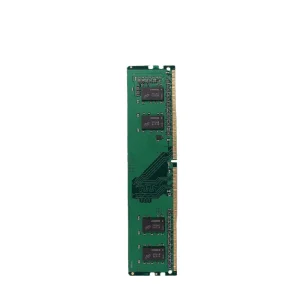
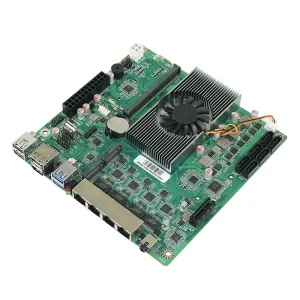
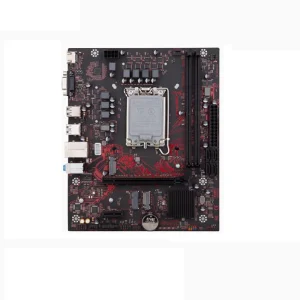
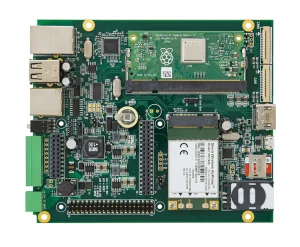
In an era defined by AI-driven computation, 5G telecommunications, and high-speed data centers, the demand for High-Frequency Circuit Boards has reached a critical inflection point. These boards are the backbone of modern digital infrastructure, requiring extreme precision in signal integrity, thermal management, and impedance control.
Traditional FR4 substrates are increasingly insufficient for high-frequency applications (above 1GHz). Modern manufacturers are pivoting towards PTFE-based laminates and hydrocarbon ceramic materials to minimize signal loss. Understanding these material science nuances is what separates elite OEM partners from generic fabricators.
China has solidified its position as the premier destination for OEM high-frequency PCB manufacturing. The advantage isn't just cost—it's the agglomeration of the supply chain. From raw material copper-clad laminates to rapid-turnaround SMT assembly, the proximity of suppliers allows for unmatched production velocity. For international brands, this means shortened Time-to-Market (TTM) and reduced logistical friction.
New Products Annually
R&D Engineers
Supply Partners
Annual Export (USD)
CoreByte Storage Technology Co., Ltd. stands at the intersection of innovation and reliability. Since 2016, we have evolved from a memory specialist into an integrated solution provider. Our manufacturing facility in China leverages ISO9001-based quality management to ensure that every circuit board meets the stringent requirements of server manufacturers and industrial integrators.
Global enterprises are moving away from purely transactional relationships with PCB factories. The new trend is "Collaborative Manufacturing." This involves sharing design files early in the prototype phase (DFM - Design for Manufacturing) to optimize for yield and cost.
AI is now optimizing trace routing and signal integrity simulations, allowing for faster board design iterations.
Lead-free processes and halogen-free substrates are becoming the baseline for EU and North American compliance.
Higher density interconnects (HDI) are essential as server racks move towards higher power density and reduced footprints.
 CoreByte