Direct from core manufacturing facility - High reliability components for data centers and systems integration.
In the modern technological paradigm, the convergence of AI processing, cloud virtualization, and high-frequency database networks has placed unprecedented pressure on global hardware design. Standard desktop topologies are no longer sufficient. Enterprise ecosystems require a holistic approach where electrical power systems, power management ICs (PMICs), printed circuit boards (PCBs), heat-dissipation networks, and high-speed memory modules act in unified synchronicity. CoreByte Storage Technology Co., Ltd., leveraging over 9 years of domain-specific industry experience, stands at the absolute vanguard of this industrial shift. This whitepaper details the architectural demands, supply-chain considerations, and technical vectors defining contemporary wholesale power and component sourcing.
The global power supply industry is transitioning from centralized bulk power systems to highly localized, intelligent point-of-load (POL) systems. This movement is heavily influenced by the rise of AI cluster arrays and edge data center structures. Historically, systems relied on simple transformer steps; however, modern platforms require real-time telemetry, adaptive power-state scaling, and advanced materials such as Gallium Nitride (GaN) and Silicon Carbide (SiC) to maximize efficiency and minimize heat generation.
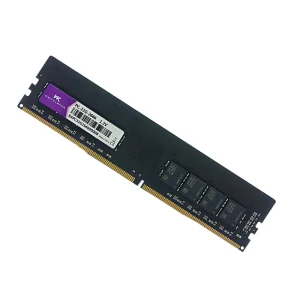
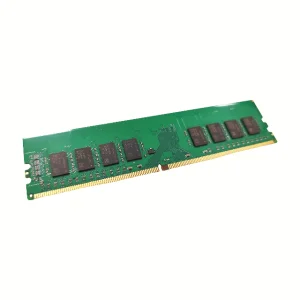
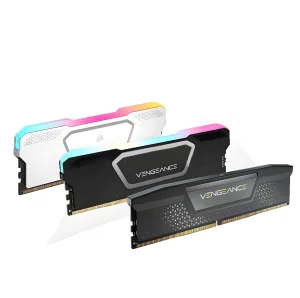
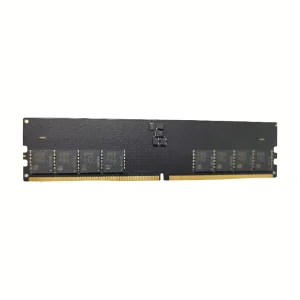
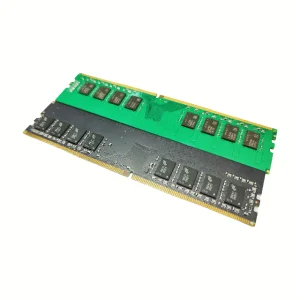
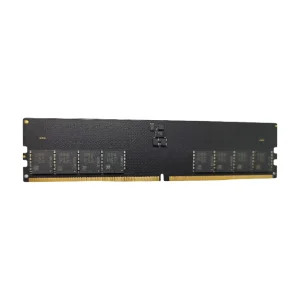
Crucially, in memory architectures like DDR5, the structural change of moving the Power Management Integrated Circuit (PMIC) directly onto the memory module (DIMM) represents a tectonic shift. Rather than relying on the motherboard's general 12V plane to distribute power to memory arrays, the PMIC on the DDR5 module converts raw power locally. This allows for precision voltage regulation (down to sub-1.1V levels), dramatically reduced noise floor, and highly optimized power distribution. As a leading manufacturer of DRAM modules, CoreByte incorporates these advanced PMIC technologies directly into our product configurations, enabling server platforms to operate with optimal energy metrics under extreme compute loads.
Moving power regulation directly onto the PCB substrate reduces parasitic inductance, stabilizes rail voltage, and provides intelligent telemetry at the component level.
Every watt of electrical power consumed converts directly to thermal output. Advanced passive cooling systems are essential for structural reliability.
Cloud workloads demand immediate scaling from low idle consumption to peak loads. Sourcing partners must guarantee transient response stability.
Enterprise procurement professionals and global hardware exporters face a complex web of logistical, compliance, and technological hurdles. The challenge extends beyond merely purchasing components; it requires securing high-integrity supply chains capable of delivering custom-tailored system configurations that comply with strict regional energy standards and electromagnetic compatibility laws. Key procurement pain points include:
CoreByte resolves these systemic challenges by acting as a direct engineering and manufacturing partner. Operating with a robust business model supported by more than 1,200 supply chain partners, we ensure stable raw material access. This stability enables us to deliver custom PCB designs, optimized thermal systems, and high-frequency memory modules that are pre-tested and certified for direct integration.
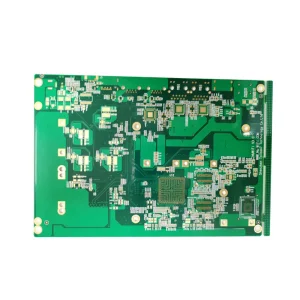
For data centers, OEM system integrators, and industrial control environments, isolating components is no longer viable. CoreByte offers unified macro-industry solutions that optimize hardware configurations from the PCB substrate level up to the server chassis envelope. Our multi-layer PCB design capabilities, combined with server memory optimization and specialized thermal cooling units, ensure maximum computing density per rack unit.
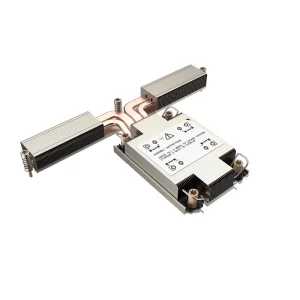
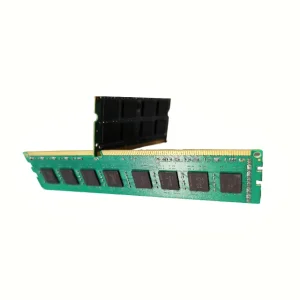
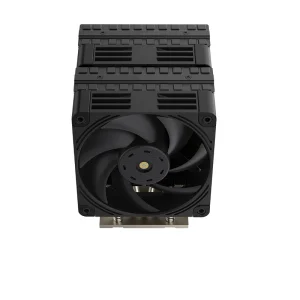
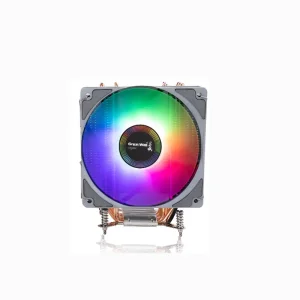
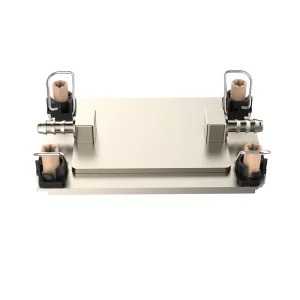
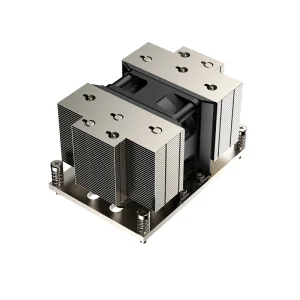
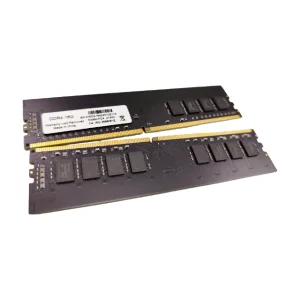
For instance, in high-density 1U or 2U server configurations, cooling space is extremely restricted. A high-performance processor generating upwards of 300W to 400W requires specialized copper or liquid cooling blocks, such as our LGA4677 or SP3 server heatsinks. Without optimized air-flow dynamics and low-profile memory modules (such as our low-profile DDR4/DDR5 server memory), local ambient temperatures would quickly exceed the threshold of the power-management ICs. By analyzing these variables during the design phase, CoreByte engineers develop boards, thermal blocks, and memory configurations that work in harmony, maximizing system uptime and electrical efficiency.
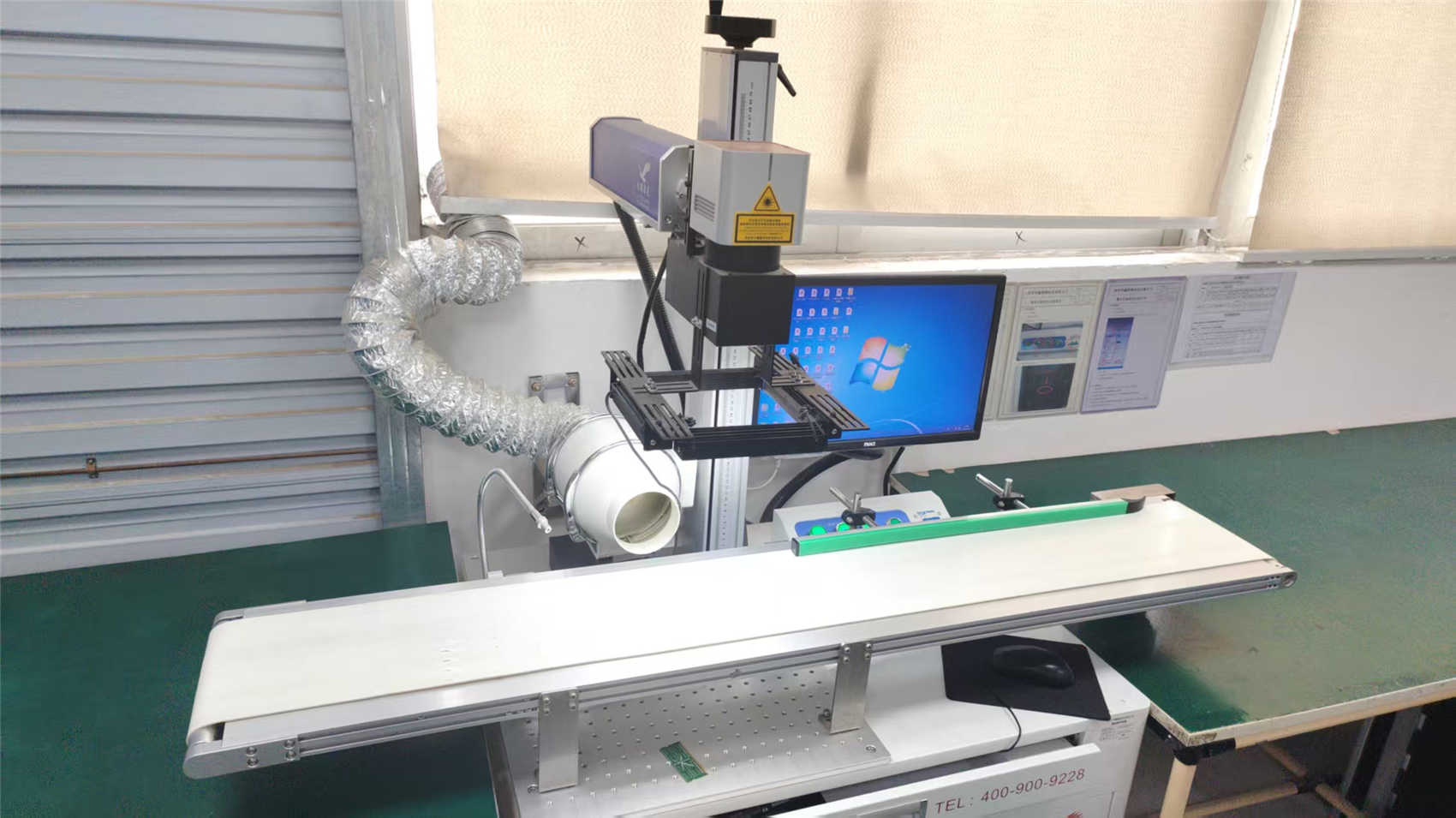
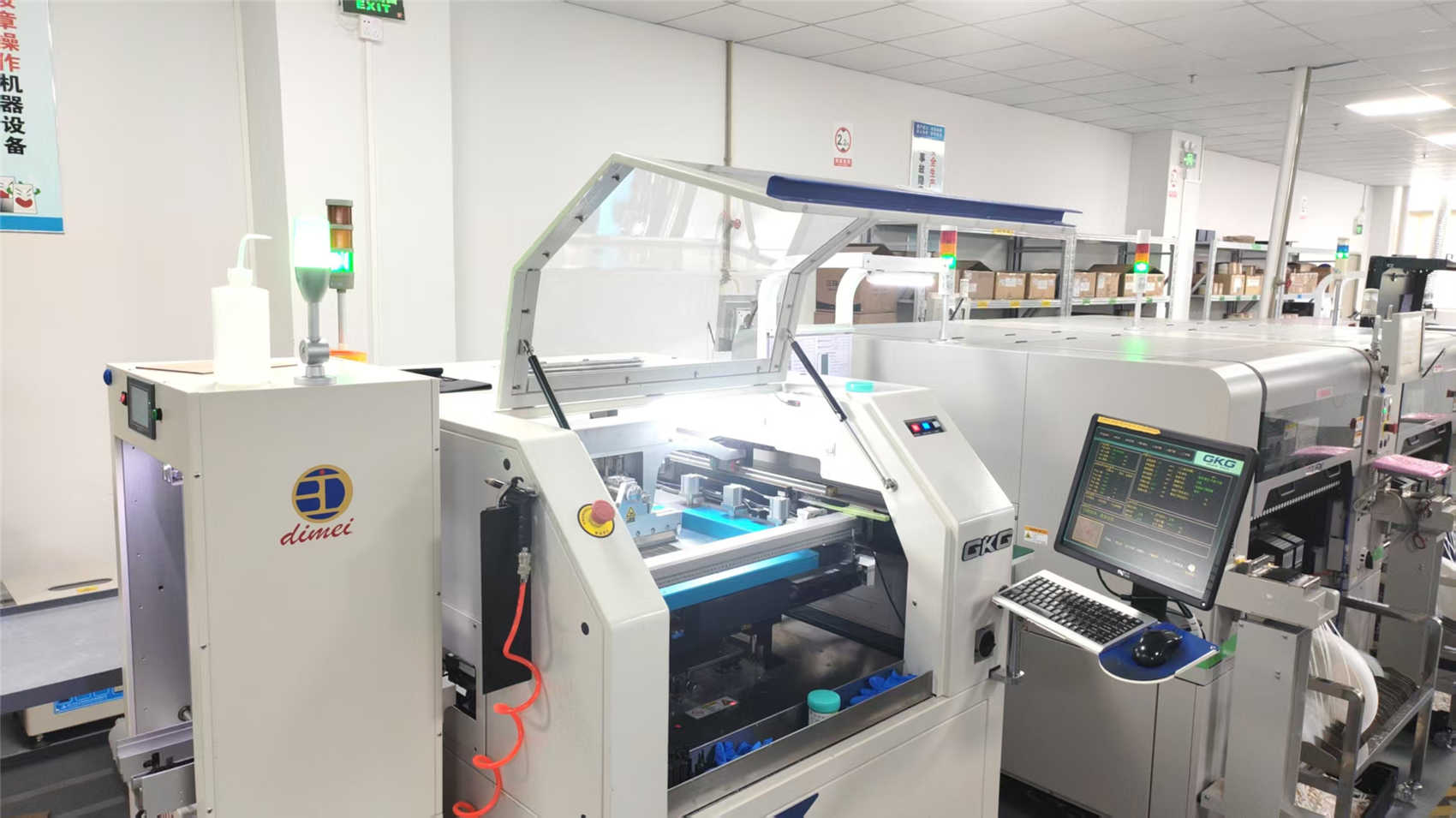
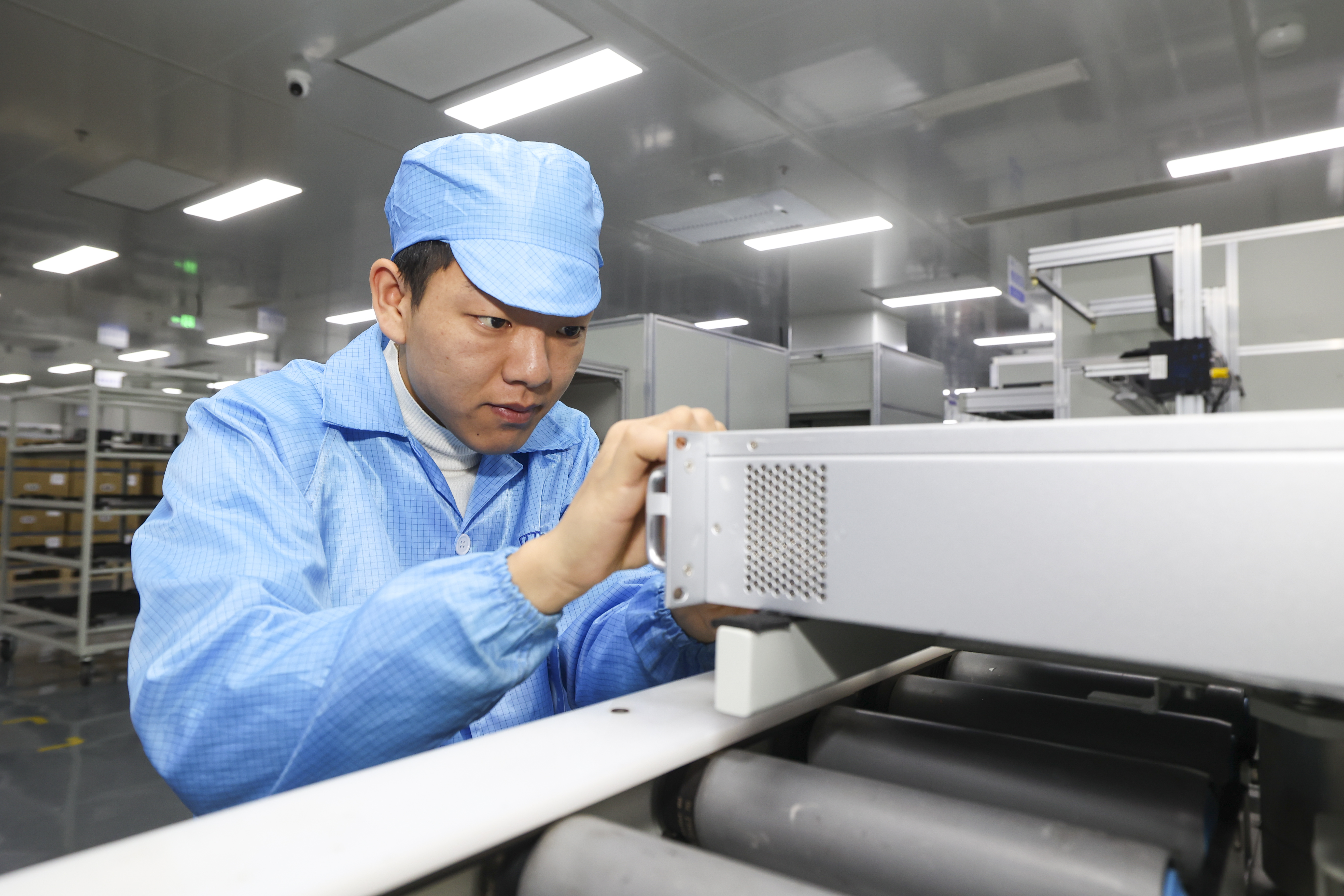
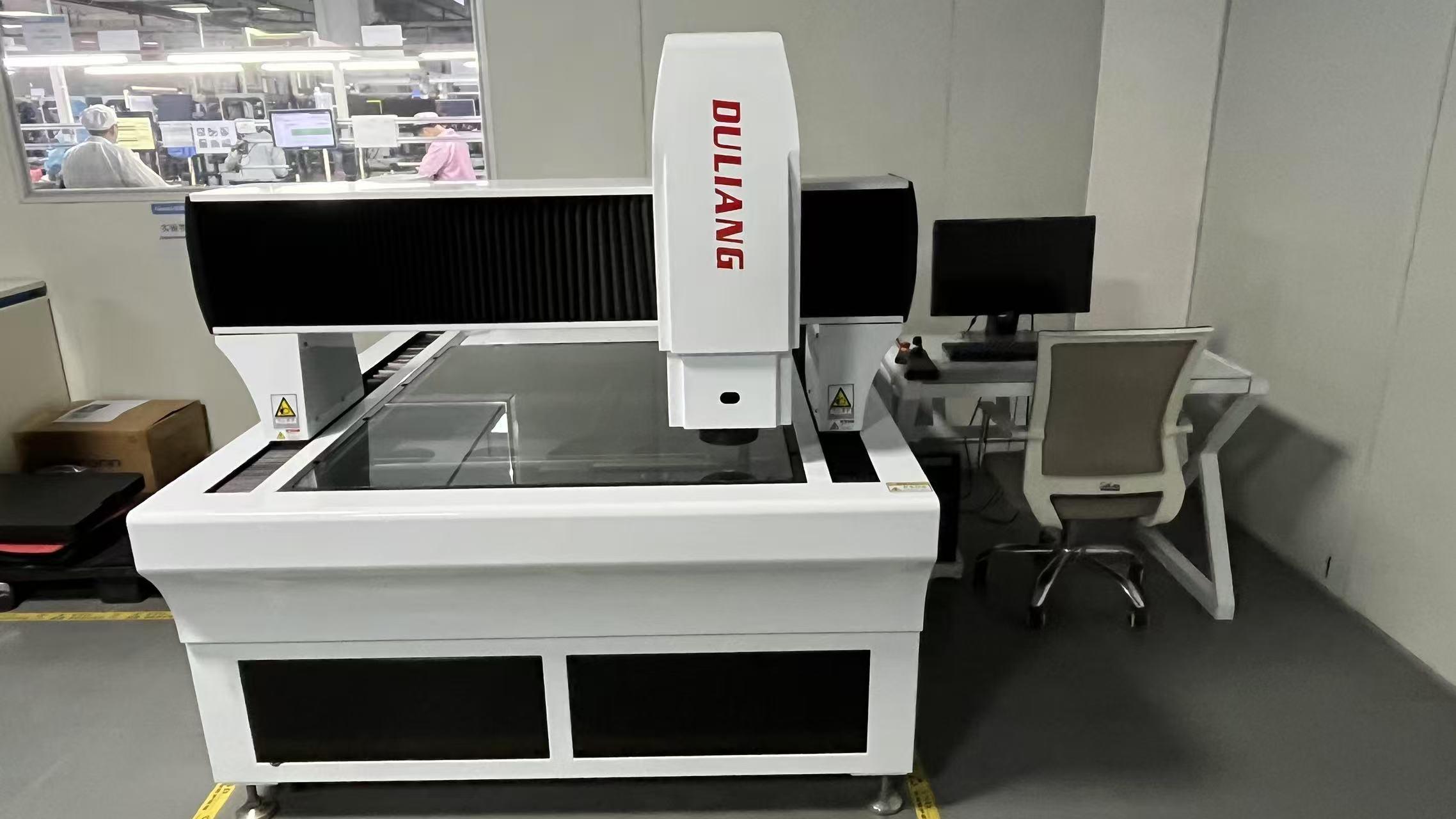
CoreByte Storage Technology Co., Ltd. (established in 2016) is a premier manufacturer specializing in high-performance memory modules, thermal systems, and complex PCB solutions. Over the past decade, we have established our reputation on absolute quality assurance and cutting-edge engineering expertise. Our modern manufacturing facility is built to support precision production, utilizing advanced automated optical inspection (AOI) technology and rigorous high-temperature aging chambers to verify hardware reliability before export.
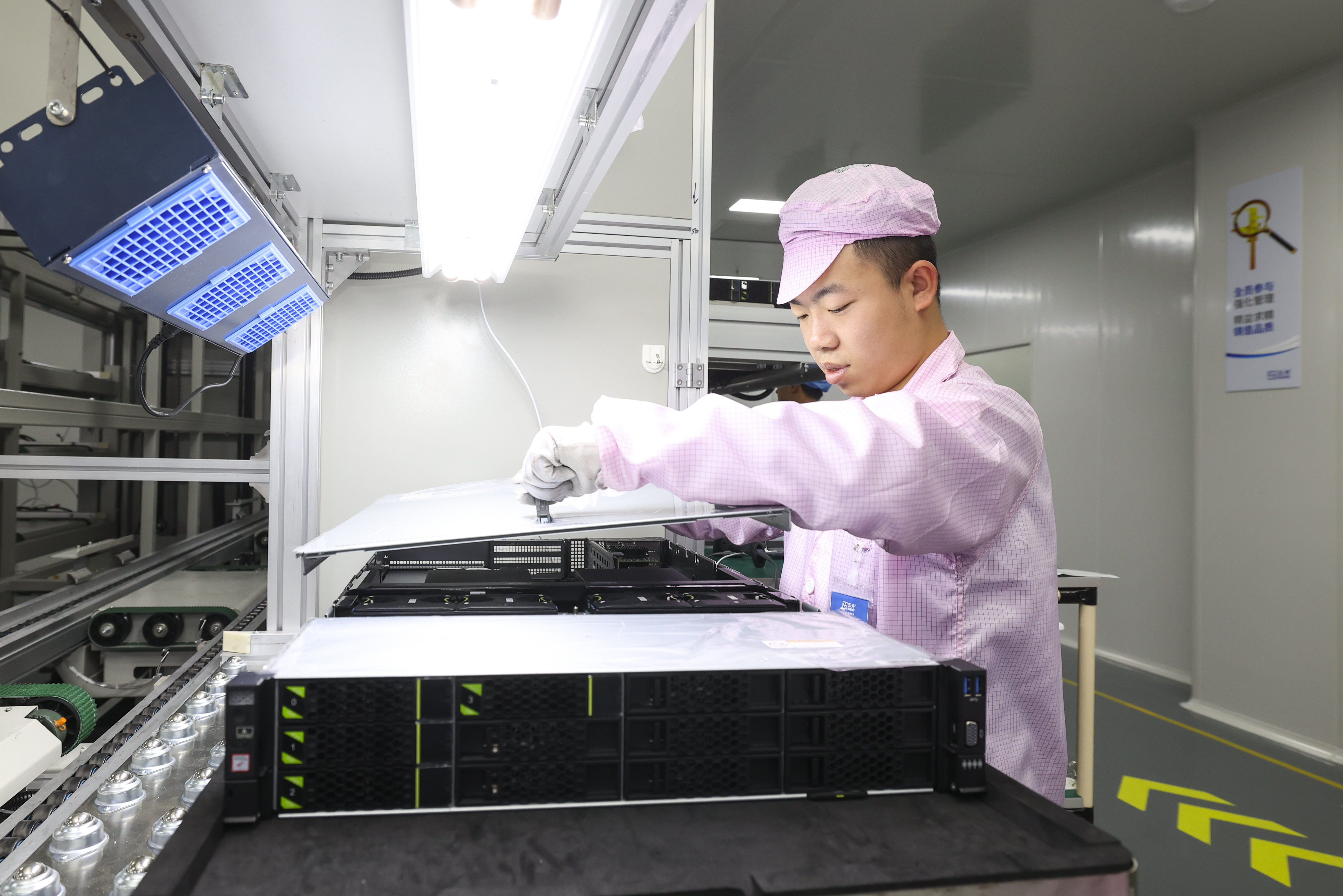
Under our strict ISO9001-based quality management system, every step of the assembly and validation process is monitored by our dedicated quality control team of 45 experienced inspectors. Whether producing high-speed DDR5 modules, passive extruded aluminum radiators, or complex multi-layer PCB assemblies for welding inverters and power distribution systems, we guarantee compliance with international performance and safety standards. Our R&D division, comprising 85 experienced design engineers, introduces approximately 120 new products each year, ensuring our global customers stay ahead of technology cycles in AI, cloud computing, and industrial automation.
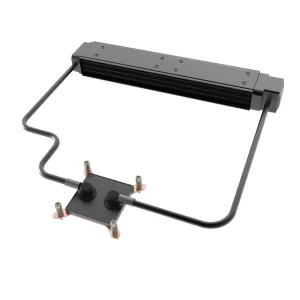
The roadmap for power delivery and high-speed memory systems points toward greater density, advanced thermal structures, and smarter local power management. CoreByte is currently developing new high-speed memory architectures featuring next-generation PMIC telemetry, allowing operators to monitor memory array power consumption in real time at the software level. Furthermore, our thermal division is advancing liquid-cooled copper blocks designed to handle TDP levels exceeding 500W, supporting future multi-core server processors.
In the PCB and power management space, we are refining our manufacturing processes to support higher layer counts and denser copper traces. This development allows for more efficient layout designs, shorter trace paths, and reduced signal noise in compact systems. By aligning our hardware roadmap with emerging server standards, we help our partners easily transition to next-generation computing standards.
Expert answers to common engineering, procurement, and integration questions.
Integrating the PMIC directly on the DDR5 memory module allows for much tighter voltage tolerance control and localized regulation. This minimizes transmission losses and noise across the system board, reducing signal attenuation and improving power efficiency under intense server processing conditions.
CoreByte applies an ISO9001-compliant production methodology. All hardware undergoes automated optical inspection (AOI), along with comprehensive high-temperature stress tests in our aging chambers. This guarantees memory reliability, physical signal integrity, and leak-proof performance for our liquid-cooling copper blocks.
Yes. Backed by our team of 85 R&D engineers, CoreByte offers advanced design customization. We optimize PCB layer stack-ups, thermal traces, and component placement to meet custom power-bank, welding inverter, and server-board specifications.
Our products are manufactured to meet CE, FCC, RoHS, and industry-standard JEDEC requirements. We provide complete documentation to ensure compliance for imports into North American, European, and Asia-Pacific markets.
Inside CoreByte's modern production facilities and global export hub.
Complete product inventory for immediate global export and wholesale distribution.
 CoreByte