In the era of hyper-scale computing, real-time AI modeling, and ultra-high-definition displays, the demand for flawless bandwidth pipelines has reached unprecedented heights. Modern data architectures do not simply transfer media files; they synchronize multi-gigabit raw video feeds, high-fidelity uncompressed audio protocols, and bidirectional data streams across substantial distances. At the nexus of this revolution lies HDMI (High-Definition Multimedia Interface) technology.
The jump from HDMI 2.0 to HDMI 2.1b marked a fundamental paradigm shift. Where HDMI 2.0 relied on TMDS (Transition Minimized Differential Signaling) to achieve a maximum bandwidth of 18 Gbps, HDMI 2.1b utilizes FRL (Fixed Rate Link) technology. This protocol operates over 3 or 4 channels, pushing throughput limit up to 48 Gbps. This immense bandwidth is the engine driving Display Stream Compression (DSC) 1.2a, enabling flawless 8K resolution at 60Hz or 4K at 120Hz/144Hz. It also powers dynamic HDR metadata exchange, Variable Refresh Rate (VRR) for low-latency simulation gaming, and eARC (Enhanced Audio Return Channel) for up to 32 channels of uncompressed audio.
| HDMI Version | Encoding Protocol | Max Bandwidth | Max Resolution Supported | Primary Industrial Use-Case |
|---|---|---|---|---|
| HDMI 1.4 | TMDS (10b/8b) | 10.2 Gbps | 4K @ 30Hz | Legacy digital signage, control console displays |
| HDMI 2.0b | TMDS (10b/8b) | 18.0 Gbps | 4K @ 60Hz / 1080p @ 240Hz | Standard corporate AV systems, medical displays |
| HDMI 2.1a/b | FRL (16b/18b) | 48.0 Gbps | 8K @ 60Hz / 4K @ 120Hz / 10K @ 120Hz | High-performance AI visualization, flight simulators |
To preserve signal integrity over such high bandwidth, physical cable design has had to evolve past standard consumer copper wire. At 48 Gbps, copper cables suffer from extreme signal degradation (attenuation) over distances exceeding 3 meters. This limitation has driven the development of hybrid optoelectronic solutions, combining copper wires for power and low-speed signaling (like EDID/HDCP handshakes) with high-speed fiber-optic lines for primary data paths.
When specifying HDMI solutions for commercial infrastructure, procurement departments must choose between Passive Copper, Active Copper, and Active Optical Cables (AOC). Each technology exhibits specific physical limitations and distinct signal attenuation curves.
Standard copper cables are limited by the skin effect. As frequency increases, electrical current concentrates on the outer surface of the conductor, increasing AC resistance. Over 3 meters, high-frequency signals exhibit substantial attenuation, resulting in bit error rates (BER) that break the HDCP handshake and cause screen blackouts or digital artifacts.
Active copper cables incorporate inline equalizer microchips at the sink connector. These chips amplify the high-frequency components of the signal, compensating for attenuation. This extends copper's usable range to 5-7.5 meters at HDMI 2.1 speeds. However, they remain highly susceptible to Electro-Magnetic Interference (EMI) in industrial environments.
AOCs represent the premium standard for long-distance transmission. Inside the source connector, an optoelectronic engine (VCSEL laser array) converts electrical HDMI signals into optical pulses. These travel over OM3 multi-mode glass fibers to the sink connector, where photodiode arrays convert them back to electrical signals. AOCs are immune to EMI and support runs up to 100+ meters.
For mission-critical applications—such as cleanroom medical surgical displays, corporate boardroom matrices, and high-frequency command centers—Active Optical Cables are the preferred standard. They eliminate ground loops, offer thin, flexible pathways for easy conduit routing, and guarantee zero signal degradation over long runs.
High-performance HDMI active cables are not simple wires; they are complex optoelectronic assemblies. The active transceiver chips housed inside the zinc-alloy connector shells require precision surface-mount technology (SMT) and multi-layer high-frequency PCB designs.
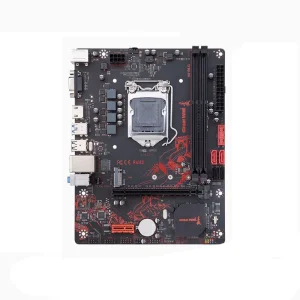
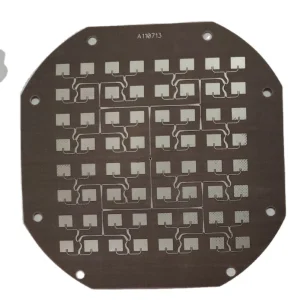
This is where manufacturing expertise in server motherboards and high-frequency PCBs (like Taconic TLY-5 and aluminum LED substrates) directly translates to superior signal path engineering. The same design principles that prevent cross-talk and impedance mismatches on a dual-socket LGA1700 or SP5 motherboard are applied to layout design of the active microchips inside premium HDMI AOC connectors.
To ensure stability and physical durability, top-tier Chinese manufacturers employ a multi-layered construction methodology. A cross-section of a high-performance HDMI cable reveals the following critical layers:
By focusing on these raw material specifications, manufacturers can produce cables that pass stringent HDMI ATC (Authorized Testing Center) certification, satisfying the requirements of high-end commercial projects.
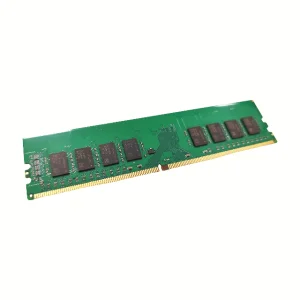
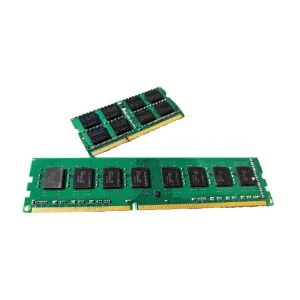
CoreByte Storage Technology Co., Ltd. is a professional DRAM and high-speed hardware solution manufacturer specializing in high-performance memory modules and high-frequency electronic solutions for global OEM, enterprise, and data center applications.
Established in 2016, the company has developed strong capabilities in R&D, production, and international trade, focusing on stable, high-speed, and energy-efficient memory and semiconductor products. Leveraging advanced SMT assembly lines and cleanroom manufacturing facilities, CoreByte extends its engineering expertise to advanced high-frequency PCBs and high-speed signal transmission components.
Operating a modern manufacturing facility with a building area of approximately 320㎡, the company is equipped with advanced production and testing hardware. CoreByte generates an annual export revenue of around USD 12 million, supported by 6 years of export experience and over 9 years of industry experience in high-frequency hardware engineering.
Quality assurance is a core priority at CoreByte. The company implements ISO9001-based quality management systems, combined with automated optical inspection (AOI) and high-temperature aging tests to ensure product stability and signal compatibility. The quality control team consists of 45 dedicated inspectors, ensuring every batch meets international performance standards.
CoreByte maintains a strong trade-oriented business background, serving key markets including North America, Europe, Southeast Asia, and the Middle East. The company has established a reliable global supply chain network with more than 1,200 supply chain partners, supporting stable production and fast delivery. Its primary customers include OEM system integrators, server manufacturers, industrial computer brands, and data center solution providers.
With strong engineering capabilities, CoreByte offers advanced customization services, including PCB design optimization, frequency tuning, thermal solution adjustment, and branding customization. The company invests heavily in innovation, with 85 R&D engineers and launching approximately 120 new product models annually to meet evolving market demands in AI computing, cloud infrastructure, and high-performance gaming systems.
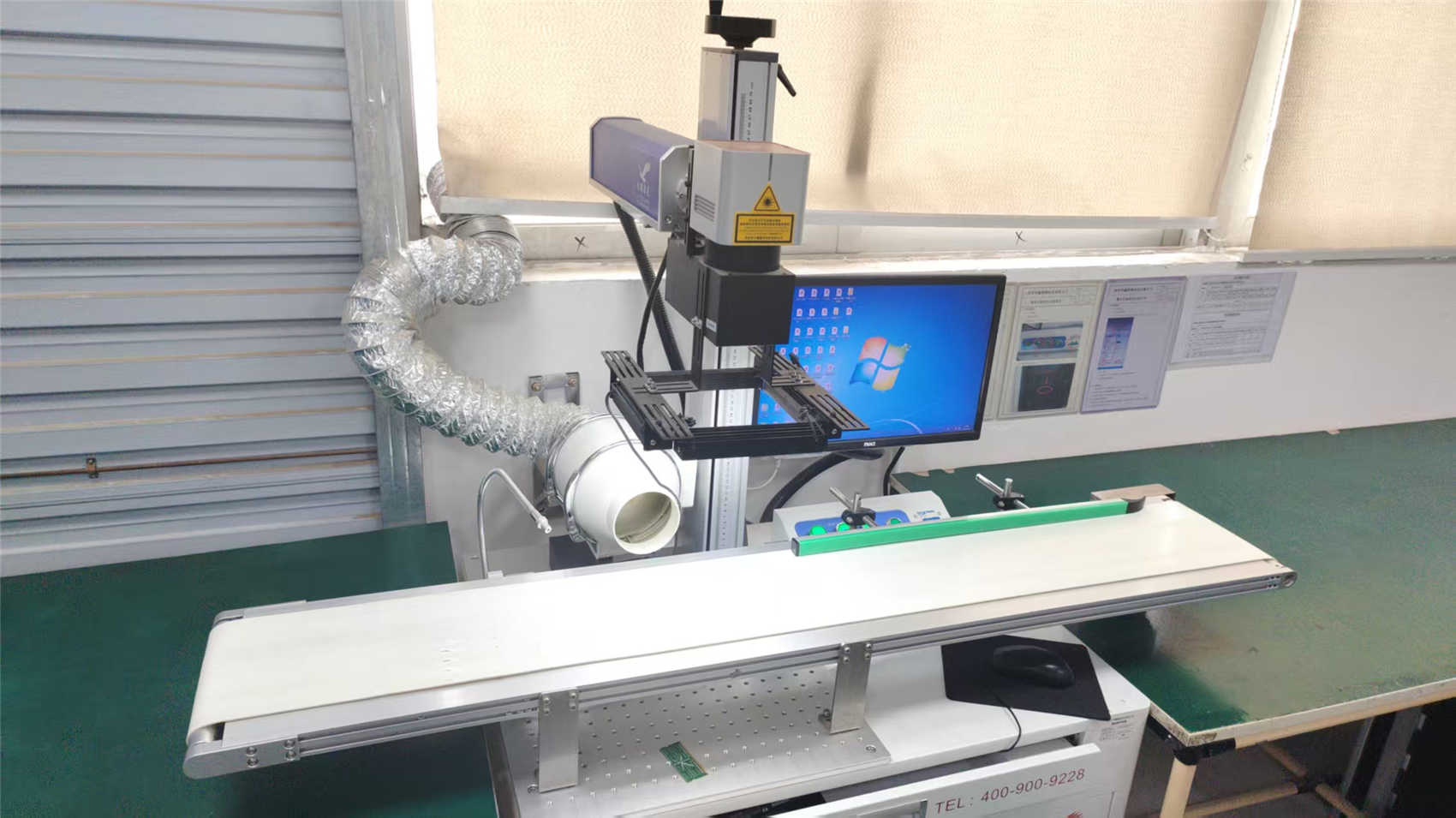
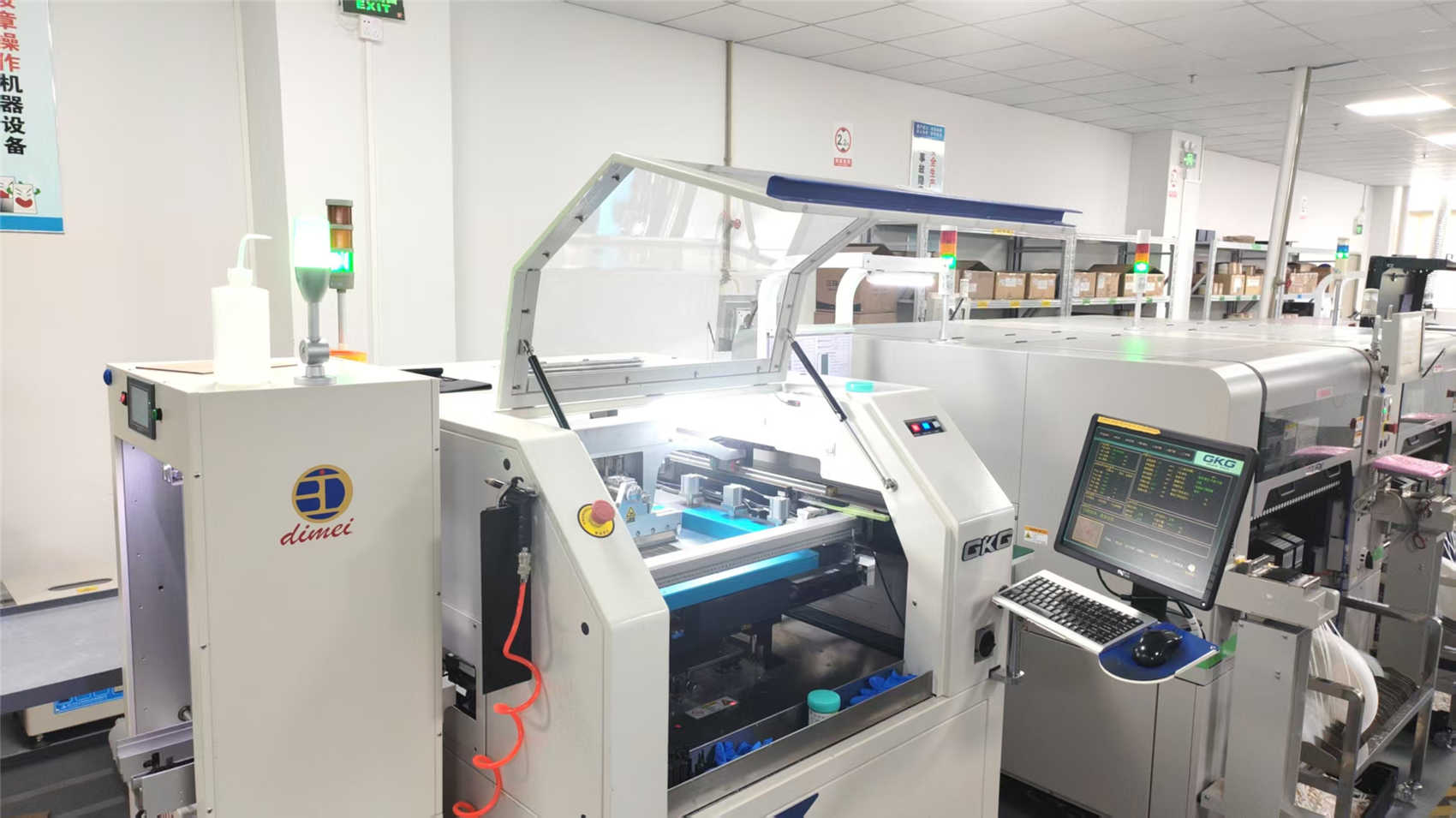
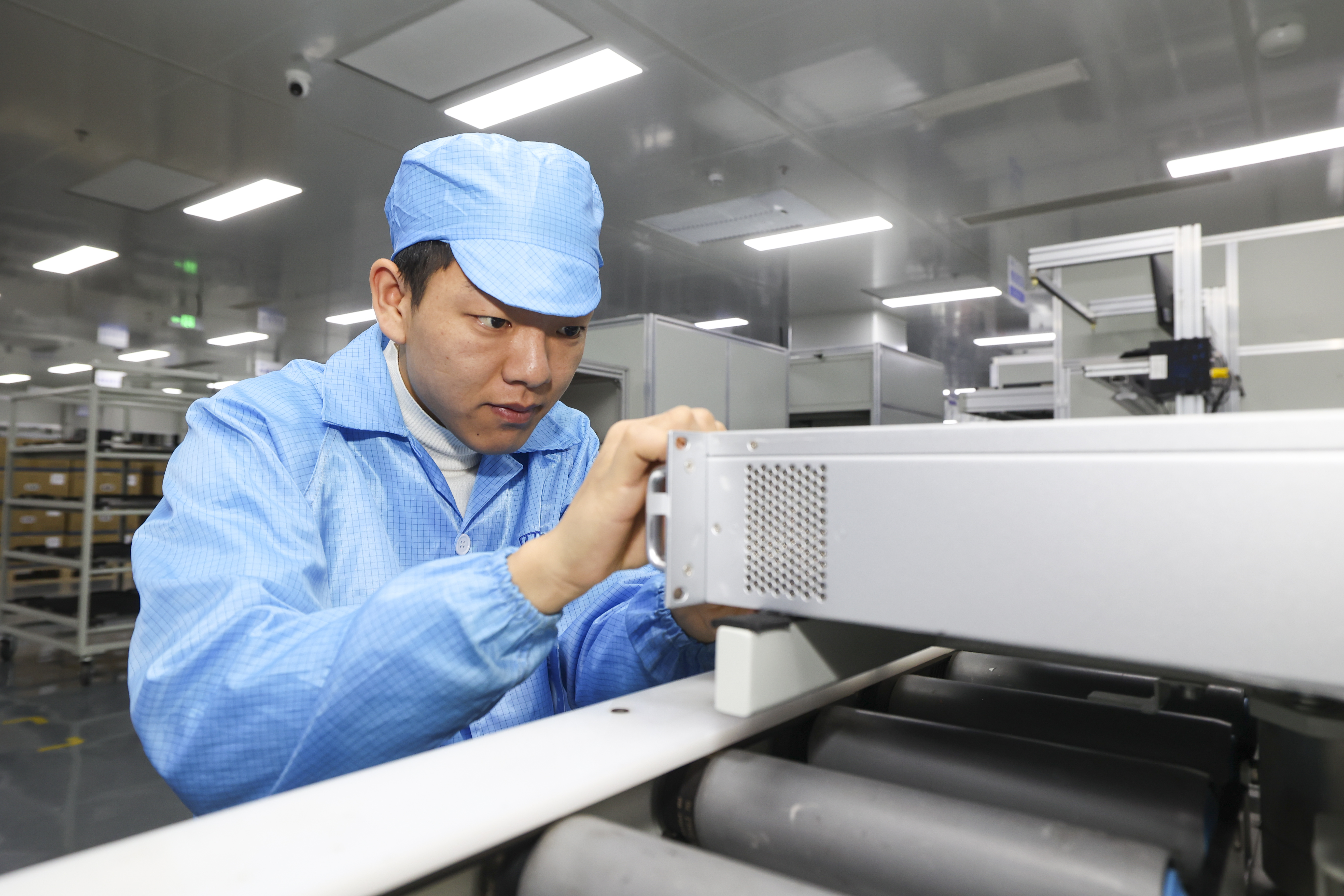
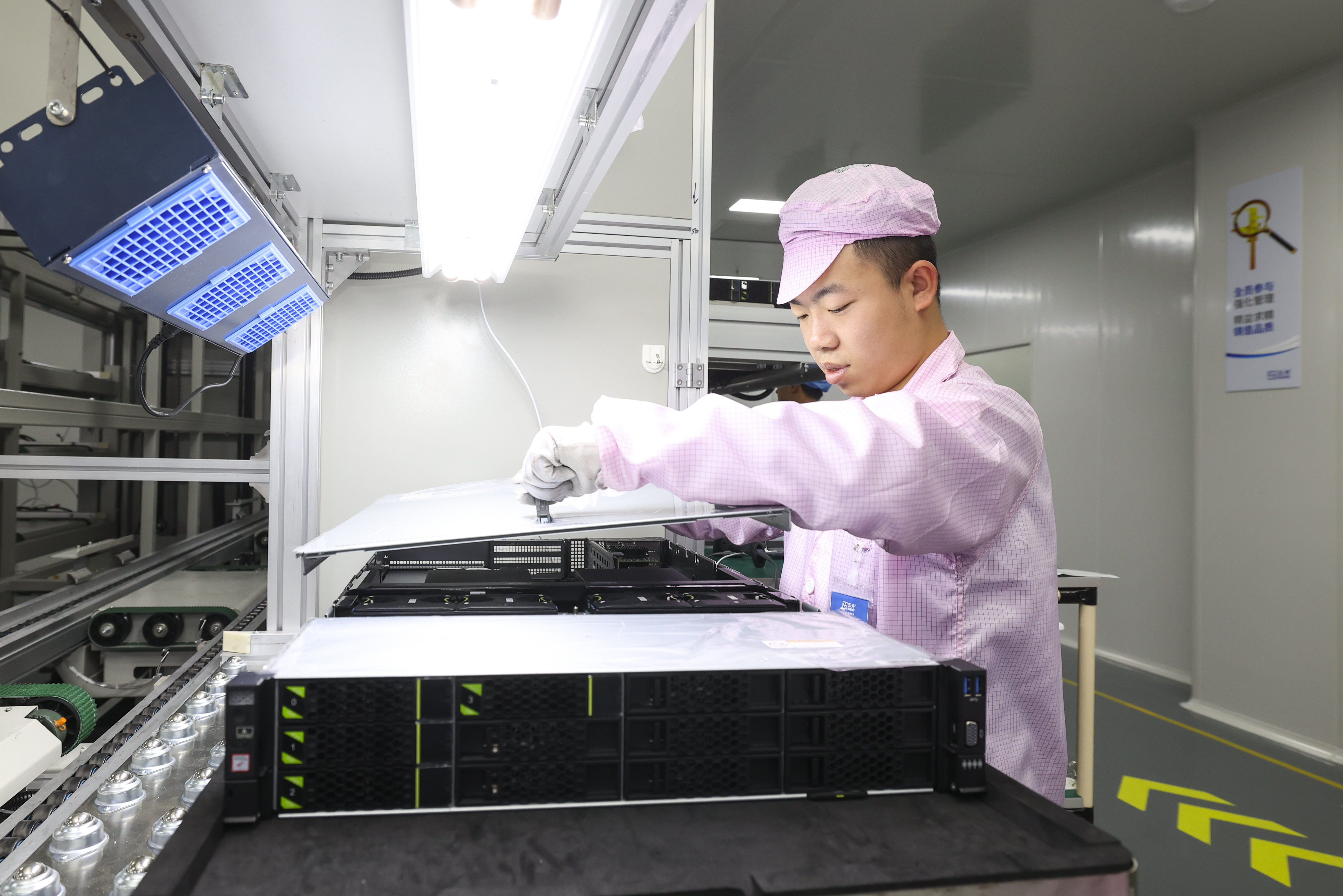
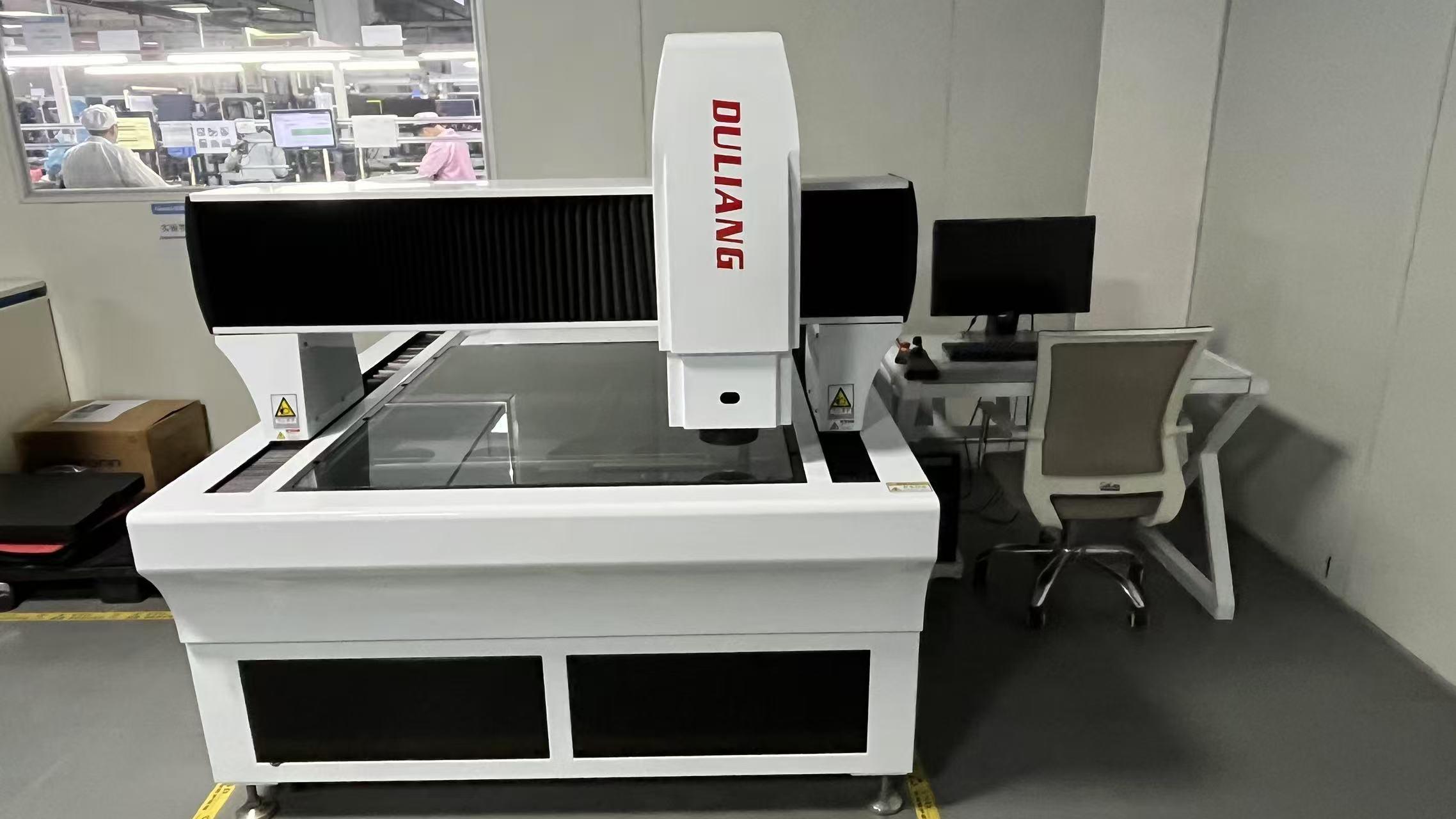
For enterprise procurement, reliability is the primary consideration. Advanced factories in China's Pearl River Delta region have moved beyond simple continuity testing to implement laboratory-grade validation protocols. A typical Quality Assurance pipeline for high-speed HDMI cables includes:
By specifying cables verified by these testing procedures, procurement teams can avoid common field failures, minimizing long-term maintenance costs.
 CoreByte