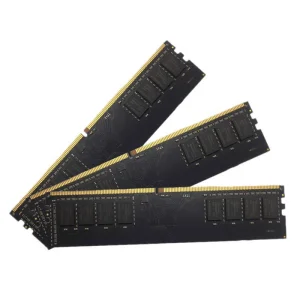
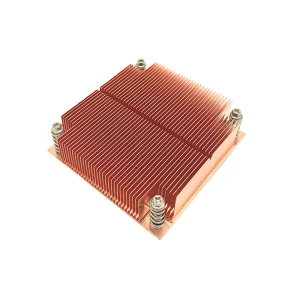
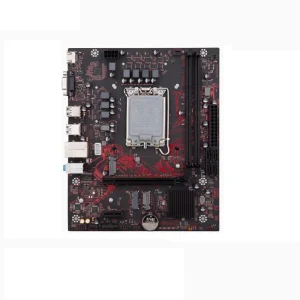
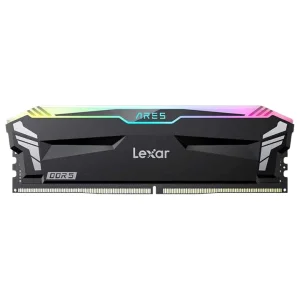
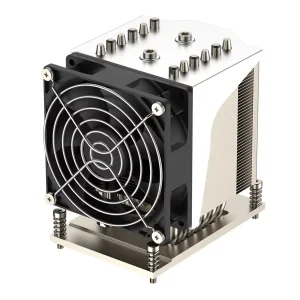
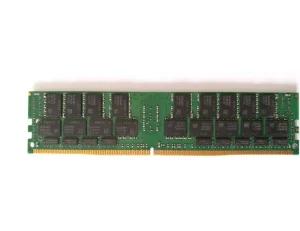
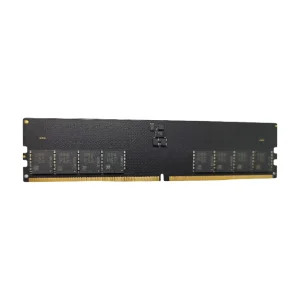
Industrial-grade RAM modules, motherboards, and cooling configurations engineered to empower advanced robot control algorithms, AI vision systems, and edge computing nodes.
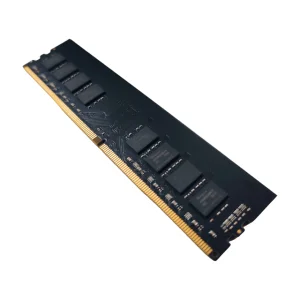
The industrial landscape is undergoing a monumental paradigm shift. Once isolated in rigid security cages, robotic automation has broken down structural boundaries. Collaborative robots, or cobots, represent the fastest-growing sub-sector of industrial automation. Driven by advancements in human-robot safety interaction, micro-controller processing power, and spatial awareness sensors, the global cobot market is projected to reach several billion dollars by 2030, growing at a CAGR exceeding 20%.
Unlike traditional heavy industrial arms, collaborative robots are designed to work alongside human operators in shared workspaces without protective barriers. This interaction requires millisecond-level precision in processing feedback, real-time sensor fusion, and dynamic trajectory adjustments. To execute these operations safely, cobots rely heavily on advanced controller cabinets. These cabinets house high-performance industrial computers, where ultra-low latency DDR5 ECC memory, multi-core motherboards, and complex cooling systems serve as the digital nervous system, facilitating instantaneous calculations.
Modern cobots process high-definition vision streams at the edge, requiring substantial local bandwidth and robust, error-correcting system memory to avoid path-planning failures.
ISO 10218 and ISO/TS 15066 safety standards dictate that robot controllers must operate with redundant fail-safe mechanisms, depending directly on components with high Mean Time Between Failures (MTBF).
Fast reprogramming and lightweight designs mean cobots can be reallocated to different lines within hours, calling for dynamic computing configurations and adaptable embedded control hardware.
To understand the synergy between CoreByte Storage Technology's high-performance memory/motherboard solutions and collaborative robotics, one must look at the hardware requirements of modern cobot control cabinets. A collaborative robot arm does not merely execute predefined paths. It continuously samples torque values at every joint, tracks environmental obstacles via LiDAR and RGB-D cameras, and runs neural networks locally to determine optimal pick-and-place trajectories.
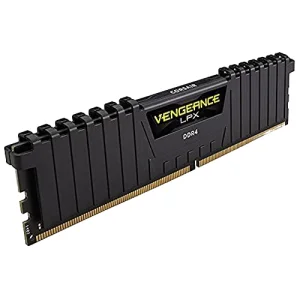
Visual guidance systems, particularly those utilizing 3D bin-picking or semantic object categorization, generate massive arrays of point-cloud data. This data must be ingested and processed in real-time. If the RAM buffer bottlenecks, the robot's latency increases, violating the strict speed and separation monitoring (SSM) protocols. Our DDR5 memory modules with speeds up to 6000MHz guarantee that high-bandwidth data channels remain unclogged, allowing AI models to output path predictions with minimal delay.
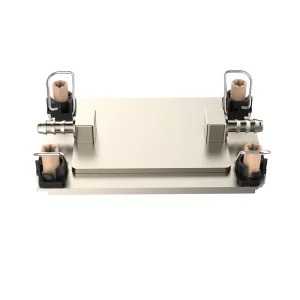
Industrial settings are unforgiving. Control cabinets are sealed against dust, grease, and moisture, leading to internal thermal build-up. Without efficient thermal management, processors throttle, leading to system latency and unpredictable robot motion. Using state-of-the-art copper and aluminum heat sinks, server-grade cooling assemblies, and liquid-cooling blocks ensures that high-power controller processors operate within safe thermal thresholds, guaranteeing continuous uptime in demanding multi-shift operations.
Our industrial computing technologies and collaborative robotics architectures are deployed in diverse settings worldwide. By tailoring edge computing power to physical kinematics, we deliver comprehensive automation solutions across sectors.
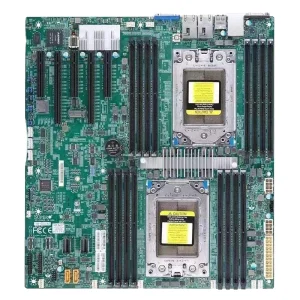
In modern automotive assembly lines, cobots perform intricate tasks such as screwdriving, wire harness installation, and display panel placement. These tasks demand precise torque control and visual validation. With CoreByte's integrated server-grade motherboards powering the centralized control unit, manufacturers can link multiple cobots on a single edge node, maximizing synchronization and optimizing capital expenditure.
Logistics hubs deploy collaborative AMR (Autonomous Mobile Robot) bases equipped with robotic manipulators. These mobile cobots navigate dynamic warehouse floors, identifying products and sorting them into boxes. The localized intelligence requires low-power yet highly robust computational units. Leveraging ECC DDR4 or DDR5 RAM modules ensures that even under physical vibration and voltage fluctuations, the data path remains secure, avoiding memory corruption and collision risks.
Sterile cleanrooms demand extreme reliability and clean operating profiles. Cobots are used to handle biological samples, compound medical substances, and package sensitive implants. Computations must be completed without error, and systems must run cool to avoid thermal convection currents that could compromise cleanroom classifications. Specialized server-cooled heat sinks provide zero-throttling passive heat extraction, ensuring quiet, reliable, and compliant cleanroom operations.
The technological trajectory of industrial and collaborative robotics over the next decade, focusing on computational scalability and hardware-software synergy.
Deployment of low-latency DDR5 computing architectures in standard cobot controllers to support real-time 3D perception and localized deep learning inference.
Industrial motherboards incorporating localized multi-channel communication pipelines, enabling collaborative robots to synchronize trajectories without central server delays.
Assimilation of cognitive processors within controller systems, supported by next-generation high-bandwidth memory, allowing cobots to adapt to new environments instantly.
Zero-configuration deployment models where cobots use spatial transformers and large language models (LLMs) running locally on optimized industrial hardware platforms.
CoreByte Storage Technology Co., Ltd. is a professional DDR5 memory and DRAM solution manufacturer specializing in high-performance memory modules for global OEM, enterprise, and data center applications. Established in 2016, the company has developed strong capabilities in R&D, production, and international trade, focusing on stable, high-speed, and energy-efficient memory products.
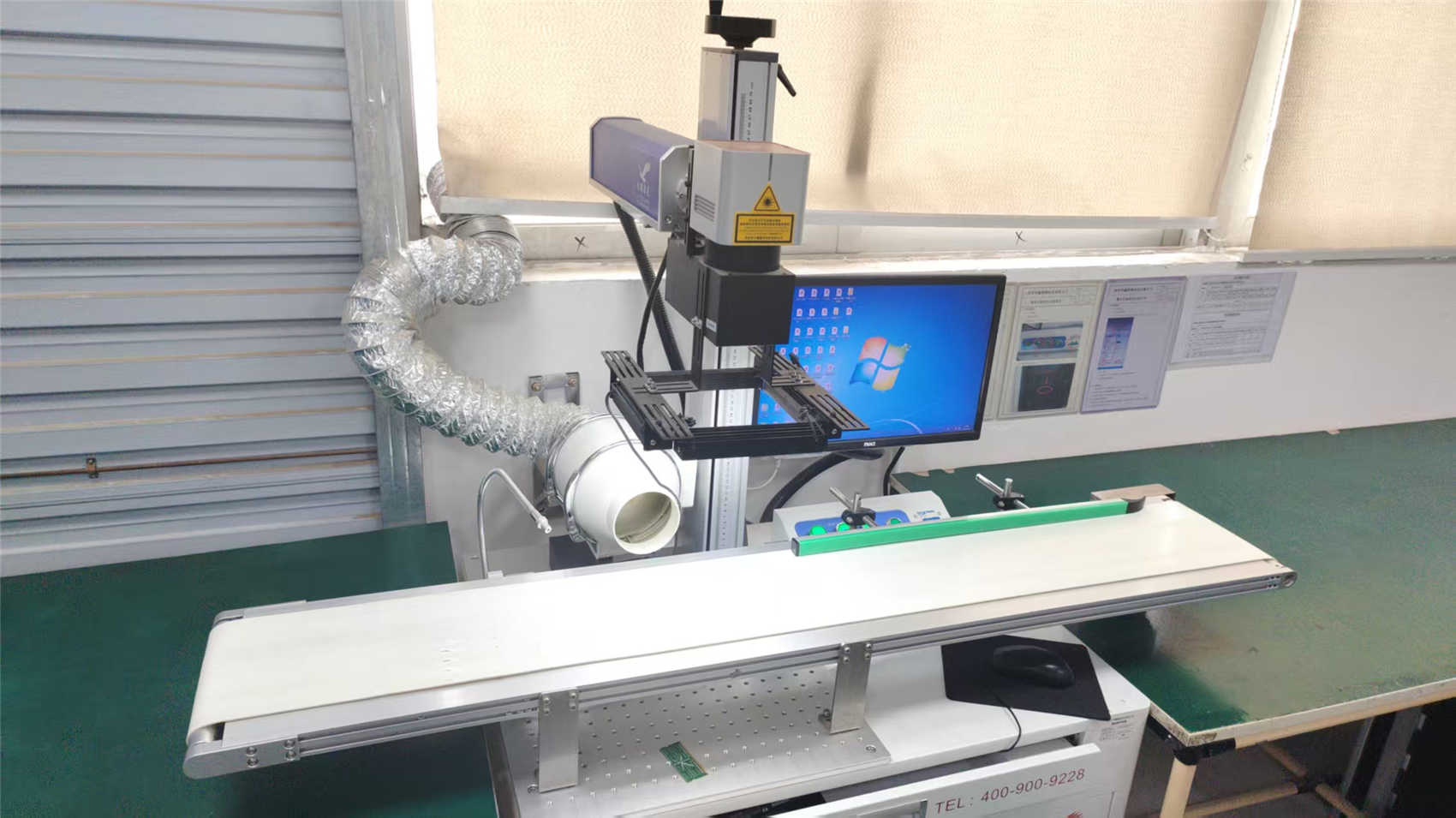
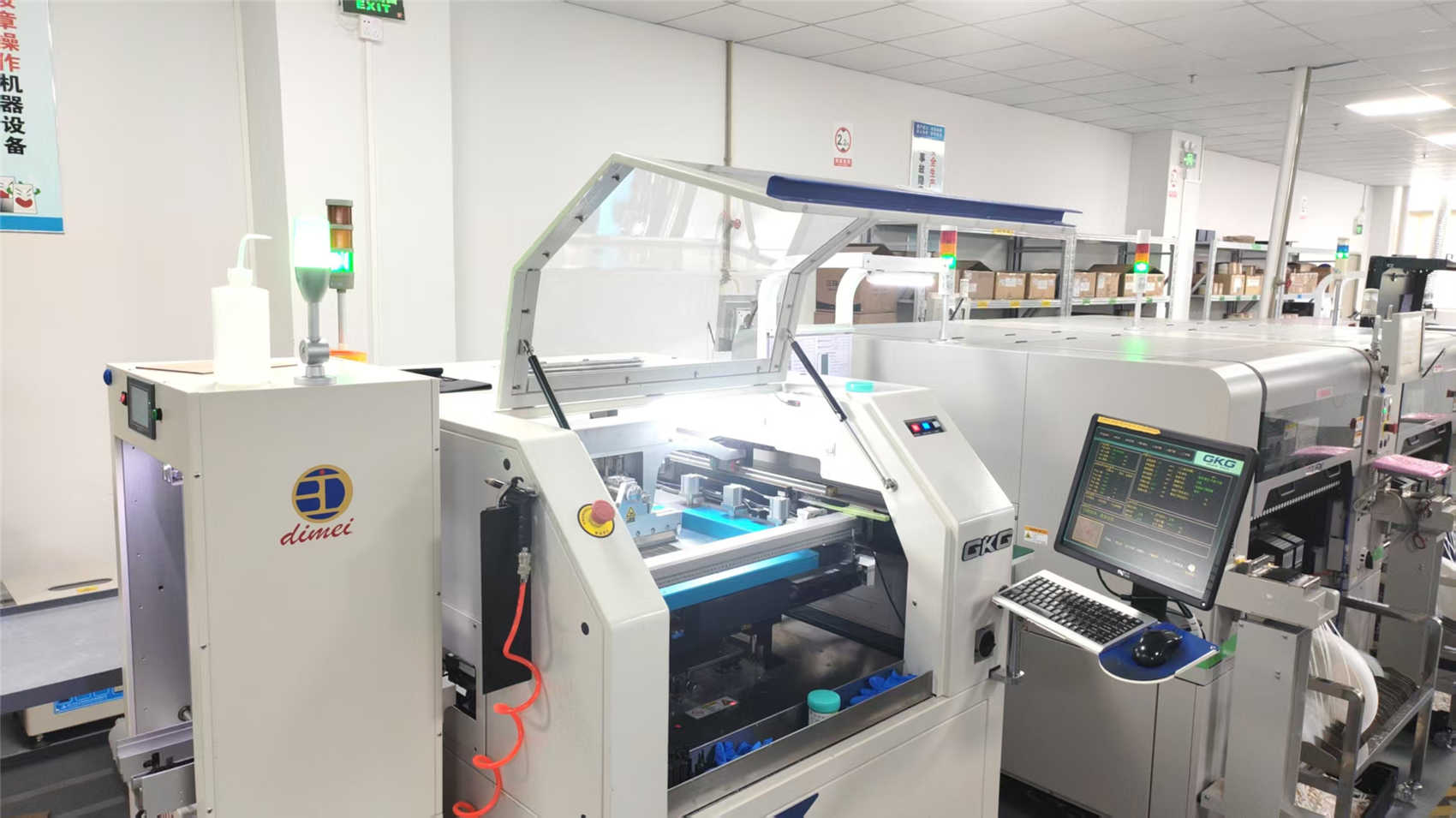
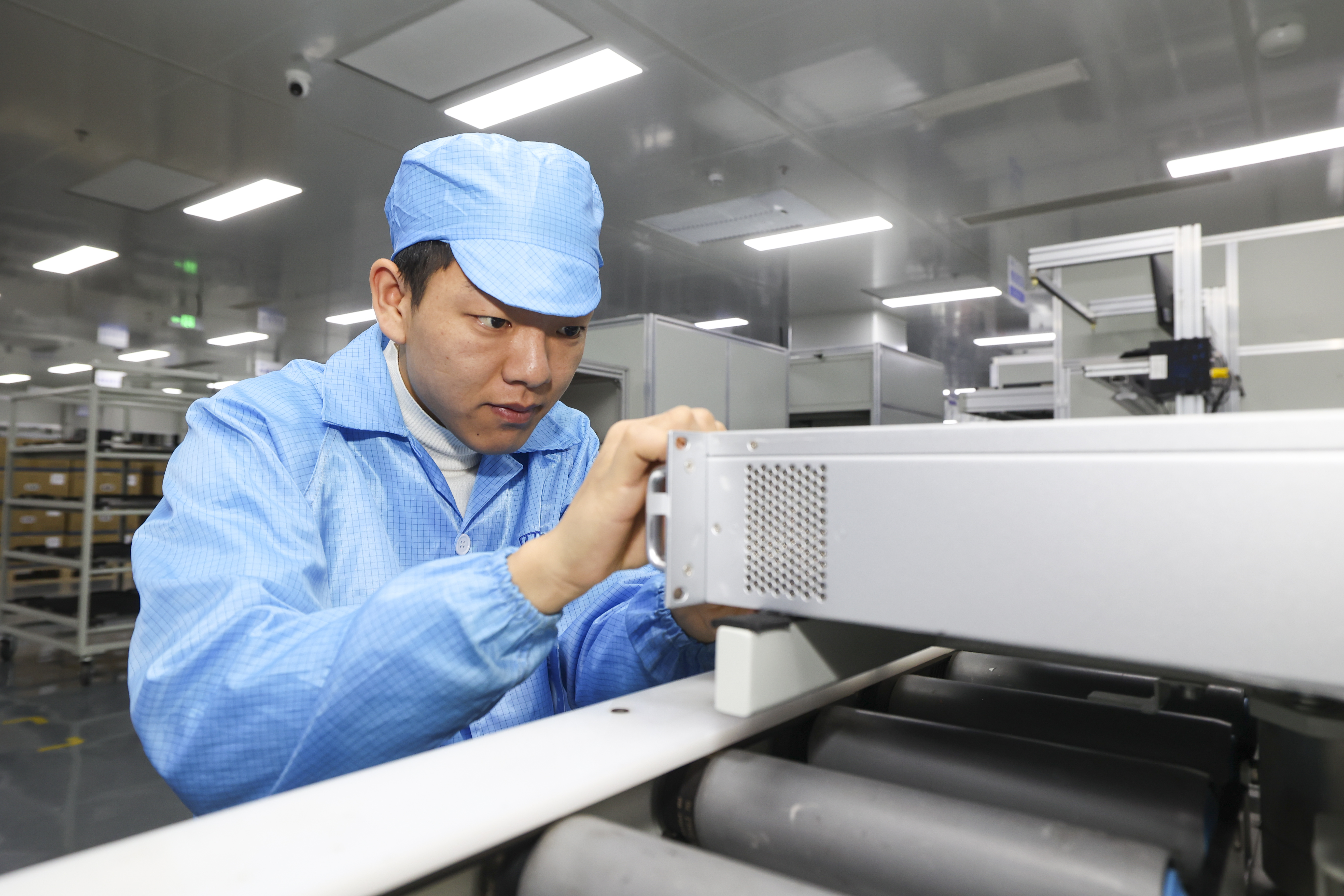
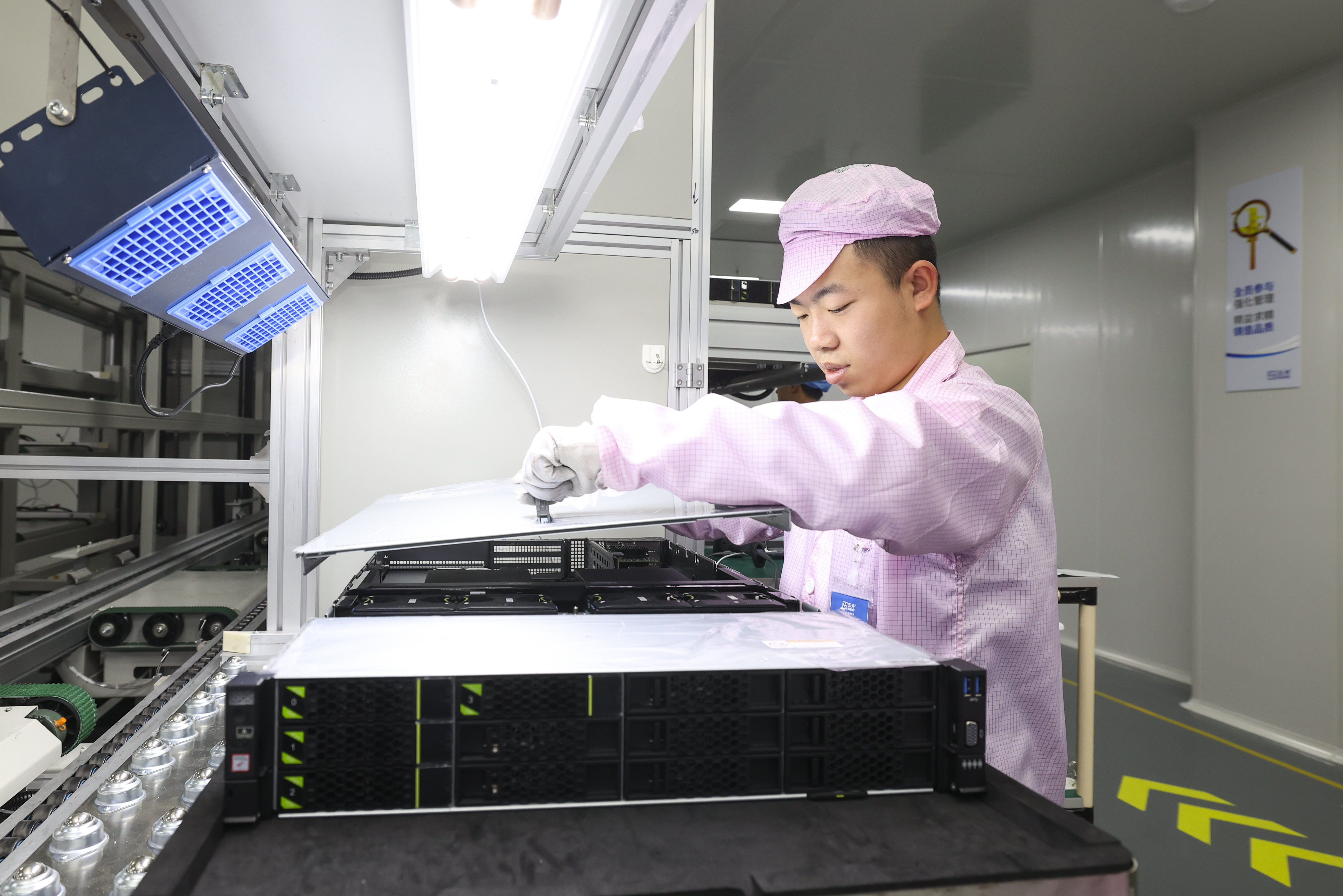
The company operates a modern manufacturing facility with a total building area of approximately 320㎡, equipped with advanced production and testing equipment to ensure strict quality control standards. CoreByte has an annual export revenue of around USD 12 million, with 6 years of export experience and over 9 years of industry experience in memory and semiconductor-related solutions.
Quality assurance is a core priority at CoreByte. The company implements ISO9001-based quality management systems, combined with automated optical inspection (AOI) and high-temperature aging tests to ensure product stability and compatibility. The quality control team consists of 45 dedicated inspectors, ensuring every batch meets international performance standards.
CoreByte maintains a strong trade-oriented business background, serving key markets including North America, Europe, Southeast Asia, and the Middle East. The company has established a reliable global supply chain network with more than 1,200 supply chain partners, supporting stable production and fast delivery.
Its primary customers include OEM system integrators, server manufacturers, industrial computer brands, and data center solution providers. With strong engineering capabilities, CoreByte offers advanced customization services, including PCB design optimization, frequency tuning, thermal solution adjustment, and branding customization.
The company invests heavily in innovation, with 85 R&D engineers and launching approximately 120 new product models annually to meet evolving market demands in AI computing, cloud infrastructure, and high-performance gaming systems.
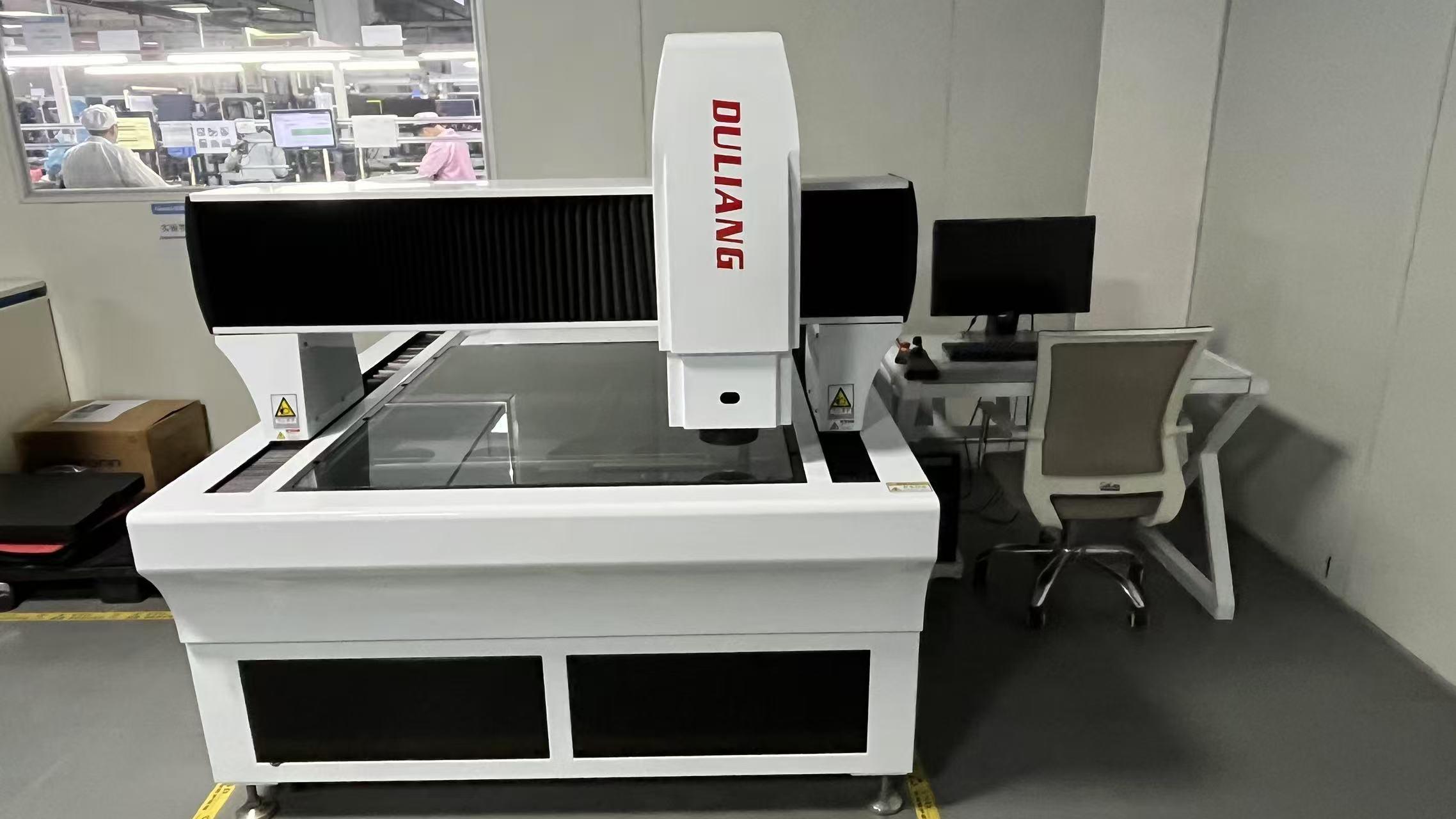
Expert technical insights regarding hardware components, storage modules, and physical architecture in modern robotic integrations.
Traditional industrial robots are high-speed, heavy-payload machines designed to operate inside safety enclosures to protect human workers. Collaborative robots (cobots) are engineered with integrated safety sensors, force-torque feedback loops, and collision detection systems. This design allows them to operate directly alongside humans in shared workspaces. Consequently, cobot control systems require significantly higher local computing capacities and fast, error-free memory systems (such as ECC RAM) to process safety algorithms dynamically.
DDR5 memory offers twice the bandwidth of DDR4, enabling faster data processing from vision systems and range sensors. ECC (Error-Correcting Code) is critical because industrial environments generate electrical noise and thermal stress, which can cause single-bit memory errors. In a standard computer, a bit error might result in a software crash. In a robotic system, a control loop failure could lead to physical damage or injury. ECC identifies and corrects these errors in real-time, maintaining high operational safety.
High-performance processors in robotic controller cabinets generate significant thermal energy. If the heat is not dissipated efficiently, the CPU will automatically reduce its operating frequency (thermal throttling) to protect itself from damage. This throttling increases command latency, which can halt the robot's operation or trigger safety alarms. Employing server-grade air-cooled and liquid-cooled blocks ensures consistent CPU performance, maintaining system stability during continuous operations.
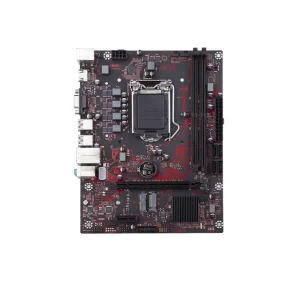
We do not recommend using consumer-grade hardware for industrial applications. Industrial environments involve persistent vibrations, dust, temperature variations, and electrical fluctuations. Industrial-grade memory and motherboards are built with higher-quality materials, support wider operating temperatures, feature specialized power delivery phases, and offer long-term availability. This guarantees hardware compatibility and system longevity over years of deployment.
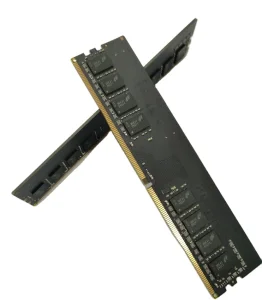
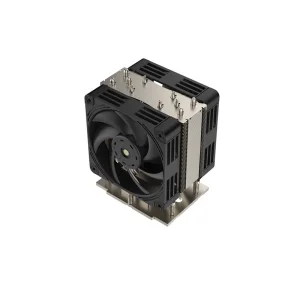
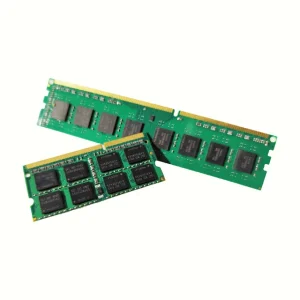
Explore our full line of memory modules, cooling options, and specialized motherboards built for enterprise, data centers, and industrial automation control systems.
 CoreByte