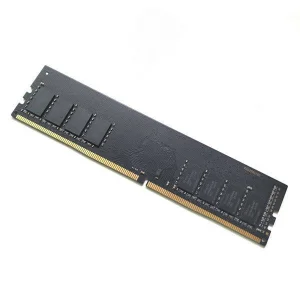
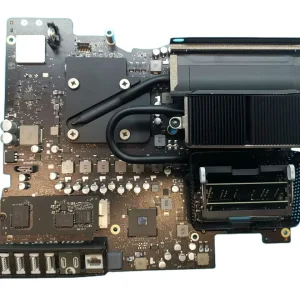
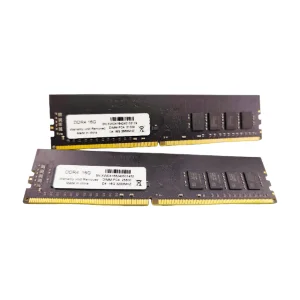
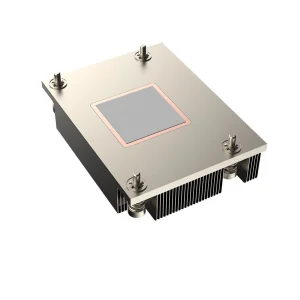
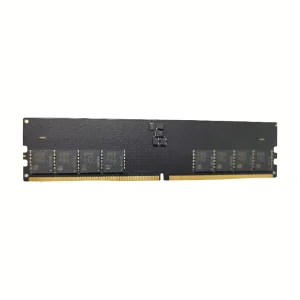
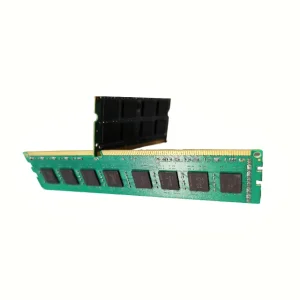
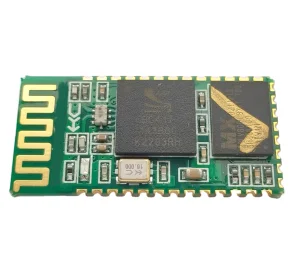
Explore our premium grade server and client module components engineered for strict operational compatibility and maximum bandwidth output.
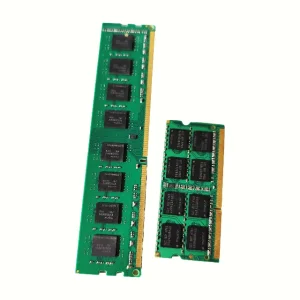
A Technical Assessment of Semiconductor Evolution, OEM Adaptability, and Edge Computing Requirements.
Global manufacturing networks rely heavily on high-speed DRAM modules to process edge telemetry. Industrial upgrades require rigorous thermal compliance to prevent signal degradation under sustained computational loads.
Modern CPU architectures command multi-channel configuration frameworks. DDR5 technology, transitioning from DDR4, brings double the burst length and independent dual 32-bit subchannels to significantly bypass data queues.
Error-Correcting Code (ECC) remains the cornerstone of enterprise systems, shielding databases from single-bit soft errors. CoreByte provides robust dynamic checking to ensure continuous, error-free operations.
By the numbers: Understanding our capacity to deliver zero-defect storage and memory modules globally.
How the market is transitioning from legacy DDR3 and DDR4 structures into JEDEC-compliant DDR5 topologies.
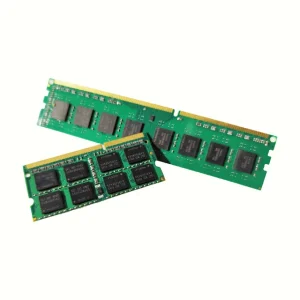
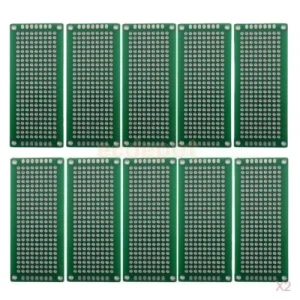
Unlike previous iterations where power management was integrated into the motherboard architecture, DDR5 shifts the Power Management Integrated Circuit (PMIC) directly onto the memory module PCB. This hardware relocation allows for far superior power regulation, cleaner electrical noise cancellation, and a drop in native operating voltage to 1.1V from DDR4's 1.2V baseline. Our engineering teams utilize high-frequency multilayer PCBs (including advanced FR4 double-sided designs) to guarantee trace routing complies with strict JEDEC impedance rules.
The transition to high-density DRAM chips requires a shift in error mitigation strategies. On-die ECC is natively present on standard DDR5 chips, performing bit-error correction inside the silicon die itself to maximize wafer yields and reduce bit-flips at the physical cell level. For mission-critical servers, we implement Side-Band ECC (ECC with extra data lanes) to protect data in transit between the processor and the DRAM array, delivering maximum data protection.
Aligning memory architectures to specific industrial verticals, optimizing performance for edge, cloud, and local operations.
Modern data centers handle highly parallelized container environments. Our DDR4/DDR5 high-capacity server ECC modules prevent virtual machine crashes and support high-frequency virtualization.
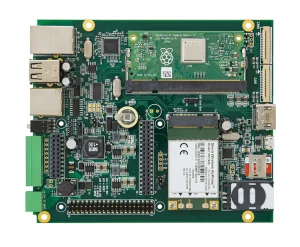
Industrial systems (like PLC controllers and factory management modules) require components with high vibration resistance and extended life cycles. CoreByte designs custom PCBA architectures to survive challenging shop-floor conditions.
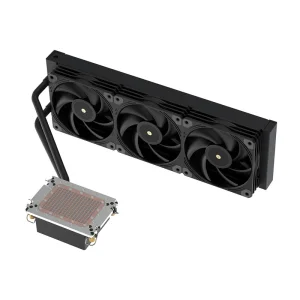
Esports systems and workstations rely heavily on thermal dissipaters and over-clocking. High-frequency options (up to 6000MHz) combined with high-grade aluminum heat sinks maintain peak gaming frame rates.
A trusted DRAM solution manufacturer serving international markets with strict quality protocols.
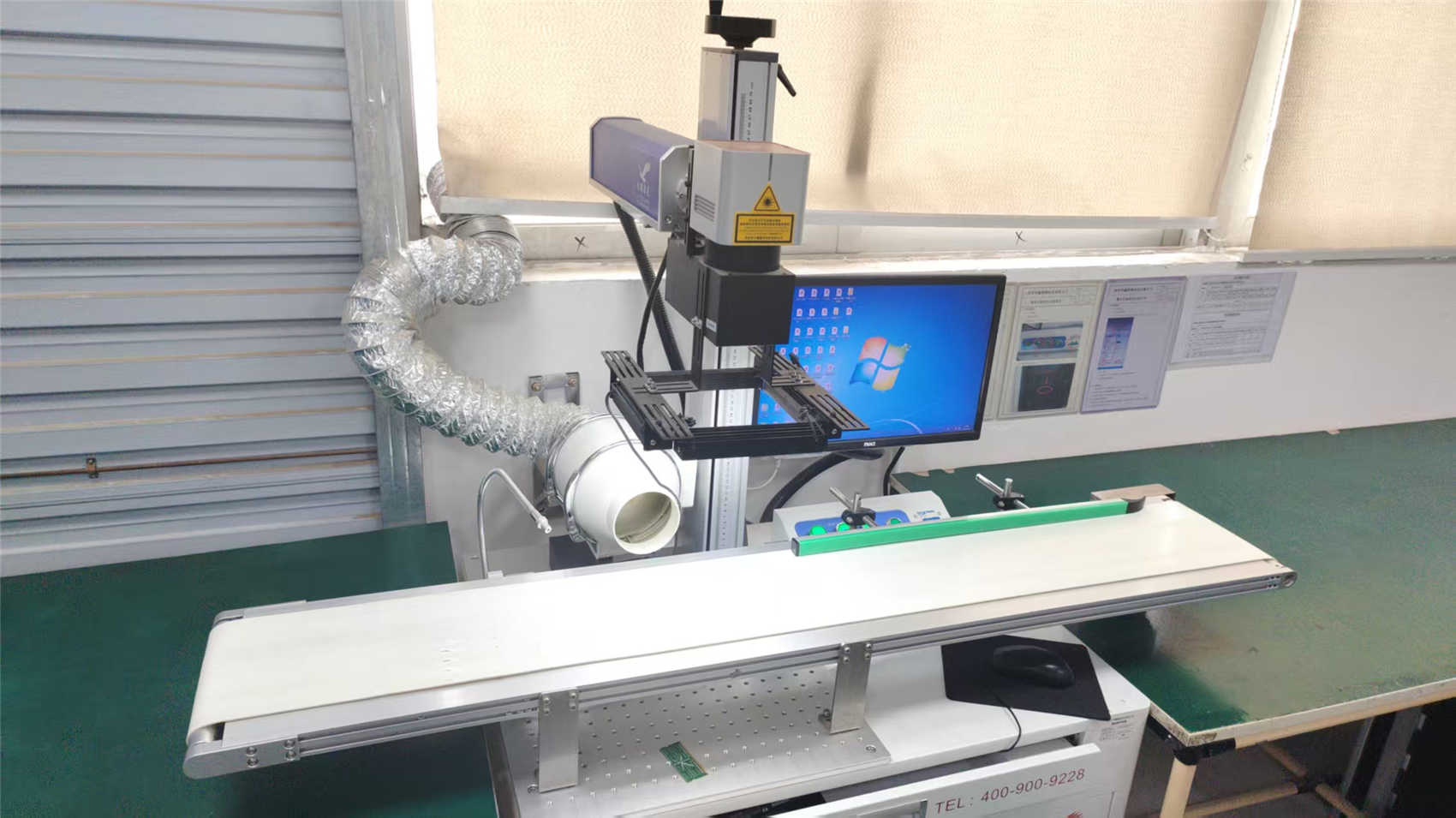
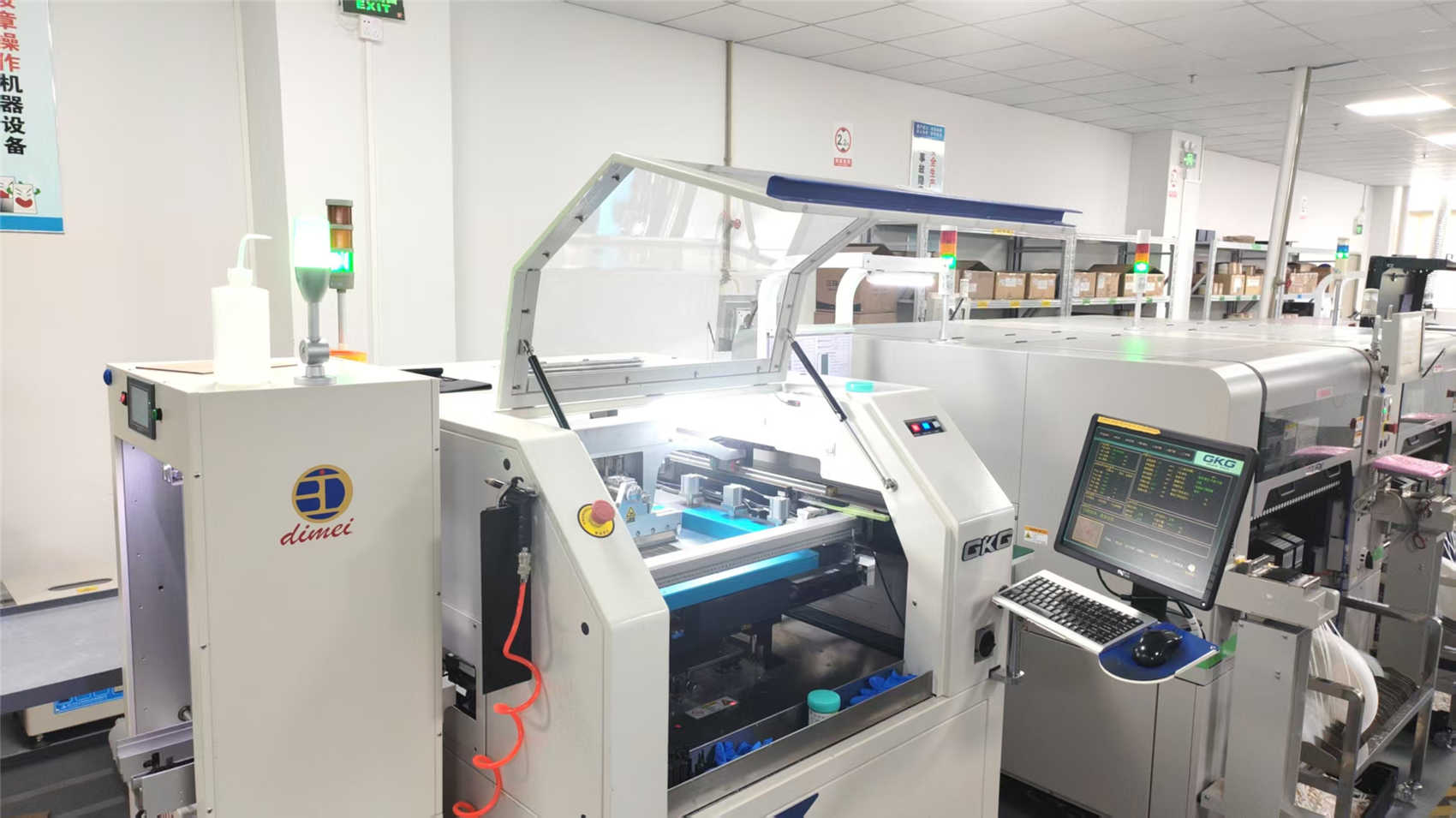
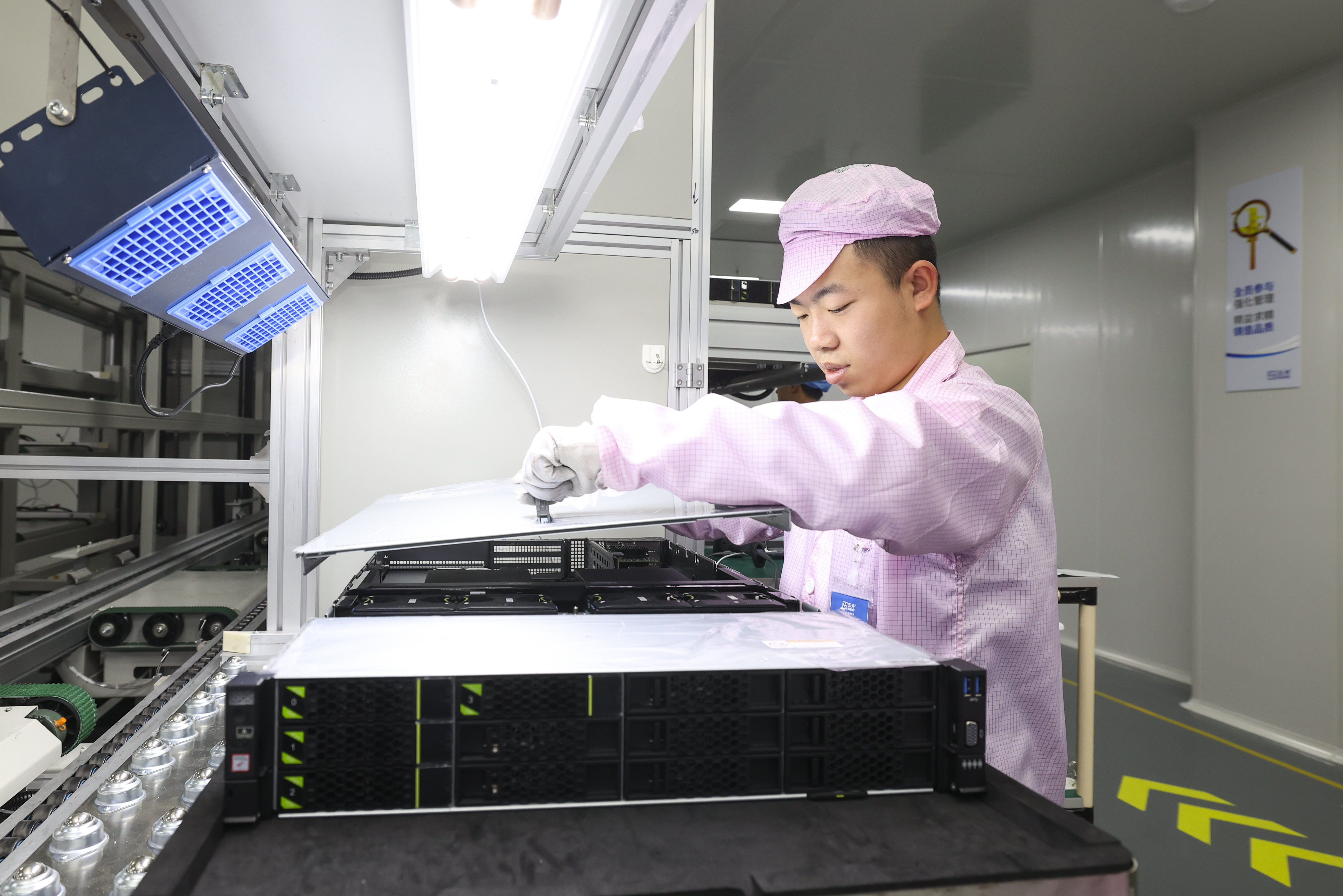
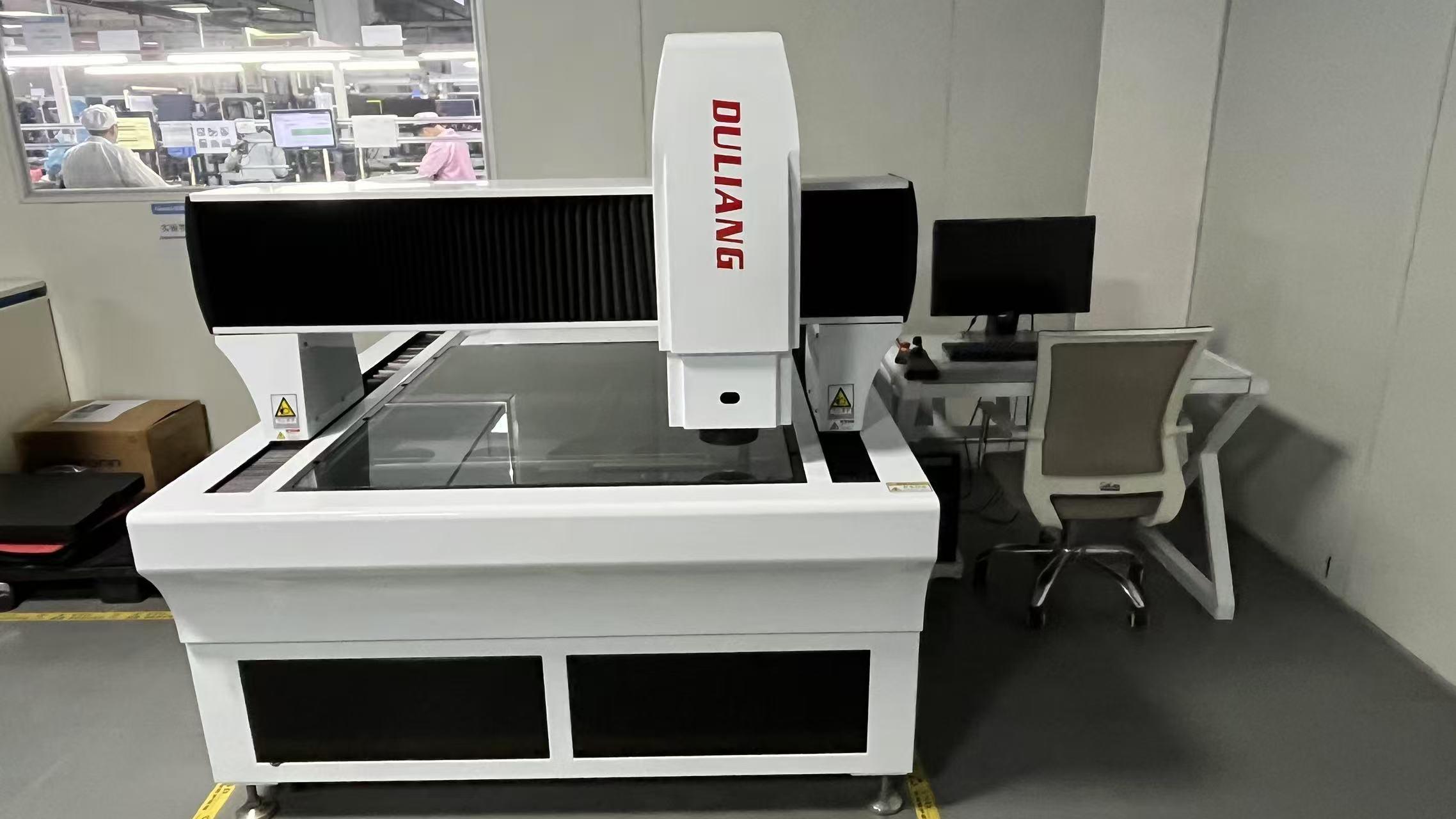
Operating from a facility with a total footprint of approximately 320㎡, CoreByte utilizes advanced surface mount technology (SMT) and validation machinery to ensure precise manufacturing tolerances. Our annual export revenue has reached approximately USD 12 million, proving our strong capability to supply high-performance parts to international systems integrators.
We implement ISO9001-based quality management systems across all production stages. Automated Optical Inspection (AOI) combined with high-temperature aging tests ensures each memory module maintains consistent performance under load. With 45 dedicated quality inspectors and 85 R&D engineers, we launch about 120 new product models annually to support technologies like AI compute and cloud storage.

Expert insights into selecting, designing, and optimizing memory configurations for modern hardware architectures.
DDR5 achieves much higher speeds by splitting the internal memory module into two independent 32-bit channels (36-bit for ECC), which doubles the burst length from 8 to 16. This design allows the memory controller to access twice as much data per clock cycle, minimizing bus latency and supporting higher transfer speeds starting at 4800MHz.
On-Die ECC corrects bit errors within the DRAM chip itself before sending data to the system, which is standard on all DDR5 chips to manage high silicon density. Side-Band ECC uses extra memory chips on the module to protect data while it is in transit to the CPU. This provides complete end-to-end data integrity for critical enterprise server applications.
Placing the Power Management Integrated Circuit (PMIC) directly on the memory module allows for much better power regulation and control. This design minimizes voltage drops, filters out motherboard electrical noise, and ensures stable performance at high operational frequencies.
We perform extensive cross-platform validation on Intel, AMD, and ARM architectures. Every production batch undergoes Automated Optical Inspection (AOI) and high-temperature aging tests, ensuring reliable compatibility with major motherboard brands and system BIOS configurations.
We provide full-service customization, including PCB design optimization, SPD programming, frequency tuning, custom thermal solutions, and private label branding. Supported by our team of 85 R&D engineers, we can quickly take custom memory and controller designs from prototype to volume production.
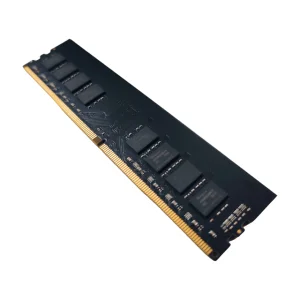
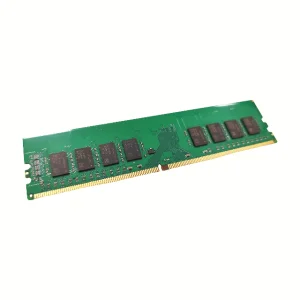
Explore our industrial PCB designs, customized motherboards, and specific system memory solutions.
 CoreByte