In the world of computer memory, the distinction between RDIMM and LRDIMM is crucial. Both types serve a similar purpose but possess different characteristics. Renowned memory expert Dr. Jane Smith noted, "Understanding the RDIMM vs LRDIMM difference can significantly impact your system's performance."
RDIMM, or Registered DIMM, offers stability through a register that helps manage larger memory loads. This makes it suitable for servers demanding reliability. On the other hand, LRDIMM, Load-Reduced DIMM, reduces electrical load on the memory controller. This leads to higher memory density and improved performance.
However, many users overlook these differences. This lack of awareness can lead to suboptimal system choices. Reflecting on hardware needs is vital. An informed choice could maximize efficiency and performance in crucial computing scenarios. Understanding these nuances is essential for anyone involved in computer architecture or server management.
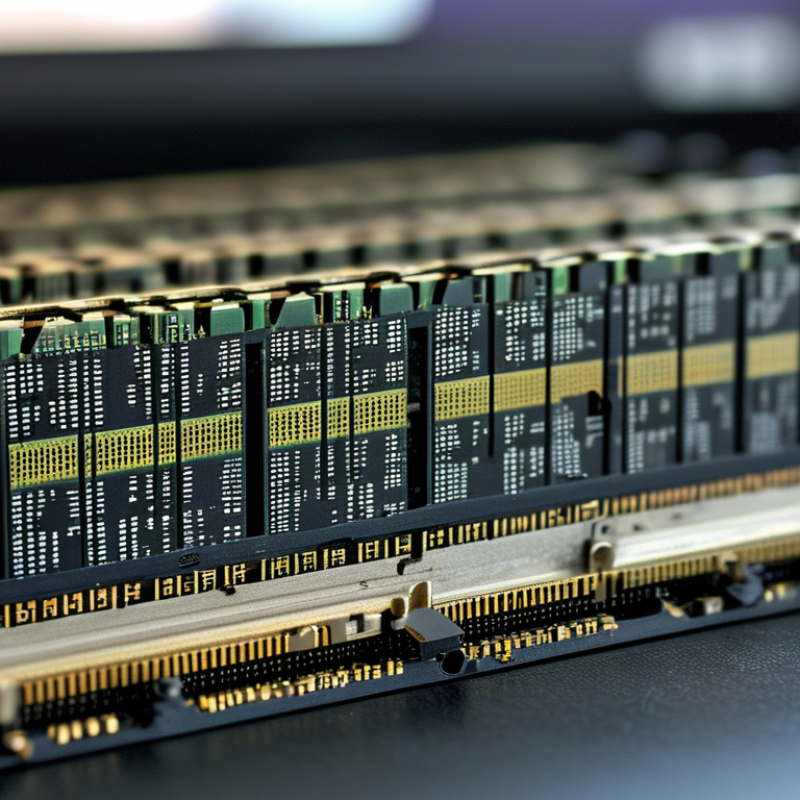
Overview of RDIMM and LRDIMM Memory Types
RDIMM and LRDIMM are two prevalent memory types in modern servers. Both are designed for high-performance computing, yet they differ significantly in architecture and application. RDIMMs, or Registered DIMMs, utilize a register to manage memory. This allows for more efficient communication between the CPU and RAM, enhancing speed and stability. Conversely, LRDIMMs, or Load-Reduced DIMMs, offload some of the electrical load from the memory controller. This innovation supports higher memory densities and speeds, making LRDIMMs a popular choice for data-intensive applications.
Data from industry reports indicates that LRDIMMs can support up to 128GB per module, while RDIMMs typically max out around 64GB. Furthermore, LRDIMMs can achieve higher performance levels due to their ability to handle larger memory capacities in multi-processor systems. This can lead to significant improvements in workloads requiring large data sets. However, RDIMMs remain relevant due to their lower latency and compatibility with legacy systems.
**Tip:** When choosing memory modules, consider your server's workload. If you handle vast data sets, LRDIMMs are ideal. For traditional applications, RDIMMs may suffice. Reliability is crucial in memory selection, as system performance can degrade if mismatched types are used. Additionally, monitoring your memory's performance using diagnostic tools can help optimize system efficiency.
Understanding the Difference Between RDIMM and LRDIMM Memory
| Category |
RDIMM |
LRDIMM |
| Capacity |
Up to 64 GB per module |
Up to 128 GB per module |
| Memory Type |
Registered DIMM |
Load Reduced DIMM |
| Signal Integrity |
Higher latency |
Lower latency |
| Memory Bandwidth |
Moderate bandwidth |
Higher bandwidth |
| Power Consumption |
Standard |
Lower power consumption |
| Use Case |
Enterprise servers with moderate workloads |
High-performance computing and data centers |
Key Features of RDIMM Memory
RDIMM (Registered DIMM) memory is a key player in modern server performance. It utilizes a register between the memory controller and DRAM modules. This helps reduce the load on the memory controller, allowing for higher memory capacities and improved stability. RDIMMs can support larger configurations, making them ideal for server environments requiring extensive memory.
Key features of RDIMM memory include error correction capabilities. ECC (Error-Correcting Code) technology enhances data integrity by detecting and correcting common memory errors. This feature is crucial in mission-critical applications. Additionally, RDIMMs offer lower power consumption compared to unbuffered DIMMs. This contributes to overall energy efficiency in server operations.
Another aspect to consider is the heat generation. While RDIMMs are efficient, they still produce heat. Proper cooling systems are essential to maintain optimal performance. When evaluating memory options, it’s vital to strike the right balance between features and system requirements. This ensures that you select the most suitable memory type for your specific needs.
Key Features of LRDIMM Memory
LRDIMM (Load-Reduced Dual Inline Memory Module) has gained traction in data centers due to its unique features. Unlike traditional RDIMM, LRDIMM reduces the load on the memory controller, allowing more memory to be installed per server. This is crucial as server demands continue to rise. Research shows that LRDIMMs can support up to 128GB per module, which significantly enhances memory capacity.
One of the key features of LRDIMM is its buffering technology. This ensures better signal integrity over longer distances, making it ideal for high-density memory configurations. A report by Data Center Technology Insights states that LRDIMMs can improve bandwidth performance by 10-15% compared to RDIMMs, particularly under heavy workloads. This means servers equipped with LRDIMM can handle larger data sets more efficiently.
Moreover, while LRDIMMs offer these advantages, they come with increased complexity. Implementing LRDIMMs requires careful planning to ensure compatibility. Some users might overlook these needs, leading to potential issues. Understanding the distinct characteristics of LRDIMM is essential for optimal performance in high-demand environments.
Comparative Analysis of Performance and Capacity
When comparing RDIMM and LRDIMM memory types, performance and capacity are key factors. RDIMMs, or Registered DIMMs, offer stability and support for larger memory configurations. They are commonly used in enterprise servers. According to a report by IDC, RDIMMs provide reliable performance for workloads that require consistent access to data. However, they typically have limited capacity compared to LRDIMMs.
On the other hand, LRDIMMs, or Load-Reduced DIMMs, allow for higher memory capacity. They can support up to 128GB per module, making them a good choice for memory-intensive applications. According to Memory Technology Strategic Report 2023 by DRAMeXchange, LRDIMMs can improve performance in large data center environments by reducing electrical load. This means they can maintain high speeds while managing larger memory pools effectively.
Tip: When selecting memory modules, consider your workload. If your server demands high capacity, LRDIMMs might be the better option. It's essential to ensure compatibility with your motherboard. Also, be aware that LRDIMMs may be more expensive due to their advanced technology.
In practice, balancing performance and capacity means assessing your needs. Some users report that RDIMMs are easier to manage. However, the scalability offered by LRDIMMs can be transformative in growing environments. Always evaluate your infrastructure before deciding.
Ideal Use Cases for RDIMM vs LRDIMM
When choosing between RDIMM and LRDIMM memory, understanding their ideal use cases is crucial. RDIMM, or Registered DIMM, contains a register between the DRAM modules and the memory controller. This design enhances stability, making RDIMMs suitable for servers and workstations. They efficiently handle multiple memory modules, providing reliable performance for applications like virtualization and large databases. Their error-correcting code support makes them favored in mission-critical environments.
On the other hand, LRDIMM, or Load-Reduced DIMM, offers a significant advantage in high-density settings. With a buffer that reduces electrical load, LRDIMMs allow for greater memory capacity per slot. This feature is vital for applications requiring substantial memory resources, such as heavy data analytics and high-performance computing. LRDIMMs tend to outperform RDIMMs in multi-channel memory configurations. However, their complexity might lead to challenges in compatibility and troubleshooting.
Choosing between these two types of memory involves weighing factors like capacity, performance requirements, and system compatibility. While RDIMMs are a safe bet for most traditional server setups, LRDIMMs shine in specialized, high-demand tasks. However, understanding each option's limitations ensures that the right choice aligns with specific operational needs.
Comparison of RDIMM and LRDIMM Memory Performance
FAQS
: LRDIMM stands for Load-Reduced Dual Inline Memory Module. It reduces the load on memory controllers.
LRDIMM can support up to 128GB per module. This significantly enhances overall memory capacity in servers.
LRDIMMs improve bandwidth performance by 10-15%. They handle larger data sets more efficiently under heavy workloads.
LRDIMMs require careful planning for compatibility. Overlooking this can lead to potential issues in implementation.
RDIMMs are ideal for traditional server setups and reliable performance. They are easier to manage in many cases.
LRDIMMs suit applications needing substantial memory, like heavy data analytics and high-performance computing tasks.
Yes, LRDIMMs have increased complexity. This can pose challenges in troubleshooting and compatibility.
RDIMMs feature a register that enhances stability, making them reliable for mission-critical applications.
Yes, LRDIMMs may be more expensive than RDIMMs. Consider your workload and budget before deciding.
Evaluate your infrastructure and specific workloads. Balancing performance and capacity is crucial for making the best choice.
Conclusion
The article "Understanding the Difference Between RDIMM and LRDIMM Memory" offers a detailed exploration of two prominent memory types used in servers and workstations. It begins with an overview of RDIMM (Registered DIMM) and LRDIMM (Load-Reduced DIMM) memory types, highlighting their role in enhancing data processing capabilities. The piece continues by outlining the key features of RDIMM, such as its reliability and lower cost, and LRDIMM, known for its higher capacity and improved performance through reduced load on the memory bus.
A comparative analysis of the performance and capacity of these two memory types illustrates the RDIMM vs LRDIMM difference, showcasing how LRDIMM can support larger memory configurations, making it ideal for memory-intensive applications. The article concludes with ideal use cases for each memory type, helping readers determine which option best fits specific server requirements, thus guiding decisions on memory upgrades in modern computing environments.

 CoreByte