As technology evolves, memory performance becomes crucial for users worldwide. DDR5, the latest memory standard, offers significant enhancements in speed and efficiency. "DDR5 revolutionizes how users experience computing," says Dr. Emily Hart, an expert in memory technologies. Her insights highlight the impact of DDR5 on overall system performance.
How DDR5 improves performance is evident through its unique architecture. It doubles the bandwidth compared to its predecessor, DDR4. This change translates into faster data transfers, allowing applications to run smoothly. Additionally, DDR5's improved power efficiency ensures that devices can maintain performance without overheating.
Many buyers notice the difference right away. Gaming, video editing, and heavy multitasking benefit immensely. However, not all users may need such high performance. Some might not fully utilize DDR5's capabilities. Reflecting on individual needs can help buyers make informed choices.
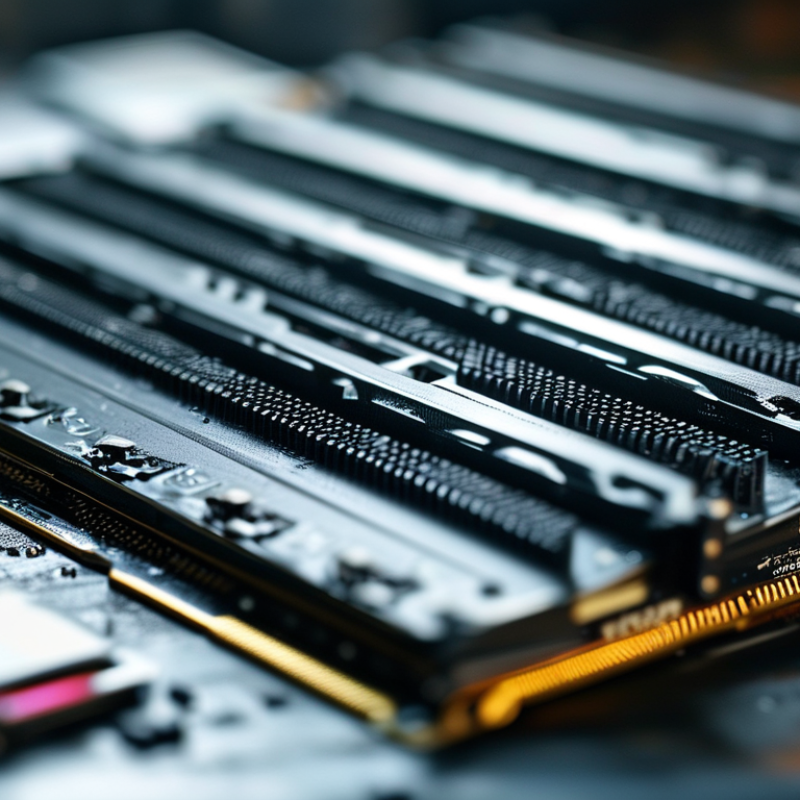
Introduction to DDR5 Technology and Its Evolution
DDR5 technology marks a significant evolution in memory performance. With the ability to support higher frequencies, DDR5 delivers improved data rates of up to 6400 MT/s compared to its predecessor, DDR4, which maxes out at 3200 MT/s. This shift not only enhances bandwidth but also allows for greater efficiency in data handling. According to industry reports, DDR5 can yield a 50% increase in performance for memory-intensive applications.
One notable feature of DDR5 is its improved efficiency in power management. While maintaining high speeds, it operates at a lower voltage of 1.1V, reducing energy consumption. This aspect is vital for data centers and high-performance computing systems, where power efficiency is critical. The Technology and Solutions Report noted that transitioning to DDR5 could lead to a potential 20% reduction in energy costs compared to previous generations.
However, the adoption of DDR5 does not come without challenges. As with any new technology, compatibility issues arise, especially in existing infrastructure. Buyers must carefully consider the ecosystem of their current devices. Many are in a wait-and-see mode, evaluating whether the performance gains justify the investment. As more motherboards and systems support DDR5, further analysis will be necessary to gauge long-term benefits versus initial costs.
How Does DDR5 Boost Performance for Global Buyers?
| Feature |
DDR4 |
DDR5 |
Performance Improvement |
| Data Rate |
Up to 3200 MT/s |
Up to 8400 MT/s |
2.6x |
| Memory Bandwidth |
25.6 GB/s |
67.2 GB/s |
2.6x |
| Capacity per Module |
8 GB |
Up to 64 GB |
8x |
| Power Consumption |
1.2V |
1.1V |
Less Power |
| Latency |
15-20 ns |
10-15 ns |
Lower Latency |
Key Performance Enhancements Offered by DDR5 over DDR4
DDR5 RAM brings significant improvements over its predecessor, DDR4. One major enhancement is its data transfer rate. DDR5 offers double the bandwidth, reaching speeds of 4800 MT/s or higher. This increased speed boosts performance in demanding applications. Users can expect faster load times and smoother multitasking.
Latency is also improved, though not dramatically. DDR5 has tighter timing than DDR4. This translates to better responsiveness in real-time applications. For gamers and content creators, this can make a noticeable difference. However, some users report that the latency benefits might not be immediately apparent.
Power efficiency is another key feature. DDR5 operates at a lower voltage, approximately 1.1V compared to 1.2V for DDR4. This leads to reduced power consumption, making it ideal for laptops and portable devices. While the power savings are beneficial, the actual performance gain can depend on system architecture. Not everyone will see the same results. It's essential to evaluate individual needs before upgrading.
Impact of DDR5 on Gaming and High-Performance Computing
DDR5 technology significantly enhances performance in gaming and high-performance computing. With speeds reaching up to 8400 MT/s, it offers more bandwidth compared to its predecessor, DDR4. This upgrade translates to quicker data processing, a critical factor for gamers and professionals alike. A study by JEDEC indicates that DDR5 can provide up to 50% more bandwidth, allowing for smoother gameplay and faster rendering in graphic-intensive applications.
Moreover, DDR5 introduces features such as on-die ECC (Error Correction Code), which improves reliability. This can have a significant impact in high-performance computing environments where data integrity is crucial. Users may notice a drastic reduction in crashes during intense workloads. However, the transition to DDR5 may present challenges. The initial costs of upgrading can be a barrier for some. Additionally, not all motherboards currently support DDR5.
The gaming community is already feeling DDR5's effects. Titles demanding high memory bandwidth can see substantial improvements in frame rates. Industry-specific benchmarks, like those from PassMark, reveal that systems equipped with DDR5 outperform those with DDR4 in scenarios like 3D rendering. However, users should consider the balance between upgrading and the cost-effectiveness of current systems.
Benefits of DDR5 for Data Centers and Cloud Computing
DDR5 memory offers significant advantages for data centers and cloud computing, revolutionizing performance metrics. With increased bandwidth and enhanced efficiency, DDR5 addresses the growing demands for speed and capacity in modern workloads. It can reach speeds of up to 8400 MT/s, allowing data centers to process larger datasets quickly. This improvement leads to reduced latency, a critical factor in time-sensitive applications.
Moreover, DDR5's power management capabilities optimize energy consumption. By operating at lower voltages, it conserves energy while delivering higher performance. This efficiency not only reduces operation costs but also addresses environmental concerns. However, some may find that transitioning to DDR5 requires a careful examination of existing infrastructure. Compatibility issues with older systems may arise, demanding thoughtful planning.
The scalability of DDR5 also merits attention. It supports a higher density of RAM modules, enabling data centers to accommodate burgeoning workloads without significant overhauls. Yet, organizations must remain aware of potential supply chain challenges. As the demand for DDR5 grows, ensuring a reliable supply will be essential. These considerations highlight the necessity for businesses to evaluate their current and future needs meticulously.
Impact of DDR5 on Performance for Data Centers and Cloud Computing
Market Adoption Trends and Future Prospects of DDR5
The adoption of DDR5 RAM is accelerating, marking a significant milestone in memory technology. According to a report by a leading semiconductor research firm, the global DDR5 memory market is projected to grow at a compound annual growth rate (CAGR) of over 30% from 2022 to 2027. This growth is driven by increased demand for high-performance computing, gaming, and data center applications. DDR5 offers higher bandwidth, improved energy efficiency, and greater capacity compared to its predecessor.
In recent months, various sectors have begun embracing DDR5 more thoroughly. For instance, the gaming industry has become a key driver, with game developers optimizing their software for higher memory capabilities. Additionally, new laptops and desktop PCs are increasingly shipping with DDR5, as manufacturers aim to enhance user experience. In fact, the share of systems using DDR5 is expected to reach 40% by the end of 2023, according to industry analysts.
However, challenges remain. Compatibility with existing hardware has limited broader adoption. Not all motherboards support DDR5, and this can deter users from upgrading. Furthermore, the price premium associated with DDR5 over DDR4 may hinder some consumers, particularly in budget segments. As the market evolves, addressing these barriers will be crucial for sustained growth. Enhancements in cost efficiencies and compatibility will likely influence future prospects for DDR5 memory adoption across various global markets.
FAQS
: DDR5 offers significantly higher speeds and bandwidth, enhancing data processing for gamers and professionals.
DDR5 can deliver up to 50% more bandwidth than DDR4, improving gameplay and rendering speeds.
DDR5 includes on-die ECC (Error Correction Code), which enhances data integrity and reduces crashes during heavy usage.
Yes, initial costs can be high, and not all motherboards support DDR5, which may limit some users.
Game developers are optimizing titles for DDR5, leading to better performance in memory-intensive games.
The global DDR5 market is projected to grow at over 30% CAGR, driven by gaming and high-performance computing demand.
More laptops and desktop PCs are being released with DDR5 to enhance user experiences in gaming and computing.
It's estimated that about 40% of systems will incorporate DDR5 by the end of this year.
Pricing and compatibility issues with existing hardware could slow down broader adoption among consumers.
Weighing the cost-effectiveness and benefits of current systems is essential before deciding on an upgrade.
Conclusion
The article "How Does DDR5 Boost Performance for Global Buyers?" explores the advancements brought about by DDR5 technology, highlighting its evolution from DDR4. It emphasizes key performance enhancements, such as increased data transfer rates and improved bandwidth, which significantly elevate system efficiency.
Additionally, the article delves into the impact of DDR5 on gaming and high-performance computing, underscoring its capacity to provide smoother experiences and faster processing. The benefits of DDR5 extend to data centers and cloud computing, offering enhanced reliability and reduced latency. Finally, the article discusses market adoption trends and the promising future prospects of DDR5, illustrating how DDR5 improves performance and solidifies its role in the rapidly evolving tech landscape.

 CoreByte