As the tech industry evolves, the comparison of DDR5 latency vs DDR4 is becoming increasingly significant. Many gamers and professionals seek optimal performance from their systems. DDR5 promises enhanced speeds and efficiency, raising questions about its latency advantages over DDR4. According to a recent report by TechInsights, DDR5 offers improvements in memory bandwidth, but the latency implications are nuanced.
Expert Dr. Lisa Grant, a leading memory technology analyst, stated, “Higher bandwidth doesn’t automatically mean lower latency.” This highlights the complex relationship between these two memory types. While DDR5 can increase data transfer rates, its impact on latency needs careful evaluation. Reports show that while DDR5 latency is often higher than DDR4, the real-world performance can vary based on applications.
The ongoing debate in the industry revolves around specific use cases where the difference in latency matters. Applications like gaming and data-intensive tasks may benefit from the superior bandwidth of DDR5. However, for others, the established performance of DDR4 may still suffice. Therefore, understanding DDR5 latency vs DDR4 is paramount in making informed decisions for optimal performance.
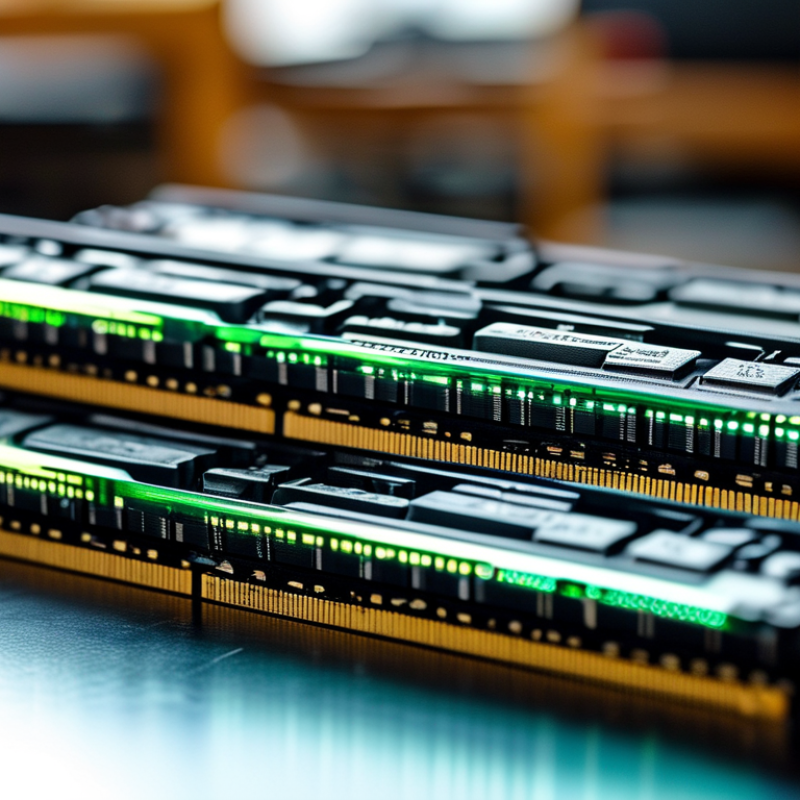
Understanding DDR4 and DDR5: Key Differences in Latency
Understanding DDR4 and DDR5: Key Differences in Latency
Latency is a critical factor in assessing DRAM performance. DDR4 and DDR5 exhibit distinct latency characteristics that can influence user experience. DDR4 offers a CAS latency typically between 14 and 20, while DDR5 usually has a higher CAS latency of 28 or more. This higher number might suggest slower performance, but it’s not the whole story. DDR5 compensates with increased bandwidth, potentially offsetting its higher latency in real-world applications.
Experts note that DDR5 can deliver up to 6400 MT/s, as opposed to DDR4’s maximum of around 3200 MT/s. This significant bandwidth increase means that DDR5 can transfer more data over time, which is especially beneficial for tasks like gaming or data-heavy applications. According to a recent report by industry analysts, the impact of bandwidth starts to outweigh latency as workloads become more demanding. Thus, while DDR5 has higher latency, its improved bandwidth can lead to better overall performance in many scenarios.
Importantly, the optimal choice between DDR4 and DDR5 depends on user requirements. For gaming, where frame rates and responsiveness matter, DDR5's benefits are more pronounced. In contrast, for basic tasks, DDR4 may still perform adequately, making the higher cost of DDR5 less justified. This ongoing debate highlights the necessity for users to evaluate their specific needs and workload types before making a decision. The complexity of memory performance warrants further reflection and research.
How to Compare DDR5 Latency vs DDR4 for Optimal Performance?
| Dimension |
DDR4 |
DDR5 |
| Data Rate |
Up to 3200 MT/s |
Up to 8400 MT/s |
| Latency (CL) |
16-22 |
30-40 |
| Voltage |
1.2 V |
1.1 V |
| Bandwidth |
Up to 25.6 GB/s |
Up to 67.2 GB/s |
| Features |
Single Channel Architecture |
Dual Channel Architecture, On-Die ECC |
Measuring Latency: How to Assess DDR4 vs DDR5 Performance
Measuring latency is critical in understanding the difference between DDR4 and DDR5 memories. Latency affects how quickly data is accessed by the CPU. DDR5 promises better overall performance, but what about latency? This is where careful assessment comes into play.
To gauge the true performance, you need to analyze the CAS latency (CL) value. DDR4 often has CL values ranging from 14 to 19. In contrast, DDR5 varies, but it commonly starts higher, around CL 30. Higher CL does not always mean worse performance. Real-world applications showcase varying results. Gaming scenarios may not highlight latency differences significantly. However, in data-heavy tasks, every millisecond counts.
When tackling memory upgrades, consider your specific use case. For many users, DDR4 is still sufficient. But, if you are pushing your system's limits, DDR5 might be worth exploring. It’s crucial to reflect on your needs and workloads. Balancing cost and performance is also essential. It's a personal choice that hinges on understanding your requirements and the memory's capabilities.
Factors Affecting Latency: Speed, Bandwidth, and Timing
When examining DDR5 latency versus DDR4, several key factors come into play. Speed is a crucial aspect, as DDR5 generally boasts higher clock rates. This increased speed can lead to reduced latency, making operations quicker and more efficient. However, speed alone does not tell the whole story. Understanding bandwidth is essential. DDR5 offers greater bandwidth, allowing for more data to be processed simultaneously. This can significantly improve performance in demanding applications.
Timing is another critical component affecting latency. DDR5 typically shows improved timing mechanisms over its predecessor. However, these improvements may not always result in noticeable performance gains in all situations. Some users might find that the real-world difference in latency is small. It raises the question of whether the upgrade is justified based on specific use cases.
Latency is not just about numbers. Real-world performance can vary based on workloads. Gamers, for instance, might benefit from lower latency, while average users may not notice the change. As with any technology, the decision to switch from DDR4 to DDR5 should consider individual needs and performance expectations. Thinking critically about these variables makes a big difference in optimizing system performance.
Real-World Impacts: Gaming, Rendering, and Multitasking Scenarios
When dealing with DDR5 and DDR4 memory, the impacts on performance can vary greatly across different scenarios. In gaming, for instance, latency plays a crucial role. DDR5 typically offers lower latency, providing faster data access. This can enhance smooth gameplay, especially in fast-paced titles. However, for older games, DDR4 might deliver similar performance due to its optimized compatibility.
Rendering tasks benefit from the higher bandwidth of DDR5. This allows for quicker processing of large files and real-time feedback. However, the actual improvement may not always justify the cost, especially if the system is balanced with sufficiently robust DDR4 memory. In multitasking scenarios, the responsiveness of DDR5 can be noticeable but may not vastly outpace DDR4 in everyday applications.
Tips: If you're considering an upgrade, assess your current needs. Check whether your workload genuinely requires the higher speeds of DDR5. Test your applications with both memory types if possible. Sometimes, a balanced approach with adequate DDR4 can yield satisfactory performance without extra costs. Don't rush into decisions; take time to evaluate your situation thoroughly.
Choosing the Right RAM: Considerations for Optimal System Performance
When selecting RAM, it is essential to consider both DDR4 and DDR5 technologies.
DDR4 has been popular due to its balance of performance and affordability. It typically has latencies around 16-19 ns.
On the other hand, DDR5 promises higher speeds and improved efficiency.
However, its latency tends to be higher, hovering around 30-40 ns. This is crucial for applications that require quick data access.
Users should evaluate the intended use before choosing RAM. For gaming, a lower latency can be beneficial. Some studies suggest that memory speed impacts gaming performance more significantly than latency. One report indicated that increasing memory speed from 3200 MT/s to 3600 MT/s can improve FPS by 10-15%. Yet, this comes with a cost trade-off.
Higher speeds often mean increased expense, leading buyers to rethink their priorities.
In contrast, for tasks like video editing or data analysis, higher bandwidth from DDR5 might provide a more noticeable benefit. It enables better multitasking and faster data processing.
However, the higher cost and potential latency drawbacks could be a barrier for some users. Hence, weighing the benefits against personal budget and system compatibility is essential for optimal performance.
FAQS
: Latency is the key factor influencing how quickly the CPU accesses data.
DDR4 usually has CL values from 14 to 19, while DDR5 often starts around CL 30.
Not necessarily. Real-world applications may show varied results despite higher CL values.
DDR5 can enhance smooth gameplay in newer titles, while older games might perform similarly on DDR4.
Your needs and workloads dictate whether DDR4 suffices or if you require the enhancements of DDR5.
Reflect on your current workload, test applications with both memory types, and assess performance needs.
DDR5's higher bandwidth facilitates quicker processing and feedback but may not justify the cost in all scenarios.
Yes, for many, DDR4 meets their demands without the need for DDR5 upgrades.
Rushing into a decision without evaluating the cost versus performance benefit can lead to regrets.
While DDR5 may show responsiveness, the difference may not be vast for everyday applications.
Conclusion
In the comparison of DDR5 latency vs DDR4, it is essential to first understand the fundamental differences between these two generations of RAM. DDR5 offers improved speed and bandwidth, but latency can significantly impact performance in various applications. Measuring latency involves assessing both the timing and efficiency of memory operations, which varies between DDR4 and DDR5.
Several factors contribute to latency, including speed, bandwidth, and timing settings. These characteristics can affect real-world performance in scenarios such as gaming, rendering, and multitasking. When choosing the right RAM, users must consider their specific needs to achieve optimal system performance, weighing the benefits of DDR5 against the established efficiency of DDR4.

 CoreByte