In the world of computing, understanding what is DRAM memory is essential for informed purchasing decisions. DRAM, or Dynamic Random-Access Memory, is a critical component used in various devices. It serves as the primary memory in computers, smartphones, and servers. Without DRAM, these devices would struggle to perform efficiently.
The significance of DRAM memory cannot be overstated. It directly impacts speed and performance. However, not all DRAM is created equal. Variations in speed, size, and technology can lead to different experiences for users. Global buyers must navigate this complex landscape to find the right DRAM for their needs.
Despite the wealth of options, choosing the best DRAM can be challenging. Many buyers may feel overwhelmed by specifications and brands. What is the best for one device might not suit another. Therefore, it's crucial to research and understand the requirements before making a decision. This guide aims to clarify those elements, making the purchasing process smoother and more reliable.
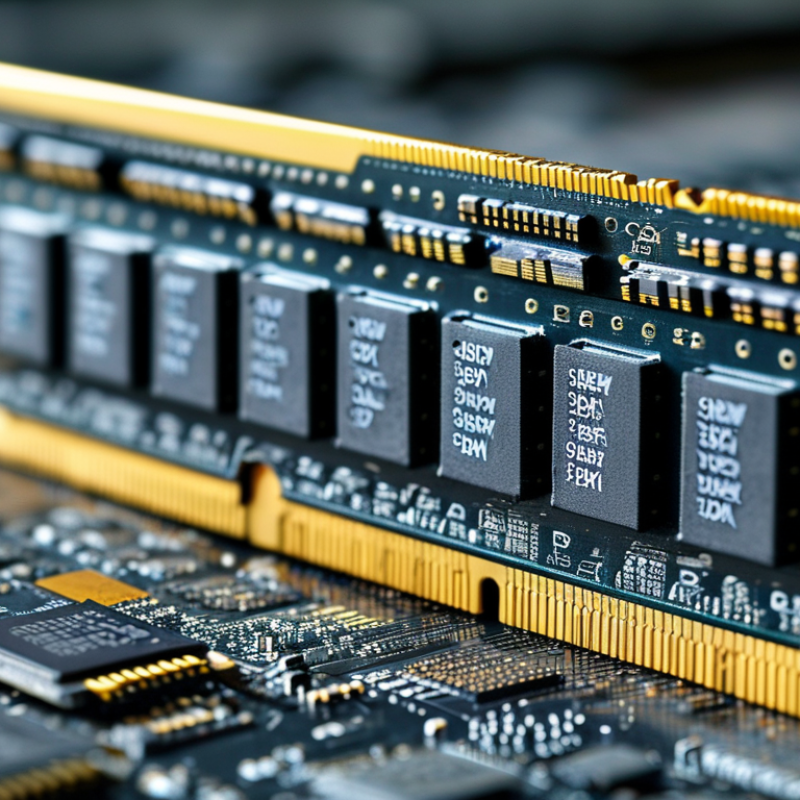
Understanding DRAM Memory: Types and Specifications
DRAM (Dynamic Random Access Memory) plays a vital role in modern computing. It serves as short-term memory, enabling quick access to data for processing. There are various types of DRAM, including SDRAM, DDR, and LPDDR. Each variant caters to specific performance and energy efficiency needs.
According to a report from IC Insights, the DRAM market is projected to reach over $100 billion by 2025, reflecting its crucial position in technology.
Specifications are key when selecting DRAM. Speed (measured in MHz or GHz), latency (the delay before data can be accessed), and capacity (ranging from gigabytes to terabytes) are core factors. High-frequency modules can significantly enhance performance.
However, potential buyers must consider compatibility with their systems. An incorrect or unsupported type can lead to reliability issues. Additionally, even the latest DRAM can underperform if not paired with appropriate processors.
Understanding these aspects fosters informed purchasing decisions. Analyzing benchmarks and use-case scenarios is essential. Reports from industry analysts emphasize the importance of research prior to any purchase. Buyers should also be aware of fluctuating prices influenced by supply chain dynamics.
Ultimately, making the right choice involves careful consideration of both immediate needs and future scalability.
Key Factors Influencing DRAM Pricing and Performance
When exploring DRAM memory, several key factors come into play. Pricing fluctuates based on demand and supply. Tech advancements lead to better performance but can also increase costs. The market can be reactive; shortages often drive prices higher.
Manufacturers focus on production techniques to enhance chip density. As chips become smaller, more data can be packed into each module. However, smaller chips can lead to reliability issues. Over time, performance may degrade, impacting overall system efficiency.
Consider the varying types of DRAM in the market. Each type has different applications and performance characteristics. The right choice depends on specific needs, whether for gaming, data centers, or mobile use. Ultimately, users must weigh price against performance to make informed decisions.
Market Trends and Forecasts for DRAM Demand in 2023
As we look into the DRAM market for 2023, several key trends emerge. The demand for DRAM is projected to grow, driven by increased use in mobile devices, laptops, and servers. Emerging technologies, such as AI and machine learning, are expected to further stimulate this growth. However, the supply chain can be unpredictable. Fluctuating raw material availability might affect production levels.
Many industry experts highlight the importance of production efficiency. Manufacturers are investing in advanced technologies to optimize output. Yet, the challenge of managing costs remains. Prices are likely to experience volatility due to market dynamics. Global economic shifts could impact buyer sentiment. As demand increases, so does the potential for supply shortages. Buyers need to be cautious and stay updated on market changes.
Moreover, sustainability practices are gaining traction. Companies are urged to adopt greener production methods. This transition could take time and resources. Some may lag in implementing these practices. DRAM production must balance efficiency with environmental concerns. Continuous assessment of market trends is crucial for buyers navigating this evolving landscape. Informed decision-making will be essential to capitalize on opportunities.
What is DRAM Memory Best Guide for Global Buyers? - Market Trends and Forecasts for DRAM Demand in 2023
| Region |
2022 DRAM Demand (Million GB) |
2023 Projected Demand (Million GB) |
Annual Growth Rate (%) |
Key End-Use Applications |
| North America |
1200 |
1300 |
8.33% |
Data Centers, Consumer Electronics |
| Europe |
800 |
850 |
6.25% |
Automotive, Telecommunications |
| Asia-Pacific |
3000 |
3200 |
6.67% |
Smartphones, Laptops, Gaming Consoles |
| Latin America |
300 |
310 |
3.33% |
Consumer Electronics |
| Middle East & Africa |
200 |
220 |
10.00% |
Telecommunications, Consumer Electronics |
Comparative Analysis of Leading DRAM Manufacturers: Market Shares and Innovations
The DRAM market is characterized by rapid evolution and significant competition among leading manufacturers. Recent reports indicate that the top three players, collectively capturing over 70% of the global market, are pushing boundaries in production capacity and technology. However, this fierce competition is not without its challenges. Many companies face rising costs in raw materials, which leads to fluctuating prices in the market.
Innovations are pivotal in this sector. For instance, advancements in DDR5 technology promise faster speeds and better energy efficiency. Yet, as companies race to adopt these innovations, some lag behind, struggling with outdated production techniques. This disparity can affect their market share and reputation. Moreover, sustainability practices are emerging as a significant aspect of innovation, as manufacturers are increasingly pressured to reduce carbon footprints.
Data from industry reports show that the average selling price (ASP) of DRAM has seen significant variations. The ASP can impact revenue forecasts and focus areas for each player. As the market dynamics shift, manufacturers must evaluate their strategies carefully. Balancing innovation with cost management is crucial in navigating these turbulent waters. The current landscape suggests that while opportunities are abundant, the challenges are equally formidable.
Best Practices for Choosing DRAM Memory for Different Applications
When choosing DRAM memory for various applications, understanding specific needs is crucial. The right choice enhances performance and efficiency. According to a recent report by IDC, DRAM demand is projected to grow by 8% annually through 2025. With this growth, selecting the appropriate DRAM type becomes essential for both consumers and businesses.
Applications like gaming, server management, and mobile devices have unique DRAM requirements. For instance, gaming applications often require high bandwidth and lower latency. A study from Gartner suggests that high-performance DRAM can reduce loading times by up to 20%. In contrast, for mobile devices, energy efficiency is a key factor. Low-power DDR (LPDDR) variants are developed to address battery life concerns while delivering adequate performance.
It’s important to note the cost implications when selecting DRAM. A bulk purchase might seem cost-effective, but it could lead to over-specification for certain applications. Balancing budget constraints with performance needs is necessary, even among experienced buyers. This process can be complex, especially when technology rapidly evolves. Staying updated on industry trends will facilitate better decision-making in selecting the right DRAM memory.
FAQS
Advancements can improve performance but may also increase costs.
Prices change due to market demand and potential supply shortages.
Smaller chips can pack more data but may lead to reliability issues.
Users need to weigh price against performance for their specific needs.
Increased usage in mobile devices and AI technologies is driving demand growth.
Unpredictable raw material availability can impact production levels.
Companies are encouraged to adopt greener methods, but some may struggle.
It helps optimize output but managing costs remains a significant challenge.
Staying informed on market changes is crucial for making wise decisions.
Conclusion
This guide addresses the question, "What is DRAM memory?" by exploring its various types and specifications, which are essential for understanding its applications in modern computing. The article details key factors influencing DRAM pricing and performance, including manufacturing processes and technological advancements.
Additionally, it examines market trends and forecasts for DRAM demand in 2023, highlighting the expected growth driven by increased data consumption and emerging technologies. The comparative analysis of leading DRAM manufacturers reveals their market shares and innovative efforts that shape the industry landscape. Finally, the guide offers best practices for selecting the right DRAM memory for different applications, catering to a range of user needs and system requirements.

 CoreByte