In today's tech landscape, buyers face a critical choice: What is DDR5 RAM? This next-generation memory technology offers significant improvements over its predecessor, DDR4. According to a report by Jon Peddie Research, DDR5 RAM can provide a data rate of up to 8400 MT/s, double that of DDR4, while also increasing memory bandwidth. This enhancement is crucial for demanding applications like gaming, AI, and data analysis.
Yet, not every user needs DDR5. Consider that it may present challenges in compatibility and cost. While DDR5 memory modules are priced higher, recent industry reports indicate that prices will likely stabilize as production scales. Buyers should weigh the immediate benefits against long-term gains in performance and efficiency. Ultimately, making an informed decision on DDR5 RAM demands understanding its innovations and trade-offs.
Professionals recommend evaluating specific needs before investing. The transition to DDR5 may not benefit all users equally. For some, the speed increase may net minimal real-world gains. Reflecting on these considerations can help in navigating the technological landscape effectively.
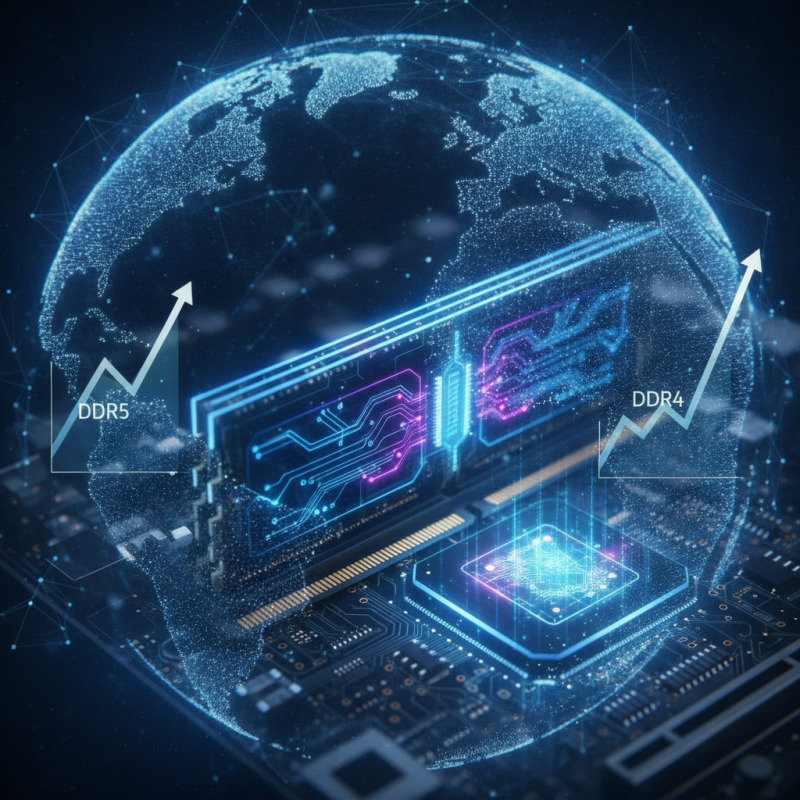
Overview of DDR5 RAM Technology and Its Features
DDR5 RAM introduces a new era of memory technology with enhanced performance. It offers higher bandwidth compared to its predecessor, DDR4. This upgrade leads to faster data transfer rates, benefiting gaming, content creation, and data-intensive applications. Users can expect smoother multitasking and improved system responsiveness.
One of the key features of DDR5 RAM is its power efficiency. DDR5 operates at a lower voltage, which not only conserves energy but also generates less heat. This aspect is crucial for laptops and mobile devices where battery life is essential. However, potential buyers might find compatibility a concern. Not all existing systems support DDR5 RAM. Upgrading could require a new motherboard.
Latency is a factor worth noting. While DDR5 improves speed, some applications may still face latency issues. This necessitates careful consideration when choosing components. Furthermore, the adoption rate is still growing. Not every manufacturer has a full range of DDR5 compatible products yet. Users need to assess their specific requirements before making a purchase.
Performance Improvements Over DDR4 RAM for Buyers
DDR5 RAM offers significant performance improvements over its predecessor, DDR4. It delivers faster data transfer rates, which enhances the overall speed of devices. For gamers and content creators, these advancements are crucial. Higher bandwidth translates to smoother gameplay and faster render times. This means less lag and improved experiences for users.
Moreover, DDR5 RAM features better efficiency. It operates at lower voltages, reducing energy consumption. This is particularly important for laptops and mobile devices where battery life matters. Lower heat generation also contributes to longer-lasting hardware. Users may notice their devices running cooler, which can prevent thermal throttling during demanding tasks.
Despite these benefits, not all devices currently support DDR5. This transition period may create uncertainty for some buyers. Compatibility with older systems remains an obstacle. It’s essential for buyers to assess whether upgrading is worthwhile. Additionally, prices can be higher initially, which may not suit every budget. In the long run, however, DDR5's advantages can justify the investment for many users.
Energy Efficiency and Cost Savings of DDR5 RAM
The recent introduction of DDR5 RAM marks a significant advancement in memory technology, particularly in terms of energy efficiency. Industry reports reveal that DDR5 offers up to 30% better power efficiency compared to its predecessor, DDR4. This is crucial for global buyers looking to optimize their systems while reducing energy costs. With energy bills rising, such improvements can lead to substantial savings over time.
Moreover, DDR5 enables higher data rates without a proportional increase in power consumption. Benchmarks indicate that DDR5 can achieve speeds of up to 8400 MT/s, while maintaining low energy use. This means users can experience enhanced performance without the burden of higher operational costs. Additionally, companies can reduce their carbon footprint, as energy-efficient components contribute to more sustainable practices.
However, the transition to DDR5 isn't without its challenges. The initial investment in DDR5-compatible motherboards and components can be significant. Some users may find themselves questioning if the benefits justify the expense. Furthermore, the long-term adoption of DDR5 in various devices will require a gradual market shift, which might impact availability and cost variations. Despite these hurdles, the potential for energy savings and improved performance makes DDR5 RAM an attractive option for many purchasers worldwide.
Benefits of DDR5 RAM for Global Buyers
Compatibility and Upgrade Considerations for Global Buyers
As DDR5 RAM gains traction in the global market, buyers should carefully assess compatibility and upgrade considerations. DDR5 introduces higher bandwidth and improved performance. Reports indicate that DDR5 RAM can offer speeds of up to 8400 MT/s, significantly enhancing data transfer rates. These advancements, however, come with specific compatibility requirements. Most current motherboards support DDR4, which poses a challenge for users interested in upgrading.
Upgrading to DDR5 requires a compatible motherboard with an LGA 1700 socket, commonly seen in new Intel chipsets. Users must also consider the impact on power supply, as DDR5 operates at lower voltages but demands more power efficiency. The transition can be daunting, leaving some consumers hesitant. Research shows that about 35% of users face compatibility issues when upgrading RAM, highlighting the need for thorough planning.
Tips: Before purchasing, ensure your motherboard supports DDR5. Check the latest chipset compatibility and firmware updates. Always seek professional advice if you're unsure about your existing system. It is wise to consult experienced builders or forums for insights and real-world experiences related to DDR5 upgrades.
What is DDR5 RAM Benefits for Global Buyers? - Compatibility and Upgrade Considerations for Global Buyers
| Feature |
Description |
| Increased Bandwidth |
DDR5 RAM offers double the bandwidth compared to DDR4, allowing for faster data transfer rates. |
| Improved Power Efficiency |
DDR5 operates at a lower voltage, reducing power consumption and heat generation. |
| Enhanced Capacity |
Supports larger memory capacities, allowing for up to 64GB per module, beneficial for high-performance tasks. |
| Improved Latency |
While latency is slightly higher, the overall performance gain offsets this disadvantage. |
| Compatibility Considerations |
DDR5 is not backward compatible with DDR4 motherboards, requiring users to upgrade their motherboards as well. |
| Future-Proofing |
Investing in DDR5 now can help ensure that systems remain capable of handling future workloads. |
Future Trends and Market Implications of DDR5 RAM Adoption
The adoption of DDR5 RAM is projected to reshape the global market significantly. According to a recent analysis by MarketsandMarkets, the global DDR5 memory market is expected to reach $25 billion by 2026, growing at a compound annual growth rate (CAGR) of over 30%. This rapid growth is largely driven by the increasing demand for high-performance computing in various sectors, including gaming, data centers, and AI applications. As users expect faster load times and smoother multitasking, DDR5's capability to provide double the bandwidth of its predecessor becomes a crucial factor.
Yet, the transition to DDR5 RAM isn’t without challenges. Many consumers grapple with compatibility issues, as current motherboards may not support this new standard. Furthermore, with prices fluctuating, buyers may find themselves questioning whether the performance gains justify the investment. An industry report from IDC indicates that while DDR5's adoption is accelerating, early adopters must be prepared to navigate a landscape where availability and pricing remain inconsistent.
Looking ahead, the implications of DDR5 adoption extend beyond mere performance enhancements. Technologies such as AI and machine learning are expected to leverage its capabilities fully. A report from Gartner suggests that sectors integrating DDR5 will experience productivity boosts, but these advancements may also lead to a digital divide. Those unable to upgrade might find themselves at a disadvantage, a trend worth noting as the market evolves.
FAQS
DDR5 operates at a lower voltage, leading to up to 30% better power efficiency over DDR4, saving energy costs.
DDR5 can achieve data rates of up to 8400 MT/s, allowing for enhanced performance in various applications.
Yes, DDR5 requires specific motherboards with an LGA 1700 socket, which most current systems do not support.
Verify motherboard compatibility, check chipset support, and consult with experts or forums before purchasing DDR5 components.
Although DDR5 enhances speed, some applications might still experience latency issues, requiring careful consideration of usage needs.
While DDR5 offers great benefits, the initial cost of compatible motherboards and components may lead buyers to question the investment.
Yes, energy-efficient DDR5 helps reduce operational costs, possibly leading to substantial savings over time with lower energy consumption.
The complexity of ensuring compatibility and understanding power supply needs can leave some users unsure and reluctant to upgrade.
Staying informed on the DDR5 adoption rate and product availability is crucial for making sound purchasing decisions.
Conclusion
The article "What is DDR5 RAM Benefits for Global Buyers?" provides an insightful overview of DDR5 RAM technology, highlighting its advanced features. DDR5 RAM offers significant performance improvements over its predecessor, DDR4, enabling faster data transfer rates and enhanced multitasking capabilities, which are essential for tasks demanding high bandwidth. Additionally, the article emphasizes the energy efficiency of DDR5 RAM, which leads to cost savings, making it an attractive option for buyers looking to optimize their systems.
Moreover, compatibility and upgrade considerations are critical for global buyers planning to transition to DDR5 RAM, as they need to ensure their hardware supports this new technology. The article also discusses future trends and market implications, suggesting that DDR5 RAM adoption is poised to rise significantly, shaping the future landscape of computing. Overall, understanding "what is DDR5 RAM" enhances buyers' knowledge, facilitating informed decisions in their purchasing process.

 CoreByte