In recent years, the evolution of memory technology has significantly impacted server performance. DDR5 for server performance is changing the landscape. According to the International Data Corporation (IDC), the demand for faster, more efficient servers is skyrocketing. By 2025, the market for high-performance computing is expected to reach $70 billion. Organizations are exploring DDR5's capabilities to address these needs.
DDR5 offers several advantages over its predecessor, DDR4. It delivers higher bandwidth, improved energy efficiency, and enhanced capacity. Memory bandwidth can exceed 4800 MT/s, which is a 50% increase compared to DDR4. This improvement means faster data processing and reduced latency in server operations. However, transitioning to DDR5 isn't without challenges. Costs may rise, and existing infrastructure must adapt. The initial investment can be high, but the long-term performance gains may outweigh this concern.
As businesses strive for greater efficiency, learning about DDR5's impact on server performance becomes essential. In a world that relies heavily on data processing, the shift to DDR5 may redefine competitive advantages for many organizations. The ongoing debate is whether the benefits truly justify the investment. Exploring these aspects will shed light on DDR5's role in future server technology.
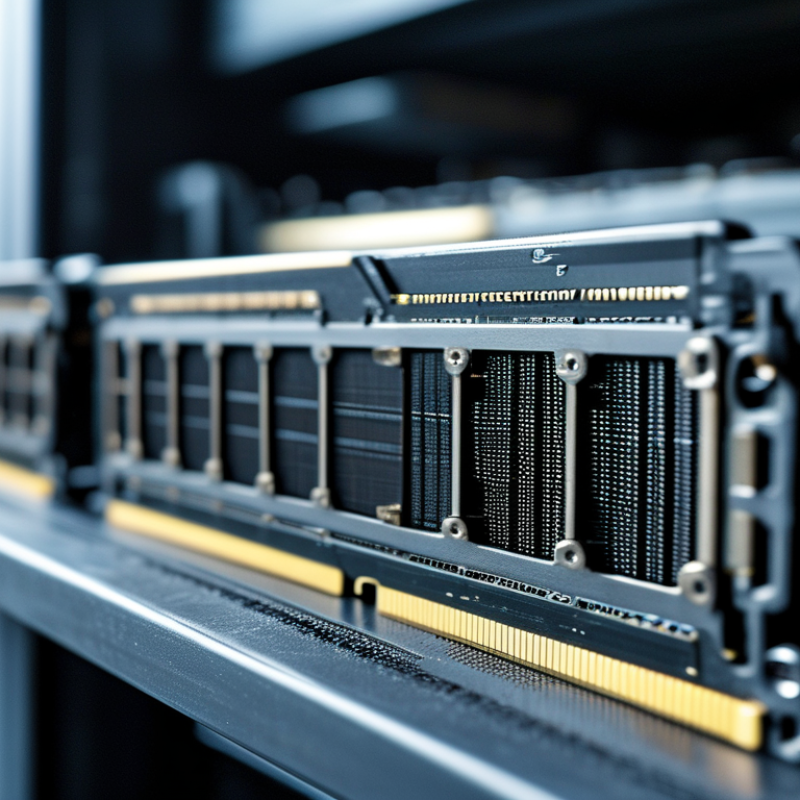
DDR5 memory technology brings significant advancements tailored for modern server performance. One of its key features is the increased bandwidth. DDR5 supports double the data rate of its predecessor. This allows servers to process more data simultaneously, enhancing overall efficiency. As data demands grow, this feature can be particularly beneficial for data-heavy applications.
Another crucial aspect of DDR5 is improved efficiency. The technology offers better power management, reducing energy consumption during high workloads. This can lead to cost savings over time and a smaller carbon footprint. Higher density is also a standout feature. DDR5 can accommodate larger memory capacities per module. This ensures servers can handle larger datasets without the need for multiple modules, leading to simplified architecture.
However, transitioning to DDR5 may not be without its challenges. Compatibility with existing systems can be a concern. Some legacy platforms may require significant upgrades. It’s essential for data centers to assess their infrastructure before adopting this technology. Overall, DDR5 sets a new standard, providing a path for improved performance while prompting thoughtful consideration of system readiness.
: DDR5 memory technology offers increased bandwidth, allowing servers to process more data simultaneously for enhanced efficiency.
DDR5 operates at a lower voltage, reducing energy consumption and heat generation, which helps lower operational costs.
DDR5 accommodates larger memory capacities per module, simplifying server architecture and allowing for larger datasets without multiple modules.
Yes, compatibility with existing systems can be a concern, as legacy platforms may require significant upgrades.
Higher speeds can lead to overheating, so enhanced cooling systems and continuous performance monitoring are essential for stability.
Organizations must evaluate their existing infrastructure to ensure compatibility and alignment with the overall enterprise goals.
Yes, reduced energy bills and improved performance contribute to long-term operational efficiency and cost savings.
DDR5 significantly enhances latency and response times, enabling applications to access data more quickly and improve user experiences.
Initial investment in new hardware may be required, but the long-term benefits can outweigh these initial expenses.
Yes, constant reflection on energy usage and performance can drive better decision-making for sustainable operations.
DDR5 for server performance represents a significant advancement in memory technology, offering numerous benefits that enhance overall server capabilities. One of the key features of DDR5 is its increased bandwidth and data transfer rates, which allow for faster processing and improved performance in data-heavy applications. Additionally, DDR5 memory is designed with enhanced energy efficiency, reducing power consumption during server operations while maintaining high performance.
Another critical advantage of DDR5 is its ability to improve latency and response times, ensuring that applications run smoothly and efficiently. Furthermore, DDR5 offers greater scalability, making it well-suited for future server demands as businesses continue to grow and require more robust computing solutions. Overall, embracing DDR5 for server performance can lead to more efficient, powerful, and future-proof server environments.

 CoreByte